
-
×
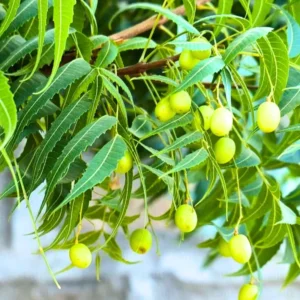 Neem Tree Plant Live, 4-9 Inch Tall, Hardy Neem Seedling for Outdoor Growing, Neem Plant Live
$39.99
Neem Tree Plant Live, 4-9 Inch Tall, Hardy Neem Seedling for Outdoor Growing, Neem Plant Live
$39.99 -
×
 Carambola Starfruit Tree Grafted Live Plant, 2-3 Feet Tall in 3 Gallon Pot, Sweet Star Fruit Tree Plant for Planting, No CA, HI, PR, GU, AK
$162.99
Carambola Starfruit Tree Grafted Live Plant, 2-3 Feet Tall in 3 Gallon Pot, Sweet Star Fruit Tree Plant for Planting, No CA, HI, PR, GU, AK
$162.99 -
×
Ruby Red Grapefruit Tree Live Plant in Pot, 1 to 3 Ft Tall, Live Pomelo Tree for Growing, Can Not Ship to TX, FL, AZ, CA, LA, HI
$112.99
-
×
Live HASS Avocado Trees Plants Seedlings, 1 Year Old HASS Avocado Trees, Well Rooted HASS Avocado Plants Trees in 4 Inc Pot for Planting, Live Avocado Plants, Green
$32.99
-
×
25 Daylily Bulbs, Yellow Daylilies Bulbs for Planting, Daylily Roots, Daylily Flower Bulbs
$79.96
-
×
White Lady Bank Rose Climbing Live Plant, 2 Year Old Rose Plant, Very Fragrant, Yellow Climbing Rose in 6 Inc Pot, 1 to 2 Feet Tall
$83.99
-
×
50 Lily Bulbs for Planting, Mixed Lily Bulbs, Sprouted Asiatic Lily Bulbs, Oriental Lily Bulbs Outdoors
$89.69
-
×
Virginia Creeper Ivy Plants Live – Set of 10 Bare Root Vines, Perennial Five-Leaved Ivy for Ground Cover or Vertical Growth
$21.99
-
×
Set 2 White Lantana Live Plants For Planting Outdoors, Lantana Plants Live, Well Rooted 4 Inch Pot,Perennial Flower Planting
$19.99
-
×
Ludwigia Aquarium Plants Live, 1 Bundle Aquatic Plants, No Root, 5 to 7 Stems, Live Aquarium Plants, Freshwater Aquarium for Planting, Leaves Dark Green to Brownish Red or Deep Red
$14.99
-
×
Keo Mango Tree Live Plant Grafted, 2 to 3 Feet Tall in 3 Gallon Pot, Ready to Bear Fruit in 1 Year, Vietnamese Mango, No CA, HI, PR, GU, AK
$159.99
-
×
2 Pack Blue Fescue Grass Plants, 6-8 Inch Tall from Bottom Pot, 4 Inch Pot - Blue Ornamental Grass for Ground Cover and Landscape Design
$19.99
-
×
Keow Savoy Grafted Mango Tree Plant, 2-3 Feet in 3 Gallon Pot, No CA, HI, PR, GU, AK
$165.99
-
×
String of Dolphins Plant - 4 Inch Potted | Succulent Houseplant | Drought Tolerant | Indoor/Outdoor Plant
$29.99
-
×
Calamondin Tree Live, Calamondin Orange Tree, Dwarf Calamondin Orange Plant Potted, Dwarf Calamansi Tree Indoor, 14 To 18 Inches Tall Tree
$119.98
-
×
Asparagus Seeds For Planting, Vegetable Seeds For Planting, Asparagus Vegetable Seeds, 400 Seeds
$19.99
-
×
Black Chokeberry Tree - Live Plant, 6-12 Inch Tall, Chokeberry Plant in 2.5 Inch Pot
$19.99
-
×
Little Sedum Variegated Succulent Plant Live, In 4 Inch Pot, Trailing Succulent Plant, Stonecrop Ground Cover Plant, Live Potted Plant
$16.99
-
×
10 Live Zingiber Zerumbet Awapuhi Shampoo Ginger Root - Herbal Plant Live
$27.99
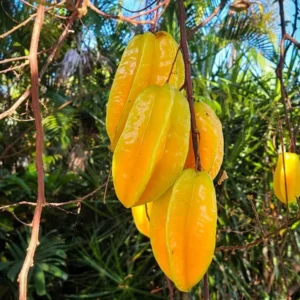 Carambola Starfruit Tree Grafted Live Plant, 2-3 Feet Tall in 3 Gallon Pot, Sweet Star Fruit Tree Plant for Planting, No CA, HI, PR, GU, AK
 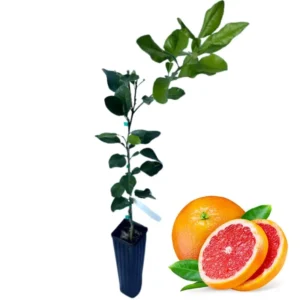 Ruby Red Grapefruit Tree Live Plant in Pot, 1 to 3 Ft Tall, Live Pomelo Tree for Growing, Can Not Ship to TX, FL, AZ, CA, LA, HI
 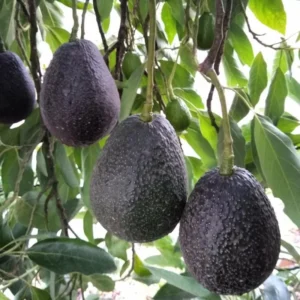 Live HASS Avocado Trees Plants Seedlings, 1 Year Old HASS Avocado Trees, Well Rooted HASS Avocado Plants Trees in 4 Inc Pot for Planting, Live Avocado Plants, Green
 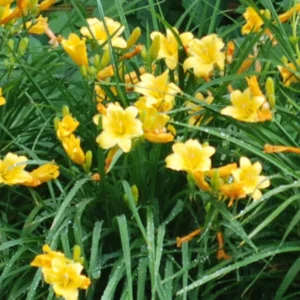 25 Daylily Bulbs, Yellow Daylilies Bulbs for Planting, Daylily Roots, Daylily Flower Bulbs
 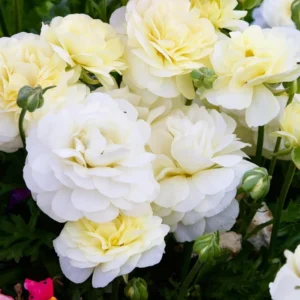 White Lady Bank Rose Climbing Live Plant, 2 Year Old Rose Plant, Very Fragrant, Yellow Climbing Rose in 6 Inc Pot, 1 to 2 Feet Tall
 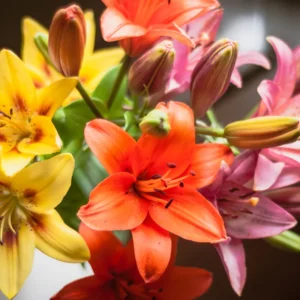 50 Lily Bulbs for Planting, Mixed Lily Bulbs, Sprouted Asiatic Lily Bulbs, Oriental Lily Bulbs Outdoors
 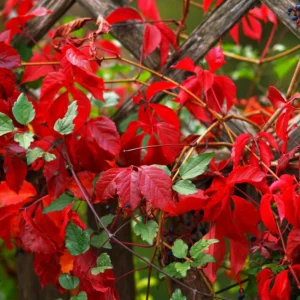 Virginia Creeper Ivy Plants Live – Set of 10 Bare Root Vines, Perennial Five-Leaved Ivy for Ground Cover or Vertical Growth
 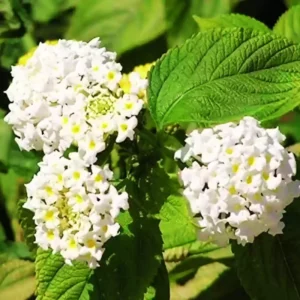 Set 2 White Lantana Live Plants For Planting Outdoors, Lantana Plants Live, Well Rooted 4 Inch Pot,Perennial Flower Planting
 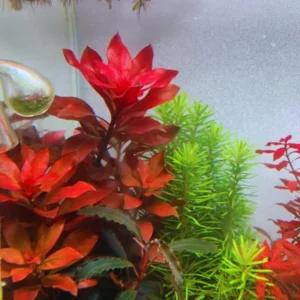 Ludwigia Aquarium Plants Live, 1 Bundle Aquatic Plants, No Root, 5 to 7 Stems, Live Aquarium Plants, Freshwater Aquarium for Planting, Leaves Dark Green to Brownish Red or Deep Red
 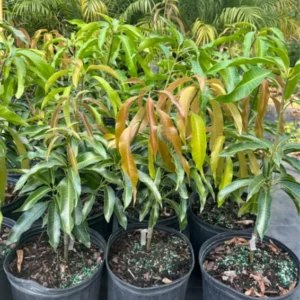 Keo Mango Tree Live Plant Grafted, 2 to 3 Feet Tall in 3 Gallon Pot, Ready to Bear Fruit in 1 Year, Vietnamese Mango, No CA, HI, PR, GU, AK
 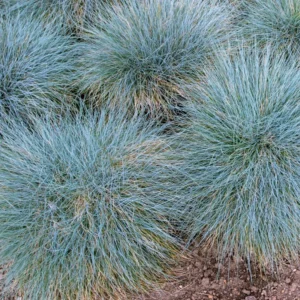 2 Pack Blue Fescue Grass Plants, 6-8 Inch Tall from Bottom Pot, 4 Inch Pot - Blue Ornamental Grass for Ground Cover and Landscape Design
 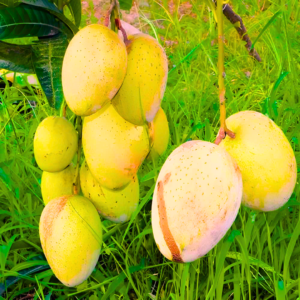 Keow Savoy Grafted Mango Tree Plant, 2-3 Feet in 3 Gallon Pot, No CA, HI, PR, GU, AK
 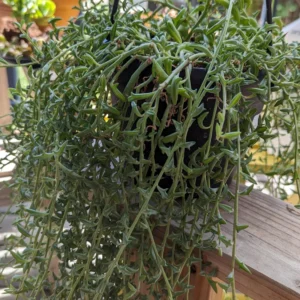 String of Dolphins Plant - 4 Inch Potted | Succulent Houseplant | Drought Tolerant | Indoor/Outdoor Plant
  Calamondin Tree Live, Calamondin Orange Tree, Dwarf Calamondin Orange Plant Potted, Dwarf Calamansi Tree Indoor, 14 To 18 Inches Tall Tree
 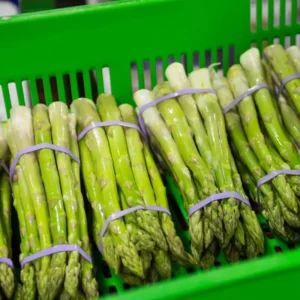 Asparagus Seeds For Planting, Vegetable Seeds For Planting, Asparagus Vegetable Seeds, 400 Seeds
 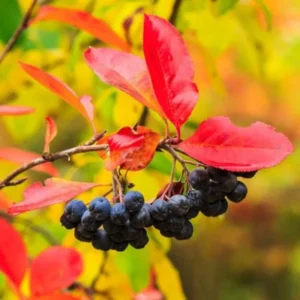 Black Chokeberry Tree - Live Plant, 6-12 Inch Tall, Chokeberry Plant in 2.5 Inch Pot
 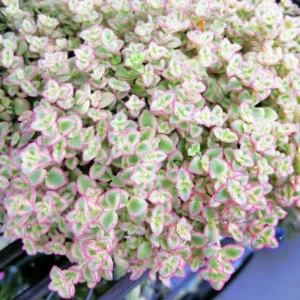 Little Sedum Variegated Succulent Plant Live, In 4 Inch Pot, Trailing Succulent Plant, Stonecrop Ground Cover Plant, Live Potted Plant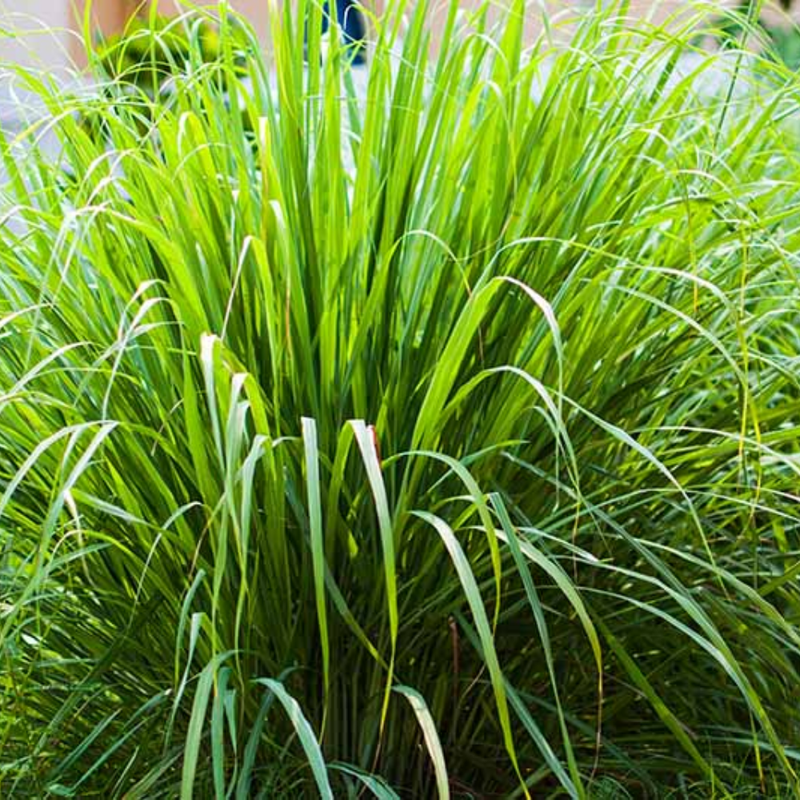
Plant Materials
Top 5 Tips for Thriving Pinecone Ginger Plants at Home

25
Feb
Feb
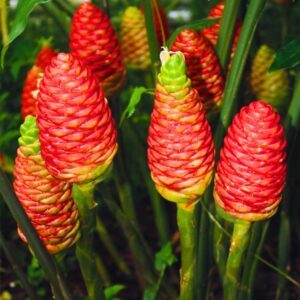
If you’ve ever admired the exotic beauty of Pinecone Ginger (Zingiber zerumbet) and thought about growing it at home, you’re in the right place! Whether you want it for its ornamental appeal, herbal benefits, or simply to enjoy its lush tropical foliage, successfully cultivating Pinecone Ginger requires more than just occasional watering. Many gardeners face challenges such as slow growth, weak rhizomes, or the disappointment of not seeing blooms. If any of these sound familiar, don’t worry. With the right approach, you can ensure your Pinecone Ginger plant not only survives but thrives. Below, we will explore five essential tips to help you cultivate a robust and healthy plant in your home garden.
1. Choose the Right Location and Soil
Pinecone Ginger, also known as Shampoo Ginger, originates from tropical regions and thrives in warm, humid environments. Creating the right conditions is essential to its success. One of the most common mistakes new growers make is planting it in an area with too much direct sunlight. This plant prefers partial shade, as excessive sunlight can scorch its delicate leaves and hinder growth. Ideally, it should be placed in a spot that receives dappled light or morning sun with afternoon shade.

Soil quality is another critical factor in the health of your Pinecone Ginger. It requires well-draining, loamy soil with a slightly acidic to neutral pH, ideally between 6.0 and 7.0. Heavy clay soils should be amended with organic matter or sand to improve drainage. If your soil is too compact, the rhizomes may struggle to spread and develop properly. For those in cooler climates, growing Pinecone Ginger in a large container is a great option, allowing you to move it indoors during the winter months to protect it from frost damage.
If you’re looking for a comprehensive guide on Pinecone Ginger plant care, check out our in-depth article on Shampoo Ginger Plant Care: The Ultimate Guide.
2. Proper Watering Techniques
Watering might seem like a simple task, but it is often where many gardeners go wrong. Pinecone Ginger requires consistent moisture, but it does not tolerate waterlogged conditions. Overwatering can lead to root rot, which is one of the leading causes of plant failure. On the other hand, allowing the soil to dry out too much can stress the plant and cause leaf discoloration.
To strike the right balance, water deeply whenever the top one to two inches of soil feel dry to the touch. Mulching around the base of the plant with organic materials such as shredded leaves or bark can help retain soil moisture while also keeping the roots cool. In winter, when the plant enters dormancy, reduce watering to prevent excessive moisture buildup that can cause rhizome rot.
3. Fertilizing for Lush Growth
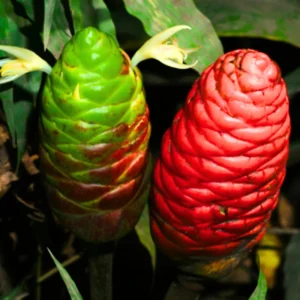
If you want vibrant, lush foliage and strong rhizome development, feeding your Pinecone Ginger with the right nutrients is essential. A well-fed plant will not only grow more vigorously but also produce the characteristic pinecone-shaped flowers more reliably. Organic compost or well-rotted manure incorporated into the soil provides a steady supply of nutrients.
During the active growing season, apply a balanced fertilizer, such as 10-10-10 or 20-20-20, every four to six weeks. This will ensure the plant receives adequate nitrogen, phosphorus, and potassium for optimal growth. Additionally, using a potassium-rich fertilizer can encourage flowering. For an extra boost, supplement with liquid seaweed extract or fish emulsion every two to three weeks to enhance root health and overall plant vitality.
4. Managing Pests and Diseases
Although Pinecone Ginger is relatively low-maintenance, it is not entirely immune to pests and diseases. Common garden pests such as aphids and spider mites may occasionally appear, especially in dry conditions. These pests can be managed effectively with neem oil sprays or insecticidal soaps. Additionally, keeping the plant well-hydrated and ensuring good air circulation around the foliage can help deter infestations.

Root rot is another potential issue, often caused by excessive watering or poor drainage. If you notice yellowing leaves or mushy rhizomes, take immediate action by improving soil drainage and adjusting your watering routine. Fungal diseases can also be a concern, particularly in humid environments. To minimize the risk, avoid overhead watering and always water at the base of the plant.
5. Propagating Pinecone Ginger Successfully
One of the great things about Pinecone Ginger is how easily it can be propagated. If you want to expand your collection or share with fellow gardeners, propagation through rhizome division is the most effective method. The best time to divide rhizomes is in early spring or fall, just before the plant enters active growth.
To propagate, carefully dig up mature rhizomes and cut them into sections, ensuring that each piece has at least one “eye” or bud. These sections should be planted about two inches deep in moist, well-draining soil. Provide consistent moisture and keep the newly planted rhizomes in a warm, shaded location until new growth appears. With patience and proper care, you’ll soon have thriving new plants ready to enhance your garden.

Frequently Asked Questions (FAQ)
1. How long does it take for Pinecone Ginger to bloom?
It can take one to two years for the plant to produce its signature red pinecone-shaped flowers, depending on growing conditions and care.
2. Can Pinecone Ginger survive winter?
Pinecone Ginger is not frost-tolerant. If temperatures drop below 50°F (10°C), it should be brought indoors or heavily mulched to provide insulation.
3. Is Pinecone Ginger invasive?
It spreads through underground rhizomes, so in warm climates, it can become invasive if not controlled. Consider planting it in a designated area or a container to manage its growth.
4. Can I grow Pinecone Ginger indoors?
Yes, it can be grown indoors if provided with indirect sunlight, high humidity, and adequate space for its rhizomes to spread.
Conclusion
Growing Pinecone Ginger at home is a rewarding experience, bringing a touch of the tropics to your garden while also offering potential herbal benefits. By providing the right conditions, watering carefully, fertilizing appropriately, and managing pests and diseases effectively, you can enjoy a lush, thriving plant year after year. Whether you are a novice gardener or an experienced grower, following these expert tips will set you on the path to success.
Are you ready to start your Pinecone Ginger gardening journey? Share your experiences and any questions in the comments below!
Related plants for you!
USDA Hardy in USDA zones 8-11
Sold 67 products
From $9.99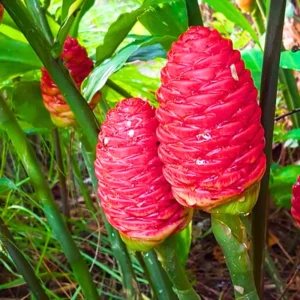
USDA Zones 8-11
Sold 95 products
$17.99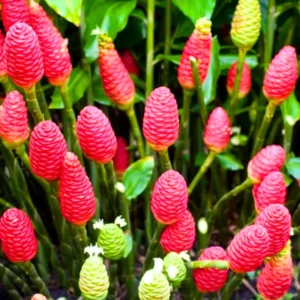
USDA 8-11
Sold 57 products
$24.99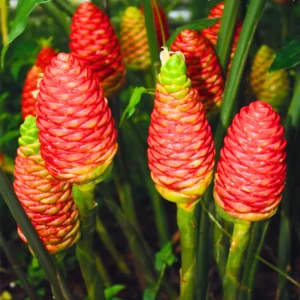
USDA 8-11
Sold 56 products
$19.99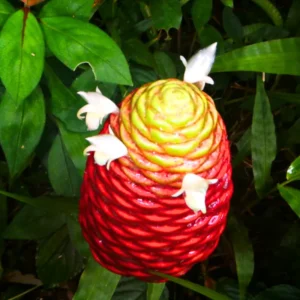
USDA 8-11
Sold 90 products
$27.99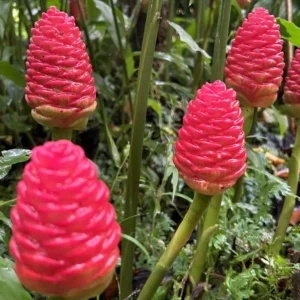
USDA 8-11
Sold 63 products
From $9.99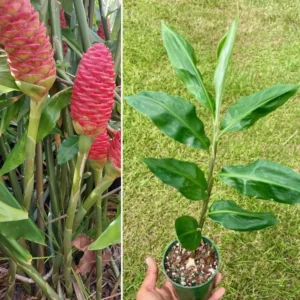
USDA 8-11
Sold 73 products
$24.99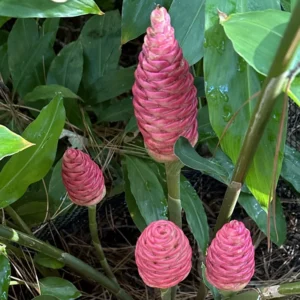
USDA 8-11
Sold 74 products
$34.99
USDA 8-11
Sold 97 products
$34.99
USDA 8-11
Sold 94 products
$24.99
USDA 8-11
Sold 81 products
$34.99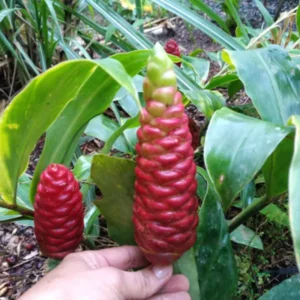
USDA 8-11
Sold 65 products
$24.99