Overview
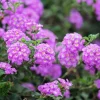
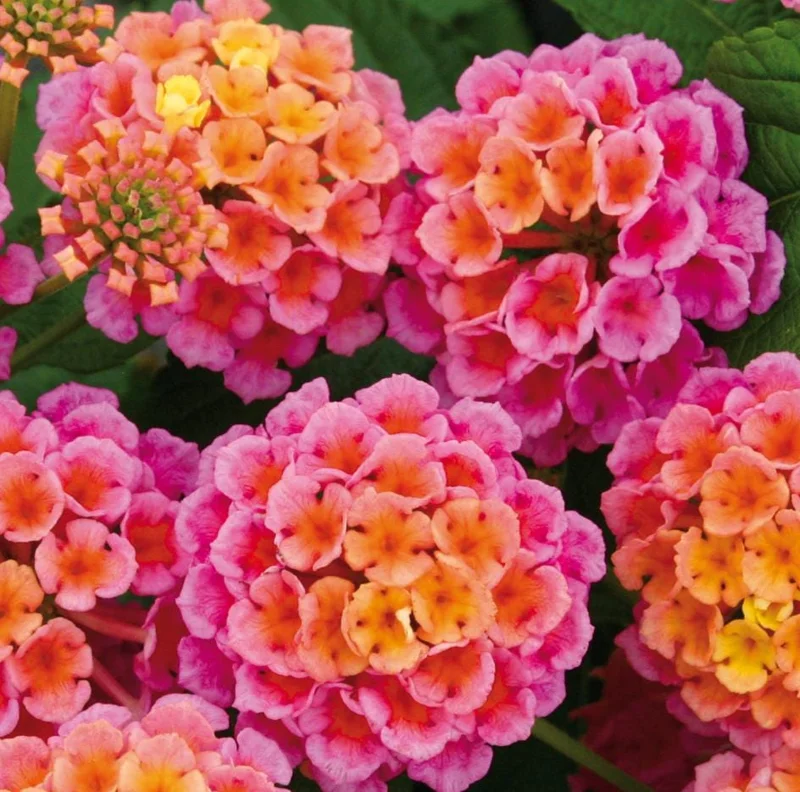
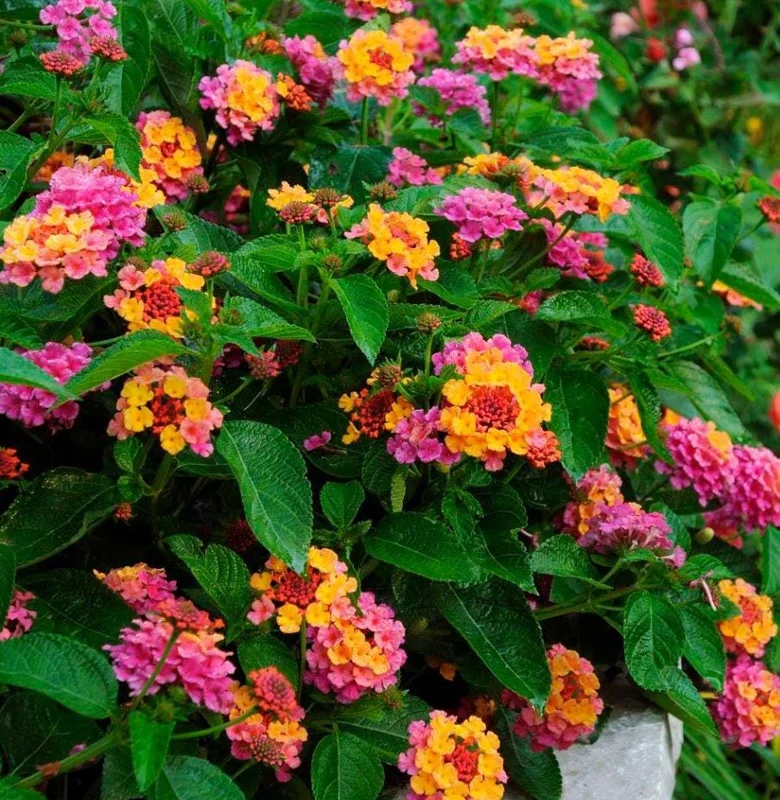
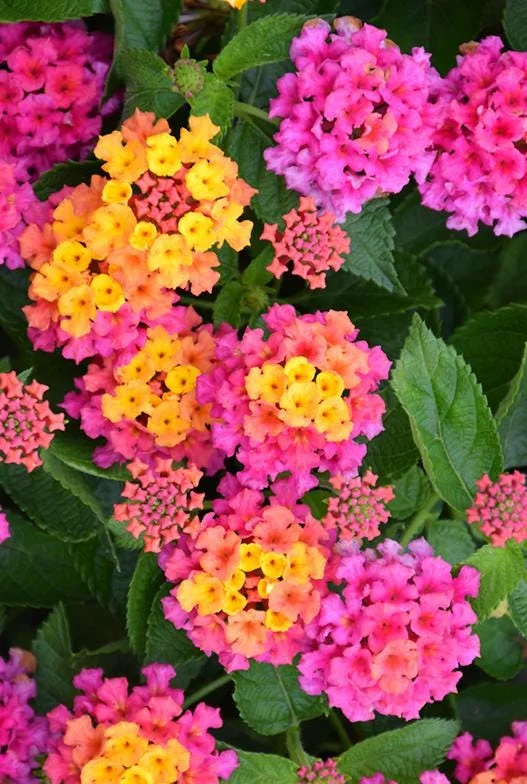
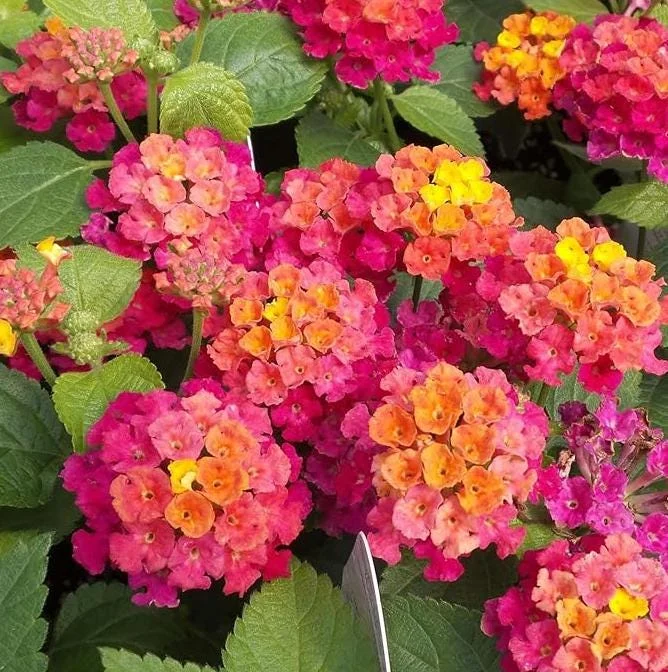
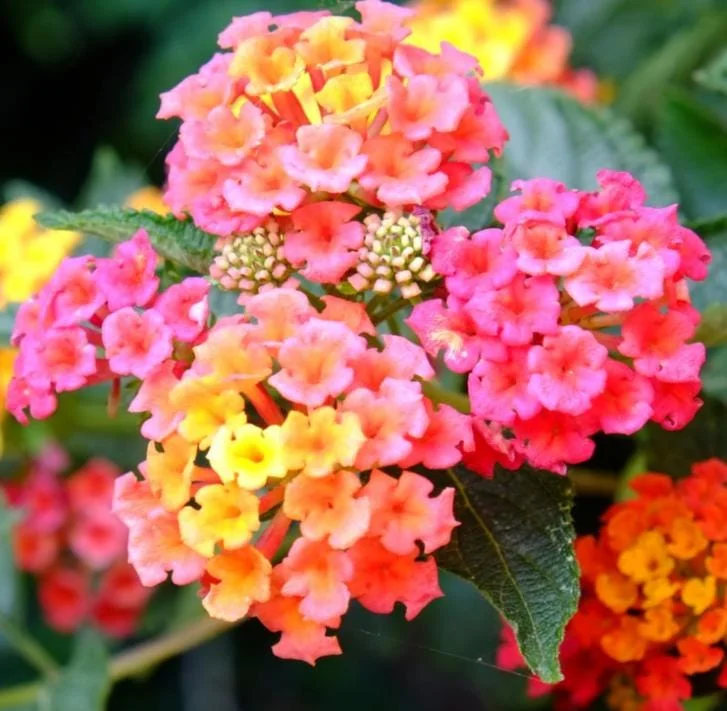
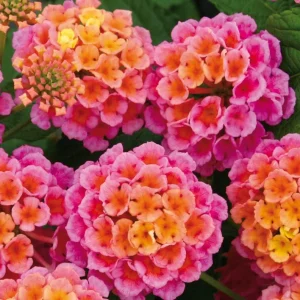
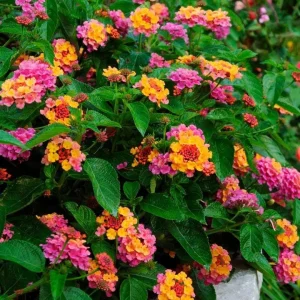
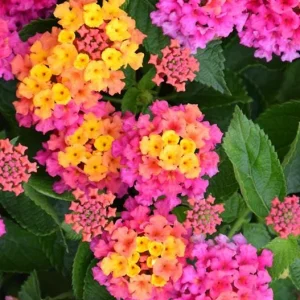
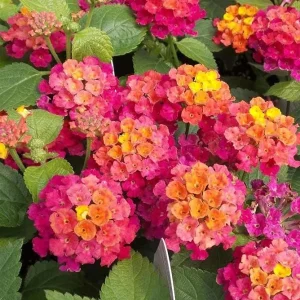
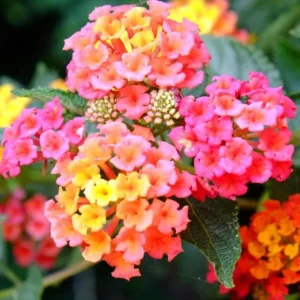
Transform your garden into a colorful haven with the beautiful lantana live plant. This stunning perennial is celebrated for its continuous blooms and ability to attract a variety of pollinators, especially butterflies. Originating from tropical and subtropical regions, Lantana camara is known for its hardiness and vibrant, multi-colored flower clusters that can change hue as they mature. This particular offering is a robust 5-7 inch tall plant, ready for planting, promising a spectacular display of color and a delightful fragrance throughout the growing season. Perfect for adding a touch of the tropics to your landscape, the lantana live plant is a versatile choice for gardeners looking for both beauty and resilience.
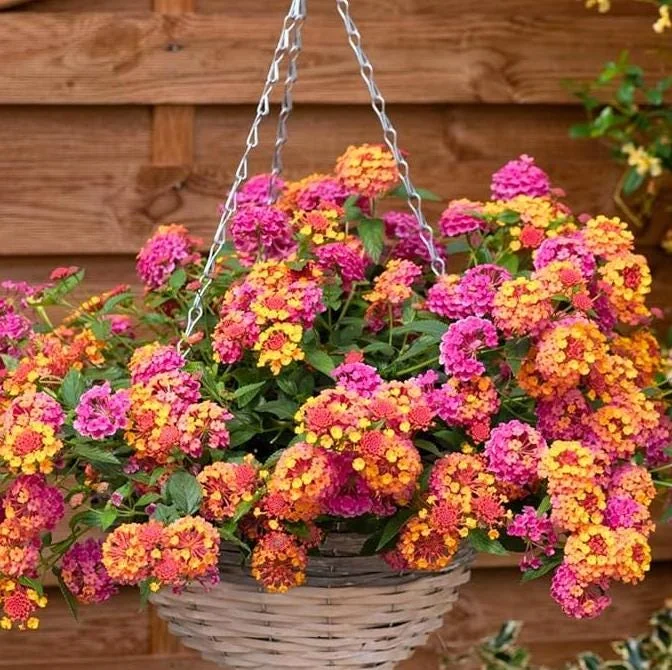
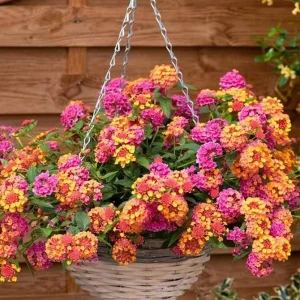
The plant’s common names, such as Butterfly Lantana and Shrub Verbena, aptly describe its appeal and growth habit. It’s a fantastic option for gardeners seeking a low-maintenance yet high-impact flowering plant. Its natural bushy form and profusion of small, brightly colored flowers make it an excellent choice for borders, containers, or as a groundcover, providing continuous visual interest and a lively atmosphere to any outdoor space.
Key Benefits
The lantana live plant offers a multitude of benefits for any garden enthusiast, combining aesthetic appeal with ecological advantages.
- Attracts Pollinators: Lantana is a magnet for butterflies, bees, and hummingbirds, making your garden a lively and vibrant ecosystem. The colorful blooms act as a beacon for these beneficial insects and birds.
- Continuous Blooming: Enjoy a long season of color with lantana’s prolific and continuous flowering from spring until the first frost. This ensures your garden remains vibrant for months on end, offering sustained visual appeal.
- Drought-Tolerant: Once established, these plants are remarkably drought-tolerant, requiring less frequent watering than many other flowering perennials. This makes them an excellent choice for water-wise gardening and busy individuals.
- Low Maintenance:Lantana perennial flowers are relatively low maintenance, thriving with minimal intervention. They are generally resistant to most pests and diseases, simplifying garden care.
- Fragrant Foliage and Flowers: While the flowers provide a sweet, subtle fragrance, the foliage of lantana often releases a distinct, citrusy aroma when brushed, adding another sensory dimension to your garden experience.
- Versatile Use: Whether planted in garden beds, used as a groundcover, or grown in containers, lantana adapts well to various landscaping designs. Its bushy growth habit makes it suitable for hedges or as a filler in mixed plantings.
- Deer Resistant: For gardeners in areas with deer, lantana is a valuable choice as deer tend to avoid browsing on its leaves, helping to preserve your beautiful blooms.
Plant Care & Growing Tips
Proper lantana care ensures a healthy, flourishing plant with abundant blooms. To grow lantana successfully, select a location that receives at least six to eight hours of full sun daily. Lantana thrives in bright light, which is crucial for maximizing flower production and maintaining a compact growth habit. Inadequate sunlight can lead to leggy growth and fewer blooms. It’s also important to ensure the soil is well-draining, as lantana does not tolerate soggy conditions. Amend heavy clay soils with organic matter like compost to improve drainage and aeration.
Water deeply only when the top few inches of soil feel dry to the touch. Lantana is highly drought-tolerant once established, so consistent moisture is preferred over waterlogging. Overwatering is a common mistake that can lead to root rot. During periods of extreme heat or drought, you may need to water more frequently, but always check the soil moisture first. Regular deadheading of spent flowers will encourage continuous blooming and prevent the plant from putting energy into seed production. While not heavy feeders, a balanced liquid fertilizer applied every 4-6 weeks during the growing season can promote vigorous growth and more flowers for your fragrant lantana.
Lantana generally prefers warm temperatures and is not frost-hardy. In colder climates, it is often grown as an annual or brought indoors for the winter. Pruning can be done in late winter or early spring to shape the plant and encourage new growth. Watch out for common pests like whiteflies or spider mites, especially in dry conditions; address any infestations promptly with appropriate organic solutions. Providing the right conditions and consistent lantana care will reward you with a vibrant and resilient plant that enhances your garden’s appeal and attracts beautiful butterfly lantana.
Size & Details
This offering includes one lantana live plant, which stands approximately 5-7 inches tall at the time of shipment. The plant is shipped without a pot, meaning it is a bare-root cutting or a starter plant with its root ball wrapped, ready for immediate planting upon arrival. Lantana plants typically grow to a mature size of 1-6 feet tall and equally wide, depending on the variety and growing conditions. This particular plant will establish quickly, reaching its full potential within one to two growing seasons. Expect to see the first blooms within weeks of planting, with continuous flowering throughout the warm months. The growth rate is considered medium to fast, allowing for rapid integration into your garden landscape. This lantana perennial is an excellent foundation for creating a vibrant and long-lasting display.
Frequently Asked Questions
- Q: How big does this lantana live plant get? A: This plant is shipped at 5-7 inches tall. When mature, most lantana varieties can grow to be 1 to 6 feet tall and equally wide, depending on the specific cultivar and growing conditions.
- Q: Is this an indoor or outdoor plant? A: Lantana is primarily an outdoor plant, thriving in full sun. In USDA Zones 9-11, it can be grown as a perennial. In colder climates, it is often grown as an annual or overwintered indoors.
- Q: How much sunlight does my fragrant lantana need? A: Lantana requires at least six to eight hours of full, direct sunlight daily to produce the most abundant flowers and maintain a healthy, compact growth habit.
- Q: Is this plant easy to care for? A: Yes, lantana is considered a very easy-care plant, especially once established. It is drought-tolerant and generally resistant to pests and diseases, making lantana care minimal.
- Q: What condition will the plant arrive in? A: The plant will arrive as a live, healthy specimen, approximately 5-7 inches tall. It is shipped without a pot, typically with its root system protected, ready for immediate planting.
- Q: When is the best time to plant butterfly lantana? A: The best time to plant lantana is in the spring after the last threat of frost has passed and soil temperatures have warmed up. This allows the plant ample time to establish before summer.
- Q: Will this lantana perennial survive winter in my zone? A: Lantana is perennial in USDA Zones 9-11. In zones cooler than 9, it is typically grown as an annual or brought indoors to overwinter in a bright, cool location.
- Q: What type of soil does lantana prefer? A: Lantana prefers well-draining soil. It can tolerate a range of soil types, but good drainage is crucial to prevent root rot. Amending heavy soils with organic matter is recommended.
- Q: Does this lantana attract butterflies? A: Yes, lantana is famously known as a butterfly lantana. Its vibrant, nectar-rich flowers are a strong attractant for various butterfly species, as well as bees and hummingbirds.
- Q: How often should I fertilize my lantana live plant? A: Lantana is not a heavy feeder. A balanced, all-purpose liquid fertilizer can be applied every 4-6 weeks during the active growing season (spring and summer) to encourage continuous blooming.


Reviews
There are no reviews yet.