Overview
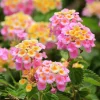
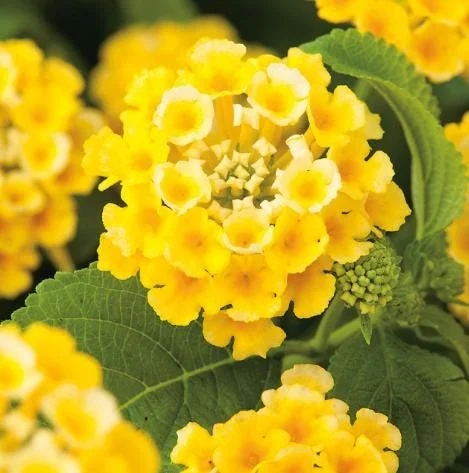
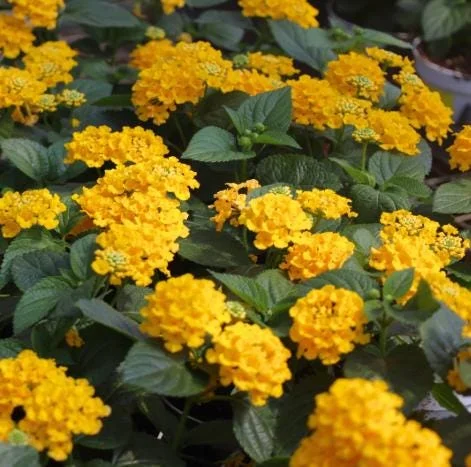
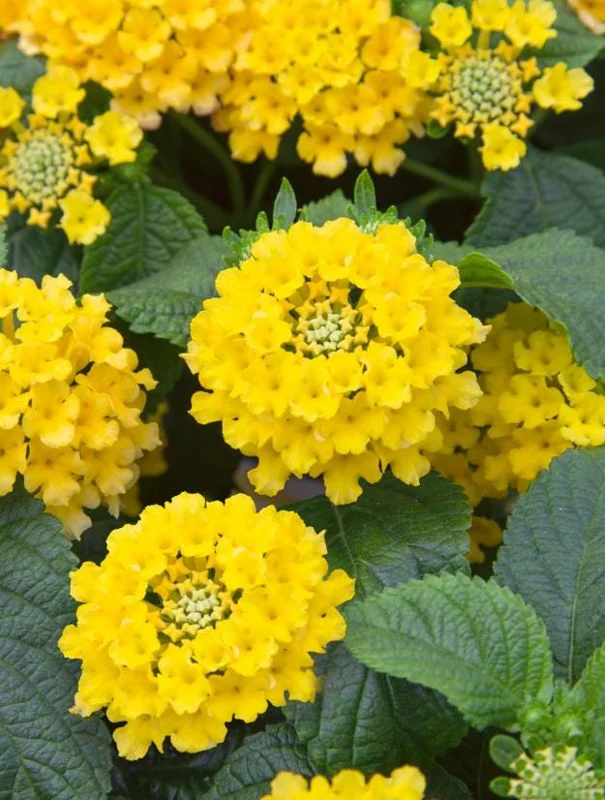
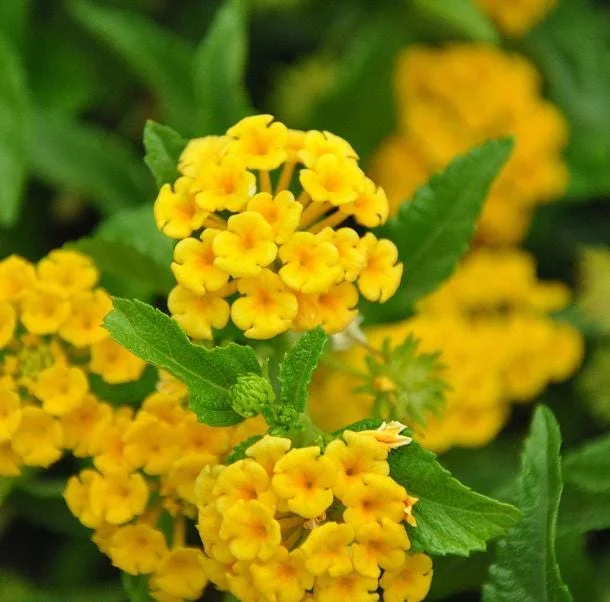
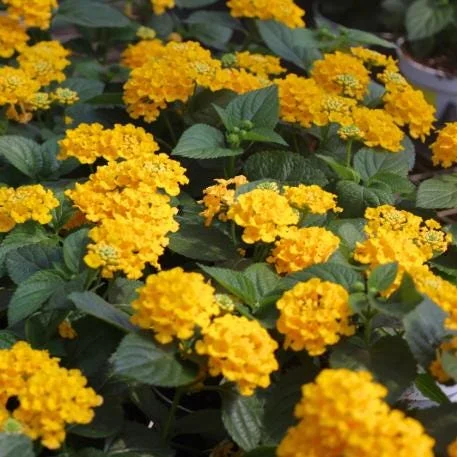
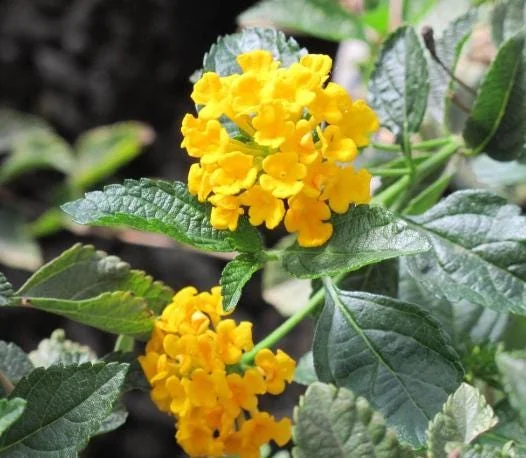
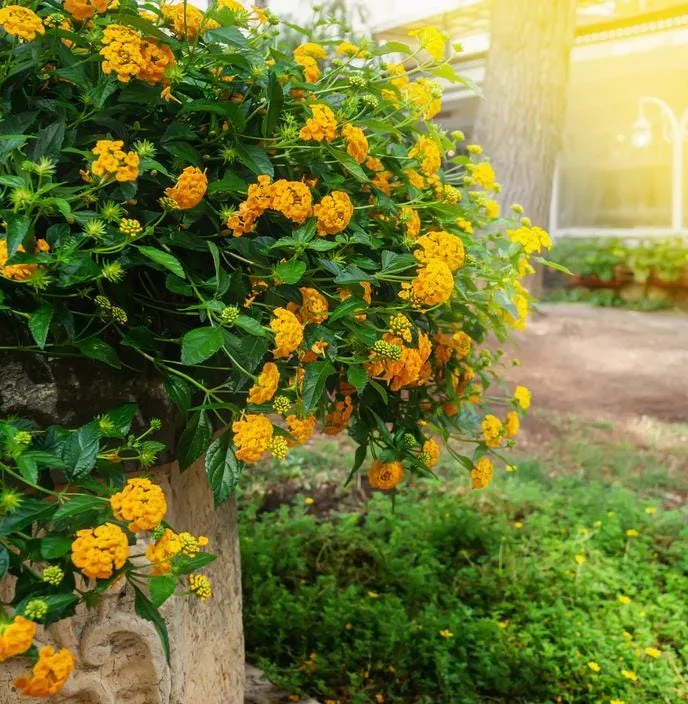
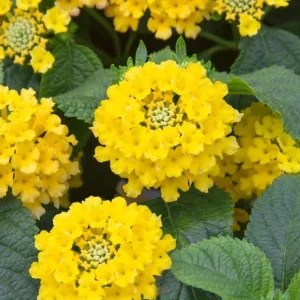
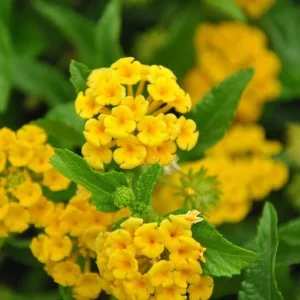
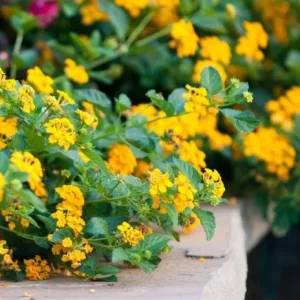
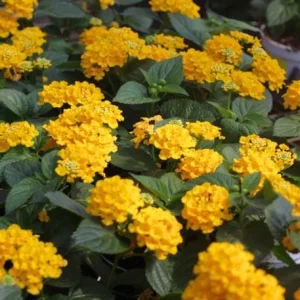
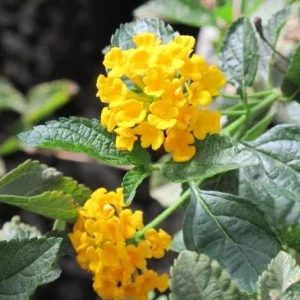
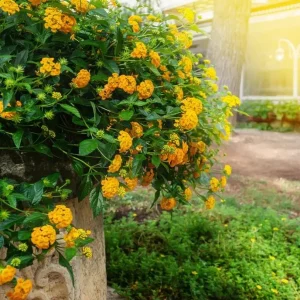
Introduce a burst of sunshine to your garden with the Lantana Trailing Yellow live plant. Known for its vigorous growth and prolific blooming, this perennial groundcover is a favorite among gardeners seeking easy-care beauty. The Trailing Yellow Lantana, scientifically known as Lantana camara, produces clusters of bright, golden-yellow flowers that attract pollinators and provide continuous color from spring through fall. Its spreading, cascading nature makes it an excellent choice for a variety of landscape applications, from spilling over containers to covering slopes. This resilient plant thrives in warm climates and is an outstanding addition to any outdoor setting.
The Lantana Trailing Yellow live plant is celebrated for its ability to withstand challenging conditions, including heat and drought, once established. Its cheerful blossoms create a dazzling display, making it a focal point in any garden design. Whether you’re looking to create vibrant borders, fill hanging baskets, or establish an attractive groundcover, this lantana variety delivers consistent, low-maintenance performance. Enjoy the constant show of golden hues and the lively activity of butterflies and hummingbirds it brings to your outdoor sanctuary. This plant is shipped as a healthy, ready-to-plant specimen, typically 4-6 inches tall, allowing for immediate integration into your garden.
Key Benefits
The Lantana Trailing Yellow live plant offers numerous advantages for both novice and experienced gardeners, providing vibrant color and easy care:
- Continuous Blooms: Enjoy an extended blooming season from spring through fall, ensuring your garden remains colorful for months. The golden-yellow flowers are incredibly showy and abundant.
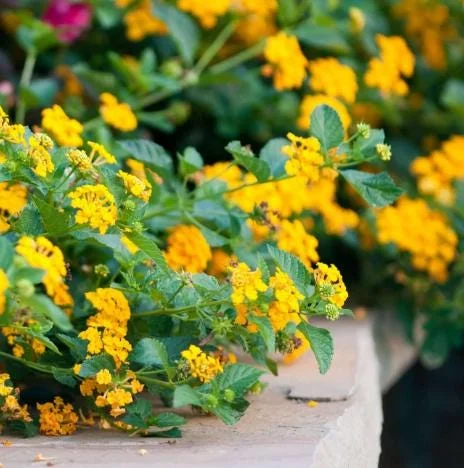
- Versatile Landscaping: Its trailing habit makes it perfect for a variety of uses, including hanging baskets, window boxes, rock gardens, borders, and as an effective groundcover on slopes.
- Drought and Heat Tolerant: Once established, this plant is remarkably resilient, requiring minimal water and thriving in full sun and high temperatures, making it ideal for hot climates.
- Attracts Pollinators: The bright flowers are a magnet for butterflies, bees, and hummingbirds, contributing to a healthy and vibrant ecosystem in your garden.
- Low Maintenance: This perennial lantana flowers with little fuss. It requires minimal pruning and is generally resistant to pests and diseases, allowing you more time to enjoy its beauty.
- Erosion Control: As a robust groundcover, it helps to stabilize soil on slopes, preventing erosion while adding aesthetic appeal.
- Deer Resistant: Lantana is known to be unappealing to deer, offering a beautiful flowering option for gardens in areas where deer are a concern.
Plant Care & Growing Tips
Caring for your Lantana Trailing Yellow live plant is straightforward, making it an excellent choice for various garden settings. This plant thrives in a location that receives at least 6 to 8 hours of direct sunlight per day; full sun is crucial for abundant flowering. In excessively hot climates, a little afternoon shade might be beneficial, but generally, the more sun it gets, the better it will perform. Ensure your plant is in a location where it can spread, as its trailing nature will allow it to cascade beautifully.
When it comes to soil, the trailing lantana care guide emphasizes well-drained conditions. Lantana prefers average, well-draining soil and can tolerate a range of soil types, including sandy or rocky soils, as long as they don’t retain too much moisture. Overwatering is a common mistake, so allow the top inch or two of soil to dry out completely between waterings. Once established, it is quite drought-tolerant. Fertilize sparingly; a balanced slow-release fertilizer in spring is usually sufficient. Deadhead spent flowers to encourage continuous blooming, though many varieties are self-cleaning. The ideal temperature range for this plant is between 65°F and 95°F, making it suitable for USDA Zones 8 to 11. In cooler zones, it can be grown as an annual or brought indoors for winter.
To ensure optimal growth and a spectacular display of yellow lantana groundcover, regular observation for common garden pests is advisable, though lantana is generally quite robust. Pruning can be done in early spring to shape the plant and remove any winter damage, encouraging bushier growth and more flowers. For those in colder regions, consider growing this as an annual or in containers that can be moved indoors before the first frost. Providing adequate air circulation also helps prevent fungal issues. With these simple care tips, your lantana will flourish, providing vibrant color and lush foliage throughout the growing season.
Size & Details
This offering is for one Lantana Trailing Yellow live plant, which will arrive healthy and ready for planting. Each plant typically measures 4 to 6 inches tall upon arrival, providing a good foundation for rapid growth. These plants are shipped without a pot, allowing for easier transplanting into your chosen garden spot or container. The compact size at shipping ensures minimal stress during transit and quick establishment in its new environment. With proper care, this plant will quickly develop its characteristic trailing habit, spreading to an impressive width, making it an excellent choice for covering larger areas or spilling over the edges of containers.
The outdoor lantana plant is a fast grower, and you can expect it to reach its mature size and full blooming potential within its first growing season. It blooms abundantly from spring through fall, offering a long period of vibrant golden-yellow flowers. The plant is suitable for USDA Zones 8 to 11, where it will behave as a perennial, returning year after year. In colder climates, it can be enjoyed as a vigorous annual. Its mature spread can range from 1 to 3 feet or more, creating a dense and colorful display. Plant it soon after arrival to ensure the best results and enjoy its beauty throughout the warmer months.
Frequently Asked Questions
- Q: How big does this Lantana Trailing Yellow live plant get? A: Upon arrival, the plant is typically 4-6 inches tall. Once established, it can spread significantly, often reaching a width of 1 to 3 feet or more, making it an excellent groundcover or container plant.
- Q: Is this an indoor or outdoor plant? A: This is primarily an outdoor lantana plant. It thrives in full sun and warm temperatures. In USDA Zones 8-11, it is a perennial; in colder zones, it is typically grown as an annual or overwintered indoors.
- Q: How much sunlight does it need? A: For optimal blooming and health, the Lantana Trailing Yellow live plant requires full sun, meaning at least 6 to 8 hours of direct sunlight per day. More sun generally leads to more abundant flowers.
- Q: Is this plant easy to care for? A: Yes, lantana is known for being a very low-maintenance plant. It’s drought-tolerant once established and generally resistant to pests and diseases, making trailing lantana care relatively simple.
- Q: What condition will it arrive in? A: Your Lantana Trailing Yellow live plant will arrive as a healthy, young plant, typically 4-6 inches tall, ready for immediate planting. It is shipped without a pot to minimize transit stress.
- Q: When is the best time to plant this lantana? A: The best time to plant is in spring after the danger of the last frost has passed, allowing the plant ample time to establish itself and bloom throughout the summer and fall.
- Q: Will it survive winter in my zone? A: This lantana is perennial in USDA Zones 8 to 11. In zones colder than 8, it will likely not survive the winter outdoors and should be treated as an annual or brought indoors before frost.
- Q: What kind of soil does it prefer? A: It prefers well-drained soil. It’s quite adaptable to various soil types, including sandy or rocky soils, as long as they do not become waterlogged. Good drainage is key.
- Q: Do these perennial lantana flowers attract pollinators? A: Absolutely! The bright golden-yellow blooms are highly attractive to butterflies, bees, and hummingbirds, making it a fantastic plant for supporting local wildlife.
- Q: Can I use it as a groundcover? A: Yes, its spreading and cascading habit makes it an excellent choice for yellow lantana groundcover, especially on slopes or in garden beds where you want vibrant, continuous color.


Reviews
There are no reviews yet.