Overview
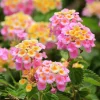
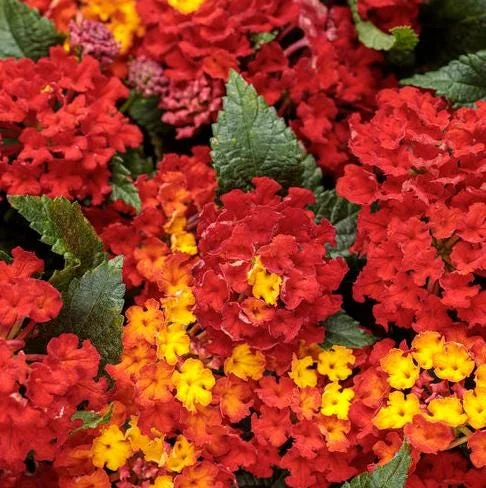
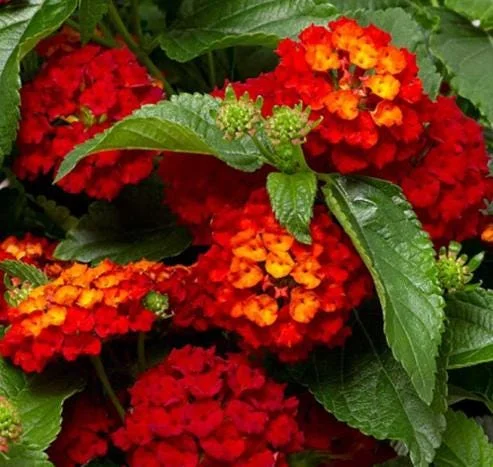
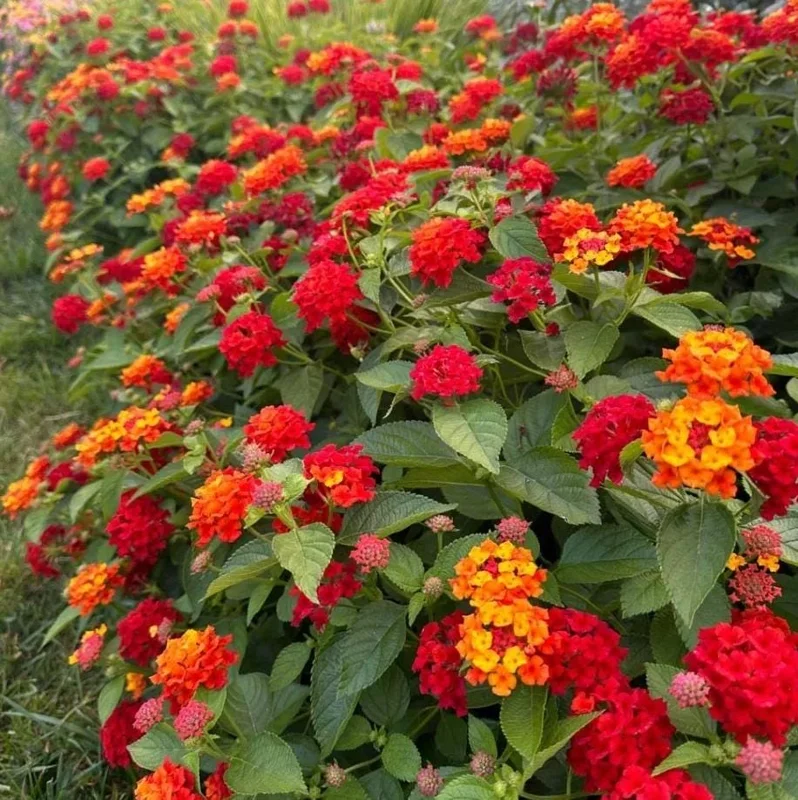
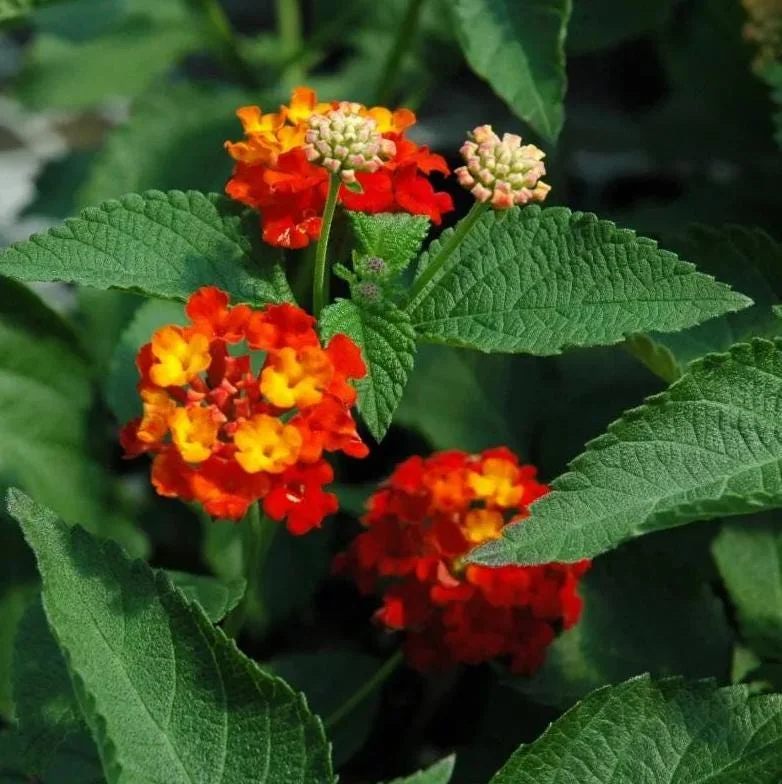
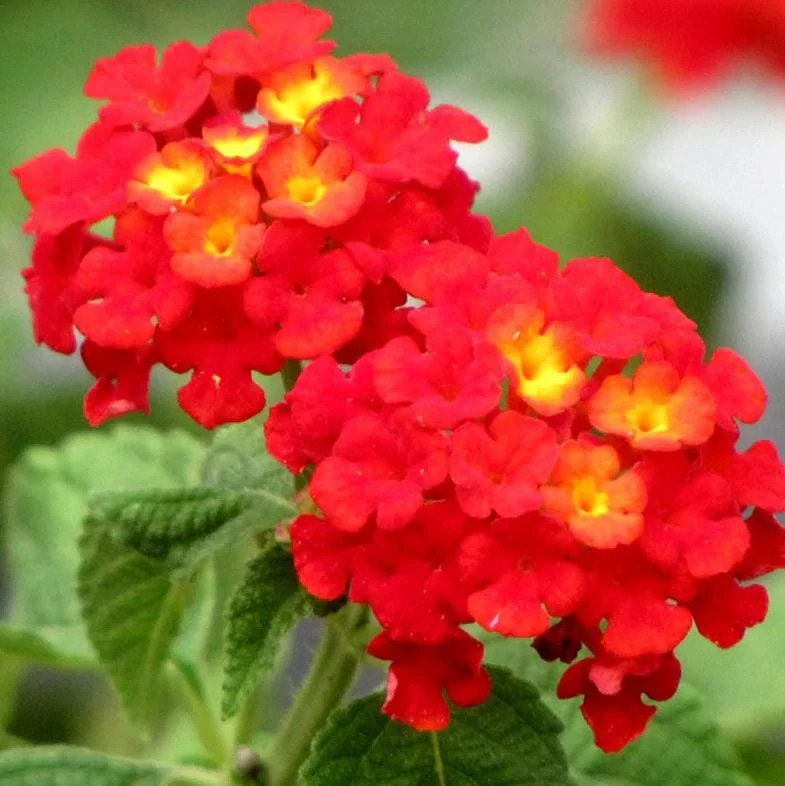
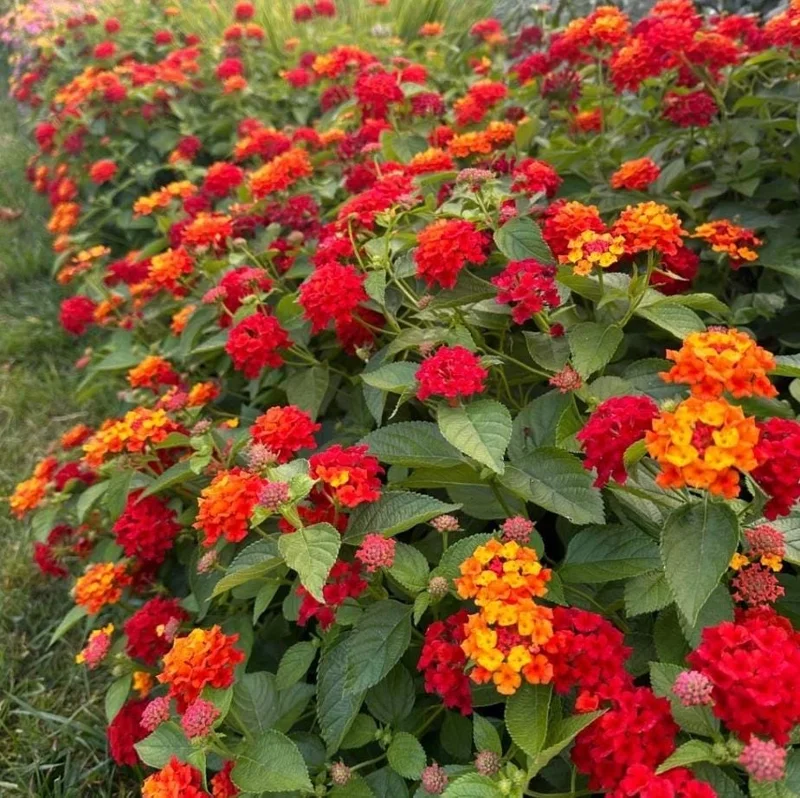
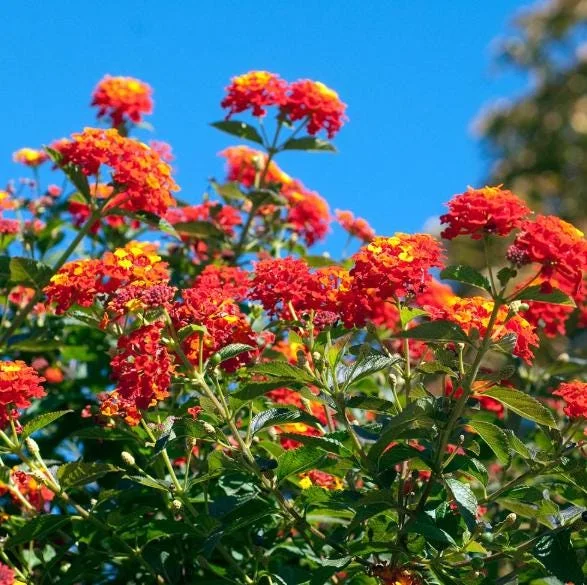
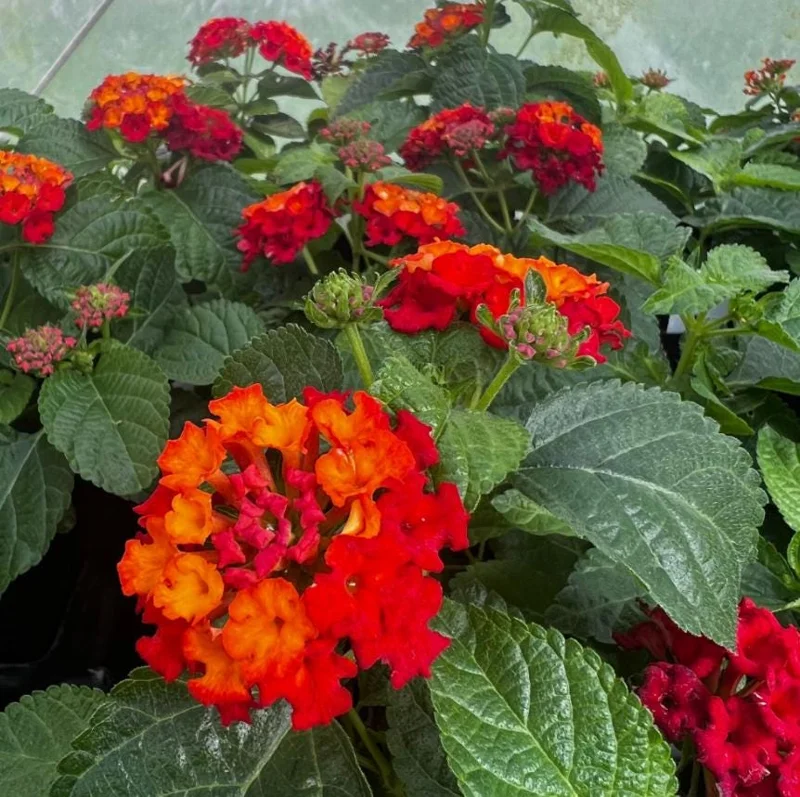
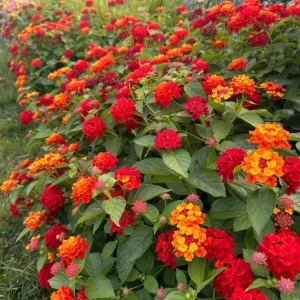
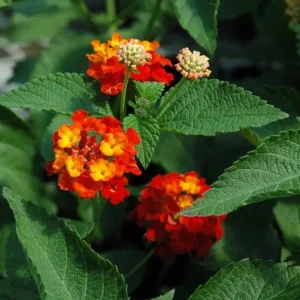
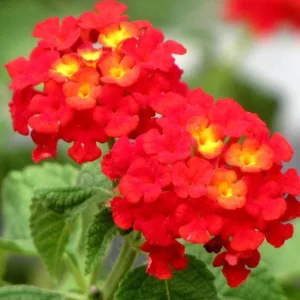
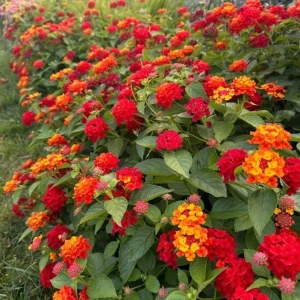
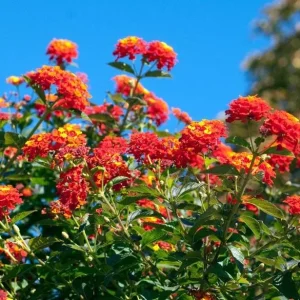
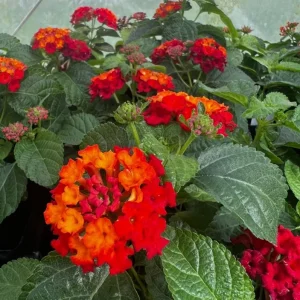
Transform your outdoor space with the spectacular red lantana live plant, a magnificent perennial flowering shrub renowned for its striking beauty and resilience. This plant is celebrated for producing abundant clusters of deep red to scarlet flowers, often infused with vibrant shades of orange or yellow, creating a captivating multicolored display that adds a fiery touch to any landscape. As a favorite among gardeners, the red lantana live plant is not just visually appealing; it’s also incredibly valuable for its extended blooming season, which typically spans from spring through fall, ensuring continuous color and life in your garden for months on end. Its robust nature makes it an excellent choice for those seeking a low-maintenance yet high-impact plant, especially in warmer climates where other plants might struggle. This hardy shrub is a true garden workhorse, providing both aesthetic charm and ecological benefits.
The botanical name for Lantana is Lantana camara, and the ‘Red’ variety specifically highlights its dominant fiery hues. This particular specimen is shipped as a live plant, typically 4-6 inches tall, ready for immediate planting in your garden. Its vigorous growth and stunning floral show make it an ideal candidate for various garden applications, from vibrant borders to charming container arrangements. The red lantana live plant is a testament to nature’s ability to combine beauty with durability, making it a must-have for both novice and experienced gardeners looking to create a dynamic and thriving outdoor environment.
Key Benefits
The red lantana live plant offers a multitude of benefits, making it an exceptional addition to any garden. Its vibrant appearance and hardy nature contribute to its widespread popularity and practical advantages.
- Vibrant, Long-Lasting Blooms: Enjoy a continuous display of fiery red to scarlet flowers from spring through fall. The unique multi-toned clusters ensure your garden remains lively and colorful for an extended period, providing consistent visual interest throughout the growing season.
- Attracts Pollinators: This plant is a magnet for beneficial garden visitors. Its nectar-rich flowers are irresistible to butterflies, bees, and hummingbirds, making it an essential component for any pollinator garden plants initiative and supporting local ecosystems.
- Exceptional Heat & Drought Tolerance: Once established, the red lantana live plant is incredibly resilient to hot temperatures and periods of drought. This makes it an ideal choice for xeriscaping or gardens in arid climates, requiring less water and maintenance than many other flowering shrubs.
- Low Maintenance: Lantana is known for its easy-care nature. It thrives with minimal intervention, making it perfect for busy gardeners or those new to plant care. Regular deadheading can encourage more blooms, but it’s not strictly necessary for its survival.
- Versatile Landscape Use: Whether you’re looking for a vibrant border plant, an attractive ground cover, or a stunning addition to containers, this lantana fits perfectly. Its bushy growth habit and continuous flowering make it suitable for a variety of garden designs and functions.
- Deer Resistant: While deer may browse some plants, lantana is generally considered deer-resistant, offering peace of mind for gardeners in areas prone to deer activity.
Plant Care & Growing Tips
Caring for your red lantana live plant is relatively straightforward, thanks to its robust and adaptable nature. To ensure optimal growth and a spectacular display of blooms, understanding its basic needs is key. Lantana thrives in full sun, requiring at least 6 to 8 hours of direct sunlight per day. This intense light exposure is crucial for encouraging abundant flowering and maintaining the plant’s compact, bushy form. In regions with extremely hot summers, some afternoon shade can be beneficial to prevent scorching, but generally, more sun equals more flowers. When it comes to watering, the red lantana live plant prefers consistently moist soil when young, but once established, it becomes highly tolerant of drought conditions, requiring low to moderate water. Always allow the top inch or two of soil to dry out between waterings to prevent root rot.
The ideal soil for lantana is well-drained. It can tolerate a variety of soil types, including sandy or rocky soils, as long as they don’t retain too much moisture. Amending heavy clay soils with organic matter can improve drainage. Fertilization is not usually a heavy requirement for lantana. A light application of a balanced, slow-release fertilizer in early spring can promote vigorous growth and blooming. Avoid over-fertilizing, as this can lead to more foliage and fewer flowers. The plant thrives in temperatures between 65°F and 95°F and is hardy in USDA Zones 8 to 11, where it will behave as a perennial. In colder zones, it can be grown as an annual or brought indoors for winter. Pruning in late winter or early spring can help maintain its shape and encourage new growth. Watch out for common pests like whiteflies or spider mites, which can usually be managed with insecticidal soap if they become an issue. Understanding lantana plant care is essential for a flourishing garden.
Size & Details
This offering is for a red lantana live plant, which typically arrives at a height of 4 to 6 inches tall, ready for planting. These young plants are shipped without a pot, meaning they are carefully packaged to ensure their roots remain moist and protected during transit, allowing for easy transplanting upon arrival. Lantana is a fast-growing shrub that, depending on its environment and care, can reach a mature height of 3 to 6 feet and spread equally wide when grown as a perennial. When used as a ground cover or in containers, its size can be more easily managed through pruning. Expect a robust blooming season from spring to fall, with the first flowers appearing relatively quickly after planting, especially when provided with ample sunlight and proper hydration. Its vigorous growth habit makes it an excellent choice for quickly filling spaces and adding significant visual impact to your garden.
Frequently Asked Questions
- Q: How big does this red lantana live plant get? A: This lantana can grow to be 3 to 6 feet tall and equally wide as a perennial shrub. Its ultimate size depends on growing conditions and whether it’s pruned.
- Q: Is this an indoor or outdoor plant? A: Lantana is primarily an outdoor plant, thriving in full sun. In USDA Zones 8-11, it’s a perennial. In colder zones, it can be grown as an annual or overwintered indoors.
- Q: How much sunlight does it need? A: This plant requires full sun, meaning at least 6 to 8 hours of direct sunlight per day, to produce the most abundant blooms.
- Q: Is this plant easy to care for? A: Yes, lantana is known for being very easy to care for, especially once established. It’s heat and drought tolerant, making it a low-maintenance choice for many gardeners. This makes lantana plant care quite simple.
- Q: What condition will it arrive in? A: Your plant will arrive 4-6 inches tall, shipped without a pot, with its roots carefully protected to ensure it’s healthy and ready for planting.
- Q: When is the best time to plant this red lantana live plant? A: The best time to plant is in spring after the last frost, allowing it ample time to establish before the heat of summer.
- Q: Will it survive winter in my zone? A: Lantana is perennial in USDA Zones 8 to 11. In colder zones, it will die back in winter but may return from the roots if mulched, or it can be grown as an annual. For those seeking heat tolerant plants, this is an excellent choice.
- Q: What type of soil does it prefer? A: It prefers well-drained soil. It can tolerate a range of soil types, but good drainage is crucial to prevent root issues.
- Q: Can this plant attract butterflies? A: Absolutely! Lantana is one of the best choices for attracting butterflies, bees, and hummingbirds, making it perfect for a pollinator garden plants scheme due to its vibrant flowers and nectar.


Reviews
There are no reviews yet.