Overview
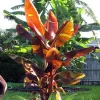
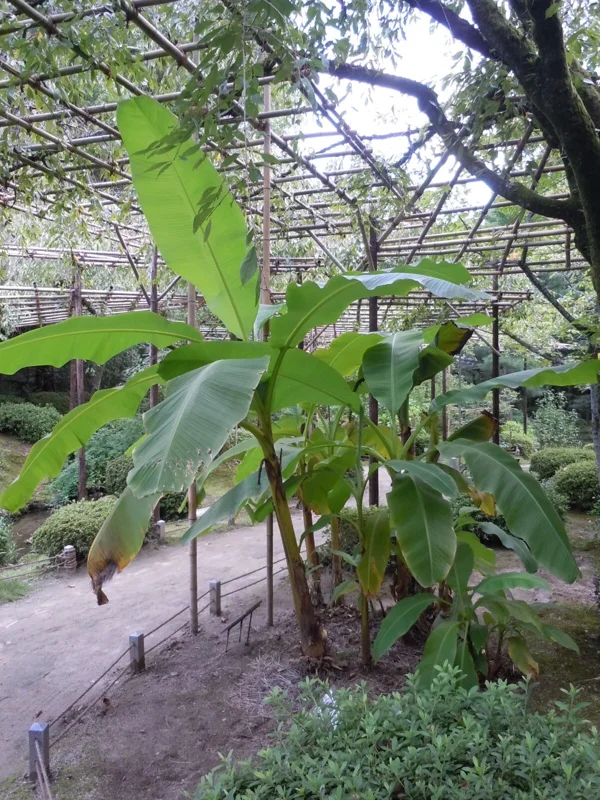
Transform your garden into a lush, tropical paradise with the addition of a Musa Basjoo banana tree. Often referred to as the Japanese fiber banana, this remarkable live plant is celebrated for its impressive size and surprisingly robust cold hardiness, tolerating temperatures as low as 10°F. Unlike many banana varieties, the Musa Basjoo is primarily grown for its ornamental value, boasting large, paddle-shaped leaves that can reach several feet in length, providing a dramatic focal point in any outdoor setting. This fast-growing specimen rapidly develops a strong root system, allowing it to return year after year even if its top growth is damaged by frost. It’s an ideal choice for gardeners in temperate climates who dream of a touch of the tropics without the constant worry of extreme winter protection. Explore the joy of growing Basjoo banana and enjoy its magnificent presence.
The Musa Basjoo, with its striking green foliage, creates an instant jungle-like atmosphere. While its bananas are not typically consumed due to their seedy texture, the plant occasionally produces attractive yellow flowers followed by small, inedible fruits, further enhancing its exotic appeal. This live plant arrives potted, ensuring a smooth transition into your garden or a large container. Its vigorous growth habit and relatively easy care make it a rewarding plant for both novice and experienced gardeners looking to cultivate an extraordinary landscape. This outdoor banana plant brings unique architectural interest.
Key Benefits
The Musa Basjoo banana tree offers a multitude of benefits that make it a standout choice for any garden. Its unique characteristics provide both aesthetic appeal and ease of cultivation, making it a favorite among plant enthusiasts. The ability of this cold hardy banana plant to withstand cooler temperatures is a significant advantage.
- Exceptional Cold Hardiness: Unlike most banana varieties, the Musa Basjoo banana tree can endure winter temperatures down to 10°F (USDA Zone 6 and above). While its leaves may die back in cold weather, the underground rhizome survives, allowing new growth to emerge vigorously in spring. This makes it a truly outdoor banana plant for many regions.
- Dramatic Tropical Foliage: Its enormous, bright green leaves, which can grow up to 6 feet long, create an instant exotic and lush aesthetic, transforming ordinary gardens into tropical retreats. This is a key reason gardeners enjoy growing Basjoo banana.
- Rapid Growth Rate: Known for being a fast grower, the Musa Basjoo quickly establishes itself and can reach impressive heights within a single growing season, providing quick impact to your landscape design.
- Low Maintenance Ornamental: Despite its exotic appearance, this plant is surprisingly low maintenance, requiring basic care once established. It’s an ideal choice for gardeners who want high visual impact without intensive upkeep.
- Architectural Interest: The upright growth habit and large leaves offer significant architectural interest, serving as a stunning focal point or an effective screen in your garden.
- Adaptable to Various Settings: While thriving in the ground, it can also be grown successfully in large containers, allowing for flexibility in garden design and placement on patios or decks.
- Pest and Disease Resistant: The Japanese fiber banana generally exhibits good resistance to most common pests and diseases, contributing to its ease of care.
Plant Care & Growing Tips
Caring for your Musa Basjoo banana tree is straightforward, especially considering its robust nature. To ensure vigorous growth and a stunning display, proper attention to its environmental needs is crucial. This cold hardy banana plant thrives with ample sunlight and consistent moisture. For best results, plant your Musa Basjoo in a location that receives at least 6-8 hours of full sun daily. While it can tolerate partial sun, more sunlight encourages faster growth and larger leaves. In hotter climates, a little afternoon shade can prevent leaf scorch. The plant prefers a rich, well-draining soil type that is high in organic matter. Amending heavy clay soils with compost or peat moss will improve drainage and fertility. A neutral soil pH is generally ideal.
Watering is key for this thirsty plant, especially during warm, dry periods. Keep the soil consistently moist but not waterlogged. Deep watering several times a week is better than frequent shallow watering. Reduce watering significantly in winter, particularly if the plant goes dormant. Fertilize regularly during the growing season (spring through summer) with a balanced, slow-release fertilizer or a liquid feed rich in nitrogen to support its rapid growth. Follow product instructions for application rates. Protect the plant’s root crown in winter by applying a thick layer of mulch, especially in colder zones where the foliage dies back. This insulation helps the rhizome survive and ensures new growth in spring, allowing you to continue growing Basjoo banana year after year.
While generally hardy, monitor your plant for any signs of common issues like spider mites in dry conditions. Proper air circulation and occasional misting can help deter these pests. If the leaves turn yellow, it could indicate overwatering, underwatering, or a nutrient deficiency. Adjust your care routine accordingly. The outdoor banana plant is typically resistant to major diseases, making it a relatively hassle-free addition to your garden.
Size & Details
This Musa Basjoo banana tree is a live plant, shipped potted and ready for cultivation. Each plant measures approximately 6 inches in height, providing a healthy starter for your garden. The plant form is a rooted tissue culture, ensuring genetic consistency and a strong beginning. While starting at a modest size, the Musa Basjoo is renowned for its incredibly fast growth rate. Under optimal conditions, it can reach mature heights of 10-15 feet in a single growing season, with an impressive spread of 8-10 feet. The broadleaf foliage contributes significantly to its tropical presence. It is typically grown as a single specimen but can form clumps over time, adding to its lush appeal. The plant is shipped with a robust root system, allowing it to quickly establish itself once planted. Expect vigorous growth during the warm seasons, with potential for mature size within 2-3 years, depending on climate and care. This Japanese fiber banana is a true garden spectacle.
Frequently Asked Questions
- Q: How big does this Musa Basjoo banana tree get? A: The Musa Basjoo banana tree is a fast grower and can reach impressive heights of 10-15 feet in a single growing season, with a spread of 8-10 feet. Its size largely depends on growing conditions and climate.
- Q: What size pot does it come in? A: This particular Musa Basjoo banana tree is a live plant measuring approximately 6 inches tall and comes potted in a suitable nursery container to ensure its health during transit and initial growth.
- Q: Is this an indoor or outdoor plant? A: The Musa Basjoo is primarily an outdoor banana plant due to its size and cold hardiness. While young plants can be kept indoors temporarily, they thrive best when planted in the ground or a very large container outdoors.
- Q: How much sunlight does it need? A: This plant requires ample sunlight. For optimal growth, provide at least 6-8 hours of direct sunlight per day. It can tolerate some partial shade, especially in very hot climates, but full sun encourages the best development for growing Basjoo banana.
- Q: Is this plant easy to care for? A: Yes, the Japanese fiber banana is considered relatively easy to care for, especially given its dramatic appearance. It mainly requires consistent watering, rich soil, and protection of its root crown in colder winters.
- Q: What condition will it arrive in? A: Your Musa Basjoo banana tree will arrive as a healthy, rooted tissue culture plant, approximately 6 inches tall, securely packaged in its nursery pot to minimize stress during shipping.
- Q: Will it survive winter in my zone? A: The Musa Basjoo is a cold hardy banana plant, able to survive temperatures down to 10°F (USDA Zone 6 and above) if its root crown is properly mulched. In colder zones, the top growth will die back, but it will regrow from the roots in spring.
- Q: What’s the best soil type for growing Basjoo banana? A: The best soil for growing Basjoo banana is rich, well-draining loam with high organic content. It thrives in neutral to slightly acidic soil conditions.
- Q: When is the best time to plant this outdoor banana plant? A: The ideal time to plant your Musa Basjoo is in spring after all danger of frost has passed, allowing it a full growing season to establish before winter.
- Q: Is this banana edible? A: While the Musa Basjoo does produce small bananas, they are typically seedy and not considered palatable for consumption. This plant is primarily grown for its ornamental value.
- Q: What is the mature height of a Musa Basjoo? A: Under optimal conditions, a mature Musa Basjoo banana tree can reach heights of 10-15 feet in a single growing season, with an impressive spread of 8-10 feet.


Reviews
There are no reviews yet.