Overview
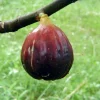
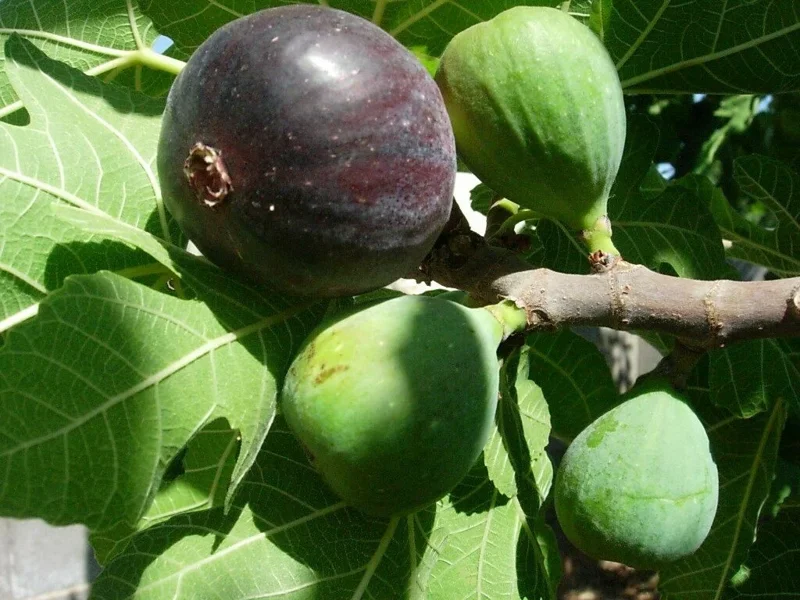
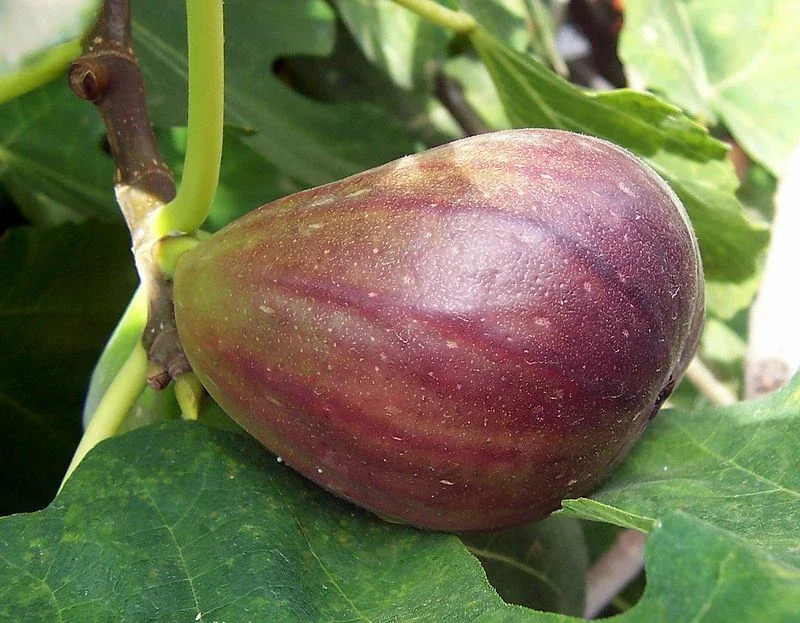
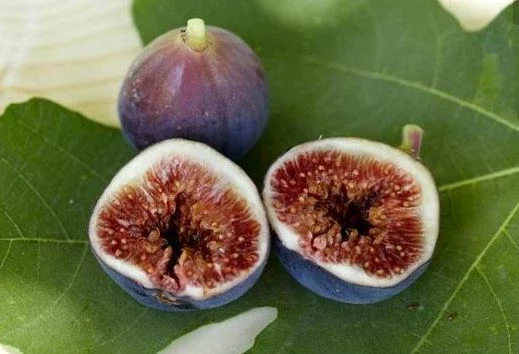
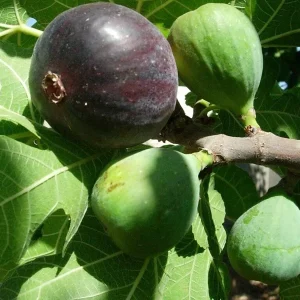
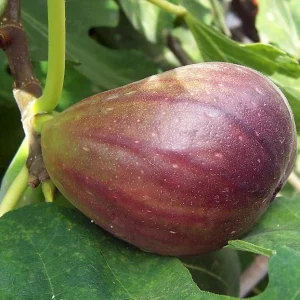
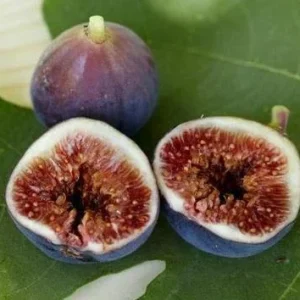
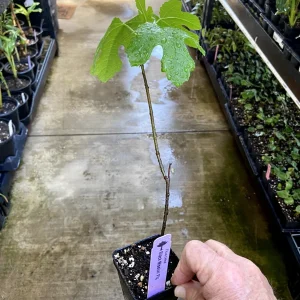
Introducing the magnificent Black Mission fig live plant, a highly sought-after variety of fruiting fig tree known for its exceptional flavor and abundant harvests. This particular cultivar, scientifically known as Ficus carica ‘Black Mission’, is a classic choice for both novice and experienced gardeners eager to grow their own delicious figs. Originating from the Mediterranean region, fig trees have been cherished for centuries, and the ‘Black Mission’ stands out with its distinctive dark purple to black skin and rich, sweet, reddish-pink flesh. This live plant offers the joy of cultivating your own fresh, organic fruit, right in your backyard or even in a large container on your patio. Enjoy the beauty of its large, lobed leaves and the promise of a bountiful harvest of succulent figs that are perfect for fresh eating, drying, or preserves. The fruiting fig tree is a resilient and adaptable plant, thriving in a variety of climates, especially those with hot summers. As a deciduous tree, it will shed its leaves in colder months, only to burst forth with new growth and fruit in the spring and summer. This makes it a fascinating addition to any garden, providing both ornamental value and a source of delectable, healthy fruit. Whether you’re looking to add a touch of Mediterranean charm to your landscape or simply desire the freshest figs imaginable, the Black Mission fig live plant is an excellent choice that promises years of enjoyment and delicious rewards.
Key Benefits
The Black Mission fig live plant offers a multitude of benefits, making it a fantastic addition to any home garden. Its ease of care and delicious yield are just a few reasons why this fruiting fig tree is so popular.
- Abundant & Delicious Fruit: This fig tree is renowned for producing two crops of figs each season: a smaller ‘breba’ crop in late spring and a larger main crop in late summer/early fall. The figs are dark, sweet, and highly flavorful, perfect for fresh consumption, drying, or making jams. Growing your own edible fig plant ensures you have access to fresh, high-quality fruit.
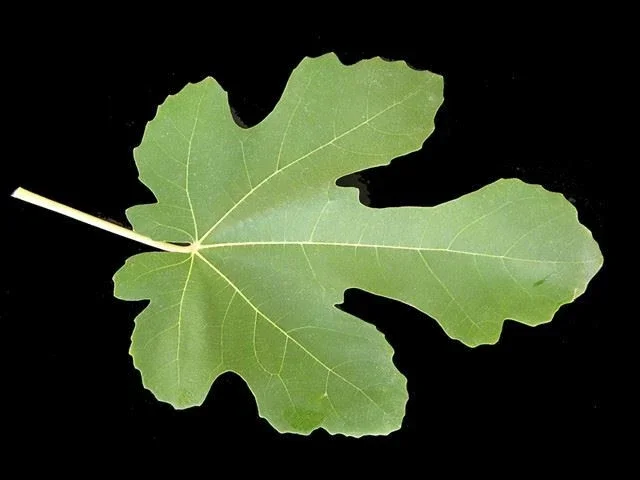
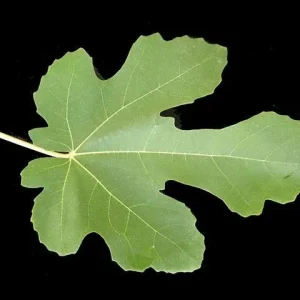
- Ornamental Value: Beyond its fruit, the ‘Black Mission’ fig tree is an attractive specimen with lush, deeply lobed green foliage that provides excellent shade and a Mediterranean aesthetic to your landscape.
- Adaptable Growth: While traditionally grown outdoors in warmer climates, this Ficus carica plant can also be successfully grown in containers, allowing gardeners in cooler zones to enjoy fresh figs by bringing the plant indoors during winter.
- Drought Tolerant: Once established, the Black Mission fig tree is relatively drought-tolerant, making it a sustainable choice for water-wise gardening.
- Deer Resistant: Its foliage is generally not preferred by deer, offering some natural protection against common garden pests.
- Low Maintenance: This robust tree requires minimal pruning and care once established, making it suitable for busy gardeners.
- Health Benefits: Figs are rich in fiber, vitamins, and minerals, offering a healthy and delicious snack straight from your garden.
Plant Care & Growing Tips
Caring for your Black Mission fig live plant is relatively straightforward, ensuring you’ll enjoy its bountiful yields for years to come. These plants thrive with proper attention to sunlight, water, and soil. For optimal growth and fruit production, select a location that receives full sun, meaning at least 6-8 hours of direct sunlight per day. While they can tolerate some partial shade, more sun generally leads to sweeter and more abundant figs. The ‘Black Mission’ fig is well-suited for a variety of climates, showing good hardiness in USDA zones 7-10. In colder regions, it’s highly recommended to grow them in large containers that can be moved indoors during winter to protect them from freezing temperatures.
When it comes to watering, newly planted fig trees require consistent moisture to establish a strong root system. Once mature, they are quite drought-tolerant but will produce better fruit with regular watering, especially during dry spells and when fruit is developing. Aim for deep watering that moistens the root zone thoroughly, allowing the top few inches of soil to dry out between waterings. The ideal soil for a fruiting fig tree is well-draining loam with a slightly acidic to neutral pH (6.0-7.0). Good drainage is crucial to prevent root rot. Amend heavy clay soils with organic matter like compost to improve aeration and drainage. Fertilize your fig tree in early spring with a balanced, all-purpose fertilizer, and again in mid-summer if needed, especially for container-grown plants. Pruning can be done in late winter while the tree is dormant to remove dead or crossing branches, shape the tree, and encourage new fruiting wood. Keep an eye out for common pests like fig rust or spider mites, and treat promptly if observed. Understanding how to grow Black Mission fig successfully will lead to a thriving and productive tree.
Size & Details
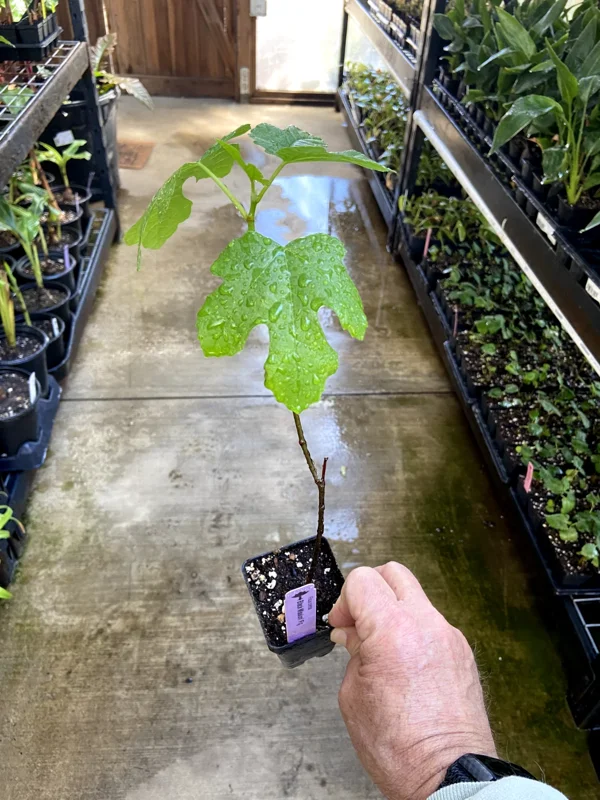
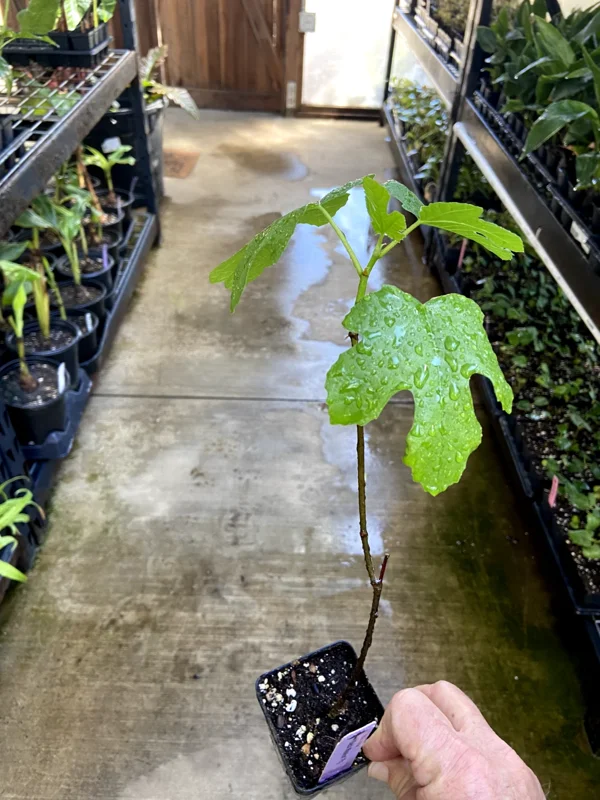
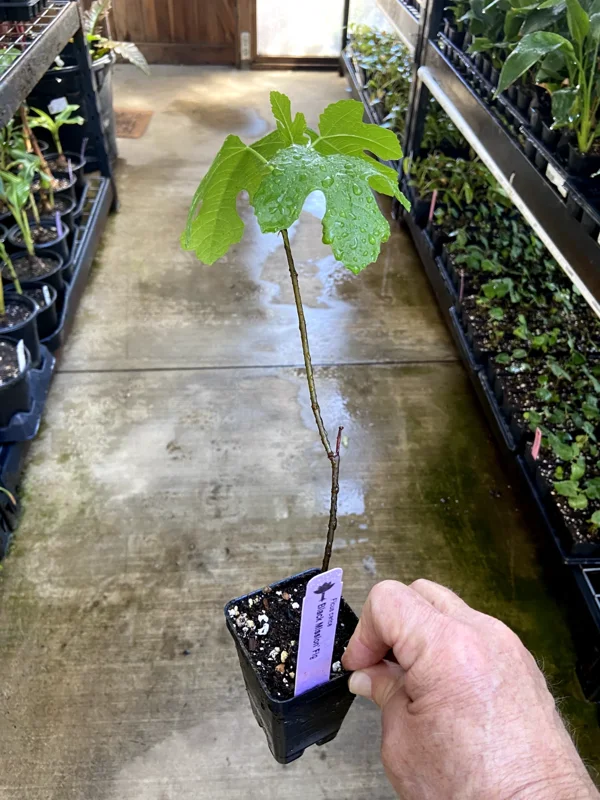
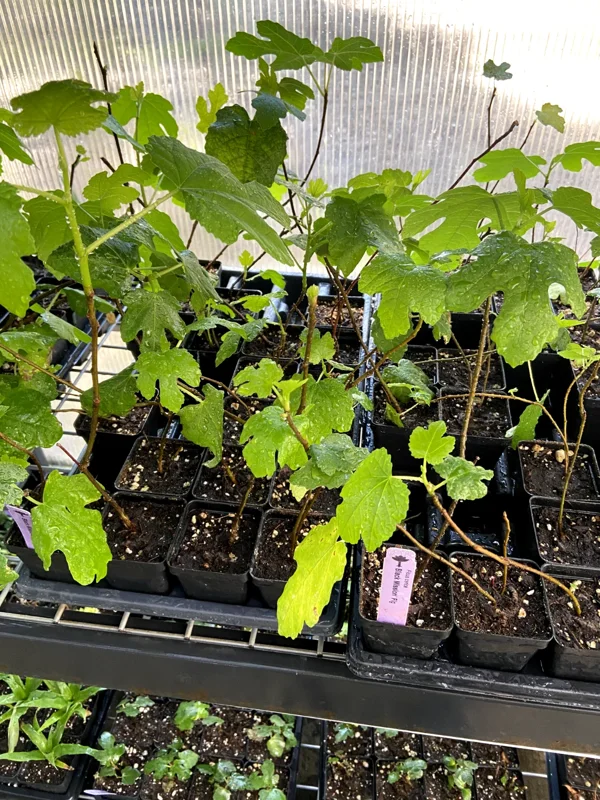
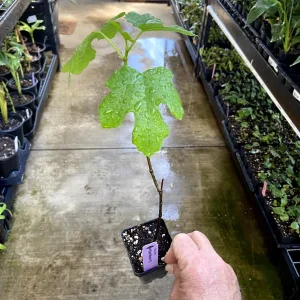
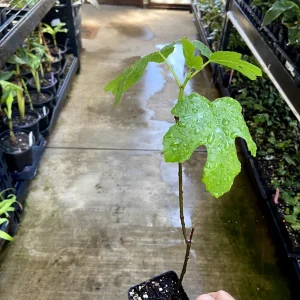
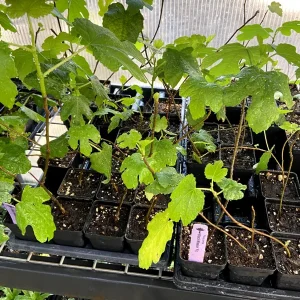
This Black Mission fig live plant is typically shipped as a young seedling or starter plant, ready to be transplanted into your garden or a larger container. The exact size will vary based on the season and nursery stock, but you can generally expect a healthy plant with a well-developed root system. When mature, a ‘Black Mission’ fig tree can reach a height of 10-30 feet and a spread of similar dimensions if grown directly in the ground, though it can be kept smaller with regular pruning. Container-grown plants will naturally remain more compact, typically reaching 6-10 feet in height, making them an excellent choice for patios or smaller spaces. This variety is known for its relatively fast growth rate, allowing you to enjoy fresh fruit sooner than many other fruit trees. The plant is deciduous, meaning it will lose its leaves in the fall and winter, entering a dormant state before re-emerging with new growth in spring. Expect fruit production to begin within 1-2 years after planting, with increasing yields as the tree matures. This growing Black Mission fig will be a rewarding addition to your edible landscape.
Frequently Asked Questions
- Q: How big does this Black Mission fig live plant get? A: If planted in the ground, a mature Black Mission fig tree can reach 10-30 feet tall and wide. If grown in a container, it can be maintained at a more manageable 6-10 feet with proper pruning.
- Q: Is this an indoor or outdoor plant? A: The Black Mission fig is primarily an outdoor fruiting tree. However, it can be grown in large containers and brought indoors during winter in colder climates (USDA zones below 7) to protect it from frost.
- Q: How much sunlight does a fruiting fig tree need? A: For optimal growth and fruit production, Black Mission fig trees require at least 6-8 hours of direct full sun per day. More sunlight generally results in sweeter and more abundant fruit.
- Q: Is this plant easy to care for? A: Yes, once established, the Black Mission fig tree is considered relatively low-maintenance. It’s quite adaptable and resilient, making it a good choice for gardeners of various experience levels.
- Q: What condition will the Ficus carica plant arrive in? A: Your plant will arrive as a healthy seedling or starter plant, carefully packaged to ensure its safe journey. It will be ready for immediate planting or potting upon arrival.
- Q: When is the best time to plant a Black Mission fig tree? A: The best time to plant a Black Mission fig tree is in the spring after the last frost, allowing it ample time to establish before the heat of summer or the cold of winter.
- Q: What USDA zones are suitable for growing edible fig plant? A: Black Mission fig trees are hardy in USDA zones 7-10. In zones below 7, they should be grown in containers and protected indoors during winter.
- Q: Can I grow this fig tree in a pot? A: Absolutely! The Black Mission fig adapts very well to container growing, which is an excellent option for those with limited garden space or who live in colder climates. Ensure the pot is large with good drainage.
- Q: How often should I water my fig tree? A: Water regularly after planting to establish. Once mature, water deeply when the top few inches of soil are dry, especially during dry periods and fruit development. Container plants may need more frequent watering.
- Q: Is the Black Mission fig self-pollinating? A: Yes, the Black Mission fig is a common fig (Ficus carica) and is parthenocarpic, meaning it does not require pollination from another fig tree to produce fruit. It is self-fertile.


Reviews
There are no reviews yet.