
Overview
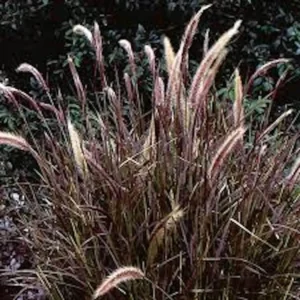
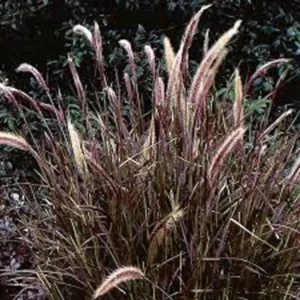
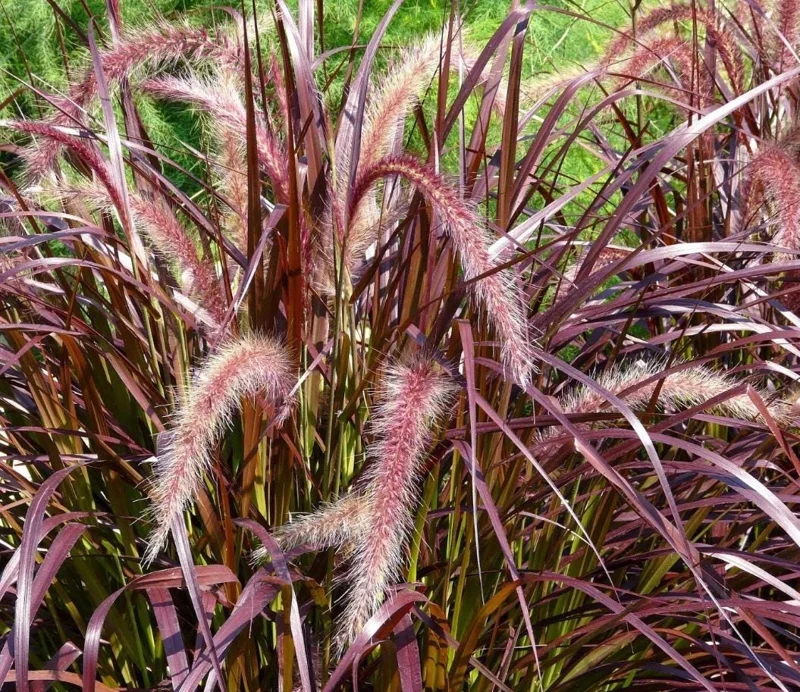
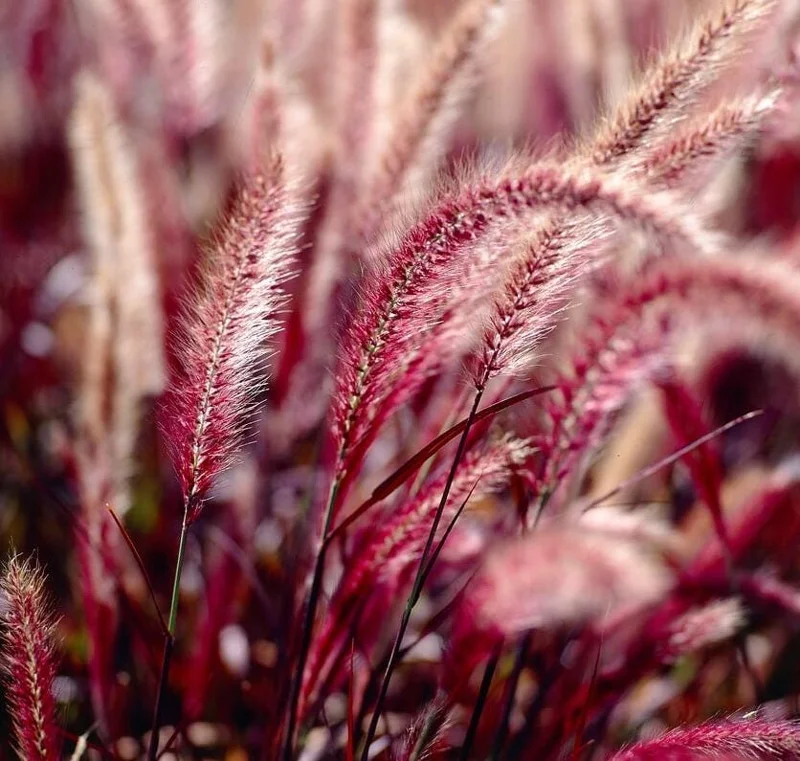
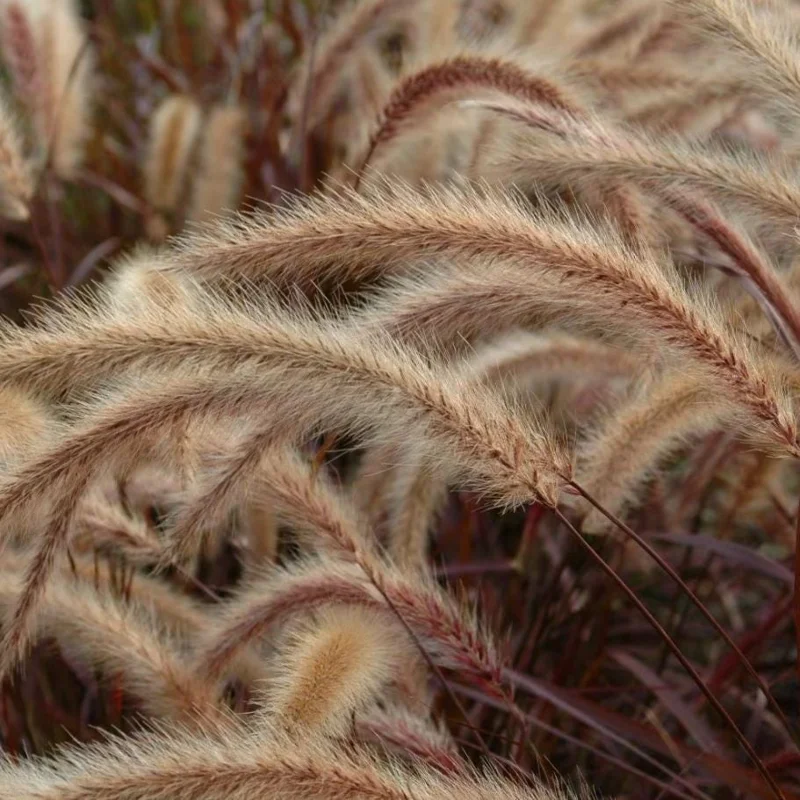
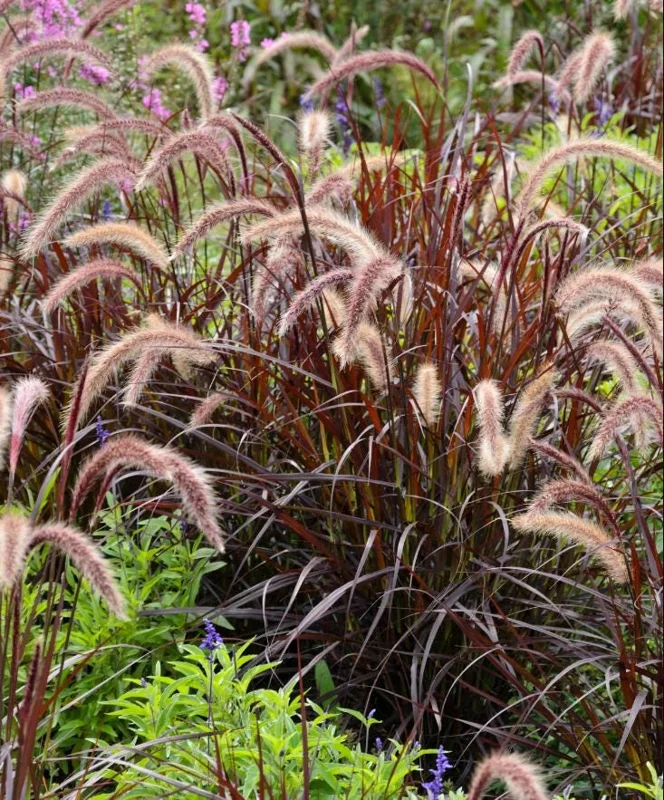
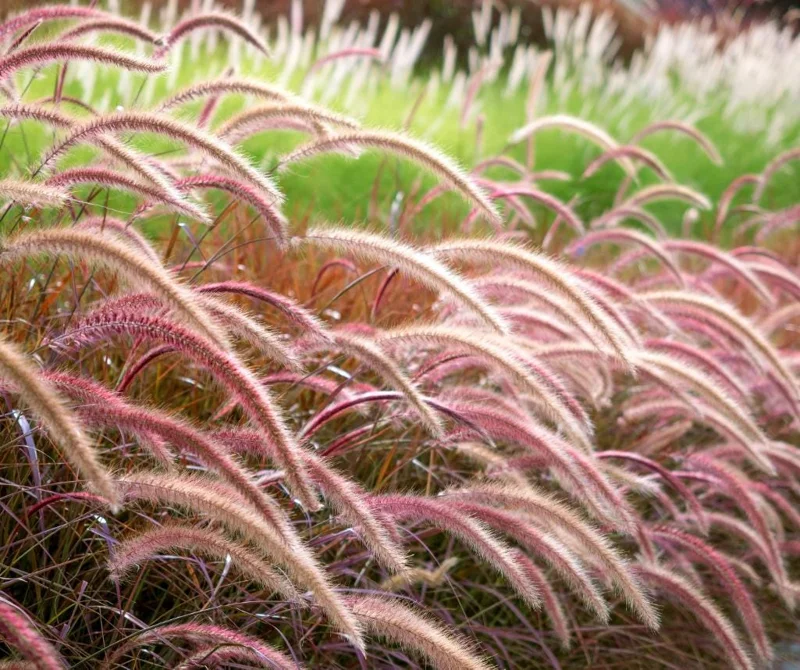
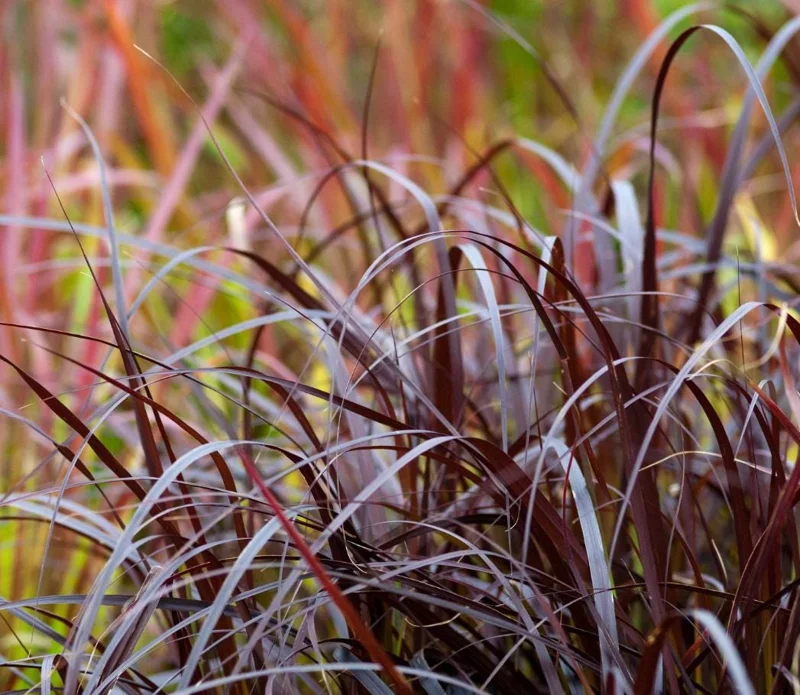
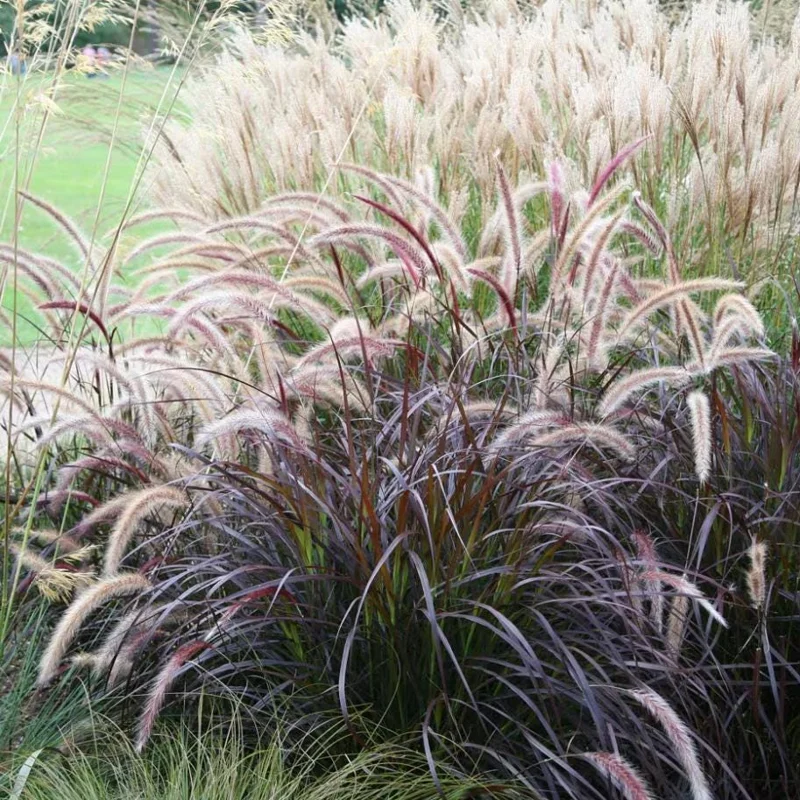
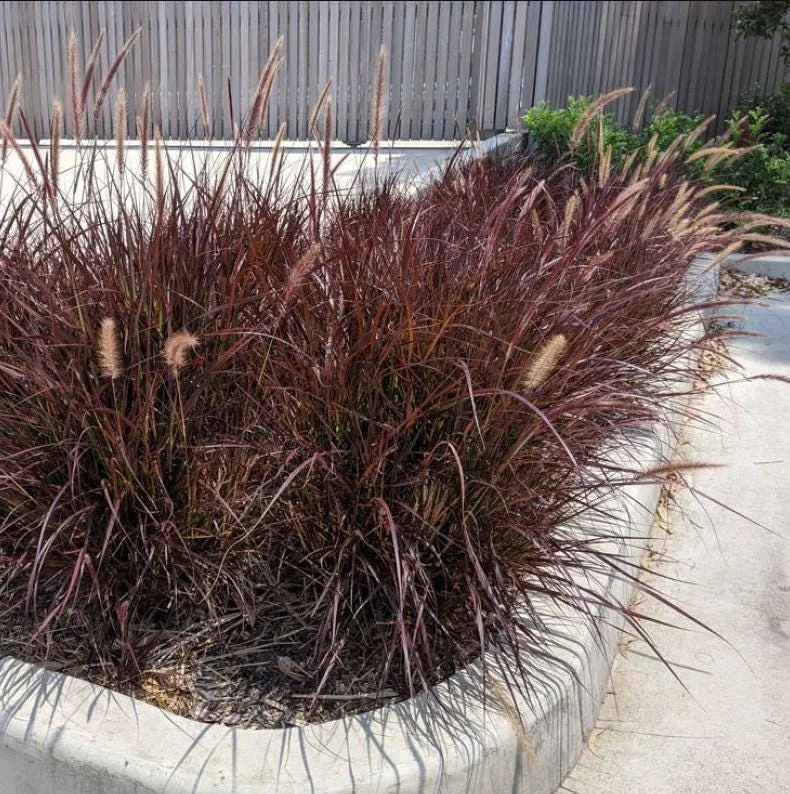
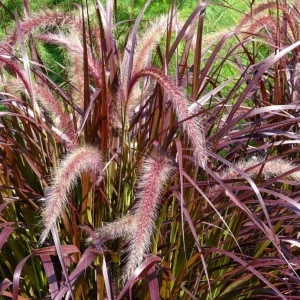
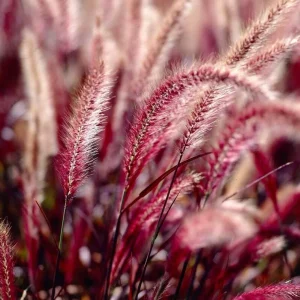
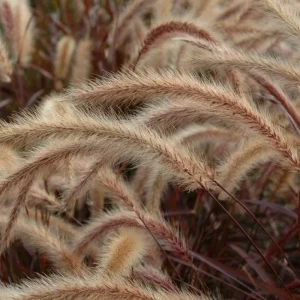
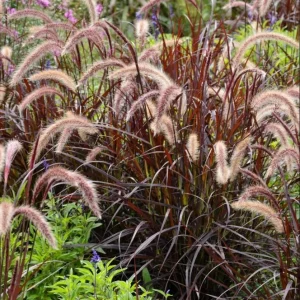
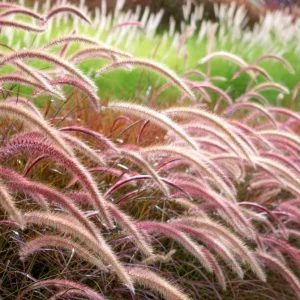
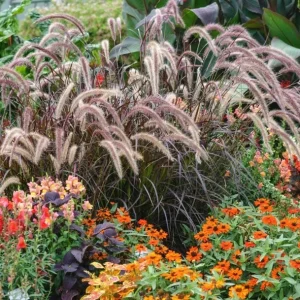
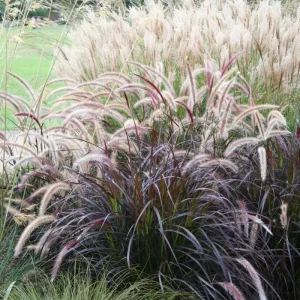
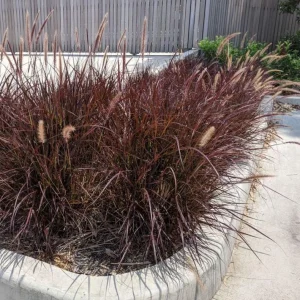
Introduce a touch of dramatic elegance to your garden with the purple fountain grass live plant. This stunning ornamental grass, scientifically known as Pennisetum x advena ‘Rubrum’ (often referred to as Pennisetum Setaceum Rubrum), is celebrated for its distinctive arching form, rich burgundy leaves, and soft, purplish-pink flower spikes that emerge from summer through fall. As a fast-growing and relatively low-maintenance perennial in warmer climates, or a striking annual in cooler regions, it quickly establishes itself to provide continuous visual interest. Whether you’re designing a new garden bed, seeking a vibrant container plant, or aiming to add texture to your existing landscape, this plant offers exceptional beauty and resilience. Its graceful movement and captivating color make it a favorite among gardeners looking for a statement piece.
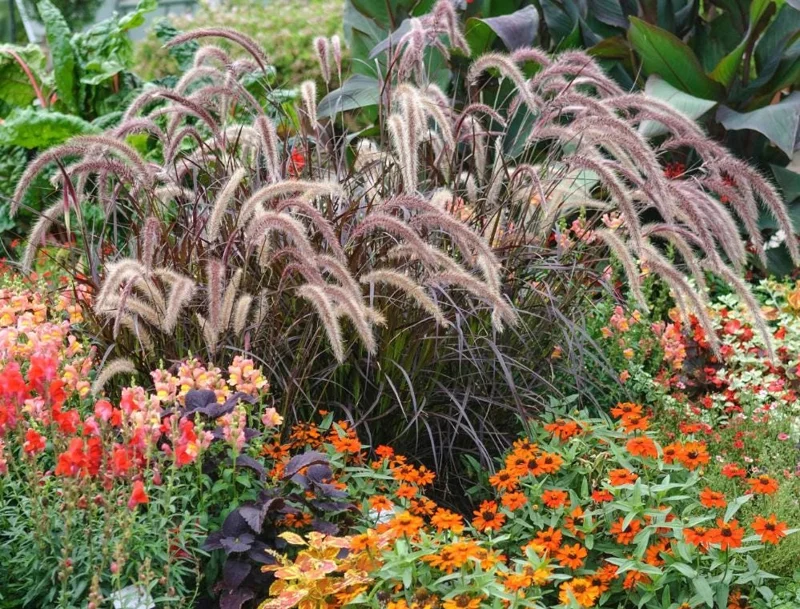
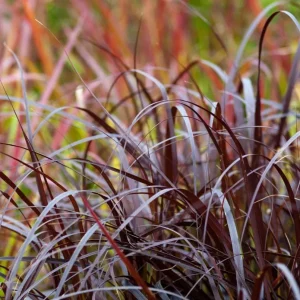
Our starter plants are well-rooted and ready to thrive in your garden, offering a head start on creating a lush, dynamic outdoor space. The rich garnet hues of its foliage provide a beautiful contrast against other greens, blues, and yellows in your planting scheme. This ornamental grass perennial maintains its shape and color throughout the summer, with blooms lasting from June until the first frost, ensuring long-lasting appeal. It’s an excellent choice for those who appreciate easy-to-grow yet impactful garden elements.
Key Benefits
The purple fountain grass live plant offers a multitude of benefits for any garden, combining aesthetic appeal with practical hardiness. Its versatility and striking appearance make it a top choice for both novice and experienced gardeners.
- Stunning Visual Appeal: Features dramatic burgundy foliage and elegant, arching purplish flower spikes that add texture and movement to your garden. The rich coloration provides excellent contrast in mixed beds and containers, making it a focal point.
- Fast Growth Rate: This grass grows quickly, allowing you to achieve a mature, lush look in a single growing season. It rapidly fills in spaces, creating an instant impact in your landscape design.
- Low Maintenance: Once established, Pennisetum Setaceum Rubrum is relatively easy to care for. It tolerates various soil conditions and becomes quite self-sufficient, requiring minimal intervention to flourish.
- Drought Tolerance: Considered a drought tolerant grass, it can withstand periods of dry weather once it has established a strong root system, making it suitable for water-wise gardens.
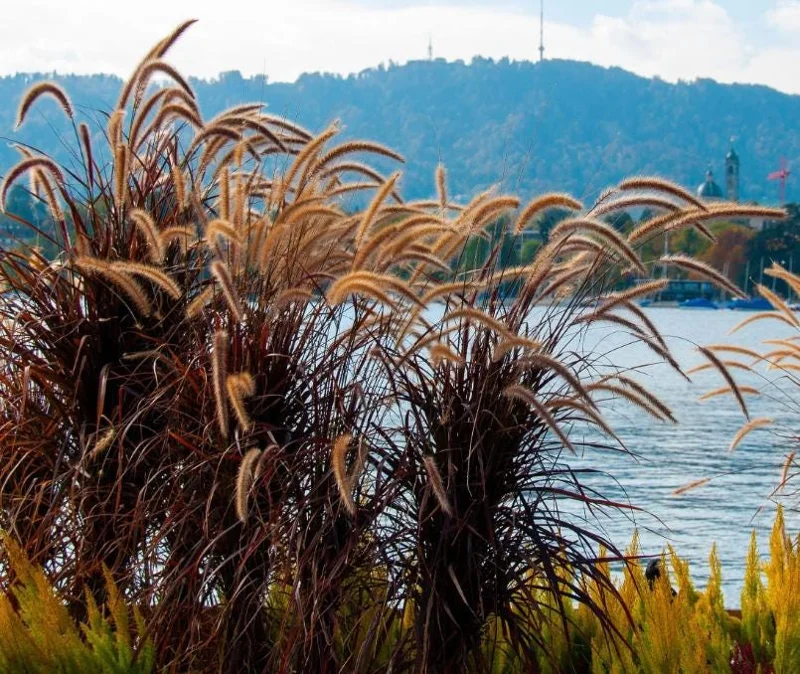
- Versatile Landscaping Use: Perfect as a specimen plant, in sweeping masses, as a filler in perennial beds, or in decorative urns. Its adaptability allows for creative planting options in diverse garden settings.
- Hardy & Resilient: This hardy grass seedling can be grown as a perennial in USDA Zones 9-11 and as an annual elsewhere, showing good cold tolerance down to about 20 degrees Fahrenheit when established.
- Season-Long Interest: Maintains its vibrant color and blooms from early summer until frost, providing continuous beauty throughout the growing season.
Plant Care & Growing Tips
Caring for your purple fountain grass live plant is straightforward, ensuring a beautiful and thriving addition to your garden. This ornamental grass is quite adaptable, but providing optimal conditions will maximize its growth and vibrant color. For best results, plant in the spring once the danger of frost has passed.
Sunlight Requirements: Purple fountain grass thrives in full sunlight, which means at least six hours of direct sun per day. While it can tolerate some light shade, its foliage color and flowering will be most vibrant and abundant in full sun. Place it in a location where it can soak up plenty of rays.
Watering: This drought tolerant grass should be watered consistently as it’s getting established in your landscape. Once mature, it is quite resilient and can handle drier conditions, though regular watering during prolonged dry spells will promote healthier growth and more prolific blooms. Ensure the soil is well-draining to prevent root rot.
Soil Type: Luckily, purple fountain grass isn’t too picky about its soil conditions. It prefers well-draining soil but can adapt to a range of soil types, including sandy, loamy, and clay soils. Amending heavy clay soils with organic matter can improve drainage. A pH between 6.0 and 8.0 is ideal.
Temperature & Hardiness: This plant is cold weather hardy down to about 20 degrees Fahrenheit. In USDA Zones 9-11, it can be grown as a perennial. In colder zones, it is typically grown as an annual. If grown as a perennial, cut back the foliage in early spring each year to encourage new growth. The hardy grass seedling is quite robust once settled.
Fertilization: Pennisetum Setaceum Rubrum generally doesn’t require heavy feeding. A balanced, slow-release fertilizer applied in the spring can encourage vigorous growth, especially if your soil is poor. Avoid over-fertilizing, as this can lead to excessive foliage growth at the expense of flowering.
Pest and Disease: Purple fountain grass is generally pest and disease resistant. Keep an eye out for common garden pests, but severe infestations are rare. Good air circulation and proper watering practices will help prevent most issues.
Size & Details
You will receive a purple fountain grass live plant that is a starter size, typically measuring 5-9 inches tall at the time of shipment. These are well-rooted plants, ensuring a strong foundation for growth in your garden. The plants are shipped without a pot to minimize shipping costs and environmental impact, and should be planted upon arrival. Expect this ornamental grass to grow quickly once established, reaching a mature height of 2-5 feet with a similar spread, depending on climate and growing conditions. Its fast growth rate means you won’t have to wait long to enjoy its full beauty. This particular variety, Pennisetum Setaceum Rubrum, is known for its relatively compact yet impactful growth habit, making it suitable for various garden sizes and designs. The vibrant burgundy leaves and purplish flower spikes will emerge throughout the summer and fall, providing continuous color and texture.
Frequently Asked Questions
- Q: How big does this purple fountain grass live plant get? A: Once mature, purple fountain grass typically reaches a height of 2-5 feet tall with a similar spread, depending on growing conditions and whether it’s grown as a perennial or annual. Our starter plants are 5-9 inches tall upon arrival.
- Q: Is this an indoor or outdoor plant? A: This is primarily an outdoor ornamental grass. While it can be grown in containers, it thrives best in garden beds with ample sunlight and space. It’s often used in landscaping for its dramatic effect.
- Q: How much sunlight does purple fountain grass need? A: Purple fountain grass prefers full sun, meaning at least 6 hours of direct sunlight per day. It can tolerate some light shade, but full sun will result in the most vibrant foliage color and abundant flowering.
- Q: Is this plant easy to care for, especially for beginners? A: Yes, purple fountain grass is considered an easy-to-grow plant, making it suitable for gardeners of all experience levels. It’s relatively low-maintenance once established and tolerant of various conditions.
- Q: What condition will the hardy grass seedling arrive in? A: You will receive a well-rooted starter plant, 5-9 inches tall, shipped without a pot. It will be carefully packaged to ensure it arrives healthy and ready for planting.
- Q: When is the best time to plant this ornamental grass perennial? A: The best time to plant purple fountain grass live plant is in the spring after the last frost. This allows the plant ample time to establish its root system before the heat of summer or the cold of winter.
- Q: Will this drought tolerant grass survive winter in my zone? A: Purple fountain grass is perennial in USDA Zones 9-11, where it can tolerate temperatures down to about 20 degrees Fahrenheit. In colder zones, it is typically grown as an annual and will need to be replanted each spring.
- Q: Can I grow Pennisetum Setaceum Rubrum in a container? A: Absolutely! Pennisetum Setaceum Rubrum looks fantastic in decorative urns and large containers, where its arching form and rich color can be highlighted. Ensure the container has good drainage.
- Q: How often should I water my newly planted purple fountain grass? A: For newly planted purple fountain grass live plant, water consistently to keep the soil moist but not waterlogged, until it is well-established. Once established, it is quite drought-tolerant and will require less frequent watering.
- Q: Does this grass attract pollinators or wildlife? A: While primarily grown for its ornamental foliage and plumes, the feathery flower spikes can provide some interest to small birds and beneficial insects, though it’s not a primary pollinator plant.


Reviews
There are no reviews yet.