Overview
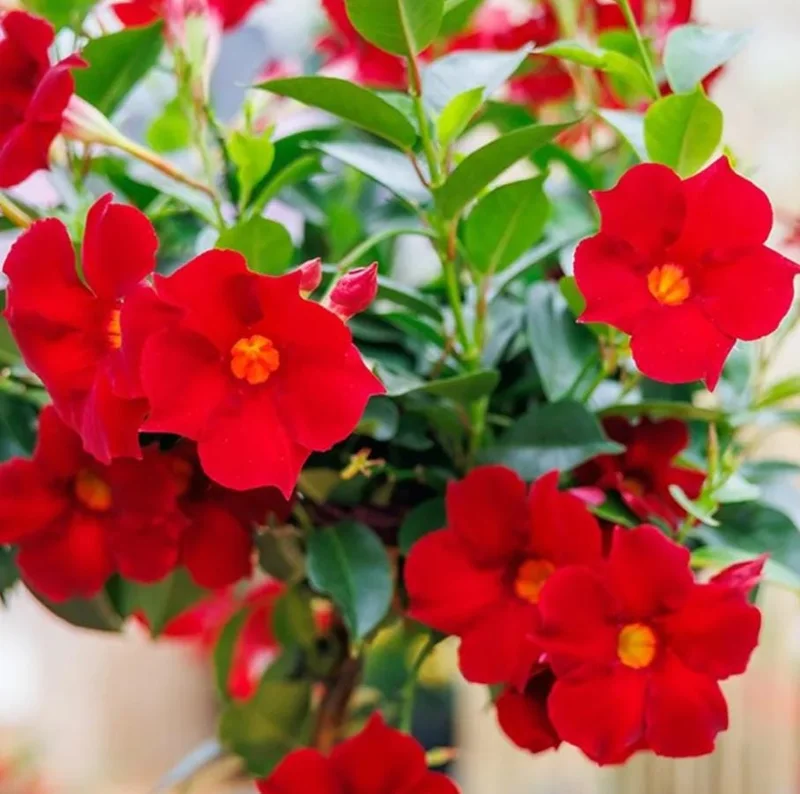
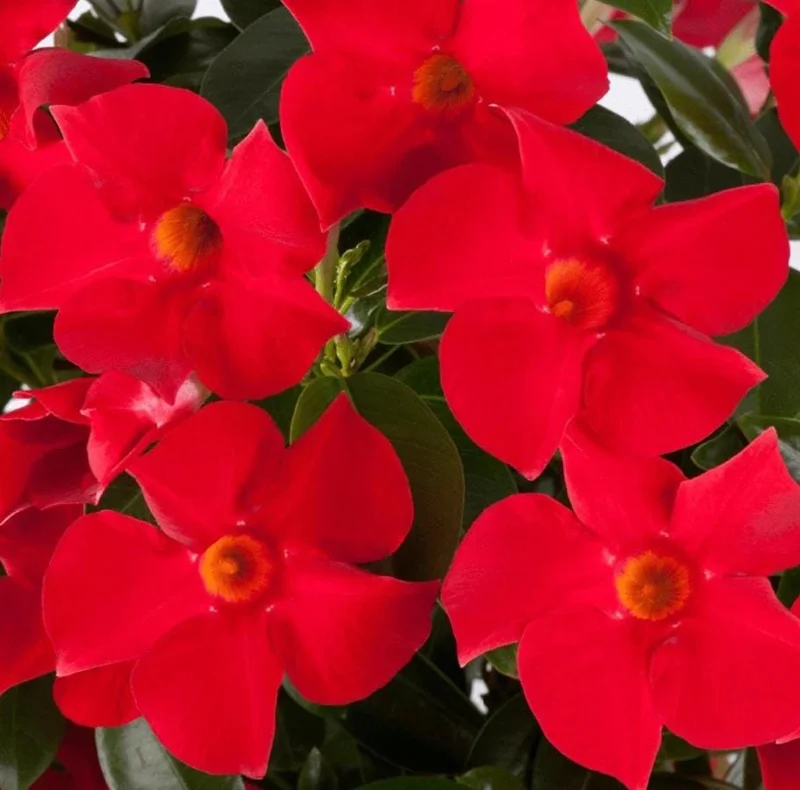
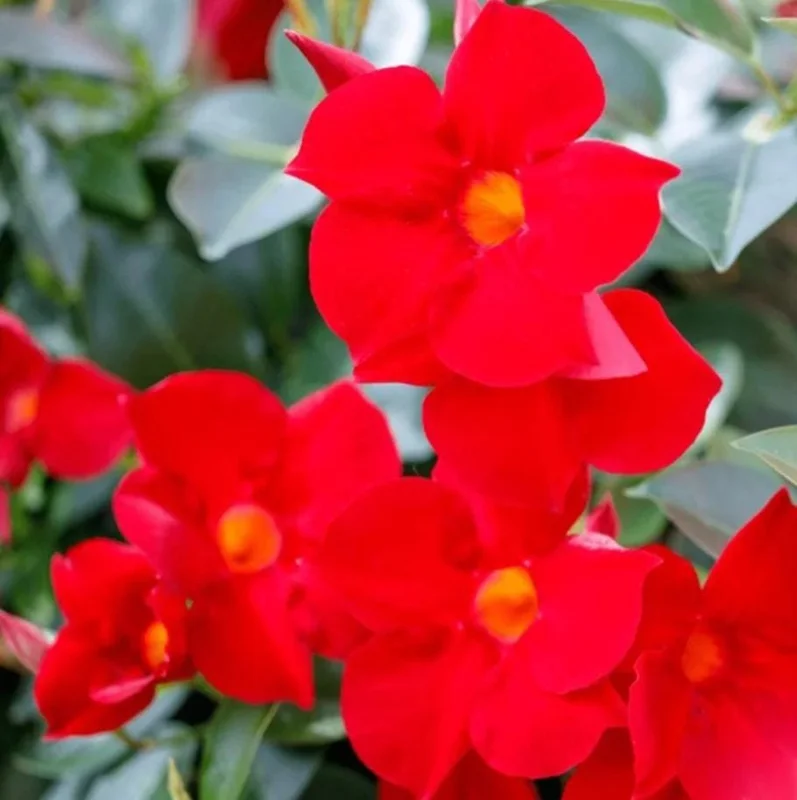
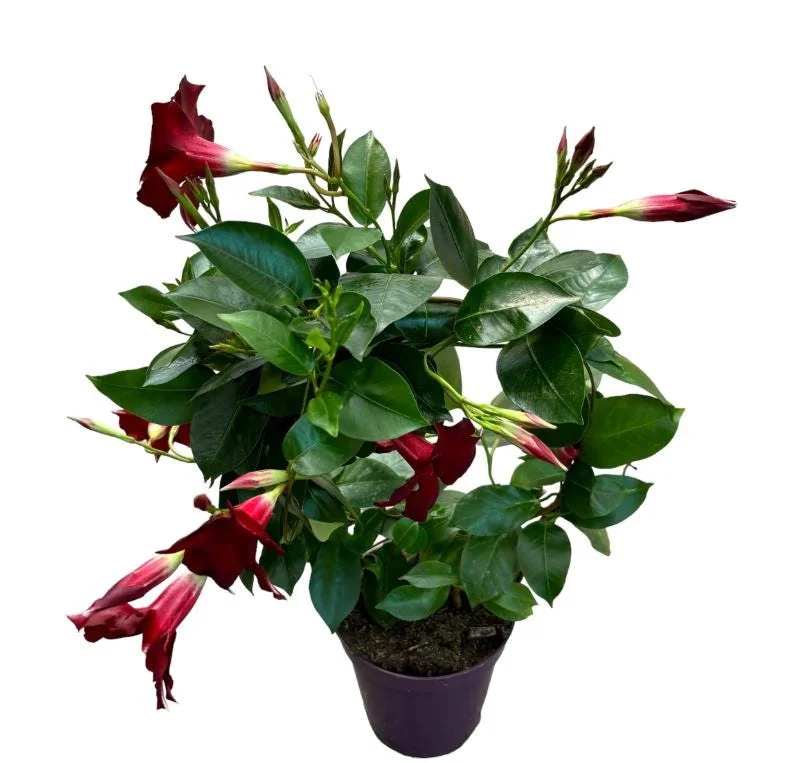
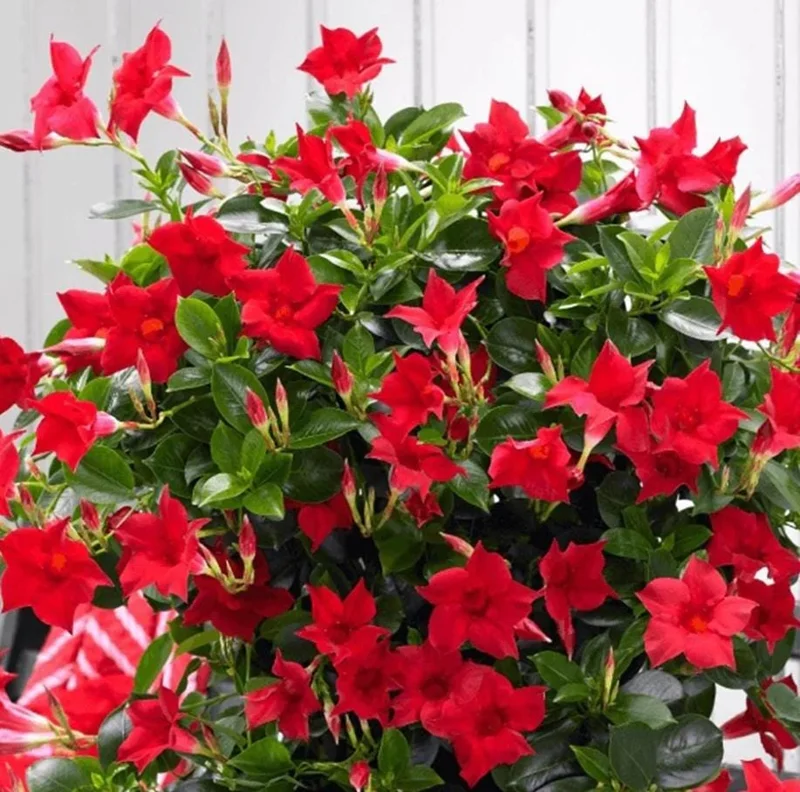
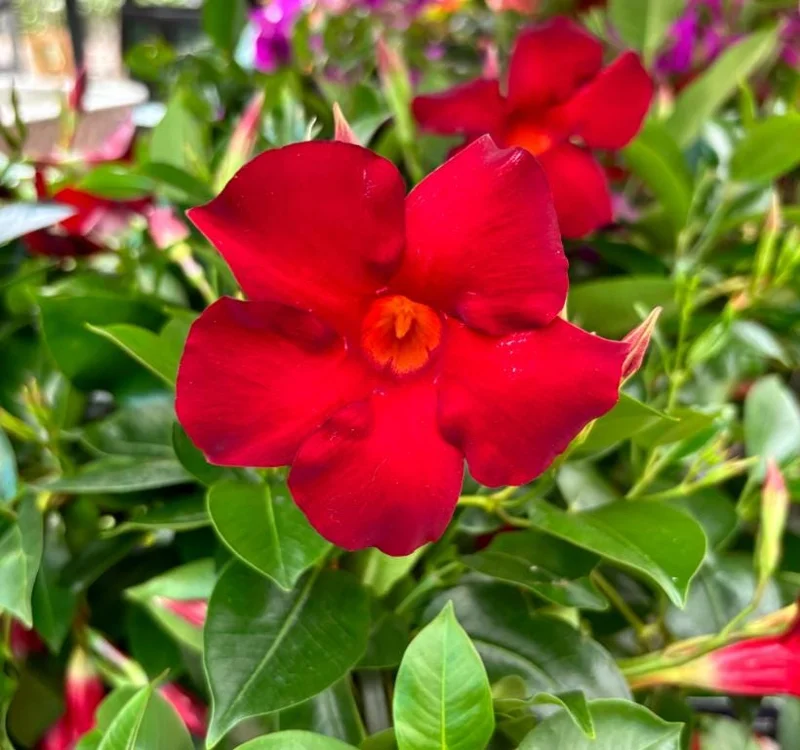
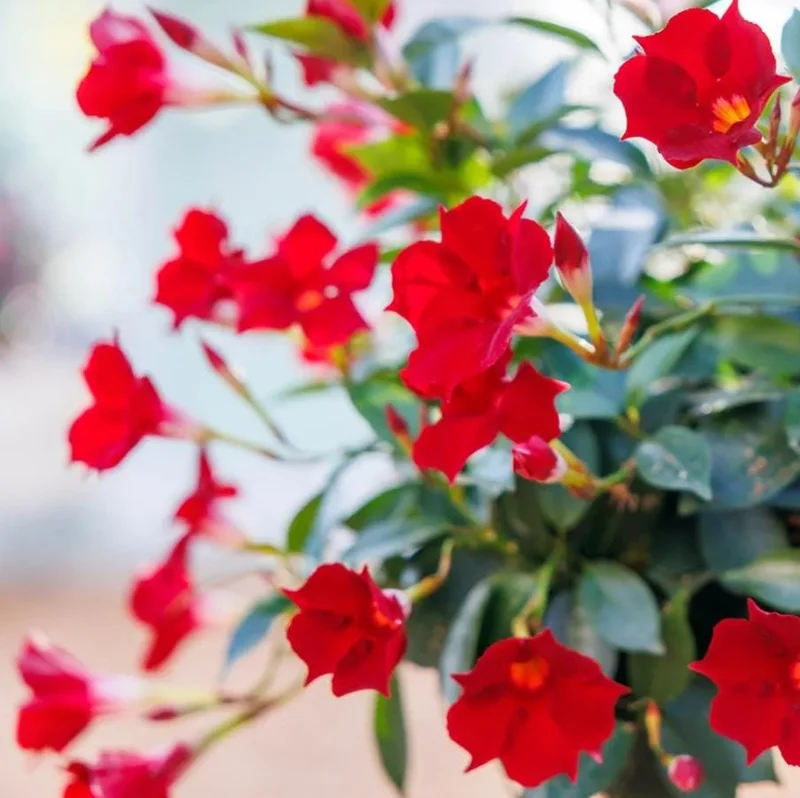
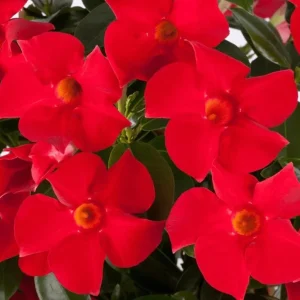
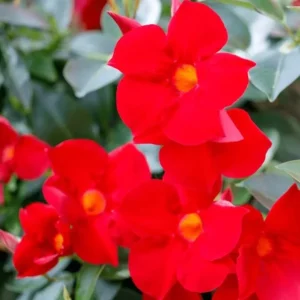
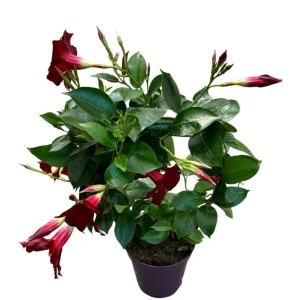
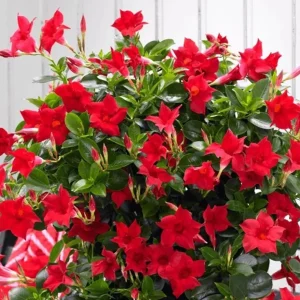
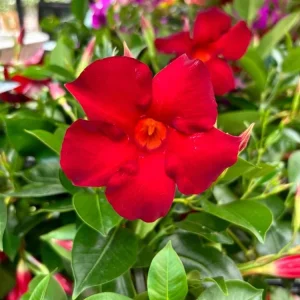
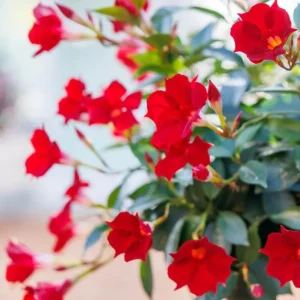
Transform your garden or patio into a tropical paradise with this exquisite red mandevilla vine live plant. Known for its stunning, trumpet-shaped red flowers and lush, glossy green foliage, the Mandevilla (often referred to as Dipladenia or Brazilian Jasmine) is a fast-growing, evergreen vine that thrives in warm climates. This particular variety promises a spectacular display of continuous blooms from spring until the first frost, making it a favorite for adding vertical interest and brilliant color. Shipped as a healthy, established plant, it’s ready to bring exotic charm and a burst of vibrant red to your outdoor living areas. Its vigorous growth and abundant flowering habit make it an ideal choice for arbors, trellises, hanging baskets, or containers.
Key Benefits
The red mandevilla vine live plant offers numerous advantages for both seasoned gardeners and beginners looking to enhance their outdoor spaces. Its captivating beauty is just one of many reasons to welcome this tropical gem into your home.
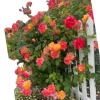
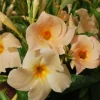
- Spectacular Blooms: Enjoy a continuous display of large, vibrant red, trumpet-shaped flowers throughout the warmer months. These showy blooms are a magnet for hummingbirds and butterflies, bringing life and movement to your garden.
- Versatile Growth Habit: This tropical flowering vine can be trained to climb trellises, arbors, or fences, creating a stunning vertical accent. It also performs beautifully in hanging baskets or as a mounding plant in larger containers, offering flexible landscaping options.
- Low Maintenance Beauty: Despite its exotic appearance, Mandevilla is surprisingly easy to care for, requiring consistent watering and plenty of sunlight to flourish. Its relatively self-sufficient nature makes it a rewarding plant for busy gardeners.
- Drought Tolerance: Thanks to its unique tuberous root system, the dipladenia plant exhibits good drought tolerance once established, making it more forgiving if you occasionally forget to water.
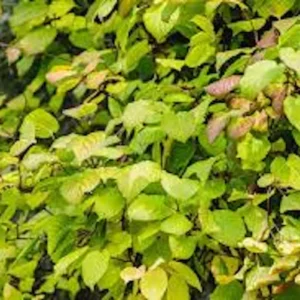
- Lush Foliage: Beyond its flowers, the Mandevilla boasts attractive, glossy green leaves that provide a lush backdrop for its colorful blooms, ensuring visual appeal even when not in full flower.
- Long Blooming Season: From late spring through fall, you can expect a profusion of flowers, offering extended periods of color and interest in your garden, patio, or balcony.
- Attracts Pollinators: The bright, open flowers are highly attractive to pollinators such as hummingbirds and butterflies, contributing to a healthy and vibrant ecosystem in your yard.
Plant Care & Growing Tips
Caring for your red mandevilla vine live plant is straightforward, especially when you understand its tropical preferences. This plant thrives on warmth and sunshine, making it an excellent choice for sunny spots.
Sunlight: The Mandevilla absolutely loves sunshine. For optimal flowering, provide at least 6 hours of full sun daily. While it can tolerate partial shade, too little sun will result in fewer blooms. If growing indoors, place it in the brightest window possible, ideally south or west-facing. Consistent bright light is key to a flourishing mandevilla flower display.
Watering: Water consistently, especially during warm, dry periods. The goal is to keep the soil evenly moist but never soggy. Mandevillas are sensitive to overwatering, which can lead to root rot. Allow the top inch or two of soil to dry out slightly between waterings. Reduce watering in cooler months when the plant’s growth slows down. Its tuberous roots help it tolerate short periods of drought, but regular hydration promotes the best flowering.
Soil: Plant your Mandevilla in well-draining soil. A high-quality potting mix that drains quickly is ideal for containers. If planting directly in the garden, ensure the soil is loose and amended with organic matter to improve drainage. A slightly acidic to neutral pH (6.0-7.0) is preferred. Good drainage is crucial for preventing waterlogging and maintaining a healthy mandevilla care routine.
Temperature & Hardiness: As a tropical plant, Mandevilla prefers warm temperatures, ideally between 70-90°F (21-32°C). It is not frost-tolerant; temperatures below 50°F (10°C) can cause damage. In USDA zones 9-11, it can be grown outdoors year-round. In cooler climates, it’s best grown as an annual or brought indoors as a houseplant for the winter. Protect it from cold drafts.
Fertilization: During the active growing and blooming season (spring through fall), fertilize every 2-4 weeks with a balanced liquid fertilizer, or one slightly higher in phosphorus to encourage flowering. Reduce or stop fertilizing during the dormant winter months.
Pruning & Support: Prune your Mandevilla to maintain its shape, encourage bushier growth, and promote more blooms. Light pruning can be done at any time, but heavier pruning is best done in late winter or early spring before new growth begins. Provide a trellis, stake, or other support structure for this tropical flowering vine to climb. This will allow it to display its full vining potential and create a beautiful vertical accent.
Size & Details
This red mandevilla vine live plant typically ships at a height of 10-20 inches tall, providing a well-established specimen ready for immediate planting and growth. With proper care and support, this vigorous tropical flowering vine can reach lengths of 10 to 15 feet in a single growing season when grown outdoors in ideal conditions, or a more manageable 3 to 8 feet in containers. It is shipped without a pot to ensure safe transit and reduce shipping weight, allowing you to plant it directly into your preferred container or garden bed upon arrival. Expect rapid growth and a profusion of beautiful red blooms throughout the warmer months, making it a focal point in any garden setting.
Frequently Asked Questions
- Q: How big does this red mandevilla vine live plant get? A: When provided with proper support and growing conditions, this Mandevilla can reach lengths of 10-15 feet in a single growing season outdoors. In containers, it typically grows 3-8 feet tall, depending on the pot size and pruning.
- Q: Is this an indoor or outdoor plant? A: The Mandevilla is primarily an outdoor plant in USDA zones 9-11, where it can be grown year-round. In cooler climates, it is best grown outdoors during the warm season and can be brought indoors as a houseplant for winter.
- Q: How much sunlight does the dipladenia plant need? A: For abundant flowering, Mandevilla requires at least 6 hours of full sunlight per day. It can tolerate some partial shade, especially in very hot climates, but prefers bright, direct light.
- Q: Is this plant easy to care for? A: Yes, Mandevillas are generally considered easy to care for. They require consistent watering, plenty of sunlight, and well-draining soil. Following basic mandevilla care guidelines will ensure a healthy, blooming plant.
- Q: What condition will it arrive in? A: Your Mandevilla plant will arrive healthy and ready for planting, shipped without a pot to ensure safe and efficient transport. Promptly plant it upon arrival.
- Q: Can I grow this tropical flowering vine in a hanging basket? A: Absolutely! Mandevillas are excellent for hanging baskets, where their vining stems can trail beautifully. They also look stunning on trellises, arbors, or in large patio containers.
- Q: When is the best time to plant a mandevilla flower? A: The best time to plant Mandevilla is in spring after all danger of frost has passed, when temperatures are consistently warm. This gives the plant ample time to establish before the peak growing season.
- Q: What kind of soil is best for Mandevilla? A: Use a well-draining potting mix for container planting. If planting in the ground, ensure the soil is loose, fertile, and drains well. Avoid heavy, waterlogged soils.
- Q: Will it attract pollinators? A: Yes, the vibrant, trumpet-shaped flowers of the Mandevilla are very attractive to hummingbirds and butterflies, making it a great addition to a pollinator-friendly garden.
- Q: How often should I fertilize my Mandevilla? A: During its active growing and blooming season (spring through fall), fertilize every 2-4 weeks with a balanced liquid fertilizer to encourage continuous flowering. Reduce or stop fertilizing in winter.


Reviews
There are no reviews yet.