Overview
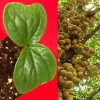
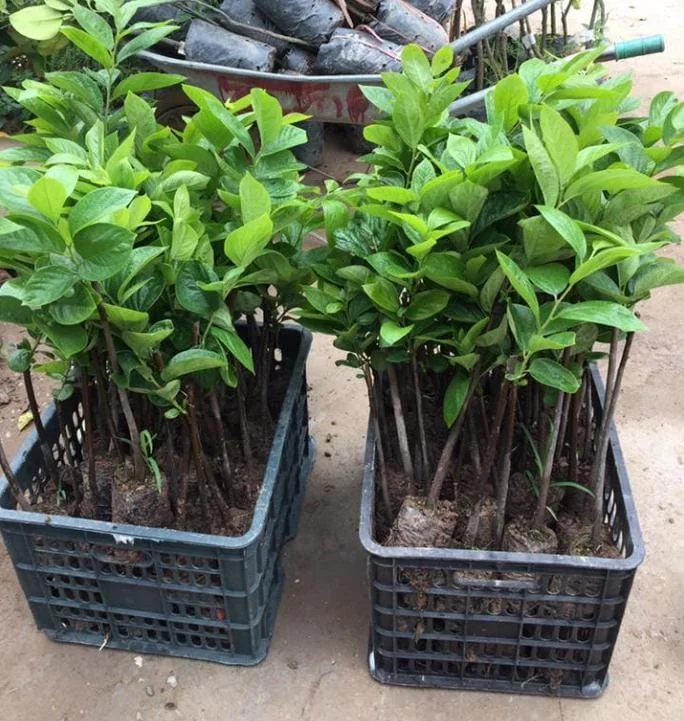
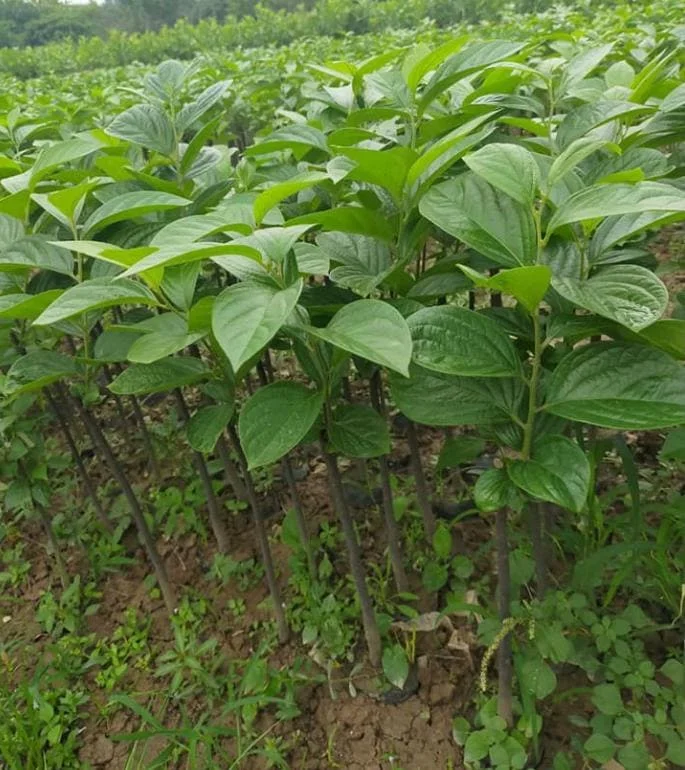
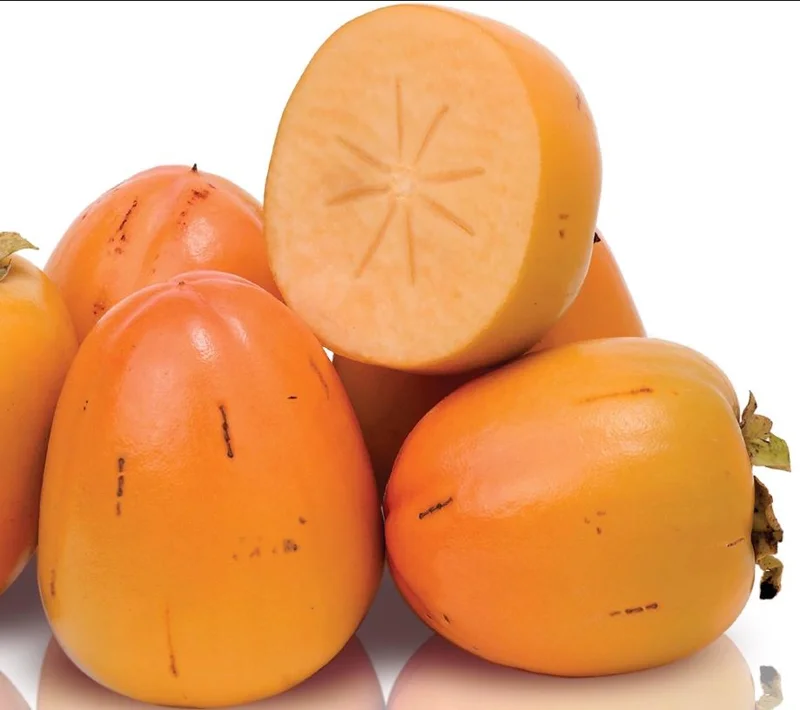
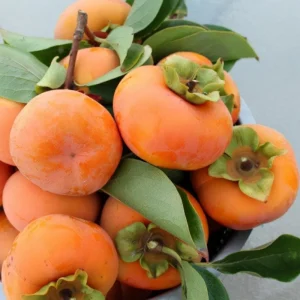
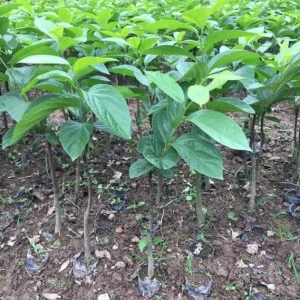
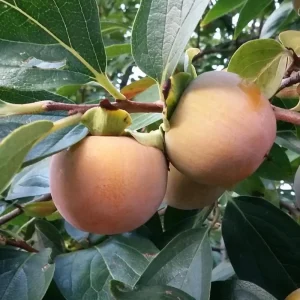
Cultivate your own delicious and highly ornamental fruit with this American persimmon tree. Also known by its botanical name, Diospyros Virginiana, this native North American tree is a fantastic addition to any garden or landscape. As a woody, deciduous tree belonging to the ebony family (Ebenaceae), it is celebrated for its attractive foliage, robust nature, and, most importantly, its sweet, edible fruit that ripens in the fall. This offering is for a live persimmon plant, a starter plant measuring 9-12 inches tall, ready to establish itself in your chosen location. The American persimmon is not only a source of delightful fruit but also provides significant ecological benefits, serving as a food source for wildlife and contributing to the biodiversity of your outdoor space. Its resilience and adaptability make it a rewarding choice for both experienced gardeners and those new to growing fruit trees.
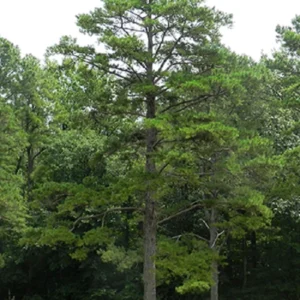
The Diospyros Virginiana plant is native to the central and eastern United States, where it can be found thriving in a variety of environments. Its ability to adapt to different soil types and conditions makes it a versatile choice for many regions. When mature, these trees can reach impressive heights, ranging from 30 to 80 feet, with a spread of 20 to 35 feet, creating a substantial presence in the landscape. Even as a young live persimmon plant, it exhibits the vigor and potential for strong growth. This tree is a true investment in your garden, offering beauty through the seasons and the unique reward of homegrown fruit.
Key Benefits
Choosing to plant an American persimmon tree brings a wealth of advantages to your home landscape and local ecosystem. Its multi-faceted appeal makes it a highly desirable specimen for a variety of garden designs and purposes. Here are some of the key benefits:
- Delicious Edible Fruit: Enjoy sweet, flavorful persimmons that ripen in the fall. These fruits are not only tasty for human consumption but also attract and feed local wildlife, making your garden a vibrant habitat.
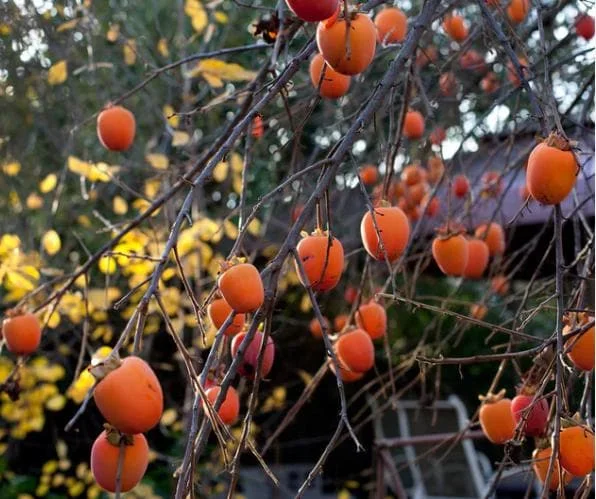
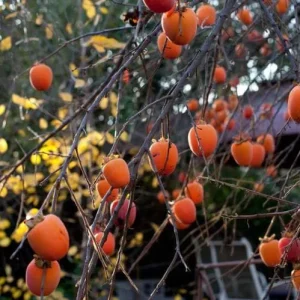
- Ornamental Value: Beyond its fruit, the Diospyros Virginiana plant offers significant aesthetic appeal. Its attractive deciduous foliage provides beautiful seasonal interest, from lush green in summer to striking yellow and orange hues in autumn.
- Native and Resilient: Being a native species to the central and eastern United States, this tree is naturally adapted to local climates and soils, requiring less intervention once established. It tolerates a range of conditions, including poor soils and urban environments.
- Wildlife Attractor: The fruits are a favorite food source for birds, deer, and other animals, helping to support local wildlife populations and enhancing the ecological value of your property. This makes it an excellent choice for a native fruit tree.
- Low Maintenance: Once established, the live persimmon plant is relatively low-maintenance, requiring minimal care compared to many other fruit-bearing trees. Its hardiness contributes to its ease of growth.
- Drought and Heat Tolerant: This species is known for its ability to withstand hot, dry conditions, making it a robust choice for areas prone to summer droughts or intense heat.
- Long-Term Investment: An American persimmon tree is a long-lived plant that will provide beauty, shade, and fruit for many decades, becoming a cherished part of your landscape.
Plant Care & Growing Tips
Caring for your American persimmon tree is straightforward, especially given its native hardiness. To ensure your live persimmon plant thrives and produces abundant fruit, understanding its basic needs is crucial. This tree prefers moist, well-drained, sandy soils but is remarkably tolerant of various soil types, including poor soils. Full sun to partial shade is ideal; full sun will generally lead to better fruit production. Provide at least 6-8 hours of direct sunlight daily for optimal growth. It is adaptable and can even tolerate urban conditions and wind, making it suitable for a wide range of planting sites.
Watering is important, especially during the establishment phase. While young, ensure the soil remains consistently moist but not waterlogged. Once established, the Diospyros Virginiana plant becomes quite drought-tolerant, only requiring supplemental watering during prolonged dry spells. Fertilization is typically not a high priority for this resilient tree, particularly if planted in reasonably fertile soil. If growth seems slow or leaves appear pale, a balanced slow-release fertilizer in early spring can be beneficial. Avoid over-fertilizing, as this can lead to excessive foliage growth at the expense of fruit production for this fall fruiting tree.
The American persimmon is hardy in USDA zones 4-9, demonstrating its wide adaptability across the United States. Pruning mainly involves removing dead, damaged, or crossing branches to maintain a healthy structure and good air circulation. Light pruning can also help shape the tree and encourage fruit development. Keep an eye out for common pests and diseases, though the American persimmon is generally quite resistant. With proper care, your native fruit tree will flourish, providing shade, beauty, and delicious fruit for many years to come.
Size & Details
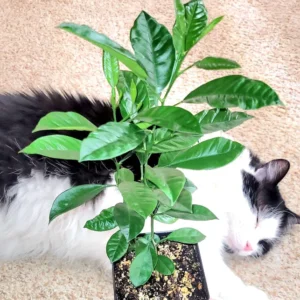
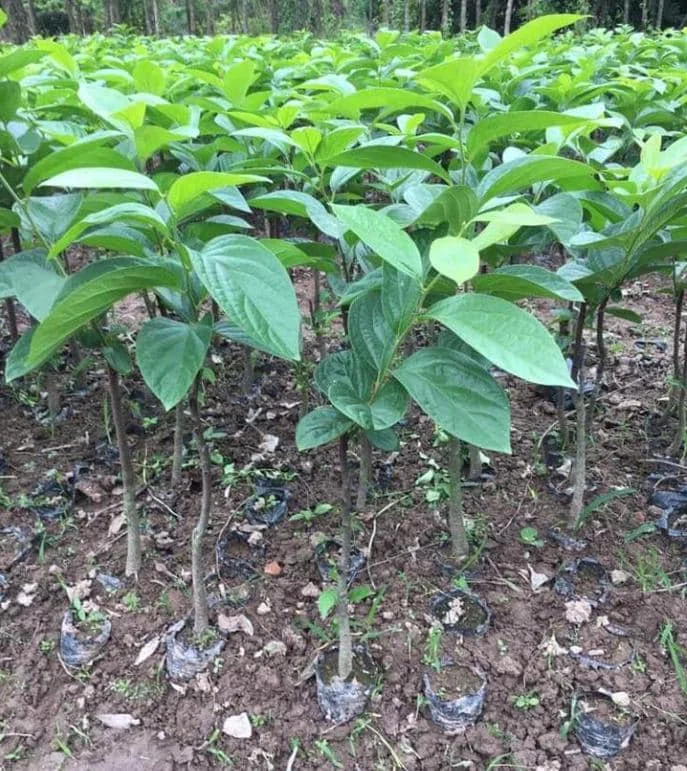
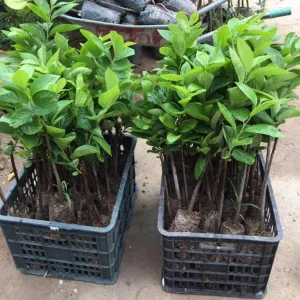
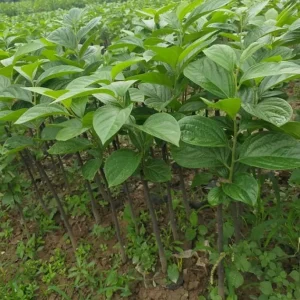
This offering is for a healthy American persimmon tree starter plant, measuring 9-12 inches tall. These plants are well-rooted and ready for transplanting into your garden or a larger container. While they are shipped without a pot to reduce waste and shipping costs, they are carefully packaged to ensure their health upon arrival. The initial size of 9-12 inches represents a strong young specimen with a robust root system, poised for vigorous growth once planted in its permanent location. Expect this live persimmon plant to establish itself quickly and begin its journey towards maturity.
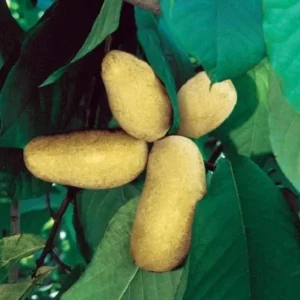
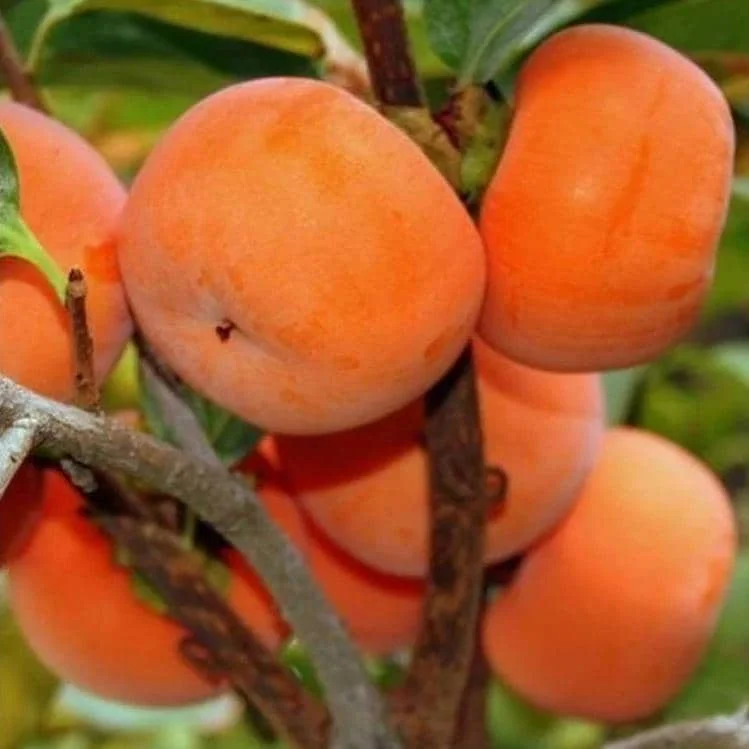
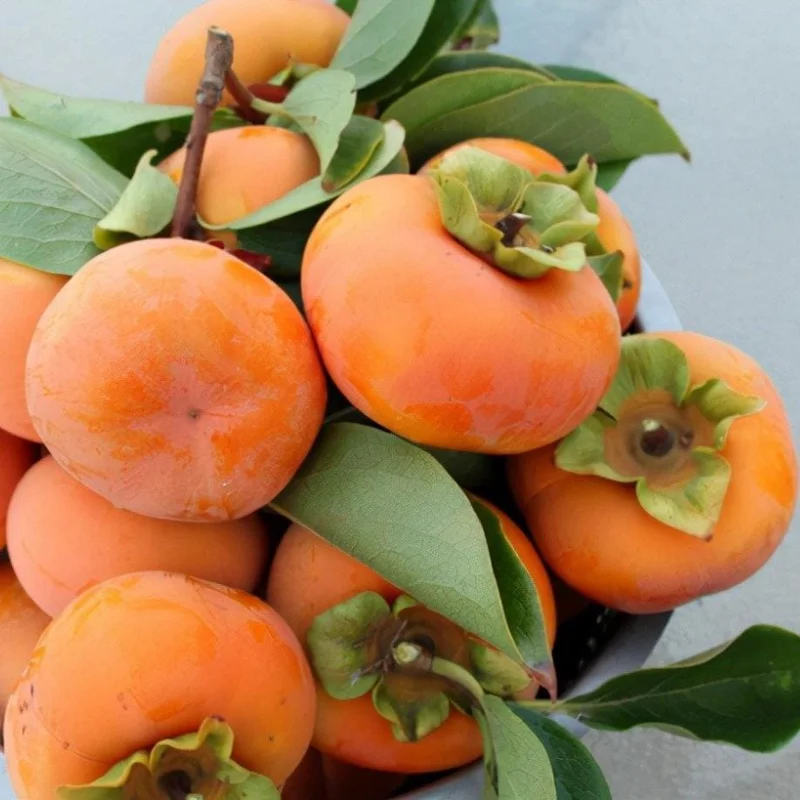
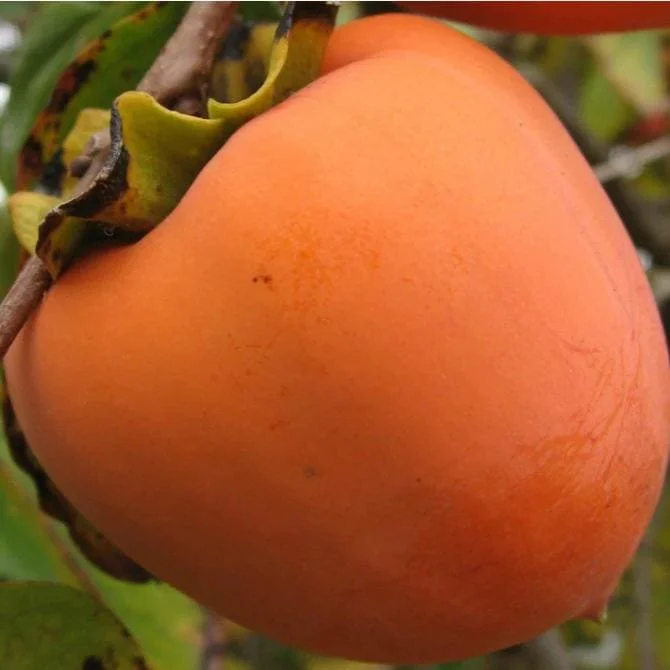
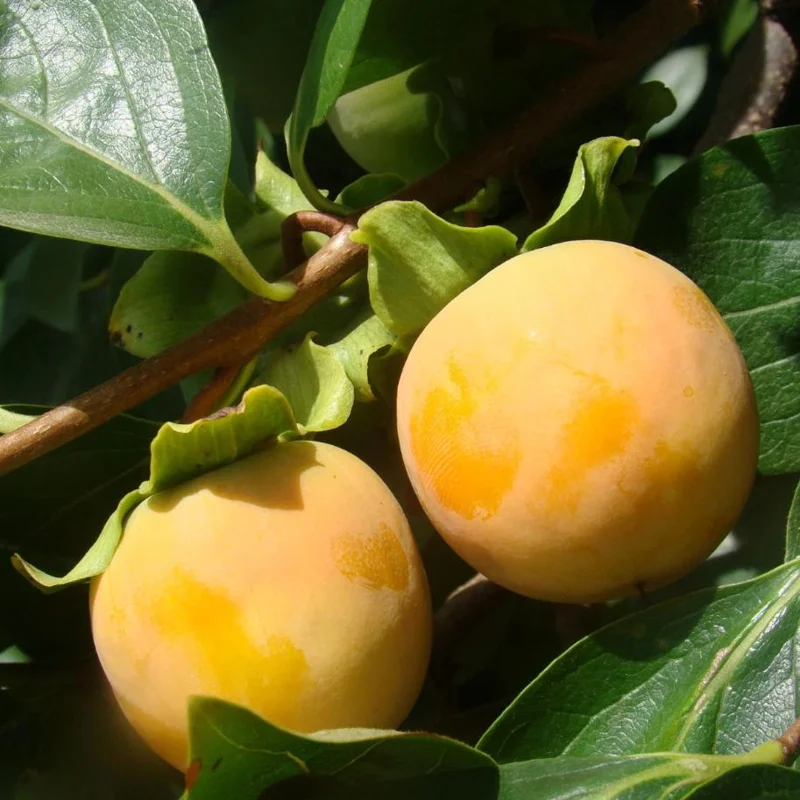
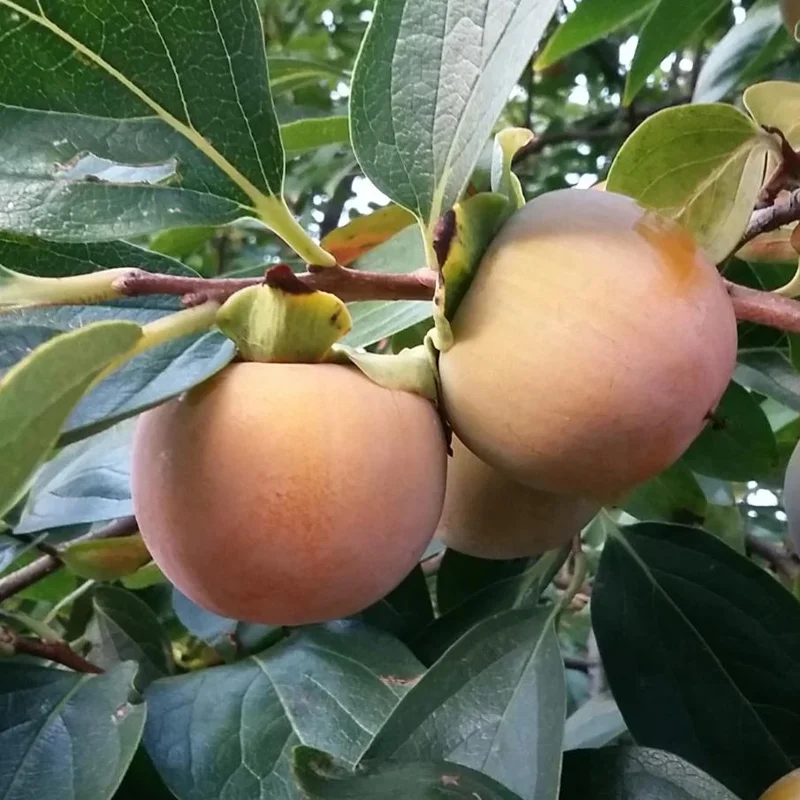
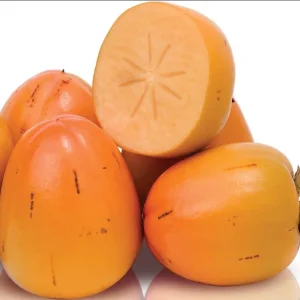
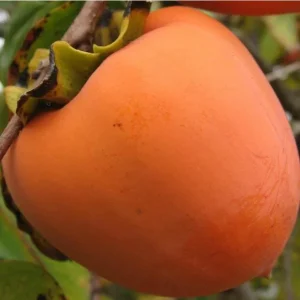
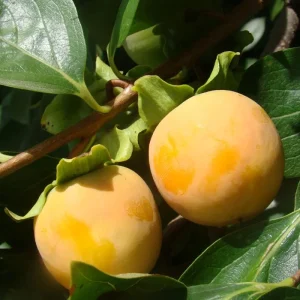
American persimmon trees are known for their moderate to fast growth rate, especially in ideal conditions. In their natural habitat, they can reach heights of 30 to 80 feet with a spread of 20 to 35 feet, forming a stately, rounded canopy. While it will take several years for your young Diospyros Virginiana plant to reach its full mature size, you can anticipate seeing significant growth each year. Flowering typically occurs in spring to early summer, with fruits developing through the summer and ripening in the fall. The fruit of this native fruit tree is typically small, round, and orange, becoming soft and sweet when fully ripe after the first frost, making it a true delight of the autumn season.
Frequently Asked Questions
- Q: How big will my American persimmon tree get? A: A mature American persimmon tree can reach heights of 30 to 80 feet tall and spread 20 to 35 feet wide. Your starter plant is 9-12 inches tall, offering a great beginning for this stately tree.
- Q: Is this an indoor or outdoor plant? A: The Diospyros Virginiana plant is an outdoor tree, best suited for planting in your garden or landscape where it can grow to its full potential. It requires ample space and sunlight.
- Q: How much sunlight does the American persimmon tree need? A: This tree thrives in full sun to partial shade, ideally receiving at least 6-8 hours of direct sunlight daily for the best growth and fruit production.
- Q: What condition will the live persimmon plant arrive in? A: You will receive a healthy 9-12 inch tall live persimmon plant, carefully packaged and shipped bare root (without a pot) to ensure its vitality upon arrival and minimize shipping stress.
- Q: When does the American persimmon tree produce fruit? A: The fall fruiting tree flowers in spring to early summer, and its delicious fruits typically ripen in the fall, often after the first frost, becoming soft and sweet.
- Q: Is the American persimmon tree easy to care for? A: Yes, once established, the American persimmon tree is quite low-maintenance and resilient. It tolerates various soil conditions and is drought-tolerant, making it a good choice for many gardeners.
- Q: What type of soil does this native fruit tree prefer? A: It prefers moist, well-drained, sandy soils but is highly adaptable and can tolerate a range of soil types, including poor soils and urban conditions.
- Q: What USDA hardiness zones is this tree suitable for? A: The American persimmon tree is hardy and well-suited for USDA zones 4-9, making it a versatile choice for a broad range of climates.
- Q: Will my young plant produce fruit right away? A: While your live persimmon plant is a starter, it typically takes a few years for the tree to mature enough to begin producing fruit. Patience will be rewarded with delicious harvests.
- Q: Can I grow this tree in a large pot? A: While you can start the young Diospyros Virginiana plant in a large pot, it will eventually outgrow it due to its significant mature size. It is best suited for direct planting in the ground.


Reviews
There are no reviews yet.