Overview
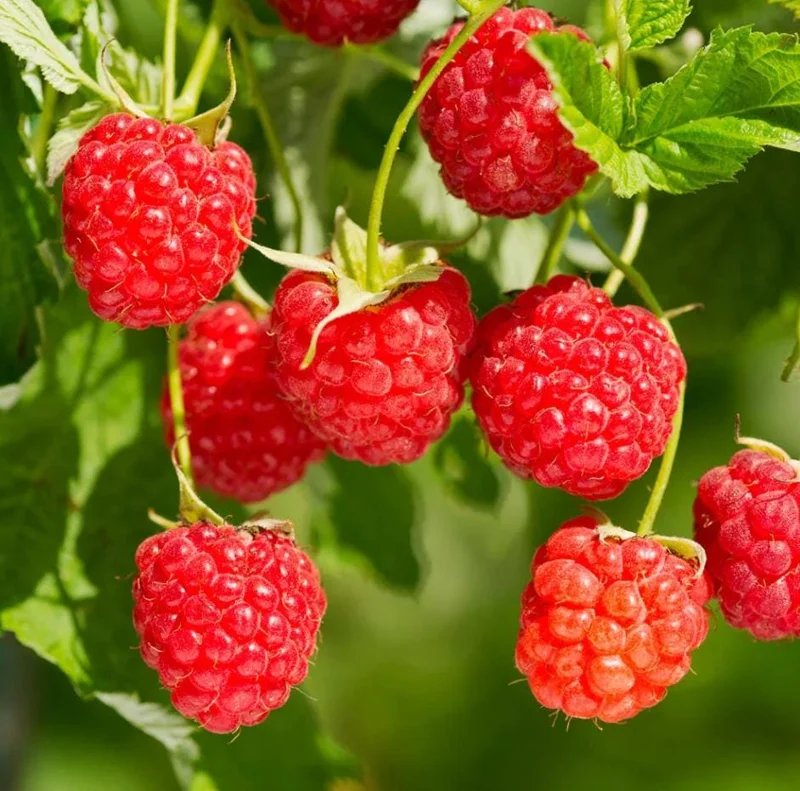
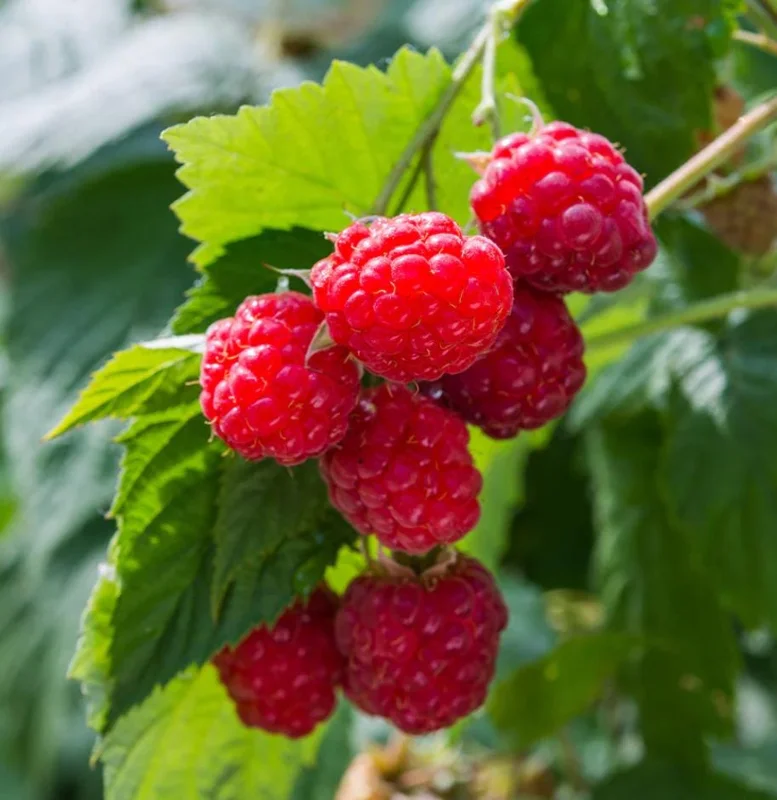
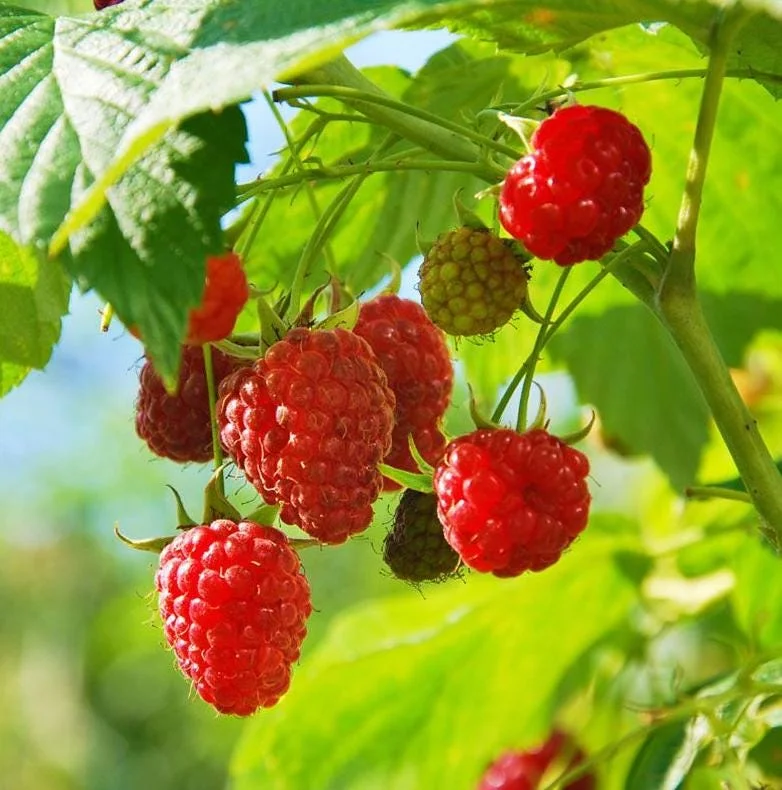
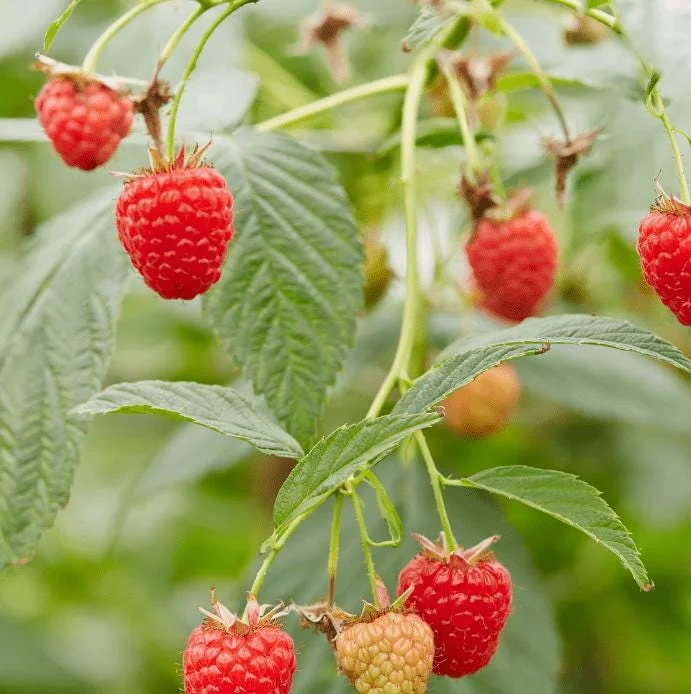
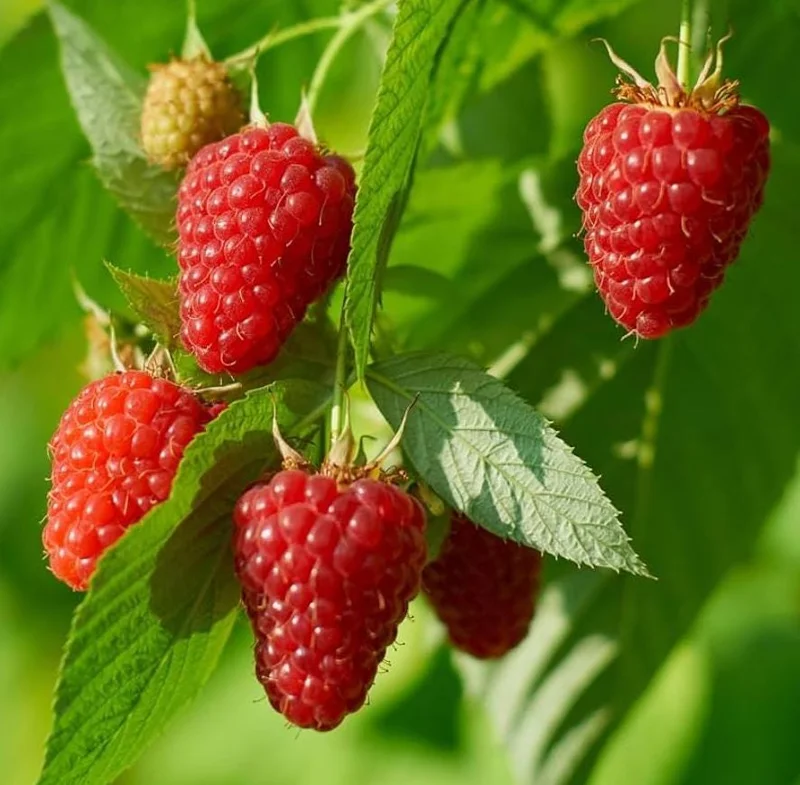
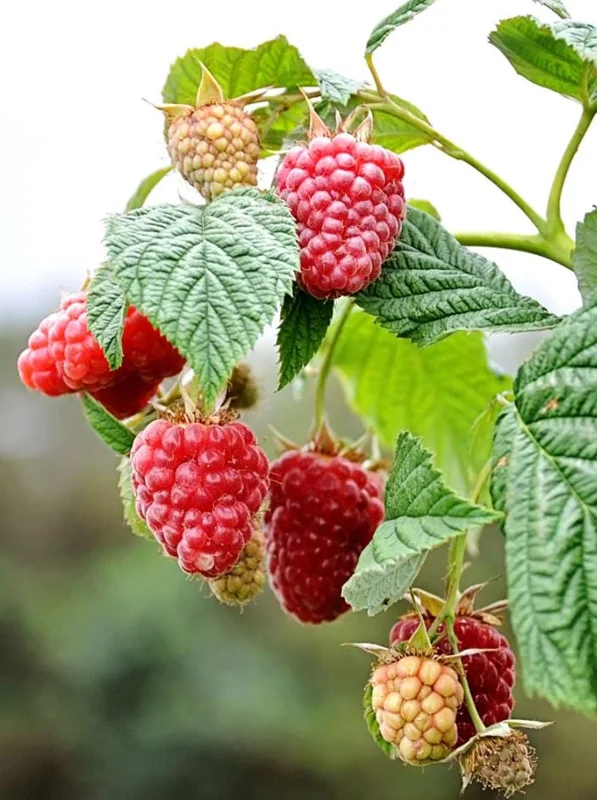
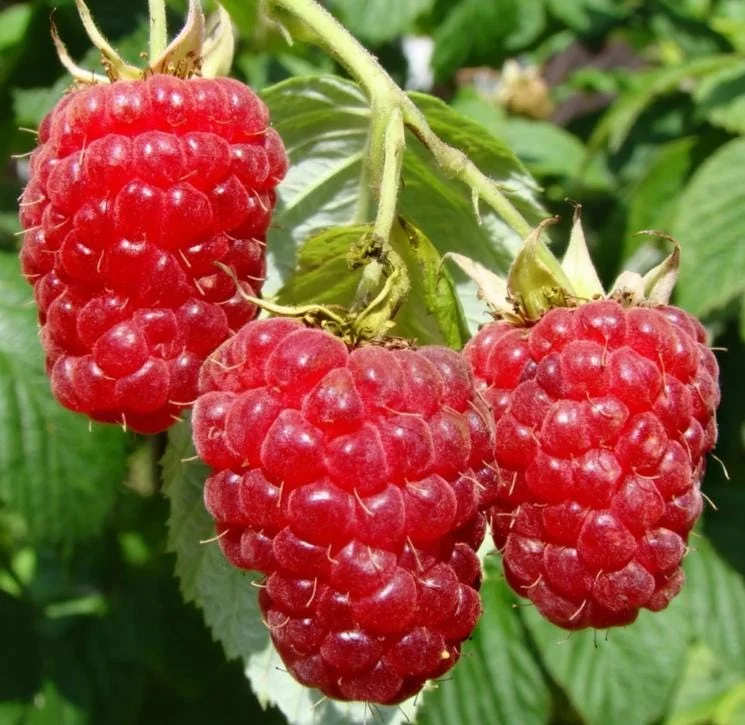
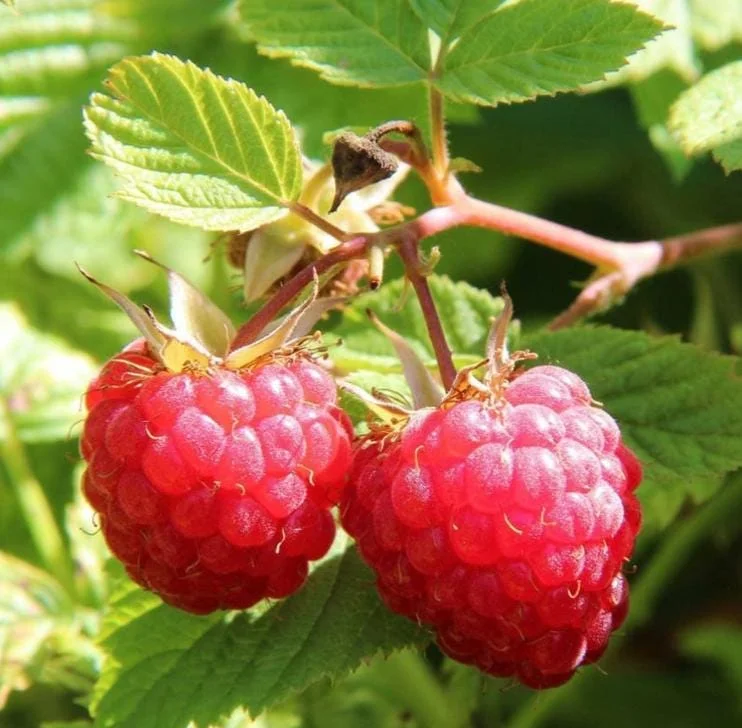
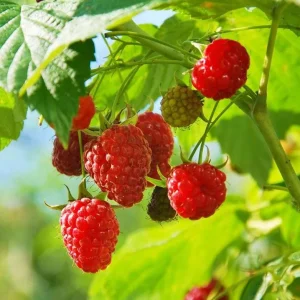
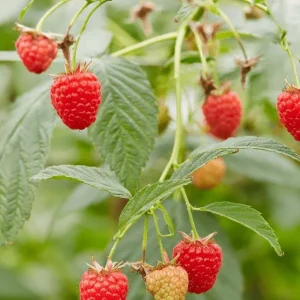
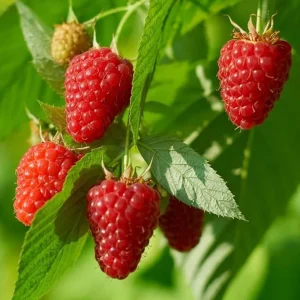
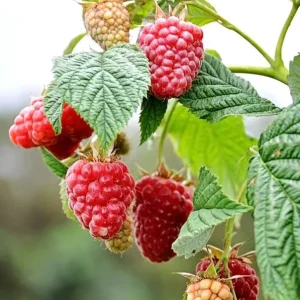
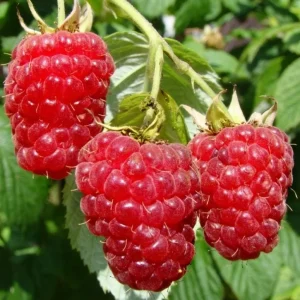
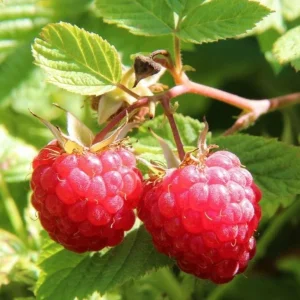
Bring the joy of fresh, homegrown fruit to your garden with our red raspberry live plant. This vigorous berry cane, botanically known as Rubus idaeus, is an excellent choice for both experienced gardeners and beginners looking to cultivate their own delicious harvest. Each plant is carefully nurtured and arrives in a 2-inch pot, ready for planting in your garden beds or favorite containers. Red raspberries are renowned for their sweet flavor, versatility in culinary uses, and relatively straightforward care requirements, making them a highly desirable addition to any edible landscape. Our Rubus idaeus plant is selected for its robust growth and potential for abundant fruiting, ensuring a rewarding experience as you watch it thrive and produce.
Growing your own raspberries offers an unparalleled freshness that store-bought berries can’t match. This live raspberry plant will establish quickly, developing into a productive cane that yields succulent fruit. Whether you’re planning a dedicated berry patch or simply want to add a productive element to your patio, this plant is designed to perform. Get ready to enjoy the satisfaction of harvesting your own sweet treats directly from your backyard.
Key Benefits
Investing in a red raspberry live plant provides numerous advantages, from fresh produce to aesthetic appeal. This productive berry bush offers both culinary delight and a vibrant addition to your outdoor space.
- Fresh, Homegrown Berries: Enjoy the superior taste and nutritional benefits of raspberries picked directly from your own garden. There’s nothing quite like the flavor of freshly harvested fruit.
- Versatile Culinary Use: These delicious berries are perfect for eating fresh, making jams, jellies, pies, smoothies, or as a topping for desserts. Having a constant supply of raspberries opens up a world of culinary possibilities.
- Vigorous Growth: Our plants are selected for their strong growth habits, ensuring a healthy and productive cane. A vigorous raspberry cane for garden use means more fruit for you.
- Container-Friendly Option: Despite being a robust berry bush, this plant can be successfully grown in large containers, making it suitable for patios, balconies, or smaller garden spaces. This makes it an ideal berry plant for containers.
- Attractive Garden Addition: Beyond their fruit, raspberry plants add a rustic charm to your garden with their lush foliage and delicate flowers. They contribute to the overall beauty and biodiversity of your landscape.
- Health Benefits: Raspberries are packed with antioxidants, vitamins, and fiber, contributing to a healthy diet. Growing your own ensures you have access to these nutrient-rich fruits without pesticides.
- Rewarding Gardening Experience: Cultivating your own fruit provides a deeply satisfying and educational gardening experience. Watching your Rubus idaeus plant grow and produce is a true pleasure.
Plant Care & Growing Tips
Successfully cultivating your red raspberry live plant requires attention to a few key environmental factors and regular care practices. These plants are generally resilient but thrive best under optimal conditions. For best results, choose a location with full sun, meaning at least 6-8 hours of direct sunlight per day. While partial shade is tolerated, more sun typically leads to a greater fruit yield and sweeter berries. Ensure your chosen site has rich, well-draining soil, ideally a sandy loam with plenty of organic matter. Heavy clay soils that retain too much water should be avoided, as they can lead to root rot. Good drainage is crucial for a healthy raspberry cane for garden success.
When planting, space your raspberry canes about 2.5 to 3 feet apart in a narrow row, leaving 6 to 12 feet between rows depending on your equipment and garden layout. Install a post and wire trellis system or other sturdy support to keep the canes upright, as they can become heavy with fruit. Plant the canes at the same depth they were in the pot, ensuring the ‘root flare’ is at the soil line. After planting, water thoroughly to help settle the soil around the roots. Regular watering is essential, especially during dry spells, to support fruit development and plant vigor. Applying a layer of mulch, such as wood chips, around the base of the plants will help retain moisture, suppress weeds, and regulate soil temperature, but avoid covering new canes too thickly.
Fertilize your raspberry plants in the spring before new growth begins and again in late spring or early summer. A balanced fertilizer like 10-10-10 is suitable, or you can enrich the soil with compost or aged manure. Pruning is vital for maintaining plant health and maximizing fruit production. For summer-fruiting varieties, prune old canes back to the ground after they finish fruiting in the summer, leaving new canes (primocanes) to produce the following year’s crop. For autumn-fruiting varieties (everbearers), cut all canes back to the ground after they finish fruiting in the fall. This pruning strategy helps to grow red raspberries efficiently. Regular harvesting of ripe berries as they become ready will encourage continuous production and prevent over-ripening on the cane.
Size & Details
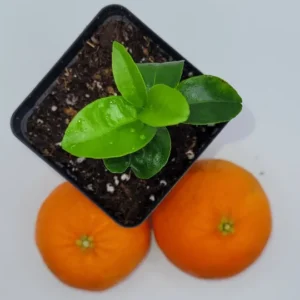
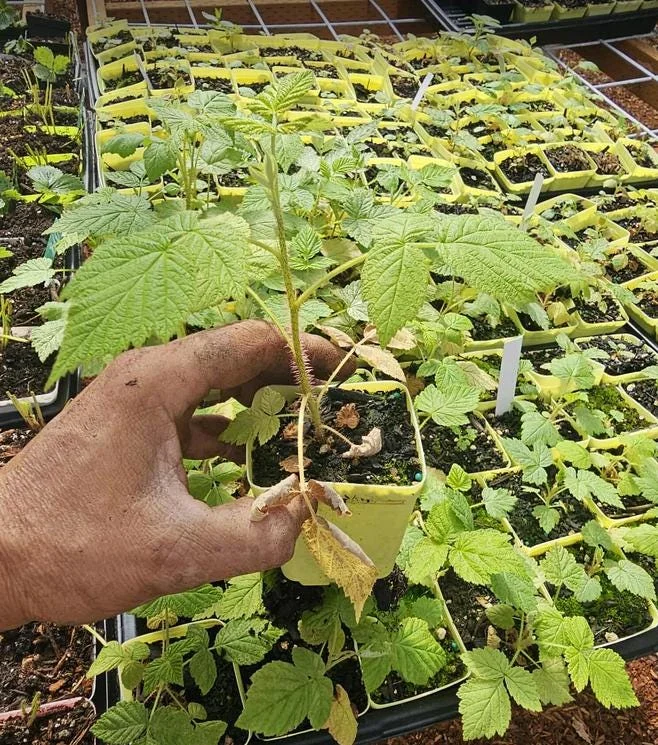
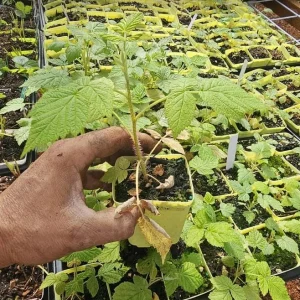
This red raspberry live plant is shipped in a 2-inch nursery pot, providing a well-established root system ready for transplanting. At arrival, the plant will consist of a vigorous berry cane, typically ranging from 4-8 inches in height, depending on the growing season. Red raspberry plants are known for their moderate to fast growth rate, quickly developing into productive bushes. When mature, canes can reach heights of 5-8 feet, requiring support from a trellis or staking system. The plant will begin to produce fruit within one to two years after planting, with full production typically achieved by the third year. This specific Rubus idaeus plant is chosen for its strong start and potential for abundant harvests.
The plant is carefully packaged to ensure its safe arrival, protecting the delicate foliage and root ball. It is designed to be easily transplanted into larger containers or directly into your garden. Expect healthy foliage and a robust root system, indicative of a strong beginning for your future raspberry harvests. This berry plant for containers can adapt well to various growing conditions once established, becoming a long-term producer in your home garden.
Frequently Asked Questions
- Q: How big does this plant get and what size pot does it come in? A: This red raspberry live plant arrives in a 2-inch pot. Mature canes can reach heights of 5-8 feet, requiring a large container (at least 15-20 gallons) if not planted directly into the ground.
- Q: Is this an indoor or outdoor plant? How much sunlight does it need? A: Red raspberry plants are primarily outdoor plants. They thrive in full sun, needing at least 6-8 hours of direct sunlight daily for optimal fruit production.
- Q: Is this plant easy to care for? Is it good for beginners? A: Yes, red raspberry plants are relatively easy to care for and are suitable for beginners. With proper site selection, watering, and pruning, you can successfully grow red raspberries.
- Q: What condition will it arrive in? Is it shipped in soil? A: Your red raspberry live plant will arrive in its 2-inch nursery pot with soil, carefully packaged to ensure the plant’s health and integrity during transit.
- Q: Can I use this raspberry cane for garden fresh eating? A: Absolutely! The primary benefit of growing your own is having fresh, delicious berries for eating right off the cane, or for use in various culinary creations.
- Q: How long until it blooms and produces fruit? When is the best time to plant? A: Raspberry plants typically begin to fruit within one to two years after planting. The best time to plant is in early spring after the last frost, or in early fall.
- Q: Will it survive winter in my zone? What’s the minimum temperature? A: Most red raspberry varieties are hardy in USDA Zones 3-9. They are deciduous and can withstand cold winter temperatures, going dormant until spring. This Rubus idaeus plant is suitable for a wide range of climates.
- Q: What type of soil is best for growing red raspberries? A: Red raspberries prefer rich, well-draining soil with plenty of organic matter. A sandy loam is ideal, and good drainage is crucial to prevent root issues.
- Q: How often should I water my new raspberry plant? A: Water your raspberry plant regularly, especially during dry periods, to keep the soil consistently moist but not waterlogged. Deep watering is better than frequent shallow watering.
- Q: Can this be considered a berry plant for containers? A: Yes, while they prefer in-ground planting, red raspberry plants can thrive as a berry plant for containers if provided with a large enough pot, adequate sunlight, and consistent watering.


Reviews
There are no reviews yet.