Overview
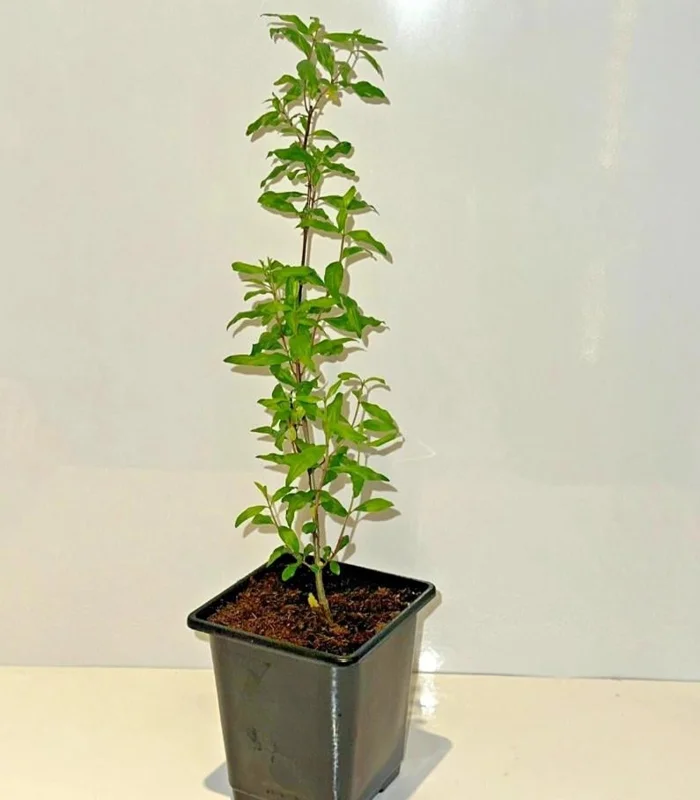
Cultivate your own vibrant fruit with this exquisite red pomegranate tree live plant. Known botanically as Punica granatum, this woody, deciduous perennial shrub or small tree is celebrated for its distinctive, ruby-red fruits. Our starter plants, typically 5-9 inches tall, offer an excellent opportunity to establish a beautiful and productive fruit-bearing specimen in your home garden. Pomegranates are not only prized for their delicious and nutritious arils but also for their ornamental value, boasting attractive foliage and unique flowers before fruiting. This tropical pomegranate tree is a fantastic addition for gardeners looking to grow their own exotic fruits and add a touch of Mediterranean charm to their landscape. It’s a remarkably resilient plant that adapts well to various conditions, making it a rewarding choice for both novice and experienced growers.
The pomegranate has a rich history, originating from the Middle East and Asia, and has been cultivated for thousands of years. It’s renowned for its health benefits and its distinctive sweet-tart flavor. With proper care, this red pomegranate tree live plant will mature into a robust shrub capable of producing abundant harvests of its iconic fruit. It’s a versatile plant that can be grown in the ground in warmer climates or in containers in cooler regions, allowing you to enjoy its benefits almost anywhere.
Key Benefits
Adding a pomegranate plant to your garden offers a wide array of advantages beyond just its delicious fruit:
- Homegrown, Delicious Fruit: Enjoy fresh, juicy pomegranates directly from your own garden, ensuring peak freshness and flavor. Growing your own also gives you control over cultivation practices.
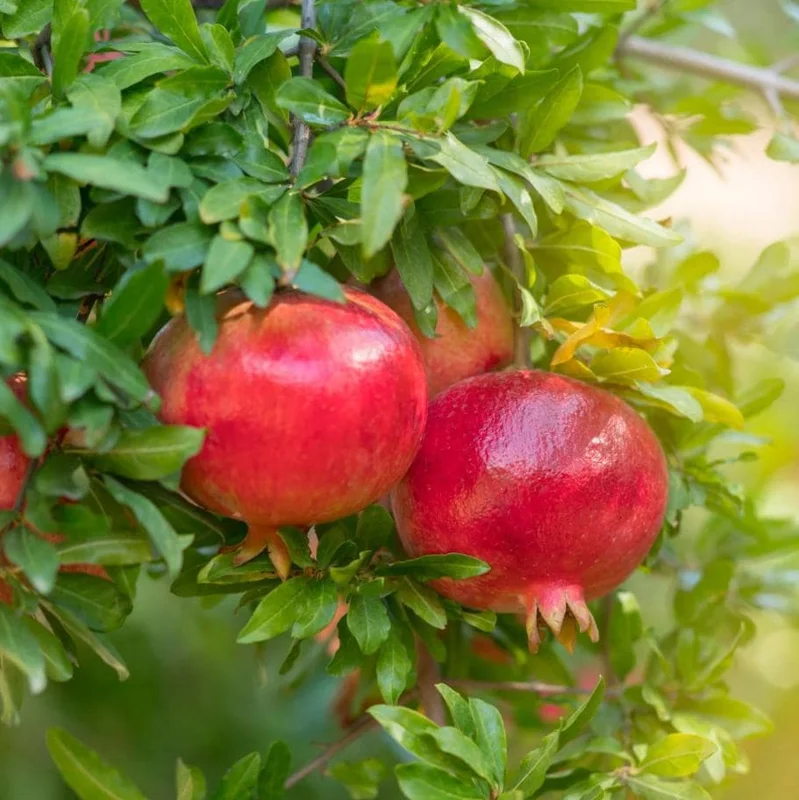
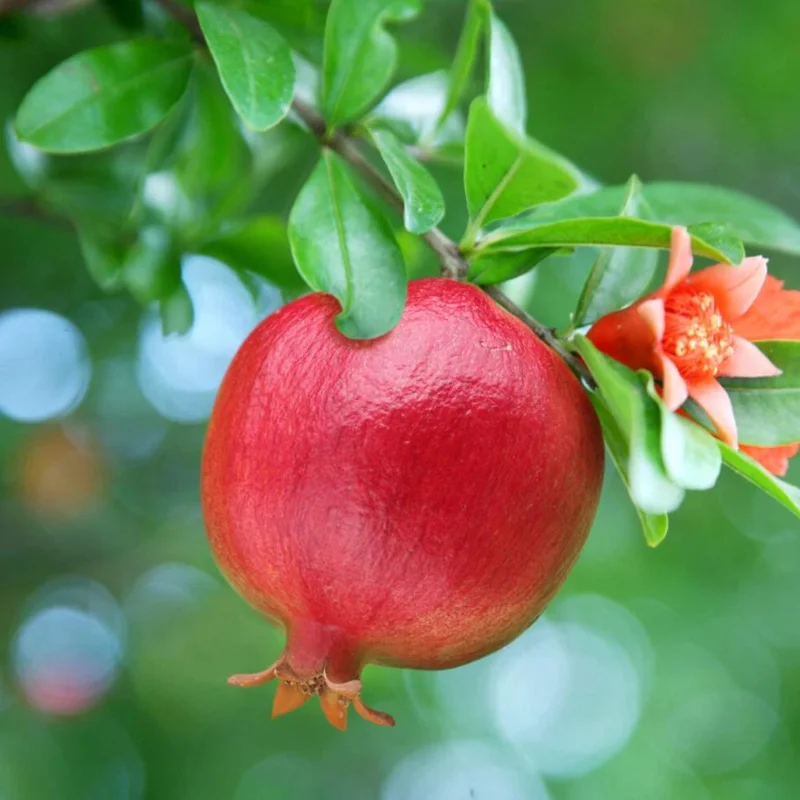
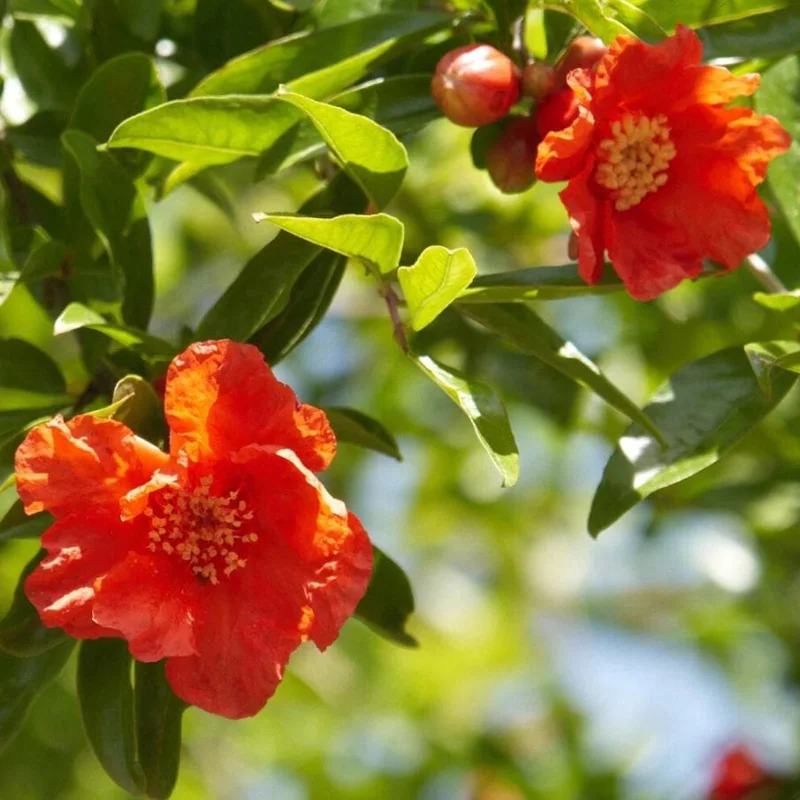
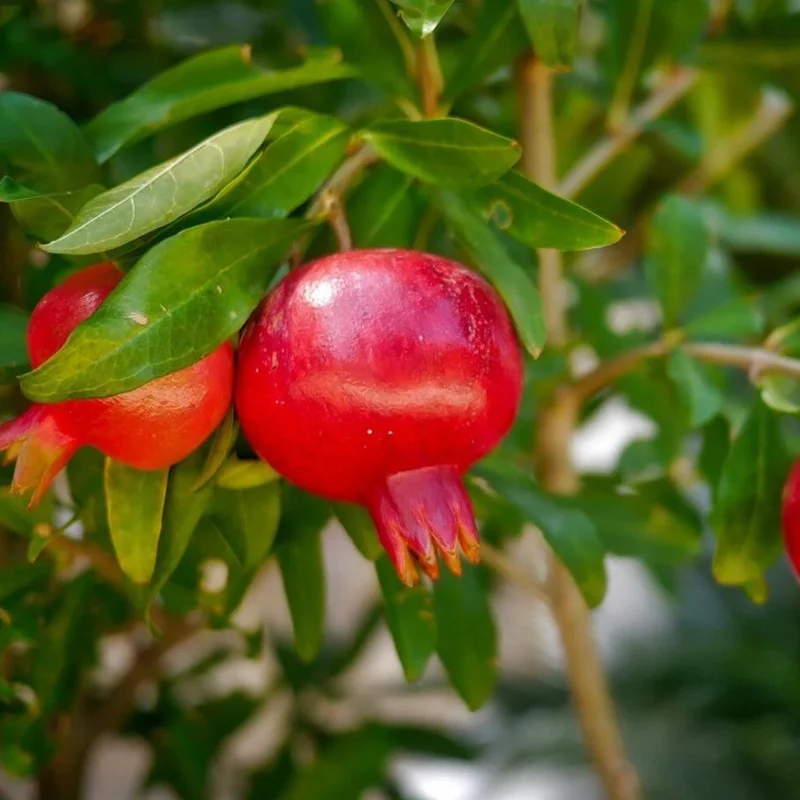
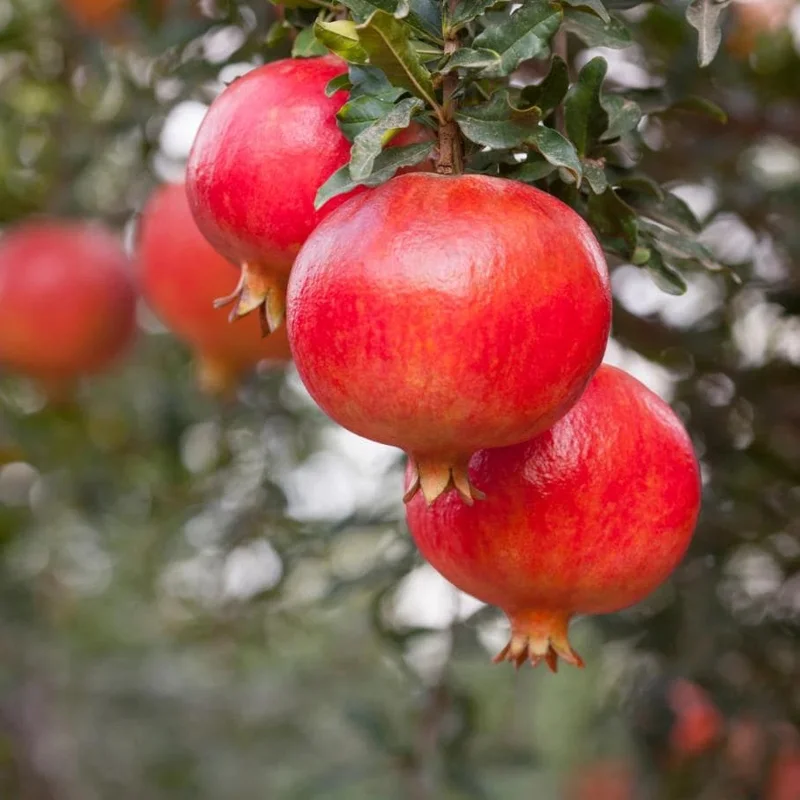
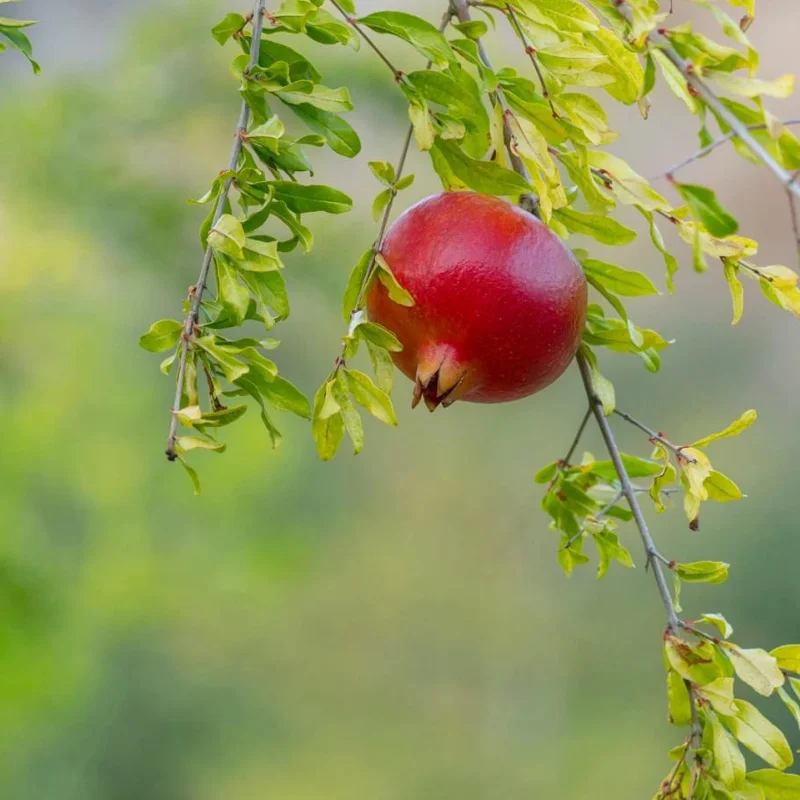
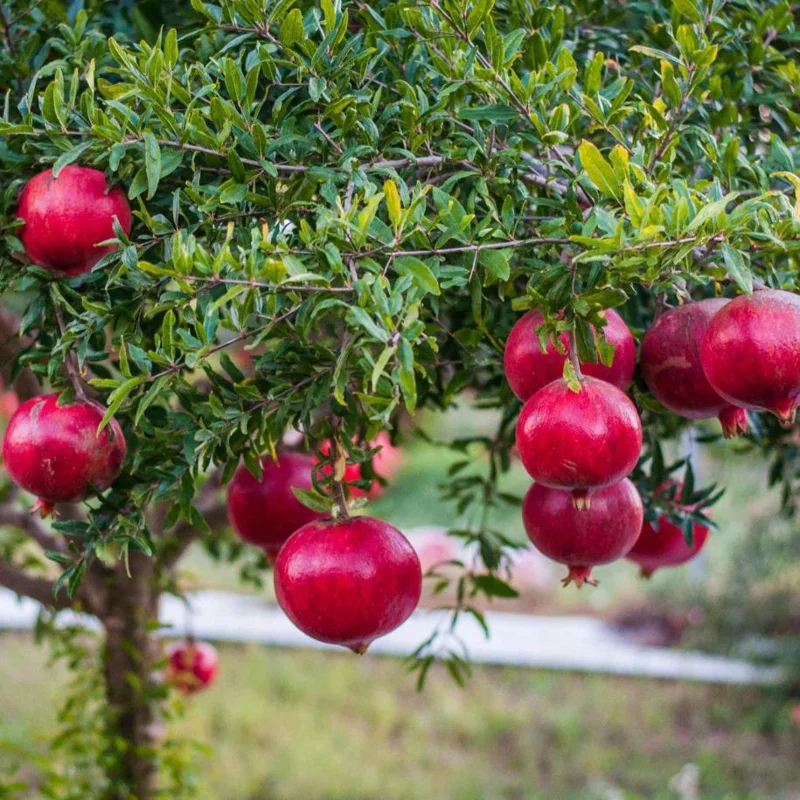
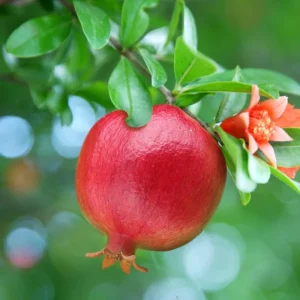
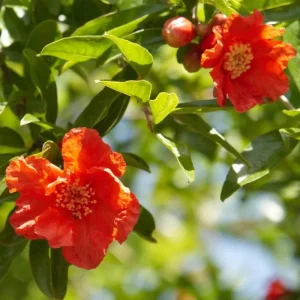
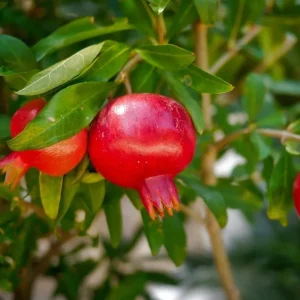
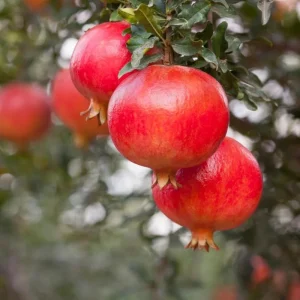
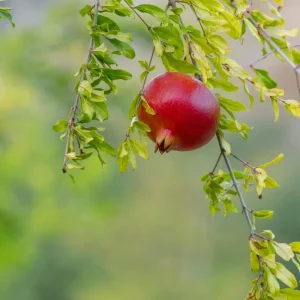
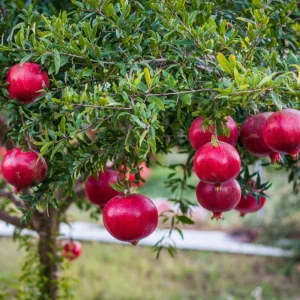
- Ornamental Appeal: The red pomegranate tree live plant features attractive glossy green leaves, vibrant orange-red flowers, and striking red fruits, adding significant visual interest to any landscape or patio.
- Drought Tolerance: Once established, this shrub is remarkably drought-tolerant, making it an excellent choice for water-wise gardening and regions with drier climates.
- Nutritional Value: Pomegranates are packed with antioxidants, vitamins, and minerals, contributing to a healthy diet. Having them readily available encourages a healthier lifestyle.
- Versatile Growth: Can be grown as a bush or trained into a small tree, and is suitable for both in-ground planting in warm zones or container gardening in cooler climates, allowing for greater flexibility.
- Relatively Low Maintenance: While requiring some initial care, established pomegranate plants are generally easy to maintain, needing minimal pruning and feeding. This makes pomegranate care manageable for busy gardeners.
- Unique Garden Addition: Offers a distinctive look and unique fruiting experience compared to more common garden plants, making your garden stand out.
Plant Care & Growing Tips
Proper pomegranate care is essential for a healthy and productive plant. Pomegranates thrive in environments that mimic their native Mediterranean climate. They prefer a location with full sun, meaning at least 6-8 hours of direct sunlight per day. While they can tolerate partial shade, fruit production will be significantly reduced. For optimal growth and fruiting, ensure your plant receives ample light, especially during the fruiting season. When planting, choose a site with well-draining soil. Pomegranates are adaptable to various soil types, including sandy, loamy, or clay, as long as drainage is good. Avoid heavy, waterlogged soils, which can lead to root rot. If growing in a container, use a high-quality potting mix formulated for fruit trees or general outdoor plants, ensuring it has excellent drainage.
Watering should be consistent, especially for young plants and during dry spells. While drought-tolerant once established, regular watering promotes better fruit development. Allow the top few inches of soil to dry out between waterings. Fertilize your red pomegranate tree live plant in early spring with a balanced fertilizer, and again in mid-summer if desired, following package instructions. Pruning is best done in late winter or early spring before new growth begins. Remove suckers, dead or crossing branches, and thin out overcrowded areas to improve air circulation and sunlight penetration. This helps improve fruit quality and makes it easier to grow pomegranate plant successfully. Protect young plants from temperatures below 10°F, as they can be killed to the ground, though they may regrow from the roots. In colder zones, container growing allows you to bring the plant indoors during winter.
Size & Details
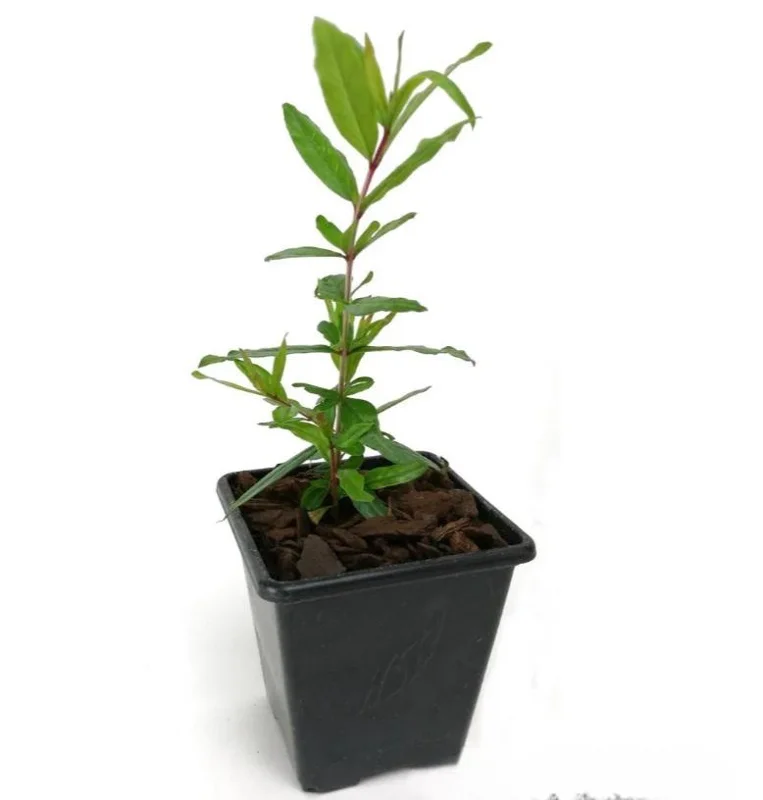
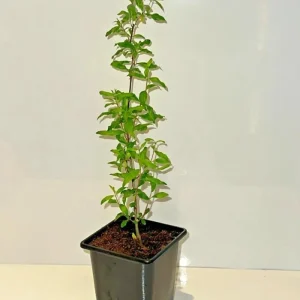
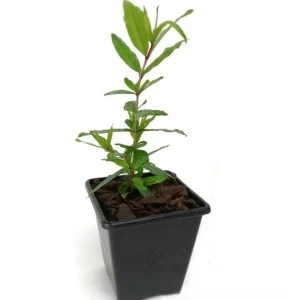
This offering is for a red pomegranate tree live plant, typically ranging from 5 to 9 inches tall at the time of shipment. These are starter plants, ready to be established in your garden or a larger container. Pomegranates are known for their moderate growth rate, eventually reaching a mature height of 10 to 12 feet and a width of 8 to 10 feet when planted in the ground, though they can be kept smaller with pruning or when grown in containers. You will receive a healthy, unpotted specimen, carefully prepared for shipping to ensure its vitality upon arrival. Expect your plant to begin producing fruit within 2-3 years under ideal growing conditions, offering a rewarding long-term addition to your edible landscape. This punica granatum plant is a resilient and beautiful choice for any gardener.
Frequently Asked Questions
- Q: How big will this red pomegranate tree get? A: When mature, a red pomegranate tree live plant can reach 10 to 12 feet tall and 8 to 10 feet wide. Its size can be managed with pruning, and it will remain smaller if grown in a container.
- Q: Is this an indoor or outdoor plant? A: The tropical pomegranate tree is primarily an outdoor plant, thriving in USDA zones 7-10. In colder climates (zones 6 and below), it can be grown in containers and brought indoors during winter to protect it from freezing temperatures.
- Q: How much sunlight does a pomegranate plant need? A: For best fruit production and overall health, your red pomegranate tree live plant requires full sun, meaning at least 6-8 hours of direct sunlight daily. While it tolerates partial shade, fruiting will be less abundant.
- Q: Is this plant easy to care for? A: Yes, pomegranates are relatively easy to care for, especially once established. They are drought-tolerant and adaptable to various soil conditions. Basic pomegranate care involves adequate sunlight, well-draining soil, and occasional watering and fertilization.
- Q: What condition will it arrive in? A: Your red pomegranate tree live plant will arrive as a healthy, unpotted starter plant, typically 5-9 inches tall, carefully packaged to ensure its safe transit and vitality upon delivery.
- Q: When is the best time to plant a pomegranate tree? A: The best time to plant a pomegranate tree is in the spring after the last frost, or in early fall in warmer climates. This allows the plant to establish its root system before extreme temperatures.
- Q: Will it survive winter in my zone? A: Pomegranates are generally hardy in USDA zones 7-10. Temperatures below 10°F can kill the plant to the ground, though it may regrow from the roots. In colder zones, container growing is recommended so it can be moved indoors for winter protection.
- Q: How long until it produces fruit? A: A young red pomegranate tree live plant typically begins to produce fruit within 2 to 3 years after planting, with full production usually occurring around 5 years. Patience is key when you grow pomegranate plant from a starter.
- Q: What kind of soil is best for growing pomegranate? A: Pomegranates prefer well-draining soil, and are adaptable to various types including sandy, loamy, or even clay, as long as there is good drainage. Avoid compacted or waterlogged soils.
- Q: Can I keep this tropical pomegranate tree small? A: Yes, you can maintain a smaller size through regular pruning. Pomegranates respond well to pruning and can be shaped into a bush or a smaller tree, especially when grown in containers.


Reviews
There are no reviews yet.