Overview
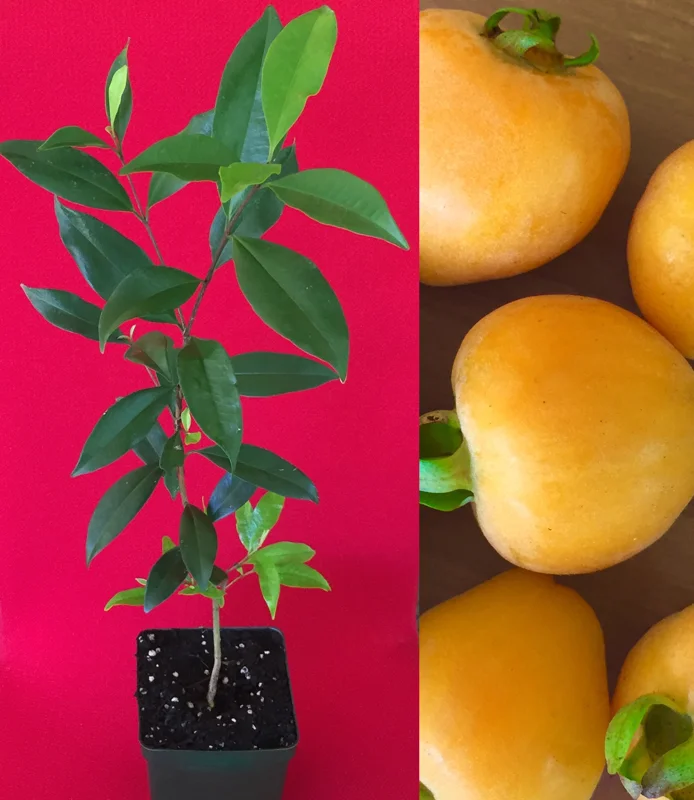
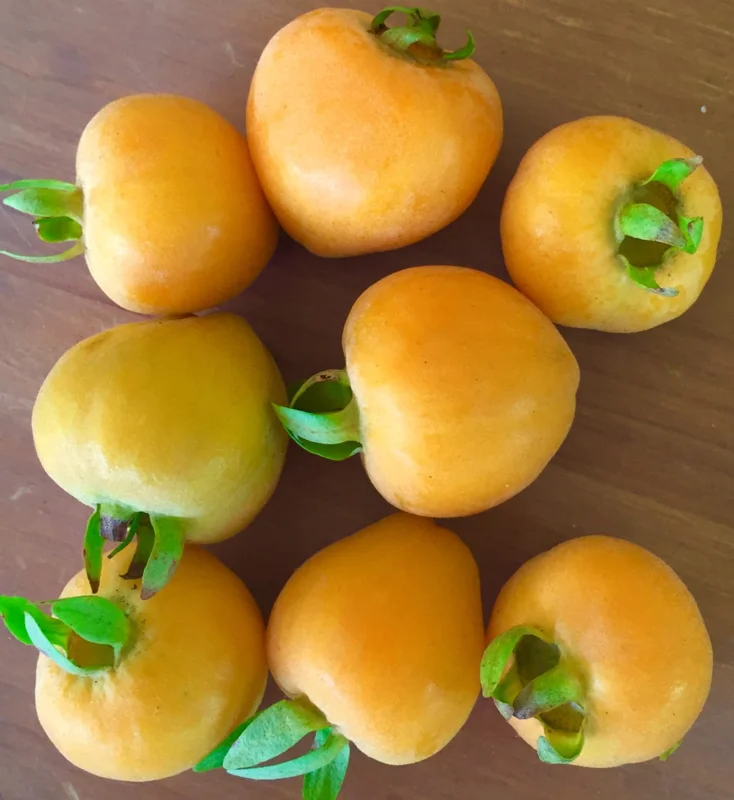
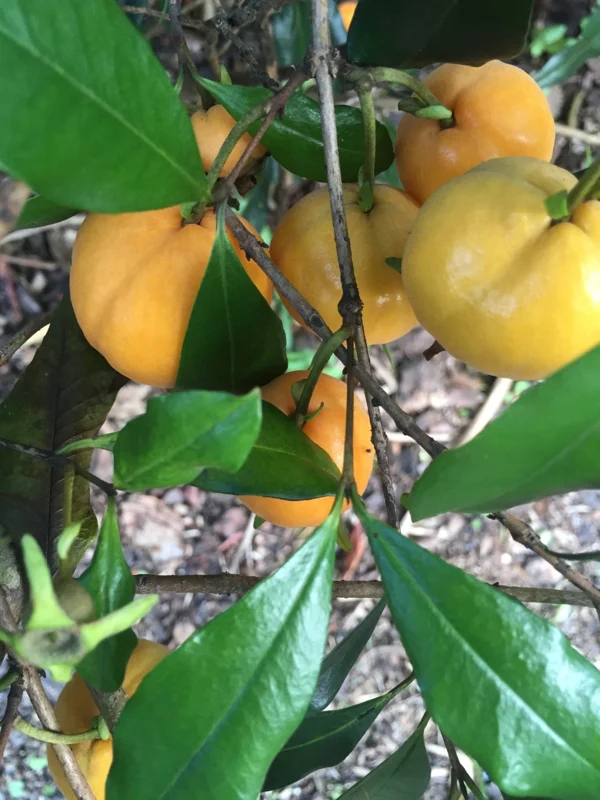
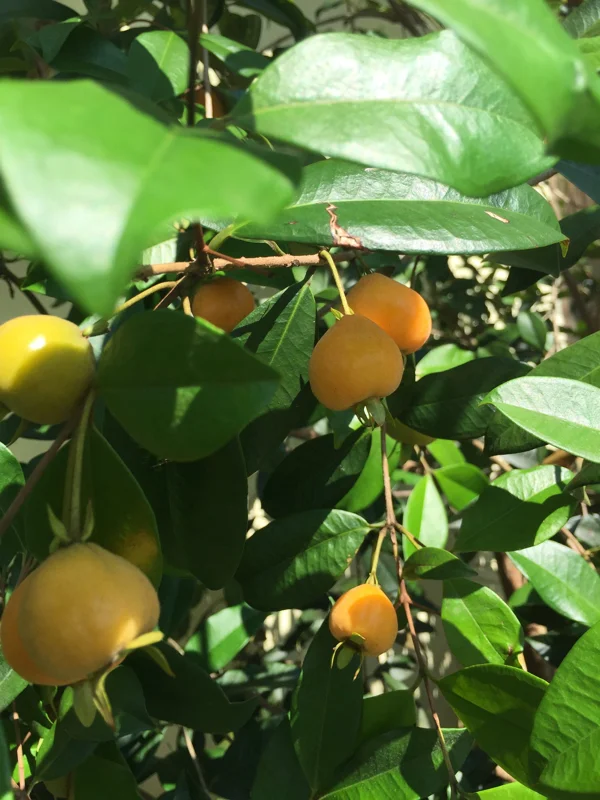
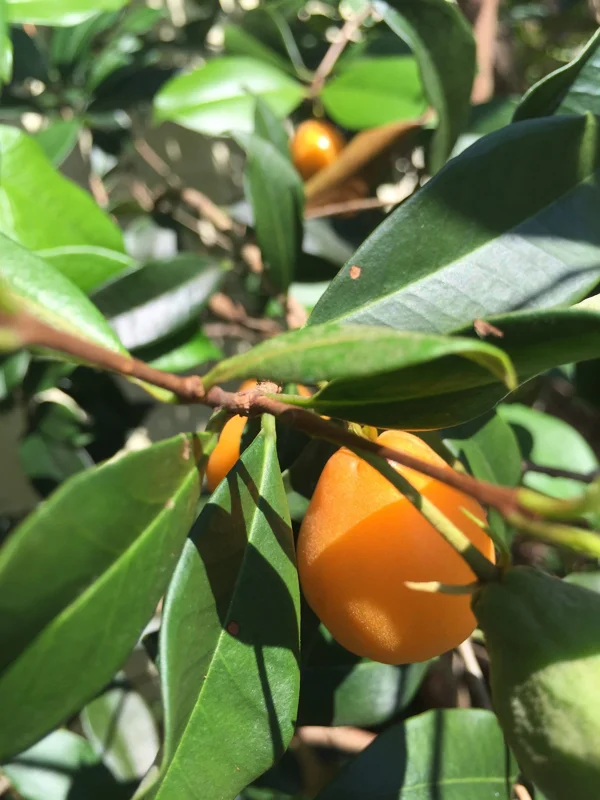
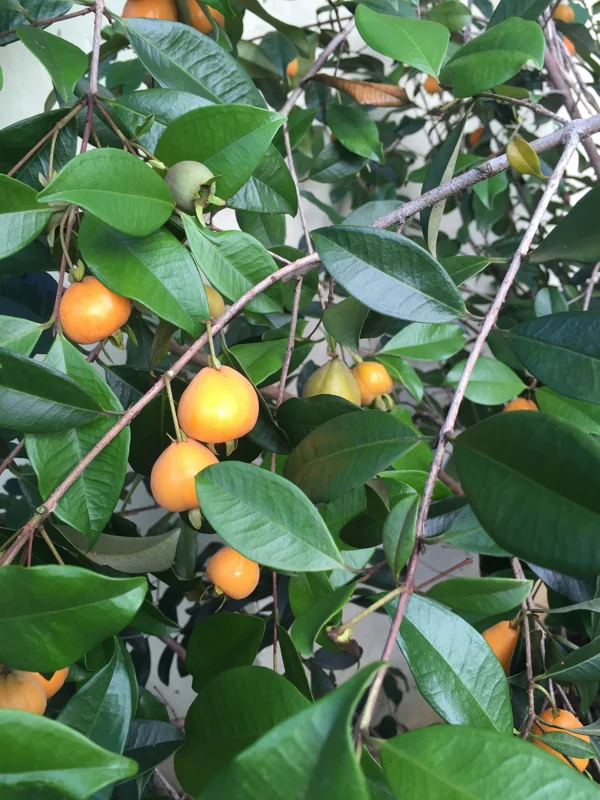
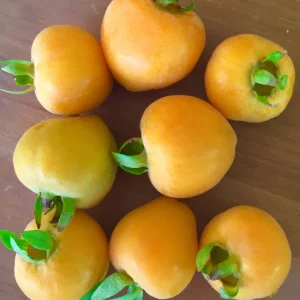
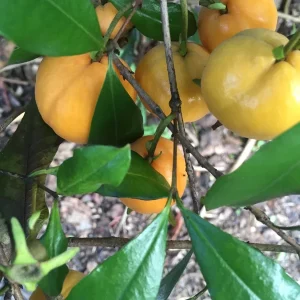
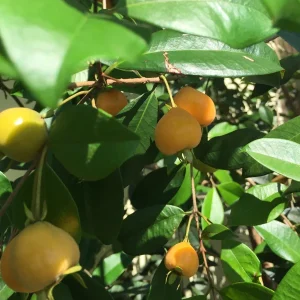
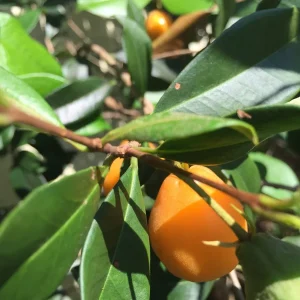
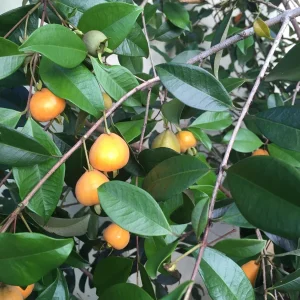
Bring the taste of the tropics to your home garden with this vibrant pitomba live plant. Scientifically known as Eugenia Luschnathiana tree, this starter plant offers the promise of abundant, delectable fruit. Originating from Brazil and cultivated in South Florida since the early 20th century, the pitomba is renowned for its attractive appearance and highly aromatic, cherry-like fruits. These bright orange-yellow treasures boast a soft, melting, juicy flesh with a unique sweet and slightly acidic flavor, often compared to apricots. Whether you’re an experienced horticulturist or a budding enthusiast, this dwarf fruit tree is an excellent choice for adding a touch of exotic flavor and beauty to your landscape or patio. It’s a slow-growing species, making it perfectly suited for container cultivation, allowing even those with limited space to enjoy its bounty.
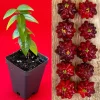
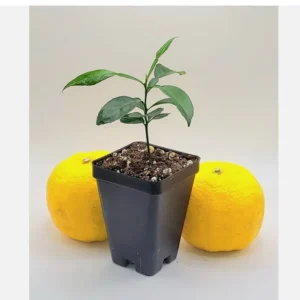
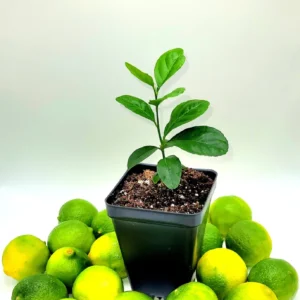
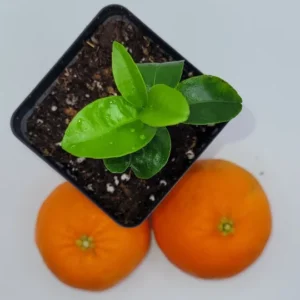
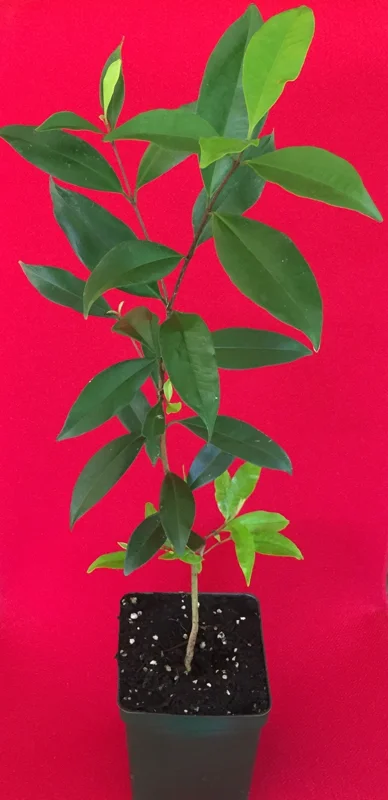
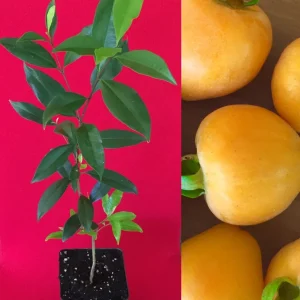
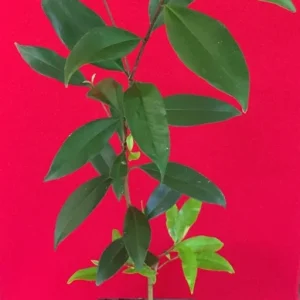
This offering is for a healthy pitomba live plant, typically measuring 6-10 inches tall (excluding pot height), and provided in a 2.5″ or 3″ square pot. It’s grown organically, ensuring a robust start for your future fruit producer. The pitomba is not only a source of delicious fruit but also an ornamental addition to any garden, with its charming, small tree habit. Cultivating your own fruit provides the satisfaction of fresh, homegrown produce and the joy of watching a plant mature and yield its sweet rewards. This particular variety is grown from prolific parent trees, ensuring good fruit production.
Key Benefits
The pitomba live plant offers a multitude of benefits, from its delicious fruit to its adaptable nature, making it a highly desirable addition to any garden or patio. Discover why this unique fruit tree is a fantastic choice:
- Exotic and Delicious Fruit: Enjoy an abundance of bright orange-yellow, cherry-like fruits. The soft, melting, juicy flesh delivers a highly aromatic, slightly acid, sweet flavor, often likened to an apricot. These fruits are excellent for fresh eating, jellies, and preserves, offering a unique culinary experience.
- Compact and Container-Friendly: As a slow-growing dwarf fruit tree, the pitomba is ideal for container gardening. This makes it perfect for patios, balconies, or smaller gardens where space is a premium, allowing you to easily move it indoors during colder months.
- Attractive Ornamental Plant: Beyond its fruit, the pitomba is an attractive small tree that adds aesthetic appeal to your landscape. Its lush foliage and vibrant fruits create a beautiful focal point.
- Relatively Cold Tolerant: This Eugenia Luschnathiana tree exhibits a commendable cold tolerance down to 27 °F, making it suitable for a wider range of climates than many other tropical fruits, especially with proper protection.
- Versatile Soil Adaptability: While preferring acidic conditions, the pitomba grows readily in a wide variety of soils, offering flexibility in planting locations. It also boasts excellent salt tolerance when nutritionally well-maintained.
- Good Wind Resistance: The pitomba displays high wind tolerance, making it a resilient choice for various outdoor settings, even in areas prone to breezy conditions.
- Organically Grown Starter: Your pitomba live plant is grown organically, ensuring a healthy and chemical-free start for your fruit-bearing journey.
Plant Care & Growing Tips
Caring for your pitomba live plant is relatively straightforward, ensuring you can enjoy its delicious fruits for years to come. This resilient Eugenia Luschnathiana tree adapts well to various conditions, but optimal care will lead to the best fruit production. For light requirements, the pitomba thrives in full sun but can tolerate partial shade. Aim for at least 6-8 hours of direct sunlight daily for the best fruit yield and plant health. If grown indoors or in a greenhouse, ensure it receives bright, direct light or supplement with grow lights.
When it comes to watering, the pitomba prefers consistent moisture but dislikes soggy roots. Water thoroughly when the top inch of soil feels dry to the touch, and allow excess water to drain away. Reduce watering slightly during cooler months. The tree grows well in a wide variety of soils, but for best results and fewer micronutrient problems, aim for acidic conditions with a pH preference of 5.5-7.0. A well-draining potting mix or garden soil amended with organic matter will provide an ideal environment. The dwarf fruit tree exhibits a cold tolerance down to 27 °F, but young plants, especially, will benefit from protection if temperatures are expected to drop below freezing. For those in colder climates, growing it as a container plant allows for easy relocation indoors during winter.
Fertilize your pitomba fruit tree during its active growing season, from spring through summer, with a balanced, slow-release fertilizer or an organic fruit tree fertilizer. Follow the product’s instructions for application rates. This slow-growing plant does not require heavy pruning, primarily needing shaping and removal of any dead or diseased branches. The pitomba is generally hardy and wind tolerant. Ensure good air circulation to prevent fungal issues. Remember that small plants require protection from extreme cold, wind, sun, and dry-out initially. Allow the plant a week or two to adjust to its new home before transplanting or fertilizing, and gradually increase its exposure to sunlight if moving it outdoors.
Size & Details
This offering provides one pitomba live plant, a Eugenia Luschnathiana tree starter, that typically stands 6-10 inches tall. Please note that this measurement does not include the height of the pot. The plant is shipped in either a 2.5-inch or 3-inch square pot, providing a sturdy base for its initial growth. The pitomba is known for its slow growth habit, which contributes to its suitability as a dwarf fruit tree and an excellent container plant. While growth rates can vary based on environmental conditions and care, you can expect a steady, manageable growth from this starter plant.
The fruiting season for the pitomba generally occurs from April to August, with a potential for a light fall crop, offering a prolonged period of harvest. This plant is a fantastic choice for those looking to cultivate a fruit tree that remains compact and productive. Its moderate size makes it adaptable to various garden designs, and its ability to thrive in containers offers flexibility for different living situations. The plant is a starter, meaning it is still young and will require nurturing to reach its full fruiting potential, but it provides a robust foundation for a rewarding gardening experience.
Frequently Asked Questions
- Q: How big does this pitomba live plant get? A: This particular offering is for a starter plant, typically 6-10 inches tall (excluding the pot). The pitomba is a slow-growing, small tree, making it an excellent dwarf fruit tree that can be maintained at a manageable size, especially when grown in a container.
- Q: Is this an indoor or outdoor plant? A: The Eugenia Luschnathiana tree can be grown both indoors and outdoors. It thrives outdoors in warmer climates (cold tolerant to 27 °F) and makes an excellent container plant that can be moved indoors during colder periods.
- Q: How much sunlight does it need? A: The pitomba prefers full sun for optimal growth and fruit production but can tolerate partial shade. Aim for at least 6-8 hours of direct sunlight daily if possible.
- Q: Is this plant easy to care for? A: Yes, the pitomba plant care is relatively easy. It’s adaptable to various soils and has good wind tolerance. Consistent watering and adequate sunlight are key, making it suitable for gardeners of different experience levels.
- Q: What condition will the pitomba live plant arrive in? A: Your pitomba live plant will arrive as a healthy starter plant in a 2.5″ or 3″ square pot. It is important to provide it with a period of adjustment in a moderate temperature and shaded environment upon arrival before transplanting or exposing it to full sun.
- Q: How long until it produces fruit? A: While this is a starter plant, a well-cared-for pitomba fruit tree can begin producing fruit within a few years. The fruiting season typically runs from April to August, with a possible light fall crop.
- Q: What type of soil does the Eugenia Luschnathiana tree prefer? A: The pitomba grows readily in a wide variety of soils but shows fewer micronutrient problems under acidic conditions. A well-draining soil with a pH of 5.5-7.0 is ideal.
- Q: Can I grow this pitomba fruit tree in a small garden or on a patio? A: Absolutely! Due to its slow growth habit and compact nature, the pitomba is an excellent choice as a dwarf fruit tree and thrives exceptionally well in containers, making it perfect for small gardens, patios, or balconies.
- Q: What is the cold tolerance of this pitomba live plant? A: The pitomba has a cold tolerance of 27 °F. In areas where temperatures drop below this, it’s recommended to provide protection or grow it in a container to move indoors.
- Q: How often should I fertilize my pitomba plant? A: Fertilize during the active growing season (spring to summer) with a balanced, slow-release fertilizer or an organic fruit tree fertilizer. Always follow the product’s instructions for application rates.


Reviews
There are no reviews yet.