
Overview
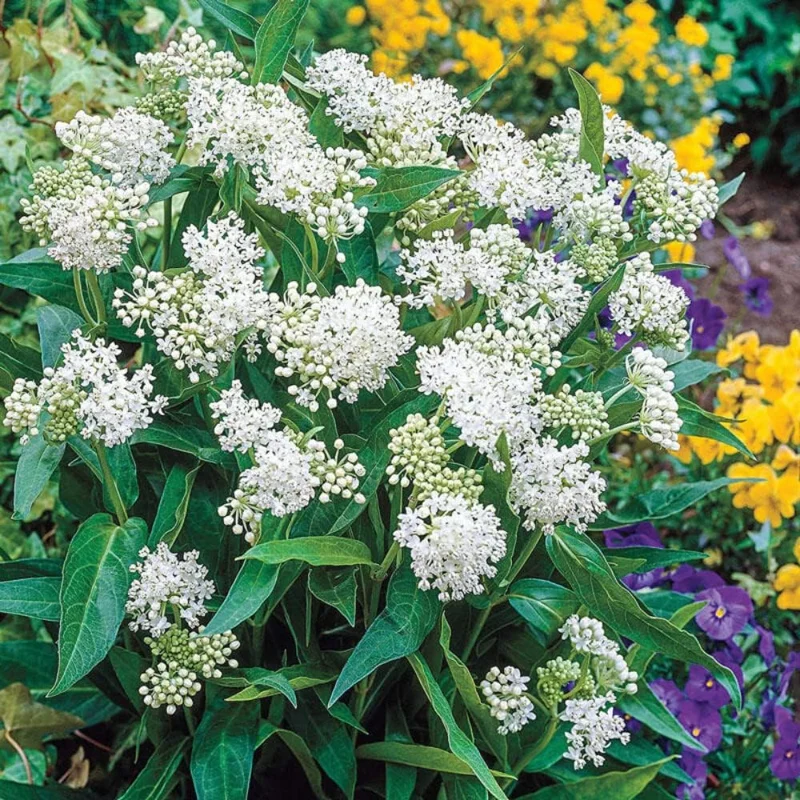
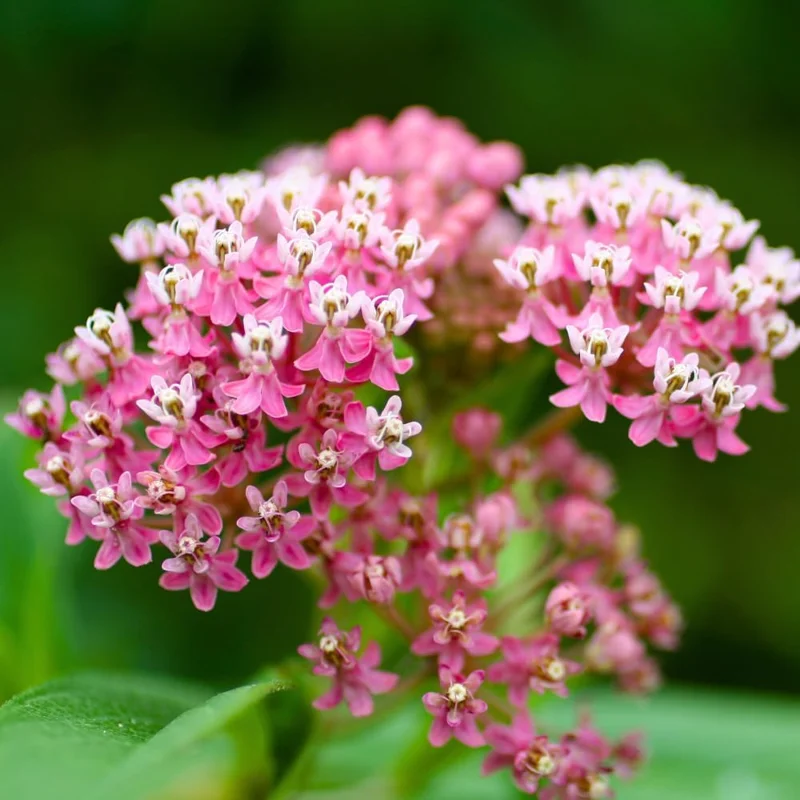
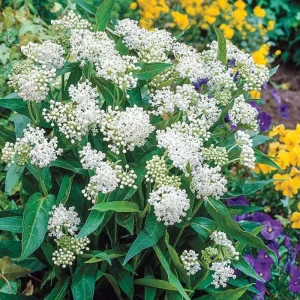
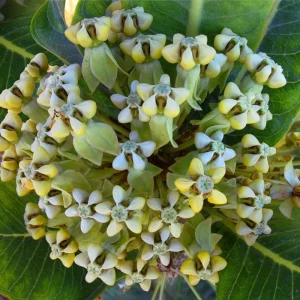
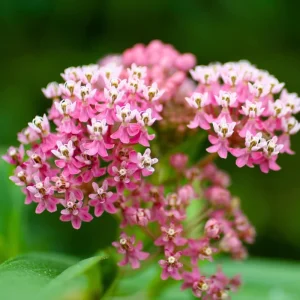
Introduce the beauty and ecological significance of the swamp milkweed live plant to your outdoor space. This offering includes a pack of two robust plants, scientifically known as Asclepias incarnata, renowned for their stunning clusters of pink to rose-purple flowers. Unlike some milkweed varieties, swamp milkweed live plant thrives in moist to wet soils, making it an excellent choice for rain gardens, pond edges, or areas with consistent moisture, though it is also adaptable to average garden conditions. These perennial plants are a cornerstone for biodiversity, primarily serving as the exclusive host plant for monarch butterfly caterpillars. By planting these beautiful and vital specimens, you directly contribute to the conservation efforts of these iconic pollinators, providing both larval food and nectar for adult butterflies.
Key Benefits
Cultivating swamp milkweed live plant offers a multitude of advantages for your garden and local ecosystem. These plants are not only visually appealing but also play a crucial role in supporting wildlife and enhancing garden health. Beyond their ecological value, they are relatively low-maintenance once established, making them a rewarding addition for gardeners of all experience levels.
- Monarch Butterfly Habitat: Provides essential food for monarch caterpillars, making it a critical component for monarch conservation. Your garden becomes a sanctuary for these beautiful insects, allowing you to witness their life cycle firsthand.
- Vibrant Pink Blooms: Features attractive clusters of rosy-pink flowers that add a splash of color to your garden from mid-summer to early fall, creating a visually appealing landscape. The delicate fragrance also attracts a variety of beneficial insects.
- Pollinator Magnet: Beyond monarchs, the nectar-rich flowers attract a wide array of pollinators, including bees, other butterflies, and hummingbirds, enriching your garden’s biodiversity. This makes your garden a bustling hub of activity.
- Adaptable & Resilient: While preferring moist soil, this swamp milkweed live plant is surprisingly adaptable to various soil conditions, including clay and average garden soils, making it a versatile choice for different garden settings.
- Perennial Growth: As a perennial, it returns year after year, establishing a long-term food source for monarchs and other pollinators without the need for annual replanting. This ensures a consistent cycle of beauty and ecological support.
- Low Maintenance: Once established, Asclepias incarnata requires minimal care, tolerating a range of conditions and resisting most pests and diseases, allowing you to enjoy its benefits with less effort.
- Garden Design Versatility: Ideal for native plant gardens, wildlife gardens, rain gardens, borders, or naturalized areas, adding both aesthetic appeal and ecological function. The upright growth habit adds structure to garden beds.
Plant Care & Growing Tips
Caring for your swamp milkweed live plant is straightforward, especially when you understand its preferred conditions. These plants are generally robust and forgiving, making them suitable for various garden styles. Ensuring the right balance of sunlight, water, and soil will lead to thriving plants that consistently attract pollinators. Proper care also extends the blooming period and overall health of your pink milkweed plant.
Sunlight Requirements: Swamp milkweed thrives in full sun, meaning it needs at least 6 hours of direct sunlight per day to produce the most abundant blooms and healthiest growth. While it can tolerate partial sun, flowering may be reduced. When planting your outdoor milkweed plant, choose a location that receives ample morning and afternoon sun.
Watering Schedule & Soil Moisture: This species is unique among milkweeds for its preference for consistent moisture. It performs best in consistently moist to wet soil, making it ideal for low-lying areas, rain gardens, or near water features. However, it is also adaptable and can tolerate average garden soil once established, provided it receives regular watering during dry spells. Avoid letting the soil completely dry out, especially during the establishment phase. Good drainage is still important to prevent root rot, even in moist conditions.
Soil Type & Drainage: Swamp milkweed live plant prefers rich, loamy, or clay soils that retain moisture well. It is highly adaptable and can even tolerate poor soils, but good soil structure will promote stronger growth. Ensure the planting site has adequate drainage to prevent waterlogging, even though it likes moisture. A well-drained soil rich in organic matter will provide the best environment for healthy growth and robust flowering. If your soil is sandy, amending it with compost can improve its water retention capabilities.
Temperature Range & USDA Hardiness Zone: This perennial is cold-hardy and generally grows well in USDA zones 3-9. It can withstand freezing temperatures in winter, dying back to the ground and re-emerging in spring. It tolerates a wide range of summer temperatures, making it suitable for many regions across the United States. Understanding asclepias incarnata care within your specific hardiness zone is key to its long-term success.
Fertilization: In most garden soils, swamp milkweed does not require heavy fertilization. If your soil is particularly poor, a light application of a balanced, slow-release granular fertilizer in early spring can be beneficial. Avoid over-fertilizing, which can promote leafy growth at the expense of flowers and nectar production. Composting around the base of the plant annually can also provide sufficient nutrients.
Size & Details
You will receive a pack of 2 healthy swamp milkweed live plant specimens, ready to be planted in your garden. These plants are typically shipped in nursery pots, ensuring they arrive with an intact root ball for easy transplanting and minimal shock. Once established, swamp milkweed can reach a height of 3 to 5 feet and spread about 2 to 3 feet wide, forming an attractive upright clump. It’s a relatively fast-growing perennial, quickly establishing itself in its new environment. Flowering typically occurs from mid-summer to early fall, providing a continuous display of pink blooms and a steady food source for pollinators. These plants are grown specifically to support monarch butterflies, providing a vital resource for their life cycle from caterpillar to adult.
Frequently Asked Questions
- Q: How big does this plant get? A: A mature swamp milkweed live plant typically grows 3 to 5 feet tall and spreads about 2 to 3 feet wide, forming an upright clumping habit. Its size can vary slightly depending on growing conditions and climate.
- Q: What size pot does it come in? A: The pink milkweed plant specimens are typically shipped in nursery pots, ensuring the roots are protected and the plant is ready for transplanting. The exact pot size may vary but will be suitable for the plant’s current stage of growth.
- Q: Is this an indoor or outdoor plant? A: This is an outdoor milkweed plant, best suited for garden beds, borders, or naturalized areas where it can receive ample sunlight and support local ecosystems. It is not recommended for indoor cultivation.
- Q: How much sunlight does it need? A: Swamp milkweed live plant thrives in full sun, requiring at least 6 hours of direct sunlight per day for optimal growth and flowering. It can tolerate partial sun, but blooming may be less prolific.
- Q: Is this plant easy to care for? A: Yes, Asclepias incarnata is considered relatively easy to care for once established. It is adaptable to various soil conditions and is quite resilient, making asclepias incarnata care manageable for most gardeners.
- Q: What condition will it arrive in? A: Your swamp milkweed live plant will arrive well-packaged to ensure its health during transit, typically in a nursery pot with soil. We take great care to protect the plant and its root system.
- Q: Is it shipped in soil? A: Yes, the plants are shipped in their nursery pots with soil to minimize stress and provide a smooth transition to your garden. This method helps maintain root integrity.
- Q: When is the best time to plant? A: The best time to plant swamp milkweed live plant is typically in spring after the last frost, or in early fall. This allows the plant time to establish its root system before extreme weather.
- Q: Will it survive winter in my zone? A: This perennial is hardy in USDA zones 3-9. In these zones, it will die back to the ground in winter and re-emerge in spring, making it a reliable returner for many years.
- Q: Is this milkweed for monarch butterflies? A: Absolutely! Swamp milkweed live plant is one of the most important host plants for monarch butterfly caterpillars. Planting it directly supports the monarch population by providing essential food for their larval stage.


Reviews
There are no reviews yet.