
Overview
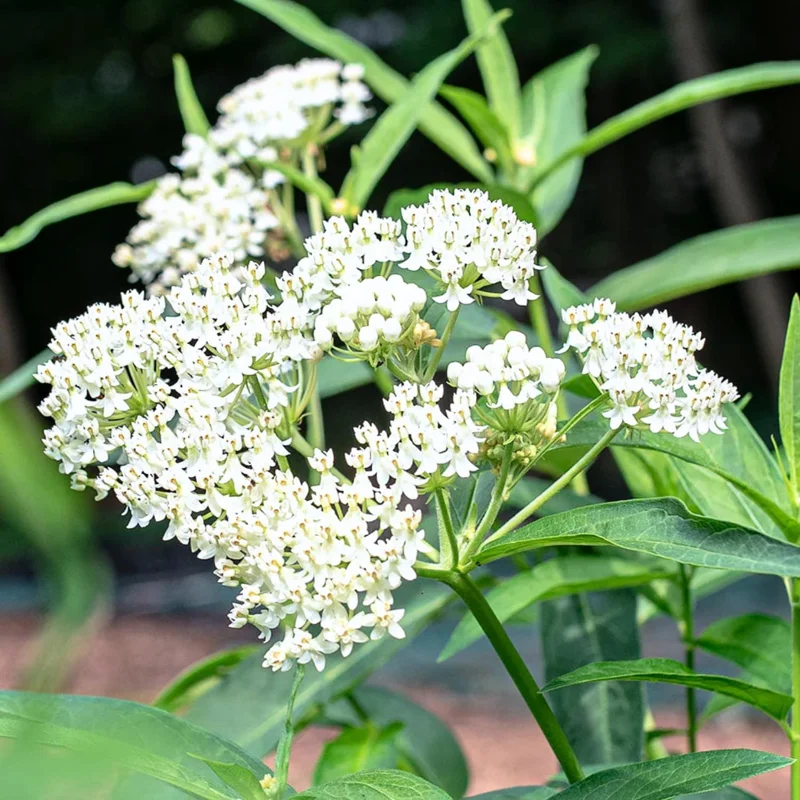
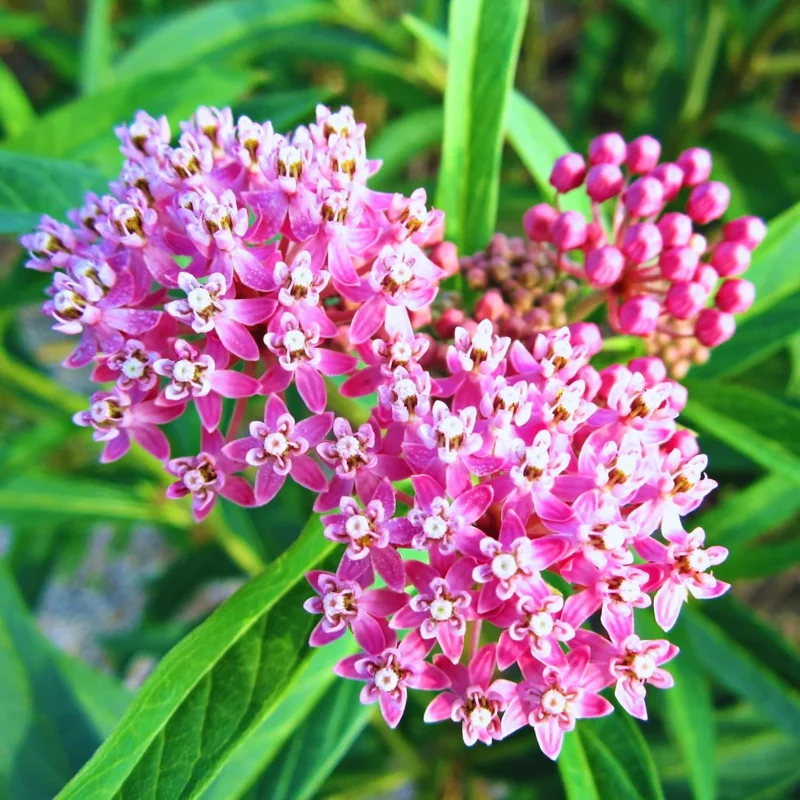
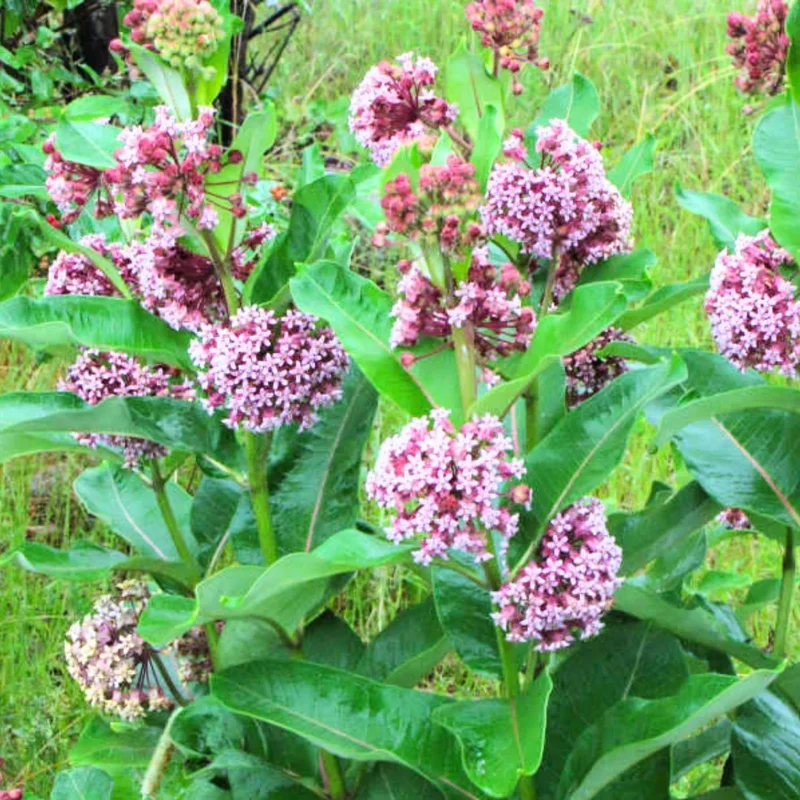
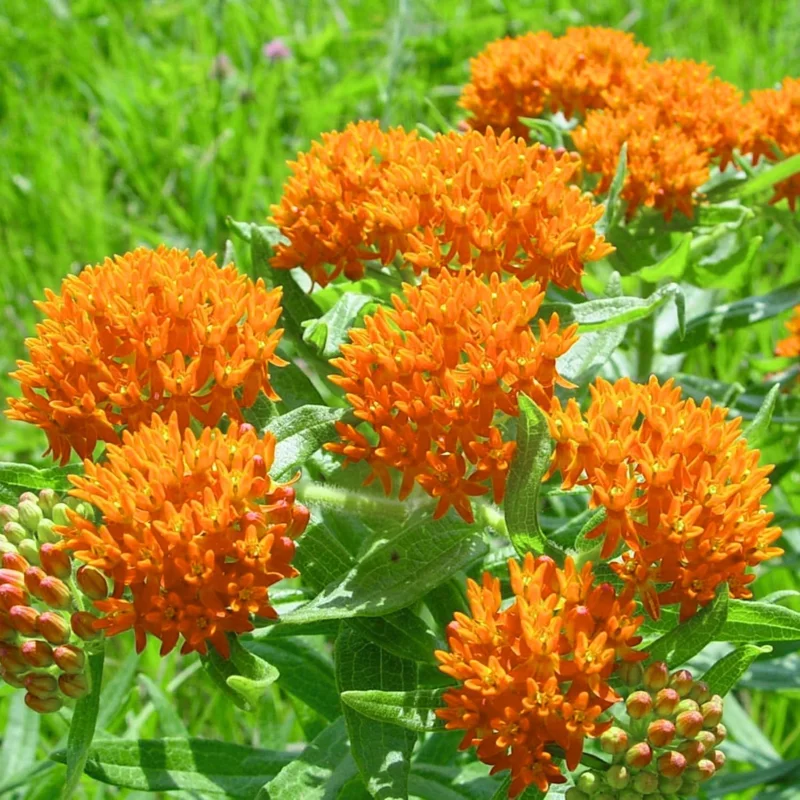
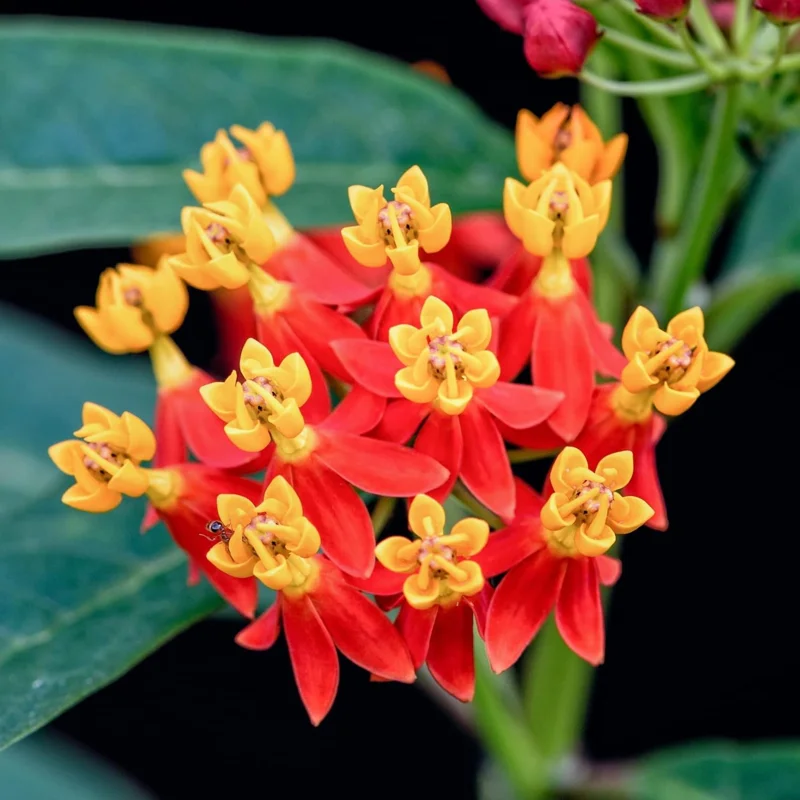
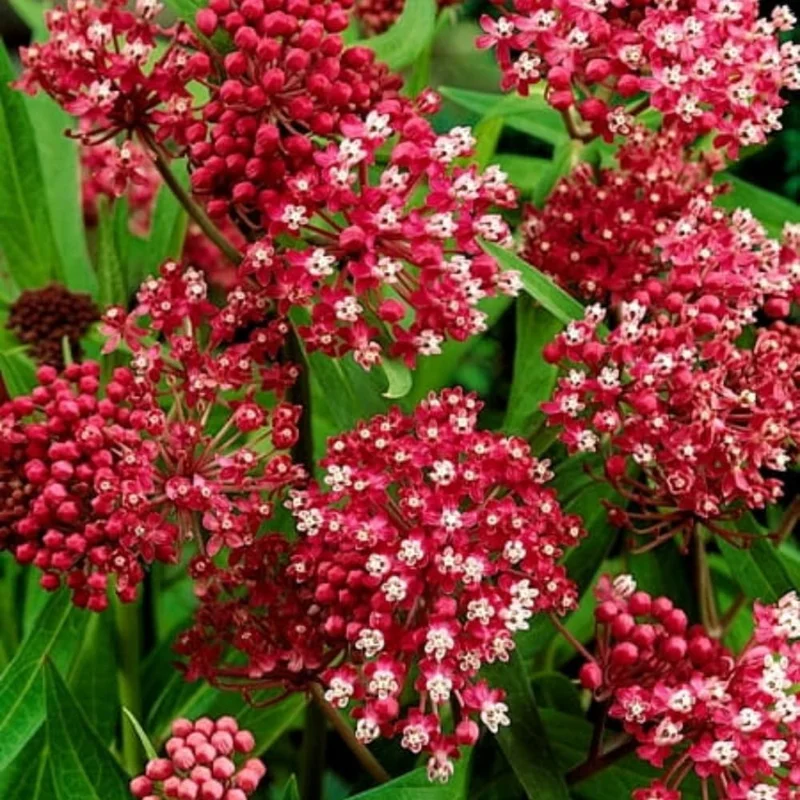
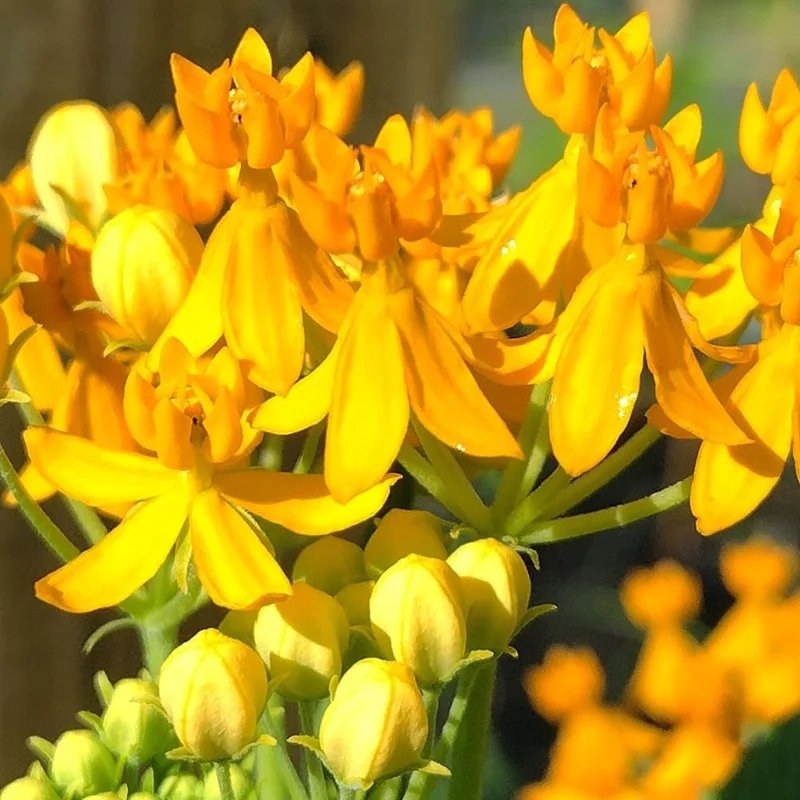
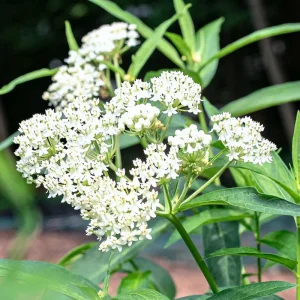
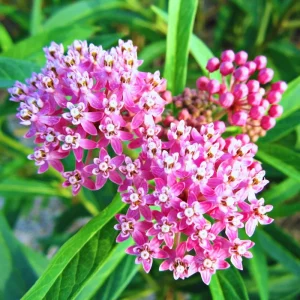
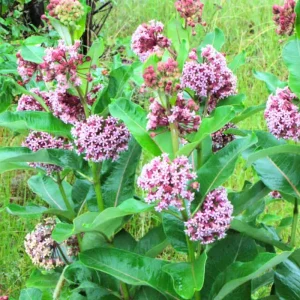
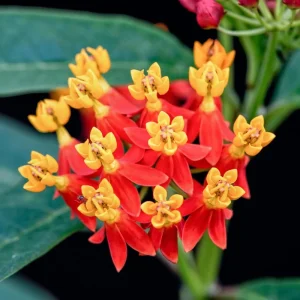
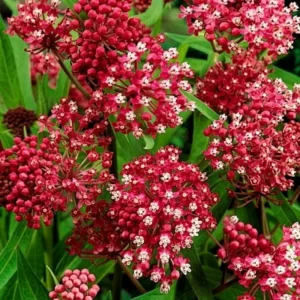
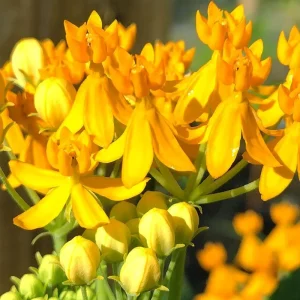
Transform your garden into a vibrant haven for pollinators with our exquisite butterfly milkweed live plant. This offering includes two healthy, well-rooted plants, each standing between 4 to 9 inches tall, ready to be planted directly into your outdoor spaces. Known scientifically as Asclepias Tuberosa, this particular species is often referred to as broadleaf milkweed due to its distinctive foliage. Unlike some of its milkweed relatives, the butterfly milkweed live plant does not produce milky sap, making it a unique and delightful addition to any garden. These robust perennials are celebrated for their brilliant orange flowers, which bloom from spring through late summer, providing continuous nectar for bees, butterflies, and other beneficial insects. Crucially, they serve as a primary host plant for monarch butterfly caterpillars, playing a vital role in the monarch life cycle. By introducing these tropical milkweed plants to your landscape, you are not only adding aesthetic beauty but also contributing significantly to local biodiversity and conservation efforts. Their easy-care nature and stunning visual appeal make them a top choice for both novice and experienced gardeners looking to make an ecological impact.
Key Benefits
Investing in tropical milkweed plants for your garden brings a multitude of environmental and aesthetic advantages. These plants are more than just beautiful; they are a cornerstone for a thriving ecosystem, offering several compelling benefits:
- Pollinator Magnet: The bright orange flowers of the butterfly milkweed live plant are irresistible to a wide array of pollinators, including bees, hummingbirds, and especially monarch butterflies, making your garden a lively hub of activity.
- Monarch Host Plant: As a crucial host plant, Asclepias Tuberosa provides the sole food source for monarch caterpillars, directly supporting the survival and reproduction of these iconic butterflies. Planting these helps in growing milkweed for monarchs and aids in their conservation.
- Drought Tolerant: Once established, these plants are remarkably resilient and can withstand periods of drought, requiring less frequent watering compared to many other flowering perennials, making them an excellent choice for water-wise gardening.
- Low Maintenance: Asclepias tuberosa care is relatively simple. These plants are generally pest-resistant and require minimal intervention once settled, allowing you to enjoy their beauty without constant fuss.
- Long Blooming Season: Enjoy a prolonged display of vivid orange blooms from spring into late summer, ensuring continuous color and pollinator activity in your garden for months.
- Versatile Landscaping: Perfect for borders, rock gardens, wild gardens, or naturalized areas, their upright growth habit and striking color make them a versatile and impactful addition to various garden designs.
- Erosion Control: Their deep root systems help to stabilize soil, making them beneficial for areas prone to erosion, further enhancing their ecological value.
Plant Care & Growing Tips
Ensuring the success of your butterfly milkweed live plant involves understanding its specific needs. These plants thrive with adequate sunlight and well-drained soil. For optimal growth and abundant blooms, plant your milkweed in a location that receives full sun, meaning at least 6 or more hours of direct sunlight daily. In hotter climates, some afternoon shade can be beneficial to prevent scorching, but generally, more sun equals more flowers. When it comes to soil, Asclepias tuberosa care emphasizes well-drained conditions. Sandy or rocky soils are often ideal, as these plants dislike consistently wet feet, which can lead to root rot. If your soil is heavy clay, consider amending it with organic matter or sand to improve drainage before planting.
Watering should be consistent during the establishment phase, usually the first growing season. Once established, tropical milkweed plants are quite drought-tolerant and will only require supplemental watering during prolonged dry spells. Overwatering is a common mistake to avoid. These plants are cold hardy and suitable for USDA Zones 3-9, meaning they can withstand a wide range of winter temperatures. Fertilization is rarely necessary in rich soils; however, if your soil is poor, a light application of a balanced, slow-release fertilizer in spring can encourage vigorous growth. Deadheading spent flowers can encourage more blooms and prevent self-seeding if desired. Keep an eye out for common garden pests, though milkweed is generally resilient. Understanding the specific benefits of broadleaf milkweed benefits for your local ecosystem will encourage you to provide the best possible care.
Size & Details
This offering includes a set of two robust butterfly milkweed live plant specimens, each carefully nurtured to a height of 4 to 9 inches. These well-rooted plants are shipped ready for immediate outdoor planting, providing a strong foundation for your garden. The plants are typically shipped in nursery pots, ensuring their root systems are protected during transit. With proper care and ideal growing conditions, these tropical milkweed plants will quickly establish and mature, reaching an average height of 1 to 2.5 feet and spreading about 1 to 1.5 feet wide. They exhibit a moderate growth rate, typically blooming in their first year if planted in spring. Expect a spectacular display of red to orange flowers from late spring through late summer, attracting a host of beneficial insects. This broadleaf variety of milkweed is specifically selected for its resilience and ability to thrive in a wide range of environments, making it an excellent choice for various garden designs and purposes, including supporting monarch populations through growing milkweed for monarchs.
Frequently Asked Questions
- Q: How big do these butterfly milkweed plants get? A: These butterfly milkweed live plants typically grow to an average height of 1 to 2.5 feet tall and can spread about 1 to 1.5 feet wide. The plants you receive will be 4-9 inches tall, ready to grow.
- Q: Is this an indoor or outdoor plant? A: This butterfly milkweed live plant is specifically intended for outdoor planting. It thrives in full sun and is a crucial part of outdoor ecosystems, especially for monarch butterflies.
- Q: How much sunlight does Asclepias Tuberosa need? A: For best results and abundant blooms, Asclepias Tuberosa requires full sun exposure, meaning at least 6 or more hours of direct sunlight per day. Adequate light is key for successful Asclepias tuberosa care.
- Q: Is this plant easy to care for? A: Yes, once established, tropical milkweed plants are considered low-maintenance and quite drought-tolerant. They are generally easy for both beginner and experienced gardeners to care for.
- Q: What condition will the plants arrive in? A: The plants are shipped as live, well-rooted specimens, typically in nursery pots, ensuring they are healthy and ready for planting upon arrival.
- Q: When is the best time to plant butterfly milkweed? A: The best time to plant butterfly milkweed live plant is in the spring after the last frost, or in early summer, to allow them to establish before cooler weather.
- Q: Will it survive winter in my zone? A: Butterfly Milkweed (Asclepias Tuberosa) is cold hardy in USDA Zones 3-9, meaning it is perennial in these regions and will return year after year, even after winter.
- Q: What are the main broadleaf milkweed benefits? A: The main benefits include attracting a wide range of pollinators, serving as a critical host plant for monarch butterfly caterpillars, being drought-tolerant, and providing long-lasting ornamental value to your garden.
- Q: Can I help in growing milkweed for monarchs with these plants? A: Absolutely! These plants are essential for monarch survival, as they are the only food source for monarch caterpillars. Planting them directly contributes to monarch conservation efforts.
- Q: What kind of soil is best for these plants? A: These plants prefer well-draining soil, such as sandy or rocky loam. Avoid heavy clay soils that retain too much moisture, as this can lead to root issues.


Reviews
There are no reviews yet.