Overview
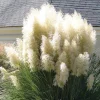
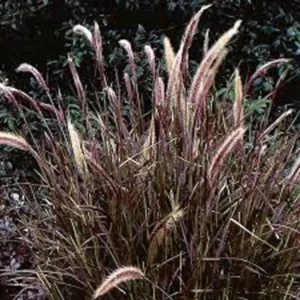
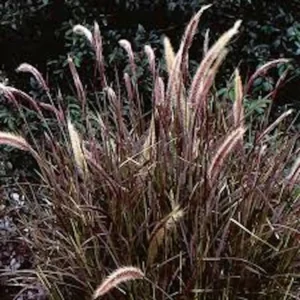
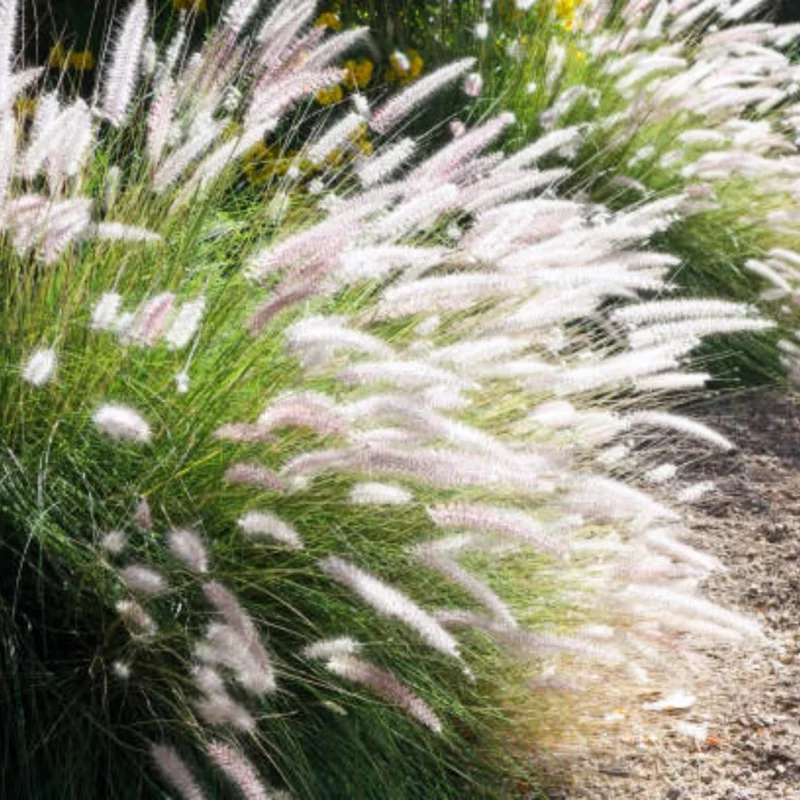
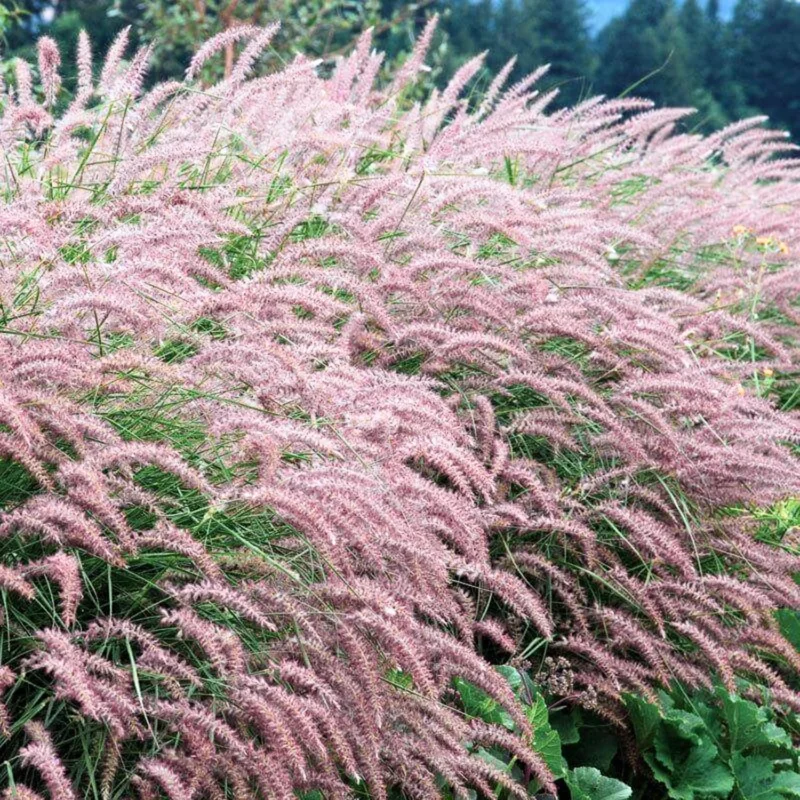
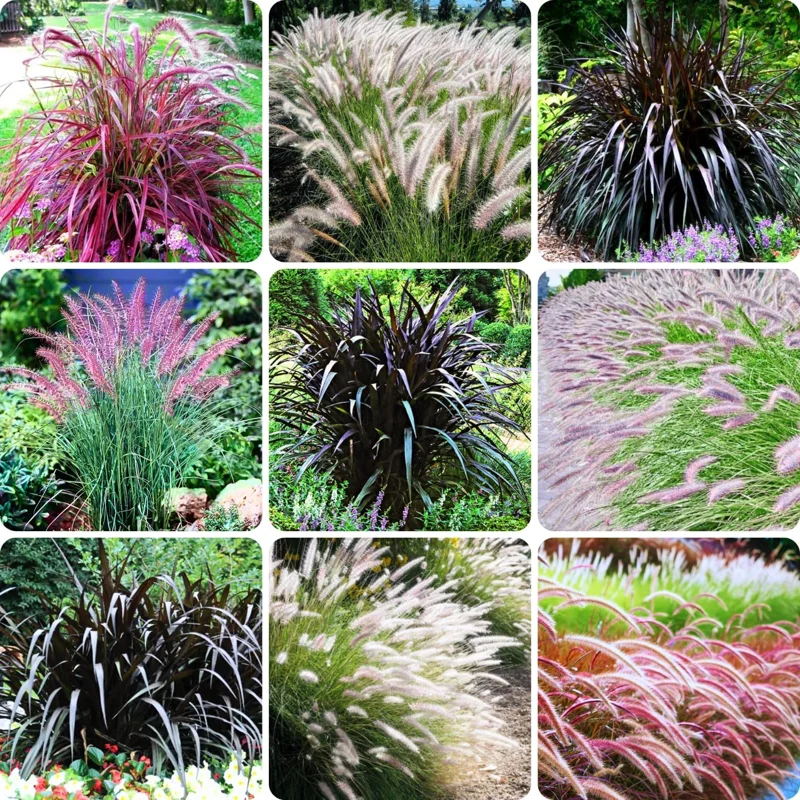
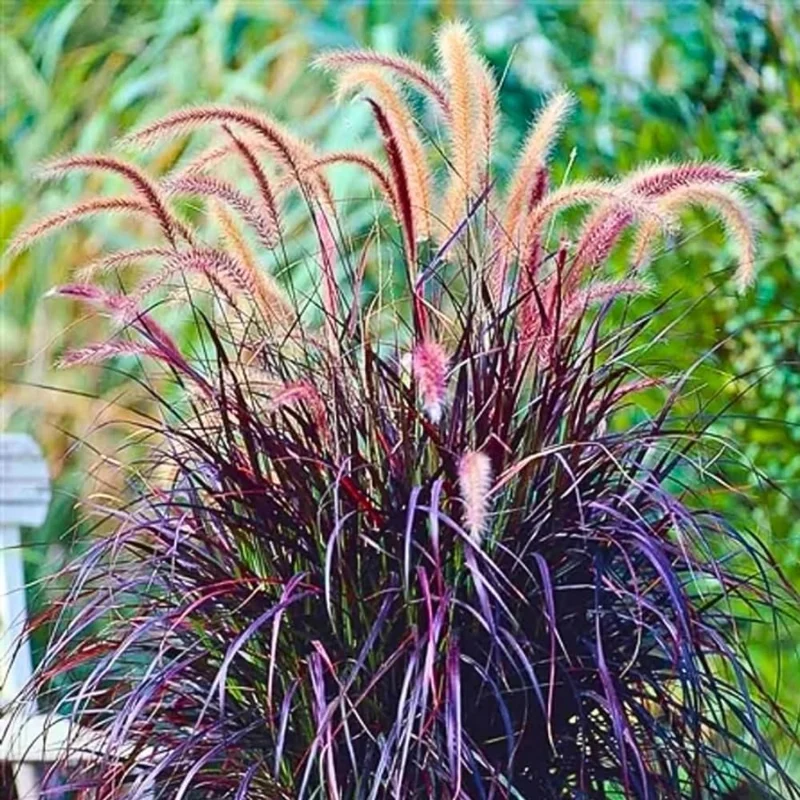
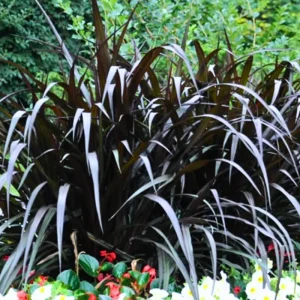
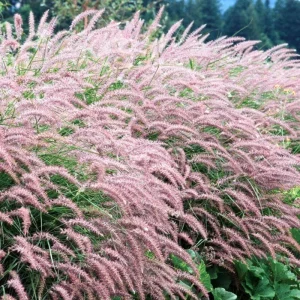
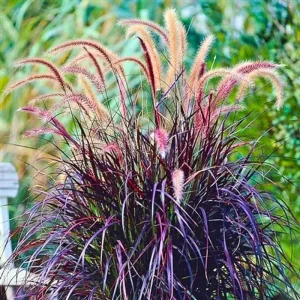
Transform your outdoor space with our stunning white fountain grass live plant 3-pack. These beautiful ornamental grasses, recognized for their graceful, arching white plumes, add texture and movement to any garden design. Fountain grass (Pennisetum alopecuroides) is a popular perennial choice among gardeners for its low maintenance and striking visual appeal. Each plant in this pack arrives well-rooted and ready to thrive, typically measuring 5-9 inches tall, providing an instant impact to your landscape. Whether you’re looking to create dynamic borders, enhance container plantings, or add a soft, natural element to your yard, this ornamental grass perennial offers versatility and enduring beauty. Its unique form and color make it a focal point from late summer through fall, catching the light and swaying gently in the breeze. This robust perennial is an excellent investment for both novice and experienced gardeners seeking to elevate their outdoor aesthetics with minimal effort.
Our well-rooted fountain grass plants are carefully cultivated to ensure they establish quickly in their new environment. Known for their resilience and adaptability, these ornamental grasses are a fantastic addition to various garden styles, from contemporary to cottage gardens. They provide year-round interest, with their foliage offering a lush green backdrop in spring and summer, followed by their signature feathery plumes. The compact growth habit of fountain grass makes it suitable for smaller spaces while still delivering a significant visual statement. Experience the joy of gardening with these vibrant, healthy plants that promise to bring charm and sophistication to your home.
Key Benefits
Investing in white fountain grass live plant offers a multitude of benefits for your garden and lifestyle. These plants are not only beautiful but also incredibly practical, making them a favorite for various landscaping needs.
- Stunning Visual Appeal: The soft, feathery white plumes of fountain grass create a captivating display, adding texture, movement, and a touch of elegance to any garden. They are particularly striking when backlit by the sun.
- Low Maintenance: Once established, fountain grass requires minimal care, making it an ideal choice for busy gardeners. It’s drought-tolerant and generally pest and disease resistant, simplifying your gardening tasks.
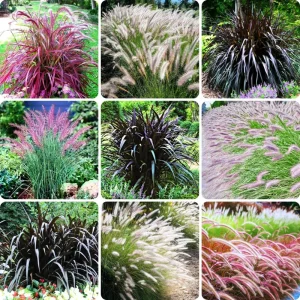
- Versatile Landscaping: Perfect for a variety of uses, including mass plantings, borders, edgings, rock gardens, and container gardening. Its adaptable nature allows it to fit seamlessly into diverse garden designs.
- Year-Round Interest: Provides seasonal beauty, from lush green foliage in warmer months to attractive dried seed heads that persist through winter, offering continuous appeal even in colder climates.
- Erosion Control: The fibrous root system of fountain grass helps stabilize soil, making it an excellent choice for slopes or areas prone to erosion, contributing to a healthier landscape.
- Attracts Wildlife: While not a primary food source, the dense foliage can offer shelter for small birds, and the seed heads can be a minor food source for some wildlife, enhancing garden biodiversity.
- Deer Resistant: Generally unpalatable to deer, making it a reliable choice for gardens in areas where deer browsing is a concern. Enjoy its beauty without constant worry.
Plant Care & Growing Tips
Caring for your white fountain grass live plant is straightforward, ensuring a beautiful and thriving addition to your garden with minimal effort. These resilient ornamental grass perennial plants are known for their hardiness and adaptability, making them suitable for gardeners of all experience levels. For optimal growth, plant your fountain grass in a location that receives full sun, meaning at least six hours of direct sunlight per day. While it can tolerate partial shade, too little sun may result in fewer blooms and a less vigorous growth habit. Ensure the planting site has well-drained soil; sandy or loamy mixes are ideal. Avoid heavy clay soils that retain too much moisture, as this can lead to root rot. Good drainage is crucial for the health of your well-rooted fountain grass.
When it comes to watering, fountain grass is quite drought-tolerant once established. Water regularly during its first growing season to help it develop a strong root system. After that, supplemental watering is usually only needed during extended dry periods. Overwatering should be avoided. Fertilization is generally not necessary, especially in rich garden soils. If your soil is poor, a light application of a balanced slow-release fertilizer in early spring can be beneficial, but avoid excessive feeding, which can lead to leggy growth. These plants are cold hardy in USDA Zones 5-11, making them suitable for a wide range of climates. In colder zones, the foliage will die back in winter, and it’s best to cut it back to a few inches above the ground in late winter or early spring before new growth emerges. This practice helps maintain a tidy appearance and encourages robust new growth. Keep an eye out for common garden pests, though fountain grass is generally resistant, and address any issues promptly with appropriate organic solutions.
Size & Details
Each purchase includes a 3-pack of healthy white fountain grass live plant specimens, each typically reaching a height of 5-9 inches upon arrival. These young, vigorous plants are delivered well-rooted in individual nursery pots, ensuring a smooth transition to your garden or containers. When mature, this ornamental grass perennial can grow to an impressive size, generally reaching 2-3 feet tall and equally wide, forming attractive, dense clumps. The growth rate is moderate, allowing you to enjoy its full beauty within one to two growing seasons. The distinctive white, bottlebrush-like plumes emerge in late summer, adding a soft, airy texture that lasts well into the fall and even through winter, providing extended seasonal interest. These plants are an excellent choice for creating dynamic visual effects and adding natural beauty to your landscape.
Frequently Asked Questions
- Q: How big does this plant get? A: Each white fountain grass live plant typically arrives 5-9 inches tall. When mature, it can reach an average height and spread of 2-3 feet, forming a beautiful, dense clump in your garden.
- Q: Is this an indoor or outdoor plant? A: Fountain grass is primarily an outdoor ornamental grass. It thrives in garden beds, borders, and outdoor containers, preferring full sun exposure for best growth and flowering.
- Q: How much sunlight does it need? A: This ornamental grass perennial prefers full sun, which means at least 6 hours of direct sunlight per day. While it can tolerate partial shade, more sun will lead to healthier growth and more abundant plumes.
- Q: Is this plant easy to care for? A: Yes, fountain grass is known for being very easy to care for. Once established, it is drought-tolerant and requires minimal maintenance, making it an excellent choice for beginners and experienced gardeners alike. This makes fountain grass care simple.
- Q: What condition will it arrive in? A: Your well-rooted fountain grass plants will arrive healthy and well-rooted in individual nursery pots, carefully packaged to ensure their safe journey and readiness for planting.
- Q: When is the best time to plant? A: The best time to plant fountain grass is in spring after the last frost, or in early fall. This allows the plant sufficient time to establish its root system before extreme weather conditions.
- Q: Will it survive winter in my zone? A: Fountain grass is cold hardy in USDA Zones 5-11. In zones 5-8, the foliage will die back in winter but will reliably return in spring. In milder zones, it may remain evergreen.
- Q: Can I use this for container gardening? A: Absolutely! The compact nature of fountain grass makes it an excellent choice for container gardening, either as a standalone specimen or as part of a mixed arrangement, adding height and texture. It’s a great option for landscaping grasses in pots.
- Q: What kind of soil does it prefer? A: Fountain grass thrives in well-drained soil. Sandy or loamy soil types are ideal. Avoid heavy clay soils that can retain too much moisture, which may lead to root issues.
- Q: Does this plant attract pollinators? A: While primarily grown for its ornamental foliage and plumes, some small beneficial insects may visit the seed heads. It’s more of a structural plant than a pollinator magnet.


Reviews
There are no reviews yet.