Overview
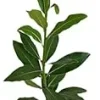
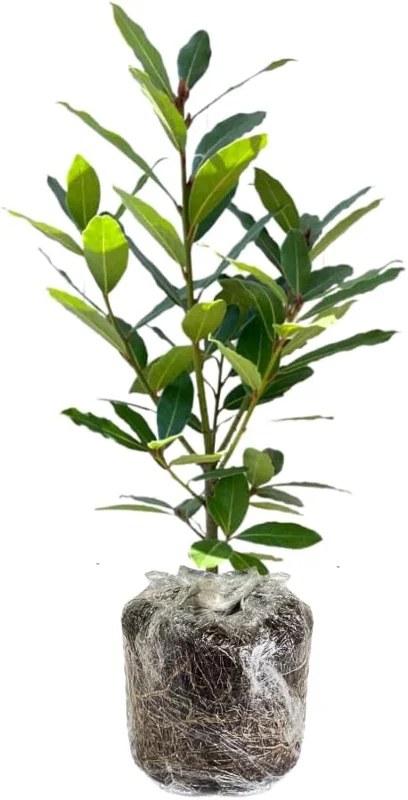
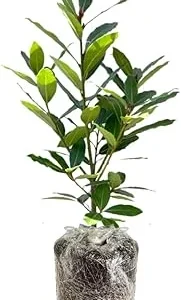
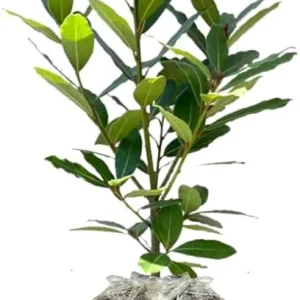
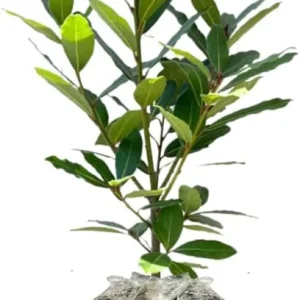
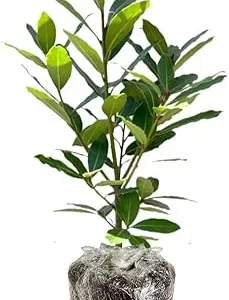
Bring the delightful aroma and flavor of fresh bay leaves into your home with this beautiful bay leaf live plant. Scientifically known as Laurus nobilis plant, this evergreen shrub is commonly referred to as sweet bay laurel. Renowned for its glossy, aromatic leaves, the bay leaf plant is a staple in kitchens worldwide, adding a distinctive, subtle flavor to soups, stews, sauces, and many other dishes. This hardy and adaptable plant can be grown successfully both indoors in a pot or outdoors in your garden, offering a continuous supply of fresh leaves. It’s a wonderful addition for both seasoned gardeners and those just starting their journey into growing herbs, providing a touch of Mediterranean elegance and practicality.
Our sweet bay laurel plant arrives ready to thrive, bringing immediate greenery and the promise of fresh herbs to your space. Whether you’re looking to enhance your culinary adventures or simply enjoy the lush foliage and pleasant scent, this plant is an excellent choice. Its robust nature and minimal care requirements make it a rewarding plant to cultivate, ensuring you always have fresh bay leaves at your fingertips.
Key Benefits
Adding a bay leaf live plant to your home or garden offers numerous advantages, blending aesthetic appeal with practical utility. This plant is not just a culinary asset but also a resilient and attractive green specimen.
- Fresh Culinary Herb Supply: Enjoy an endless supply of fresh bay leaves directly from your plant. These leaves are far more aromatic and flavorful than dried alternatives, elevating your cooking to a new level. Having a Laurus nobilis plant means you’ll never run out of this essential ingredient.
- Versatile Indoor and Outdoor Growth: This adaptable plant thrives in a variety of environments. It can be a stunning potted specimen indoors, adding greenery to your kitchen or living space, or a beautiful shrub in your outdoor garden, depending on your climate.
- Low Maintenance and Easy Care: The sweet bay laurel is known for its hardiness and ease of cultivation. It requires minimal attention once established, making it an ideal choice for both novice and experienced gardeners seeking a rewarding plant with little fuss.
- Evergreen Beauty: With its dark green, leathery leaves, the bay leaf plant provides year-round beauty and structure to any setting. It remains vibrant and attractive even through cooler months, offering continuous visual interest.
- Aromatic Qualities: Beyond its culinary use, the leaves emit a pleasant, subtle fragrance when brushed, contributing to a fresh and inviting atmosphere in your home or garden.
- Long-Lived Plant: With proper care, a bay leaf live plant can live for many years, growing into a substantial shrub or small tree. This longevity makes it a sustainable and enduring addition to your plant collection.
- Air Purification Benefits: Like many living plants, the bay leaf plant contributes to better indoor air quality by absorbing carbon dioxide and releasing oxygen, creating a healthier living environment.
Plant Care & Growing Tips
Caring for your bay leaf live plant is relatively straightforward, making it an excellent choice for a wide range of gardeners. To ensure your Laurus nobilis plant thrives, pay close attention to its needs for sunlight, water, and soil. This plant prefers full sun exposure, meaning it should receive at least 6 hours of direct sunlight daily. If growing indoors, place it near a south-facing window or provide supplemental grow lights. For outdoor cultivation, choose a spot in your garden that receives ample sun throughout the day. While it can tolerate some partial shade, too little light will result in sparse growth and less aromatic leaves.
When it comes to watering, the sweet bay laurel prefers consistently moist, but not waterlogged, soil. Allow the top inch or two of soil to dry out between waterings. Overwatering can lead to root rot, so ensuring good drainage is crucial. Use a well-draining potting mix for container plants, and ensure garden soil is not heavy clay. A good rule of thumb is to water thoroughly until water drains from the bottom of the pot, then empty any excess water from the saucer. During colder months or dormancy, reduce watering frequency. Fertilize your bay leaf live plant with a balanced liquid fertilizer every 2-4 weeks during the growing season (spring and summer) and reduce or stop feeding during fall and winter.
The bay leaf plant is hardy in USDA zones 8-10, meaning it can withstand mild winters outdoors in these regions. In colder climates, it’s best to grow it in a container so it can be brought indoors before the first frost. Protect outdoor plants from harsh winds. Pruning can be done in late winter or early spring to maintain desired size and shape, and to encourage bushier growth. Watch out for common pests like scale insects or mealybugs; address them promptly with horticultural oil or insecticidal soap. Proper air circulation and sanitation can help prevent most issues, ensuring your growing bay leaf tree remains healthy and productive.
Size & Details
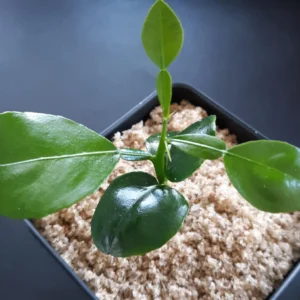
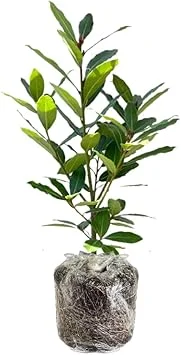
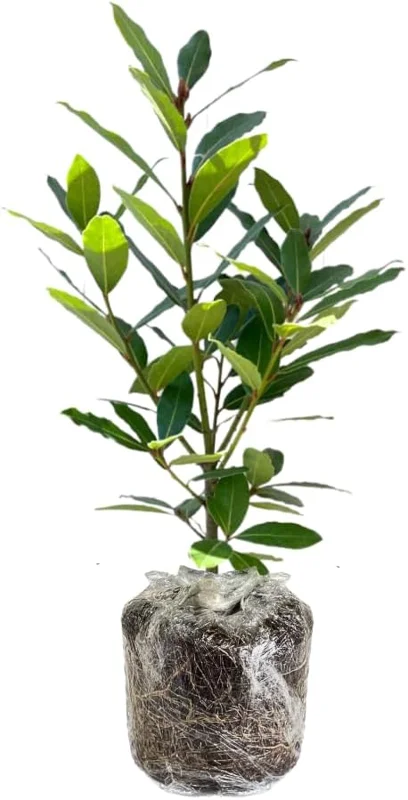
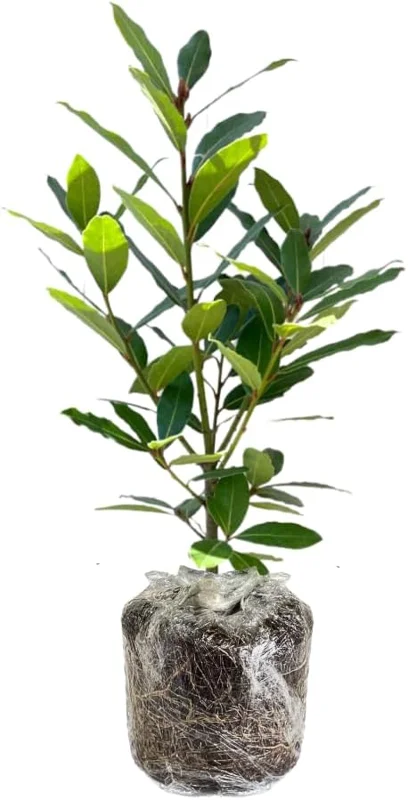
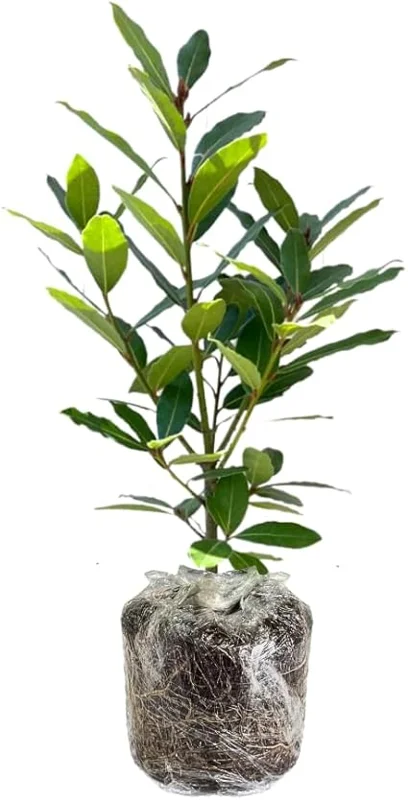
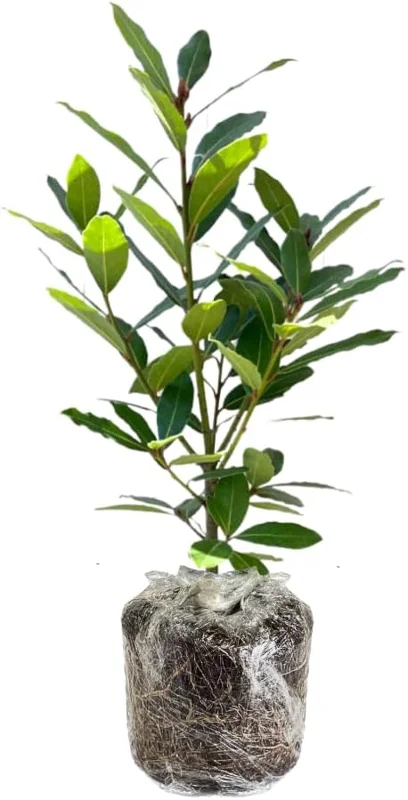
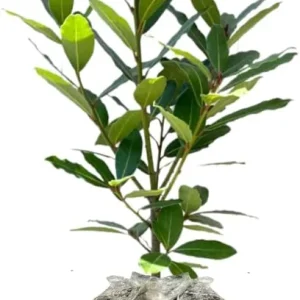
This bay leaf live plant arrives as a vibrant, healthy specimen, typically standing between 5 to 9 inches tall from the base of the pot to the tip of its leaves. It is shipped as a rooted plant, ready for immediate planting in your preferred container or garden spot. The plant is established in a nursery pot, ensuring its roots are protected during transit and ready to adapt to its new home. With proper care, this Laurus nobilis plant will continue to grow, eventually reaching a height of 10-20 feet or more outdoors if left unpruned. When grown as an indoor herb plant, its size can be easily managed through regular pruning, allowing it to remain compact and bushy, ideal for kitchen windowsills or patios. Expect steady, moderate growth, with fresh leaves developing throughout the growing season, providing a continuous supply for culinary use.
Frequently Asked Questions
- Q: How big does this plant get? A: This bay leaf live plant is shipped at 5 to 9 inches tall. Outdoors, it can grow into a large shrub or small tree, reaching 10-20 feet. When grown as an indoor herb plant, its size can be maintained through regular pruning to keep it compact.
- Q: What size pot does it come in? A: The plant typically arrives in a standard nursery pot, usually a 4-inch or similar size, providing a good base for its initial growth. You can repot it into a larger container upon arrival if desired.
- Q: Is this an indoor or outdoor plant? A: The Laurus nobilis plant is versatile and can thrive both indoors and outdoors. In USDA zones 8-10, it can be grown outdoors year-round. In colder climates, it should be brought indoors during winter.
- Q: How much sunlight does it need? A: This plant prefers full sun, requiring at least 6 hours of direct sunlight per day. If growing indoors, place it in the brightest window available, ideally south-facing, to ensure optimal growth and leaf flavor.
- Q: Is this plant easy to care for? A: Yes, the sweet bay laurel is considered relatively easy to care for. It’s hardy and tolerant once established, making it suitable for both beginner and experienced gardeners who are interested in growing bay leaf tree.
- Q: What condition will it arrive in? A: Your bay leaf live plant will arrive as a healthy, live specimen, carefully packaged to minimize stress during transit. It will be rooted in soil and ready for planting.
- Q: Can I use bay leaf in cooking? A: Absolutely! The leaves from this bay leaf live plant are perfect for culinary use. They add a rich, aromatic flavor to stews, soups, sauces, and roasts, much like store-bought dried bay leaves, but with a fresher, more vibrant essence.
- Q: When is the best time to plant? A: For outdoor planting, spring after the last frost is ideal. For indoor growing, you can plant or repot your indoor herb plant any time of year, ensuring it has adequate light and warmth.
- Q: Will it survive winter in my zone? A: The Laurus nobilis plant is cold-hardy down to USDA Zone 8. If you live in a colder zone, it is recommended to grow it in a container and move it indoors or protect it during winter months.
- Q: What’s the minimum temperature it can tolerate? A: Bay laurel can tolerate temperatures down to about 20-15°F (-6 to -9°C) for short periods once mature and established. Younger plants are more sensitive to cold.


Reviews
There are no reviews yet.