Overview
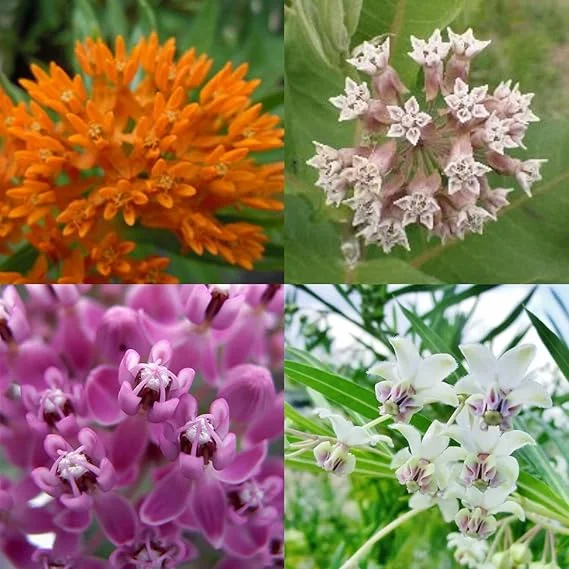
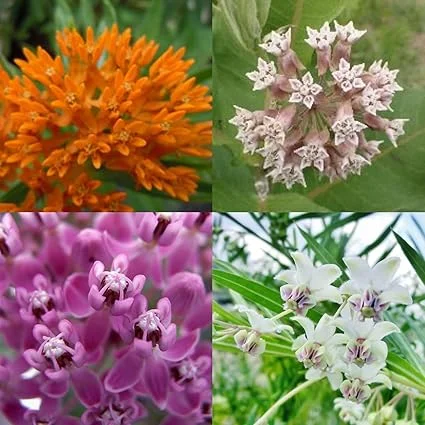
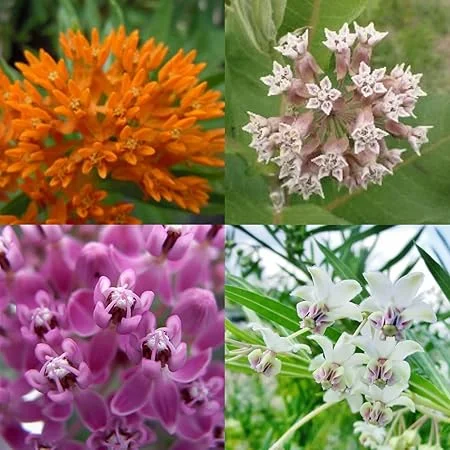
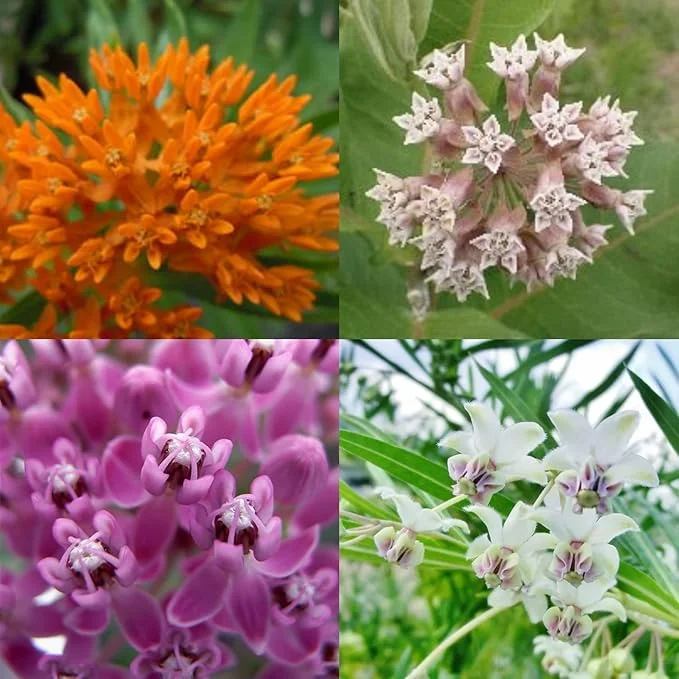
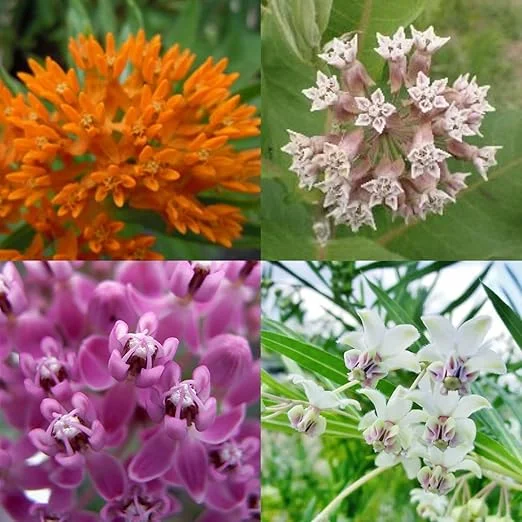
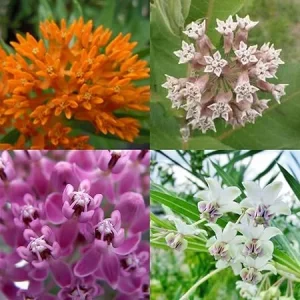
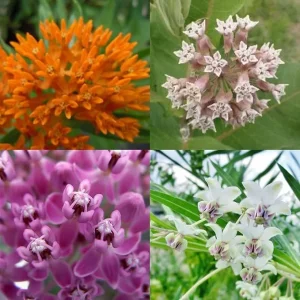
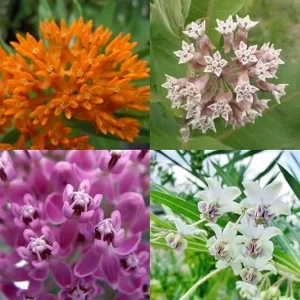
Transform your outdoor space into a haven for pollinators with these beautiful mixed milkweed live plants. This package includes four vibrant plants, offering a mix of colors to brighten any garden. Milkweed, scientifically known as Asclepias, is a crucial host plant for monarch butterfly caterpillars, making it an essential addition for anyone looking to support these magnificent insects. These perennial plants are known for their resilience and ability to thrive in various outdoor conditions, providing stunning blooms from mid-summer through early fall. Easy to care for, these mixed milkweed live plants are perfect for gardeners of all experience levels who wish to contribute to local biodiversity and enjoy a colorful, dynamic garden.
Our mixed milkweed live plants are carefully selected to ensure a diverse and attractive display. Each plant contributes to a healthy ecosystem, offering both nectar for adult butterflies and a vital food source for their larvae. Growing milkweed for monarch butterflies is a rewarding experience, allowing you to witness the fascinating life cycle of these iconic insects firsthand. These plants are not only beneficial to wildlife but also add significant aesthetic value to your landscape with their unique flower clusters and sturdy growth habit. Plant them in groups to create a striking visual impact and maximize their appeal to pollinators.
Key Benefits
Investing in mixed milkweed live plants brings a multitude of benefits to your garden and the environment. These plants are not just beautiful; they play a critical role in supporting wildlife and enhancing the ecological balance of your outdoor space:
- Monarch Butterfly Host: Milkweed is the sole food source for monarch butterfly caterpillars, making these plants indispensable for the monarch’s life cycle. By planting milkweed, you directly contribute to the survival of these endangered butterflies.
- Pollinator Attraction: Beyond monarchs, milkweed flowers are rich in nectar, attracting a wide variety of other beneficial pollinators such as bees, hummingbirds, and other butterfly species, boosting your garden’s overall health and productivity.
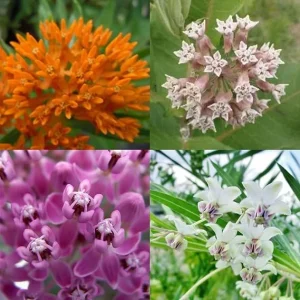
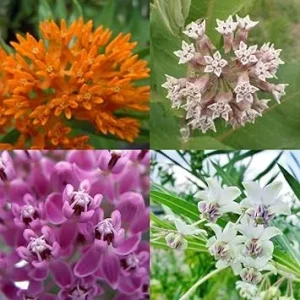
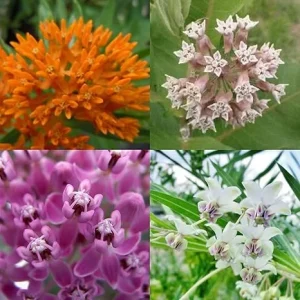
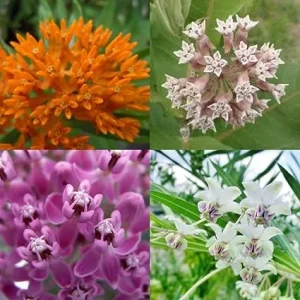
- Vibrant Garden Color: With a mix of colors, these milkweed plants provide a beautiful and diverse floral display, adding visual interest and charm to your garden beds, borders, or naturalized areas.
- Low Maintenance & Hardy: Milkweed is a remarkably resilient perennial, tolerating a range of conditions once established. It’s an excellent choice for gardeners seeking beautiful plants that don’t require constant attention.
- Drought Tolerant: Once mature, milkweed plants are relatively drought-tolerant, making them suitable for xeriscaping or areas with infrequent watering, contributing to water conservation.
- Long Blooming Season: Enjoy continuous blooms from mid-summer to early fall, providing extended beauty and a consistent food source for pollinators throughout the warmer months.
- Supports Biodiversity: By creating a habitat for monarchs and other pollinators, you are actively participating in local conservation efforts and fostering a richer, more diverse garden ecosystem.
Plant Care & Growing Tips
Caring for your mixed milkweed live plants is straightforward, ensuring they thrive and provide a vibrant habitat for monarch butterflies. These perennials are quite adaptable, but a few key practices will help them reach their full potential. For successful growth and abundant blooms, understanding proper milkweed plant care is essential.
Sunlight Requirements: Milkweed plants absolutely love the sun. They require full sun exposure, meaning at least 6-8 hours of direct sunlight per day. Plant them in the brightest part of your garden to encourage robust growth and prolific flowering. Insufficient light can lead to leggy growth and fewer blooms. Soil Type and Drainage: These plants thrive in well-drained soil. While adaptable to various soil conditions, they prefer a sandy or loamy soil mix. Avoid heavy clay soils that retain too much moisture, as this can lead to root rot. Good drainage is crucial for healthy milkweed. If your soil is heavy, consider amending it with compost or sand to improve porosity. Watering Schedule: Once established, milkweed is relatively drought-tolerant. However, during their first growing season, regular watering is important to help them establish a strong root system. Water deeply when the top inch of soil feels dry to the touch. During prolonged dry spells, supplemental watering will be beneficial. Avoid overwatering, which can be detrimental. Temperature Range and USDA Hardiness Zone: Most milkweed varieties, including these mixed plants, generally grow well in USDA zones 3-9. They are perennials, meaning they will return year after year in these zones. They are quite tolerant of both heat and cold within these ranges, dying back in winter and re-emerging in spring. Fertilization: Milkweed typically does not require heavy fertilization, especially if planted in rich, well-draining soil. An annual application of a balanced, slow-release granular fertilizer in early spring can promote vigorous growth. Avoid excessive nitrogen, which can encourage leafy growth at the expense of flowers. Common Problems and Solutions: The most common ‘problem’ you’ll encounter is the presence of monarch caterpillars – which is exactly what you want! Other pests are usually not a major issue. Aphids can sometimes appear, but natural predators often keep them in check. If necessary, a strong spray of water or insecticidal soap can be used, but be mindful of beneficial insects and caterpillars. Providing good air circulation also helps prevent fungal issues.
Size & Details
This offering includes 4 mixed milkweed live plants, ready for planting to establish a vibrant and beneficial presence in your garden. Each plant is carefully cultivated to ensure healthy growth upon arrival. While specific dimensions can vary based on the stage of growth at shipping, you can expect sturdy young plants suitable for immediate transplanting into your outdoor garden beds. Milkweed plants are known for their moderate to fast growth rate, quickly establishing themselves and beginning to produce their characteristic flowers. They typically grow to a height of 2-4 feet, forming attractive clumps that provide excellent structural interest and a reliable food source for pollinators. The plants will arrive in nursery pots, ensuring their root systems are intact and ready for their new home. Expect blooms from mid-summer to early fall, offering a prolonged season of color and activity for butterflies and other beneficial insects. These plants are designed to grow milkweed for monarch butterflies efficiently.
Frequently Asked Questions
- Q: How big do these mixed milkweed live plants get? A: These milkweed plants typically grow to an average height of 2 to 4 feet tall and can spread to about 1 to 2 feet wide, forming attractive clumps in your garden. Their size can vary slightly based on growing conditions and specific varieties within the mix.
- Q: Are these an indoor or outdoor plant? How much sunlight do they need? A: These are primarily outdoor perennial plants. They thrive in full sun, requiring at least 6-8 hours of direct sunlight per day to ensure strong growth and abundant flowering. They are not suitable for long-term indoor cultivation.
- Q: Is this plant easy to care for? Is it good for beginners? A: Yes, milkweed is considered an easy-to-care-for plant, making it an excellent choice for beginner gardeners. Once established, it is quite resilient, tolerant of various soil types (provided they drain well), and relatively drought-tolerant.
- Q: What condition will the mixed milkweed live plants arrive in? Is it shipped in soil? A: Your mixed milkweed live plants will arrive as healthy young plants, carefully packaged in their nursery pots with soil to protect their root systems during transit. They will be ready for immediate planting upon arrival.
- Q: When is the best time to plant these milkweed plants? A: The best time to plant milkweed is in the spring after the last frost, or in early fall. This allows the plants sufficient time to establish their root systems before extreme temperatures set in.
- Q: Will these plants attract only monarch butterflies? A: While milkweed is critical for monarch butterfly caterpillars, its nectar-rich flowers also attract a wide array of other pollinators, including various bee species, hummingbirds, and other types of butterflies, enriching your garden’s ecosystem.
- Q: What USDA zones are suitable for growing this perennial milkweed? A: These perennial milkweed plants are generally suitable for growing in USDA Hardiness Zones 3 through 9. They are hardy and will return year after year within these climatic ranges.


Reviews
There are no reviews yet.