Overview
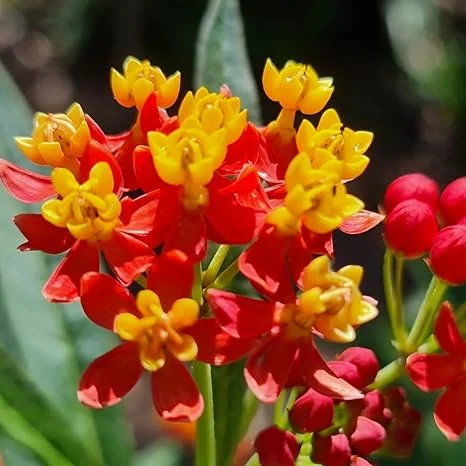
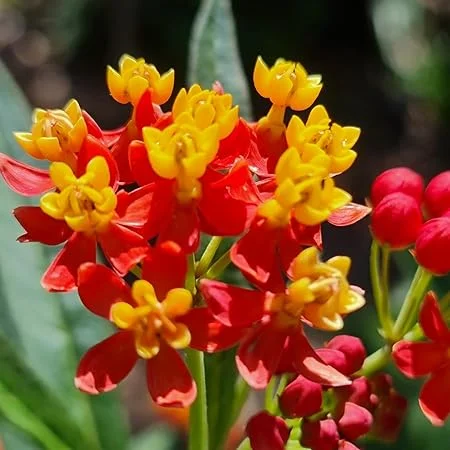
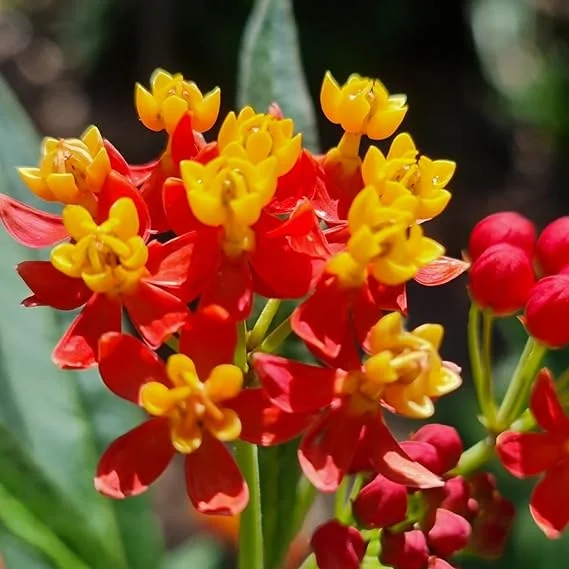
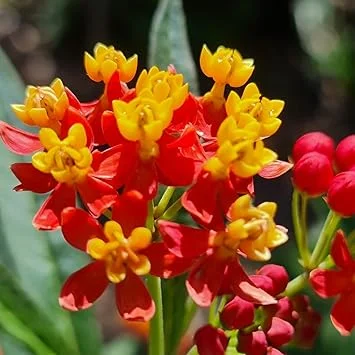
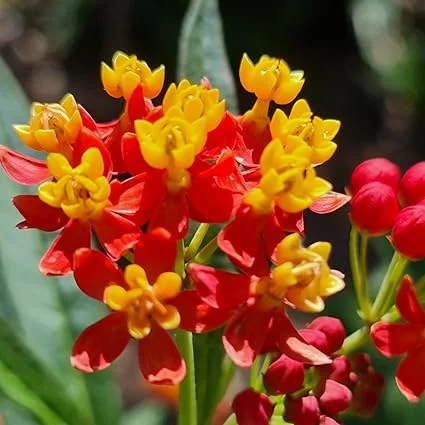
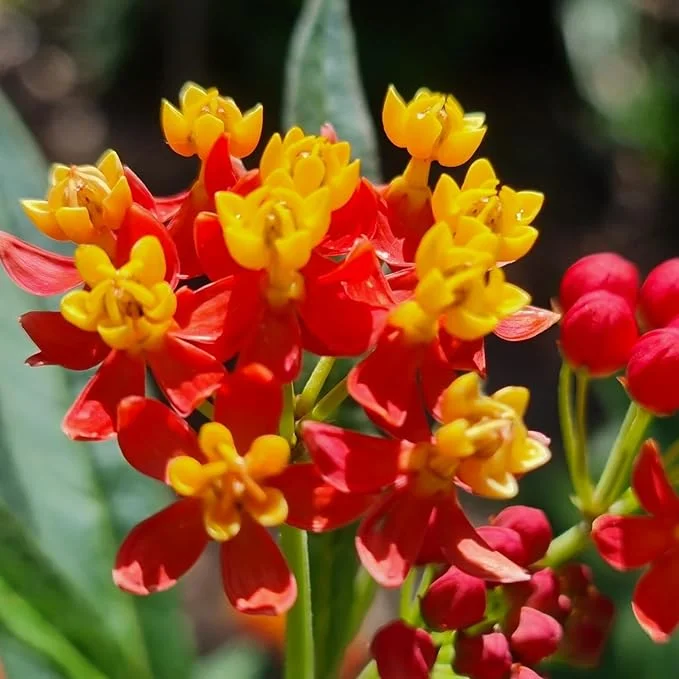
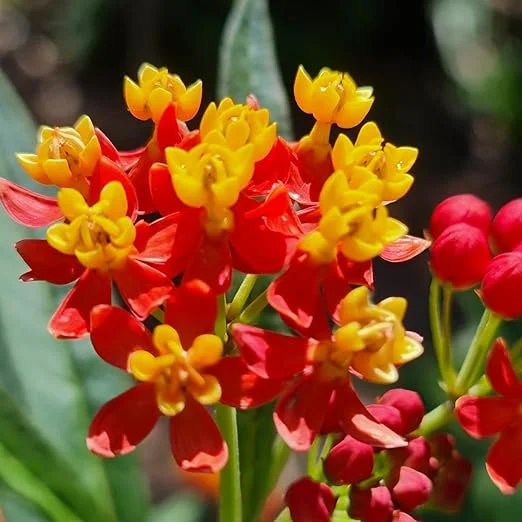
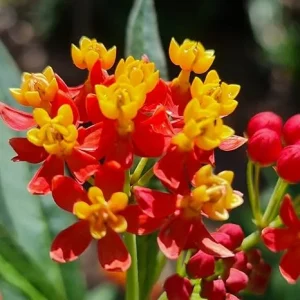
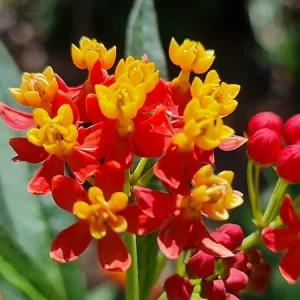
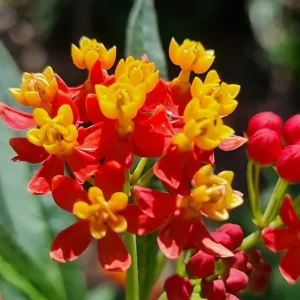
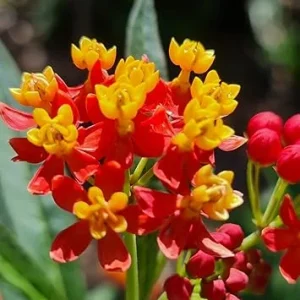
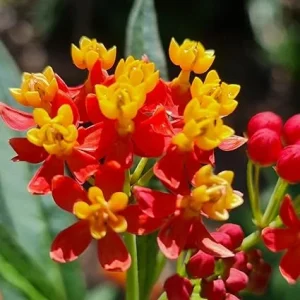
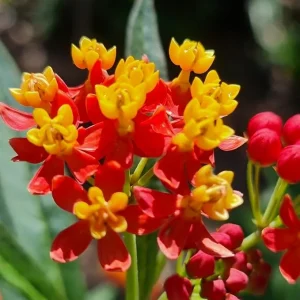
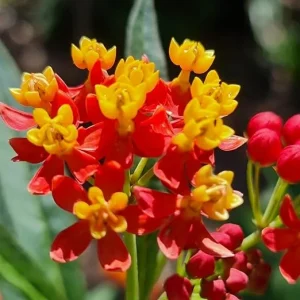
Introduce a burst of vibrant color and a haven for pollinators into your garden with these stunning red tropical milkweed live plants. This offering includes two live bloodflower plants, ready to thrive in your outdoor space. Tropical milkweed, scientifically known as Asclepias curassavica, is a popular choice for gardeners looking to support local ecosystems, particularly monarch butterflies, who rely on milkweed as a host plant for their larvae. These robust plants produce showy clusters of red and orange flowers that bloom from mid-summer to early fall, providing a continuous source of nectar for adult butterflies and hummingbirds. Whether you’re an experienced gardener or just starting, these bloodflower plants for sale are an excellent addition to create a lively and ecologically friendly environment.
Our red tropical milkweed live plants are carefully cultivated to ensure they arrive healthy and ready for planting. Known for their resilience and ease of care, they adapt well to various growing conditions, making them suitable for many regions. With their bright colors and significant ecological role, these plants not only enhance the aesthetic appeal of your garden but also contribute to the vital conservation efforts for monarch butterflies.
Key Benefits
These red tropical milkweed live plants offer numerous advantages for both your garden and the environment. Their striking appearance and ecological importance make them a highly desirable choice for any outdoor setting:
- Attracts Pollinators: The vibrant red and orange flowers are a magnet for monarch butterflies, bees, and hummingbirds, helping to boost pollination in your garden and support local biodiversity.
- Monarch Butterfly Host Plant: Essential for the life cycle of monarch butterflies, these plants provide a crucial food source for monarch caterpillars, aiding in their conservation.
- Extended Bloom Season: Enjoy continuous blooms from mid-summer through early fall, ensuring your garden remains colorful and active for an extended period.
- Low Maintenance: Once established, tropical milkweed care is relatively simple, requiring minimal attention to thrive, making it perfect for busy gardeners.
- Drought Tolerant: These plants exhibit good drought resistance, making them suitable for gardens in areas with less frequent rainfall or for water-wise landscaping.
- Vibrant Garden Accent: The bold red and orange flowers add a dramatic splash of color, creating visual interest and focal points in garden beds, borders, or containers.
- Adaptable Growth: Tolerant of a range of soil and climate conditions, these milkweed plants for garden settings can flourish in many different environments.
Plant Care & Growing Tips
Caring for your red tropical milkweed live plants is straightforward, ensuring a vibrant and healthy display throughout the growing season. These plants are known for their hardiness and adaptability, but providing them with optimal conditions will maximize their growth and bloom potential. For successful tropical milkweed care, consider the following guidelines:
Sunlight Requirements: Tropical milkweed thrives in full sun, meaning it needs at least 6-8 hours of direct sunlight per day. Plant them in a location where they can receive ample light to encourage prolific blooming and strong growth. While they can tolerate partial sun, their flowering may be less abundant. Watering Schedule: These plants prefer consistent moisture, especially during dry spells and when they are first establishing. Water regularly, ensuring the soil is moist but not waterlogged. Once established, they are moderately drought-tolerant but will perform best with regular watering. Soil Type and Drainage: Red tropical milkweed live plants prefer well-drained soil. They can adapt to various soil types, including sandy, loamy, or clay soils, as long as drainage is good. Avoid heavy, compacted soils that retain too much water, as this can lead to root rot. Temperature Range and USDA Hardiness Zone: Tropical milkweed is a perennial in warmer climates (USDA Zones 9-11) and often grown as an annual in cooler regions (USDA Zones 3-8). It prefers warm temperatures and can be sensitive to frost. If you are in a cooler zone, you can grow them in containers and bring them indoors during winter, or treat them as annuals. Fertilization: Generally, tropical milkweed does not require heavy fertilization. A balanced, all-purpose fertilizer applied in spring or early summer can support vigorous growth and blooming. Avoid over-fertilizing, which can lead to excessive foliage at the expense of flowers. Common Problems and Solutions: Watch out for aphids, which can be a common pest. A strong spray of water or insecticidal soap can help manage infestations. Ensure good air circulation to prevent fungal issues. These monarch butterfly plants are typically robust and resistant to most diseases.
Size & Details
This package contains 2 red tropical milkweed live plants, ready for planting upon arrival. Each plant is typically shipped in a small nursery pot, ensuring the root ball is intact and healthy for transplanting. While specific dimensions may vary slightly depending on the growth stage at the time of shipping, you can expect healthy, young plants ready to establish quickly in your garden. When mature, these bloodflower plants for sale typically grow to a height of 2-4 feet and spread about 1-2 feet wide, forming a bushy, upright habit. They are fast-growing and will quickly fill out your garden space, providing an impressive display of color.
The plants are expected to begin blooming from mid-summer and continue through early fall, offering an extended period of vibrant color and pollinator activity. The exact timing of blooms can depend on your local climate and growing conditions. These milkweed plants for garden are shipped with care to minimize stress during transit, ensuring they arrive in optimal condition for successful planting and growth.
Frequently Asked Questions
- Q: How big do these red tropical milkweed plants get? A: These red tropical milkweed live plants typically grow to a mature height of 2-4 feet tall and can spread about 1-2 feet wide, forming a nice bushy presence in your garden.
- Q: Are these plants suitable for both indoor and outdoor growing? A: While tropical milkweed can be grown indoors in containers in colder climates, they are primarily intended and thrive best as outdoor plants, enjoying full sun and fresh air.
- Q: How much sunlight do these bloodflower plants need? A: For optimal growth and prolific blooming, these bloodflower plants for sale require at least 6-8 hours of direct sunlight per day. Full sun exposure is highly recommended.
- Q: Is this plant easy to care for, especially for beginners? A: Yes, tropical milkweed care is considered relatively easy. They are hardy plants that tolerate various conditions, making them a good choice for gardeners of all experience levels.
- Q: What condition will the plants arrive in? A: Your red tropical milkweed live plants will arrive carefully packaged, typically in small nursery pots, ensuring they are healthy and ready for transplanting into your garden.
- Q: When is the best time to plant these milkweed plants for garden? A: The best time to plant these milkweed plants is after the last frost in spring, once soil temperatures have warmed up. This allows them ample time to establish before the blooming season.
- Q: Can these plants survive winter in colder USDA zones? A: In USDA Zones 3-8, tropical milkweed is typically grown as an annual. In warmer Zones 9-11, it can be a perennial. You can overwinter them indoors in containers in colder regions.
- Q: What type of soil do these monarch butterfly plants prefer? A: These monarch butterfly plants thrive in well-drained soil. They are adaptable to various soil types, but good drainage is crucial to prevent root issues.
- Q: How often should I water my tropical milkweed? A: Water regularly to keep the soil consistently moist, especially during dry periods and while the plants are young. Established plants are moderately drought-tolerant but benefit from consistent moisture.
- Q: Will these plants attract monarch butterflies to my garden? A: Absolutely! These plants are specifically known for attracting monarch butterflies, serving as both a nectar source for adults and a vital host plant for their caterpillars.


Reviews
There are no reviews yet.