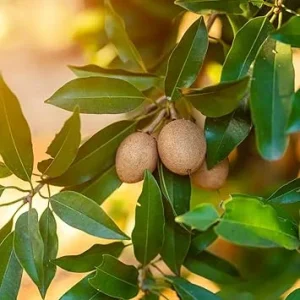
Overview
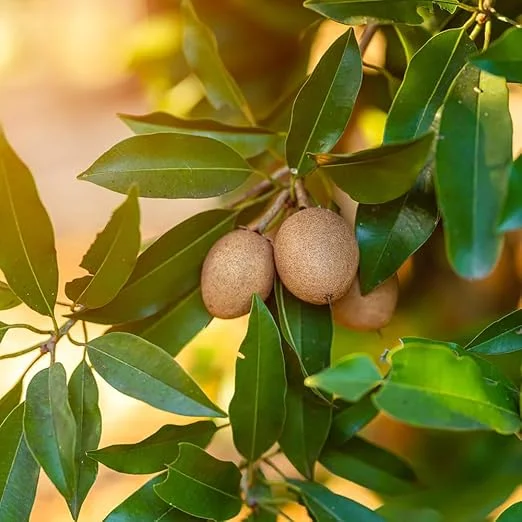
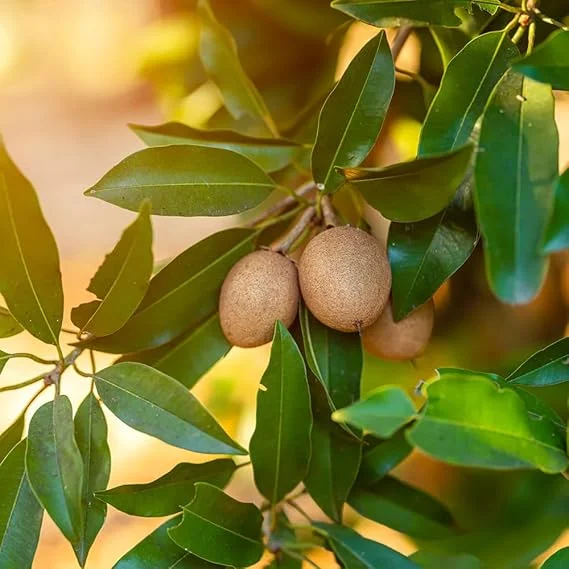
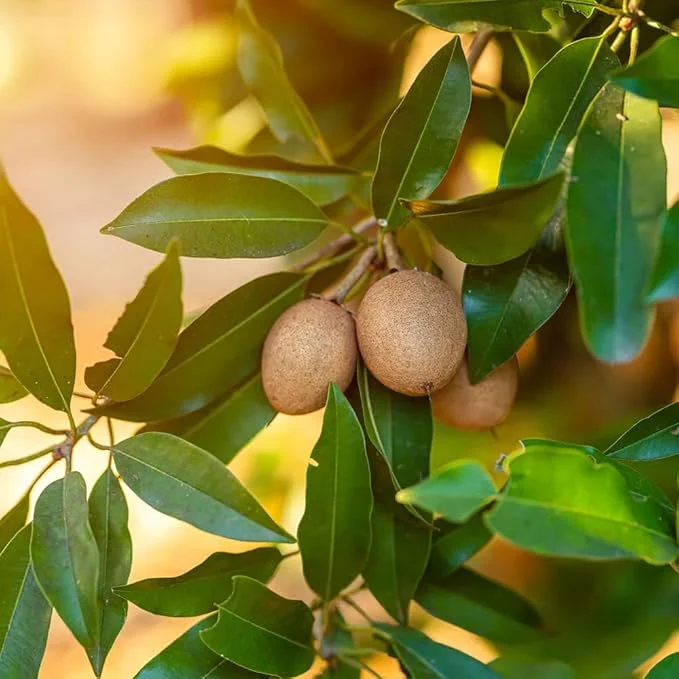
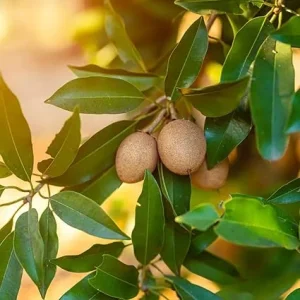
Embark on an exciting gardening adventure with our premium sapote seeds. This pack contains 5 high-quality seeds, perfect for cultivating your very own tropical sapodilla tree. Known for its sweet, caramel-like fruit and attractive foliage, the sapodilla (Manilkara zapota) is a cherished addition to any warm-climate garden. Whether you’re an experienced horticulturist or a budding enthusiast, these seeds offer the opportunity to grow sapodilla right in your backyard or on your patio. The sapodilla tree, also sometimes referred to as the chiku or chikoo, is a resilient species that, once established, requires relatively low maintenance, making it a rewarding choice for many gardeners.
Our tropical sapodilla seeds are sourced to ensure viability, giving you the best possible start for your new plant. Imagine harvesting your own fresh, delicious sapote fruit, a true taste of the tropics. These seeds are a fantastic way to introduce an exotic element to your landscape, providing both ornamental beauty and culinary delight. The journey from seed to fruit-bearing tree is a fulfilling one, and with these seeds, you’re well on your way to enjoying the unique benefits of a homegrown sapodilla.
Key Benefits
Cultivating a sapote fruit tree from these seeds offers numerous advantages, enriching your garden and providing a unique experience. Beyond the joy of growing your own food, sapodilla trees contribute significantly to the aesthetic and ecological value of your space.
- Delicious Tropical Fruit: Enjoy the sweet, malty flavor of fresh sapodilla fruit. Homegrown fruit often surpasses store-bought varieties in taste and freshness, providing a unique culinary experience.
- Ornamental Value: The sapodilla tree boasts attractive evergreen foliage, providing year-round beauty and shade. Its dense canopy can create a lush, tropical ambiance in your garden or patio area.
- Drought-Tolerant: Once mature and established, sapote seeds grow into trees that are remarkably drought-tolerant, requiring minimal watering. This makes them an excellent choice for water-wise gardening in appropriate climates.
- Low Maintenance: After the initial establishment phase, sapodilla trees are relatively easy to care for, making them suitable for gardeners who prefer less demanding plants. This allows you more time to enjoy your garden rather than constantly tending to it.
- Versatile Growth: These trees can be grown in the ground where they can reach impressive heights, or they can be maintained in large containers for patio or smaller garden settings, offering flexibility in placement.
- Long-Lived: Sapodilla trees are known for their longevity, providing many years of fruit production and beauty, making them a lasting investment for your garden.
Plant Care & Growing Tips
Successfully germinating and growing your sapote seeds into a thriving tree requires attention to a few key environmental factors. The sapodilla tree, while resilient, performs best when its preferred conditions are met, especially during its early growth stages. To grow sapodilla effectively, begin by soaking the seeds in warm water for 24-48 hours to encourage germination. Plant them about 1 inch deep in a well-draining seed-starting mix.
Sunlight requirements: Sapodilla trees thrive in full sun, meaning they need at least 6-8 hours of direct sunlight per day. If you are starting the seeds indoors, ensure they receive ample light from a south-facing window or under grow lights. Once transplanted outdoors, choose a location that receives maximum sun exposure throughout the day. Watering schedule: While young seedlings need consistent moisture, avoid overwatering which can lead to rot. Keep the soil consistently moist but not waterlogged. Once established, sapodilla trees are quite drought-tolerant, requiring less frequent watering. However, during prolonged dry spells or fruiting periods, supplemental watering will be beneficial. Soil type and drainage: These trees prefer well-draining, sandy, or loamy soil with a slightly acidic to neutral pH (6.0-7.0). Good drainage is crucial to prevent root issues. Amend heavy clay soils with organic matter and sand to improve porosity. Temperature range and USDA hardiness zone: Sapodilla trees are tropical and thrive in USDA Zones 9-11, where temperatures rarely drop below freezing. They are sensitive to frost, so in cooler parts of these zones, consider protection during cold snaps. Fertilization: Young sapodilla trees benefit from regular feeding with a balanced, slow-release fertilizer during their growing season. Once mature and fruiting, a fertilizer higher in phosphorus and potassium can encourage better fruit production. Common problems include scale insects and mealybugs; inspect plants regularly and treat with horticultural oil or insecticidal soap if needed. Proper care will help your sapote fruit tree flourish.
Size & Details
This package contains 5 Pcs Sapote Seeds, ready for you to begin your cultivation journey. Each seed holds the potential to develop into a robust and productive sapodilla tree. When grown in the ground in ideal conditions, a sapodilla tree can reach impressive heights of 30-40 feet, creating a substantial canopy. In containers, growth will be more constrained, typically reaching 10-15 feet depending on pot size and pruning, making it suitable for patios or smaller gardens. The growth rate is moderate, with trees typically beginning to fruit within 3-5 years from seed, though this can vary based on growing conditions and care. The seeds are shipped dry, ensuring their viability for planting upon arrival. These seeds are a fantastic way to grow sapodilla and enjoy its exotic fruits for many years.
Frequently Asked Questions
- Q: How big does a sapodilla tree get? A: A sapodilla tree grown in the ground can reach heights of 30-40 feet. If grown in a large container, its size will be more manageable, typically 10-15 feet, and can be kept smaller with regular pruning.
- Q: Is this an indoor or outdoor plant? A: Sapodilla trees are tropical plants best suited for outdoor planting in USDA Zones 9-11. In cooler climates, they can be grown in containers and brought indoors during colder months, or cultivated in a greenhouse.
- Q: How much sunlight do these sapote seeds need to grow? A: Once germinated, the sapodilla seedlings and mature trees require full sun, meaning at least 6-8 hours of direct sunlight daily for optimal growth and fruit production.
- Q: Is this plant easy to care for? A: Once established, the sapote fruit tree is considered low-maintenance and quite drought-tolerant. The initial seedling phase requires more consistent attention to watering and light.
- Q: What condition will the sapote seeds arrive in? A: The 5 Pcs Sapote Seeds will arrive dry and ready for planting. We recommend soaking them before planting to aid germination.
- Q: How long until the sapodilla tree produces fruit? A: A sapodilla tree grown from seed typically begins to produce fruit within 3-5 years, although this can vary based on growing conditions and specific care provided.
- Q: What is the best soil type for sapote planting? A: Sapodilla trees prefer well-draining, sandy, or loamy soil. Good drainage is essential, so avoid heavy clay soils that retain too much moisture.
- Q: Will these sapote seeds survive winter in my zone? A: These tropical sapodilla seeds grow into trees that are sensitive to frost. They thrive in USDA Zones 9-11. If you are in a colder zone, you will need to provide winter protection or grow the tree in a container that can be moved indoors.
- Q: Can I grow sapodilla on a patio? A: Yes, you can successfully grow sapodilla in a large container on a patio. This allows for mobility, which is beneficial in areas with colder winters.
- Q: What are sapote fruits used for? A: Sapote fruits are primarily enjoyed fresh due to their sweet, unique flavor. They can also be used in smoothies, desserts, ice creams, and jams, making the sapote fruit tree a versatile addition to your edible landscape.


Reviews
There are no reviews yet.