
Overview
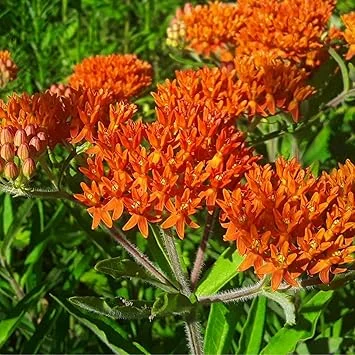
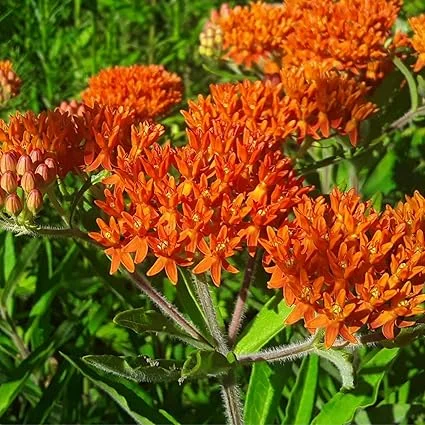
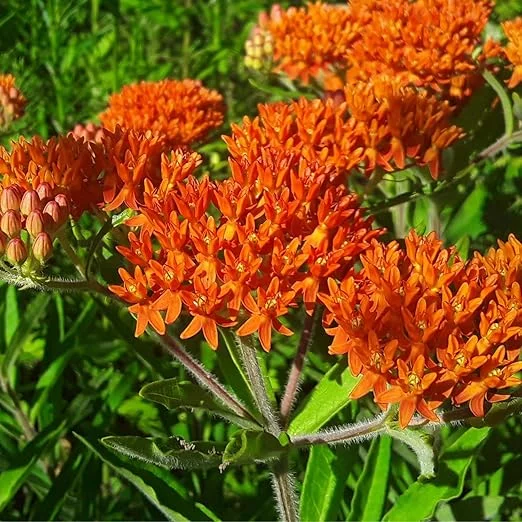
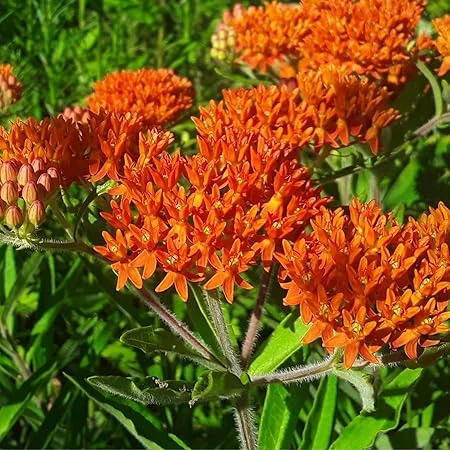
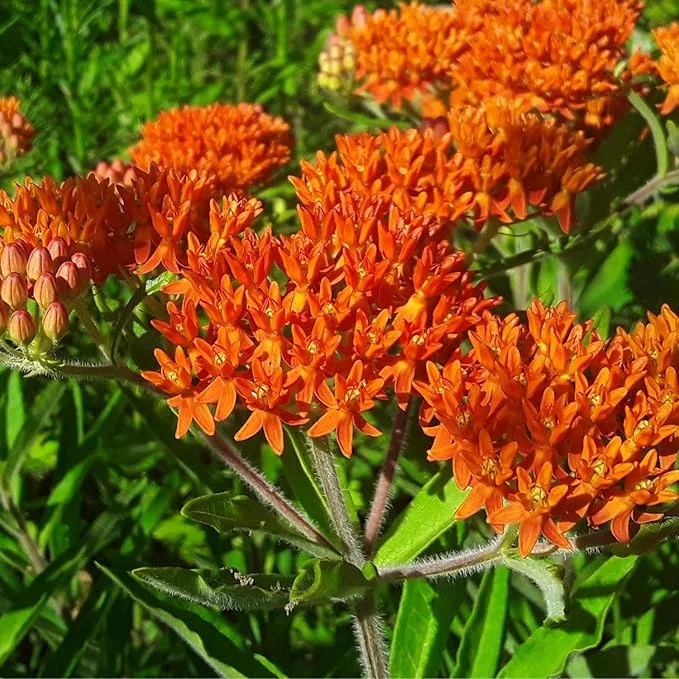
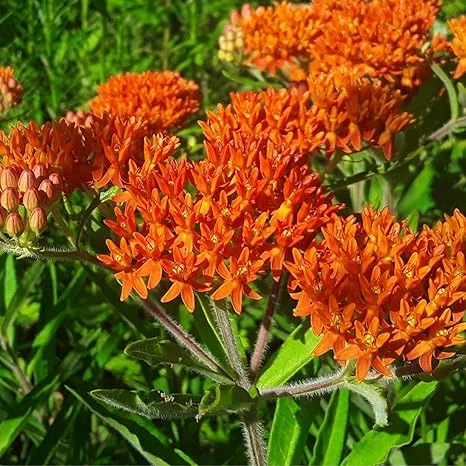
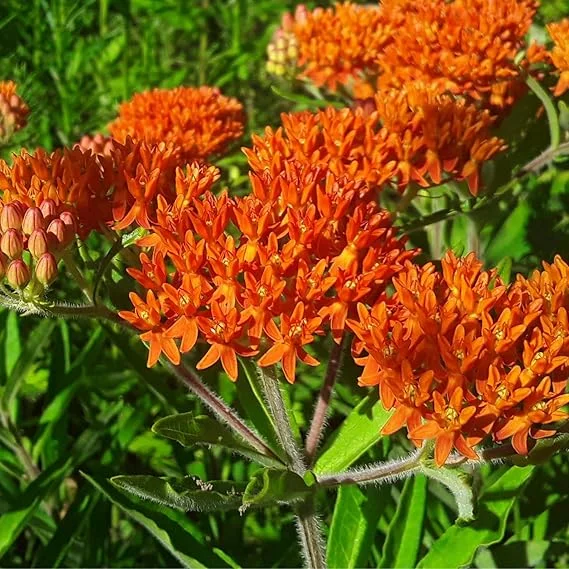
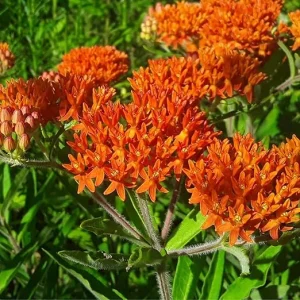
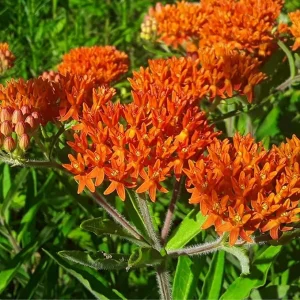
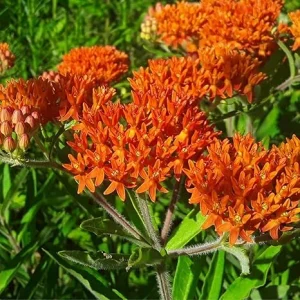
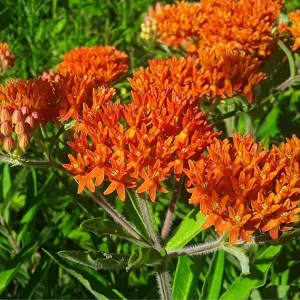
Introduce a burst of color and ecological benefit to your outdoor spaces with our premium orange milkweed live plants. This offering includes two robust plants, each standing between 4 to 7 inches tall, perfectly sized for transplanting into your garden. Often referred to as Tropical Milkweed (Asclepias curassavica), these flowering perennials are celebrated for their vivid orange and red blooms that appear throughout the growing season. Beyond their aesthetic appeal, orange milkweed live plants are vital for supporting local ecosystems, especially as a host plant for monarch butterfly caterpillars. Gardeners looking to create a pollinator-friendly habitat will find these plants an indispensable addition, providing continuous nectar for adult butterflies and a safe haven for their larvae.
Our live milkweed plants are carefully nurtured to ensure they arrive healthy and ready to thrive in your garden. With their striking appearance and ecological importance, these plants offer both beauty and purpose. They are a fantastic choice for gardeners of all experience levels, promising a rewarding experience as you watch your garden come alive with activity. The resilient nature of tropical milkweed plants makes them a reliable choice for long-lasting enjoyment and a continuous source of joy for both you and your garden visitors.
Key Benefits
Investing in these vibrant orange milkweed live plants brings a multitude of benefits to your garden and local environment. Their ease of care and captivating presence make them a favorite among gardeners and nature enthusiasts alike. Here are some of the key advantages:
- Pollinator Attraction: These plants are a magnet for monarch butterflies, providing essential food for both caterpillars and adult butterflies. By planting milkweed for butterflies, you contribute directly to the conservation of these iconic insects, creating a crucial stopover in their migratory paths.
- Extended Bloom Time: Enjoy a prolonged display of bright orange and yellow flowers from spring through fall, adding continuous color and interest to your landscape. This extended bloom period ensures a consistent food source for pollinators over several months.
- Low Maintenance: Once established, these tropical milkweed plants are remarkably resilient and require minimal care, making them suitable for busy gardeners. They are drought-tolerant and generally pest-resistant, reducing the need for constant attention.
- Drought Tolerant: Known for their ability to withstand dry periods, these plants are an excellent choice for water-wise gardening. Their adaptability to various conditions makes them a hardy addition to diverse garden settings.
- Deer Resistant: The sap of milkweed plants deters deer, helping to protect your garden from browsing damage while still attracting beneficial insects. This natural defense mechanism allows your plants to flourish undisturbed.
- Versatile Landscaping: Ideal for garden beds, borders, and even containers, these plants add vertical interest and a pop of color wherever they are placed. Their upright growth habit complements a variety of garden designs.
- Educational Value: Observe the fascinating life cycle of monarch butterflies up close, making these plants an excellent educational tool for children and adults. Learning how to grow milkweed offers a hands-on experience with nature.
Plant Care & Growing Tips
Caring for your orange milkweed live plants is straightforward, ensuring a thriving display of color and a haven for pollinators. These plants are relatively low-maintenance, making them a great choice for both novice and experienced gardeners. Understanding their basic needs will help you maximize their growth and bloom potential. They are best suited for outdoor environments, thriving in conditions that mimic their natural tropical habitat.
For optimal growth, Asclepias curassavica requires full sun to partial shade. This means they should receive at least 6 hours of direct sunlight per day, though they can tolerate some afternoon shade in hotter climates. Well-drained soil is crucial for these plants, as they do not tolerate soggy roots. A sandy loam or a general garden soil amended with compost to improve drainage is ideal. While they are somewhat drought-tolerant once established, regular watering is recommended, especially during dry spells and the initial planting phase, to ensure robust growth. Allow the top inch of soil to dry out between waterings to prevent overwatering, which can lead to root rot.
These tropical milkweed plants are perennial in USDA Hardiness Zones 8 and above, meaning they will return year after year in warmer regions. In cooler zones, they can be grown as annuals or overwintered indoors. Fertilization is generally not heavily required; a light application of a balanced, slow-release fertilizer in spring can encourage vigorous growth and abundant blooms. Monitor for common garden pests, though milkweed is generally quite resilient. Pruning spent flowers (deadheading) will encourage more blooms and prevent the plant from self-seeding excessively, helping you manage how to grow milkweed effectively in your garden space. Consider planting them in an area where their height (typically 2-4 feet) can be appreciated without overshadowing smaller plants.
Size & Details
This offering includes two vigorous orange milkweed live plants, each measuring approximately 4 to 7 inches in height upon arrival. These young plants are carefully packaged to ensure their health during transit and are ready for immediate planting in your outdoor garden or a suitable container. They are shipped as live, rooted plants, ensuring a strong start in their new environment. Typically, these plants will grow to an average mature height of 2 to 4 feet tall and spread about 1 to 2 feet wide, forming an attractive upright clump. The growth rate is moderate, and you can expect them to establish quickly and begin blooming within their first season if planted in spring or early summer. They are shipped in a nursery pot, ready for transplanting.
The plants will develop vibrant orange and yellow flowers that are characteristic of the Asclepias curassavica species. These blooms will emerge from late spring through early fall, providing a long season of color and a continuous food source for pollinators. While specific pot size may vary slightly, the plants are grown in containers appropriate for their current size, ensuring a healthy root system. Expect these plants to become a focal point in your garden, drawing attention with their bright hues and the activity of visiting butterflies, especially if you are keen on supporting monarch populations and learning how to grow milkweed for their benefit.
Frequently Asked Questions
- Q: How big do these orange milkweed plants get? A: These orange milkweed live plants are typically 4 to 7 inches tall upon arrival. They can mature to a height of 2 to 4 feet tall with a spread of 1 to 2 feet, creating a substantial and vibrant presence in your garden.
- Q: Is this an indoor or outdoor plant? A: These are primarily outdoor flowering plants. While they can be grown indoors in specific conditions, they thrive best in outdoor gardens where they can receive ample sunlight and attract pollinators like the monarch butterfly.
- Q: How much sunlight do orange milkweed plants need? A: For optimal growth and flowering, these tropical milkweed plants require full sun, meaning at least 6 hours of direct sunlight daily. They can tolerate partial shade, especially in very hot climates, but flowering may be reduced.
- Q: Is this plant easy to care for? A: Yes, Asclepias curassavica is considered easy to care for once established. They are relatively drought-tolerant and require well-draining soil, making them a good choice for gardeners of all experience levels who are learning how to grow milkweed.
- Q: What condition will the plants arrive in? A: Your orange milkweed live plants will arrive healthy, rooted, and ready for planting. They are carefully packaged to minimize stress during shipping, ensuring they are in good condition for transplanting into your garden.
- Q: When is the best time to plant orange milkweed? A: The best time to plant these milkweed plants is in the spring after the last frost, or in early summer. This allows them ample time to establish their root system before the peak growing season.
- Q: Will these milkweed plants attract monarch butterflies? A: Absolutely! These milkweed for butterflies are a crucial host plant for monarch caterpillars and provide nectar for adult butterflies, making them an excellent choice for attracting and supporting these pollinators in your garden.
- Q: What kind of soil is best for orange milkweed? A: Orange milkweed live plants prefer well-draining soil. A sandy loam or a general garden soil that has been amended with organic matter to improve drainage is ideal for their healthy growth.
- Q: Will it survive winter in my zone? A: These tropical milkweed plants are perennial in USDA Hardiness Zones 8 and warmer. In colder zones, they are typically grown as annuals or can be brought indoors to overwinter in a protected environment.
- Q: How long until it blooms? A: If planted in spring, your orange milkweed live plants should begin to produce their vibrant orange and yellow blooms within their first growing season, providing a beautiful display for an extended period.


Reviews
There are no reviews yet.