Overview
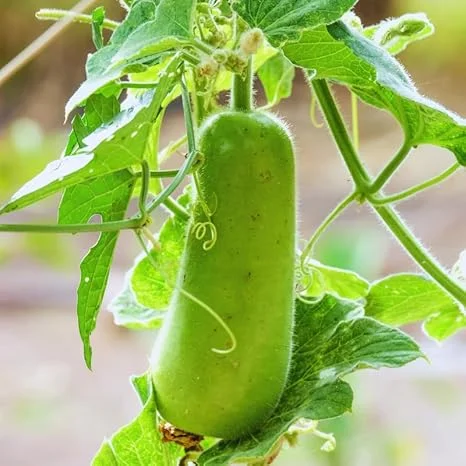
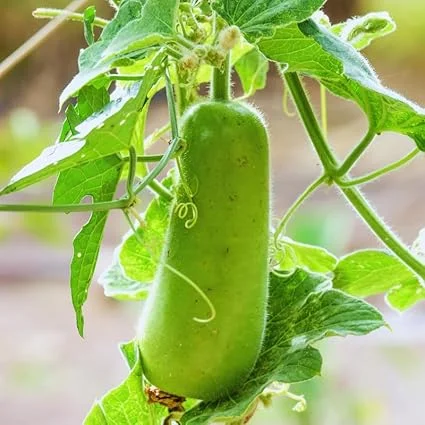
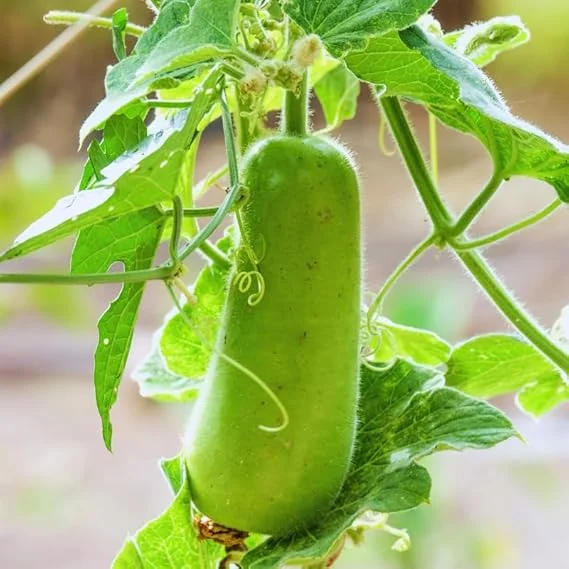
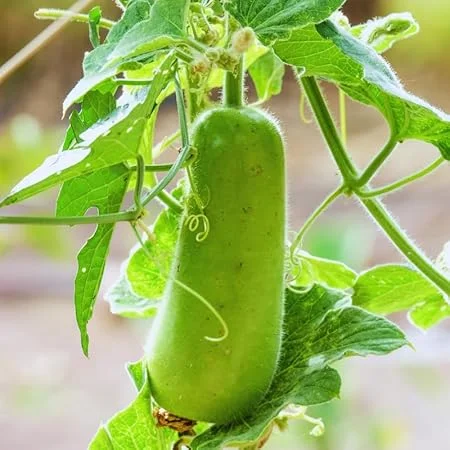
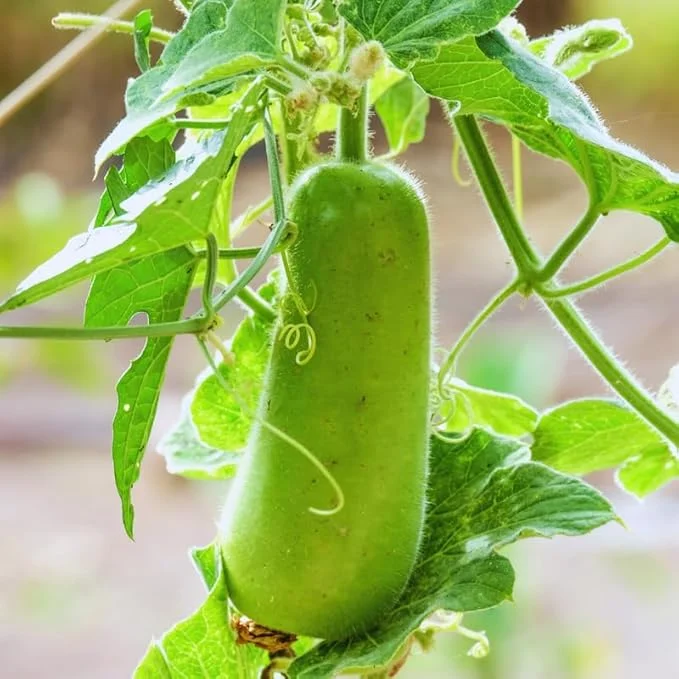
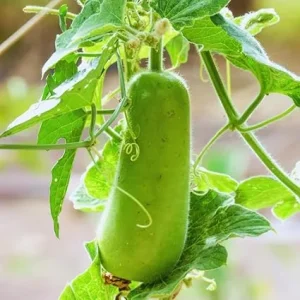
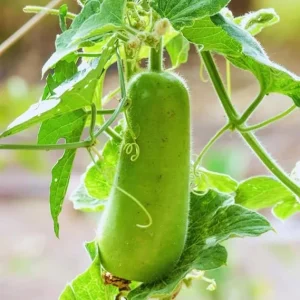
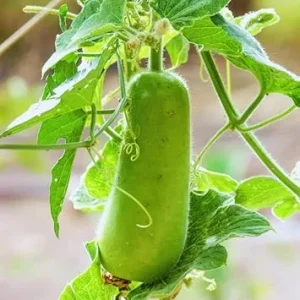
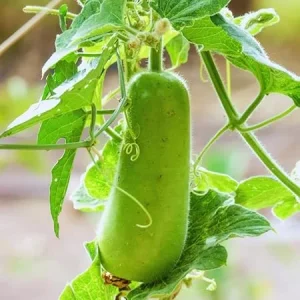
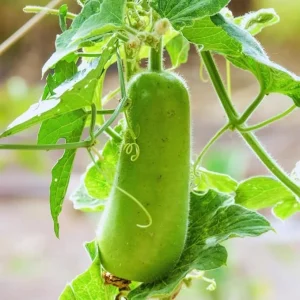
Embark on a rewarding gardening journey with our premium gourd seeds for planting. This carefully selected pack contains 20 viable seeds, offering a fantastic opportunity to cultivate a diverse range of gourds right in your own backyard. Whether you’re aiming to grow edible gourds for culinary creations or ornamental gourds for decorative purposes, these gourd seeds for planting provide the perfect starting point. Gourds, belonging to the Cucurbitaceae family, are known for their rapid growth and fascinating shapes, making them a captivating addition to any garden. From practical uses to artistic endeavors, growing gourds from seed is a fulfilling experience for gardeners of all skill levels.
Our vegetable gourd seeds are chosen for their quality and potential to produce robust plants. With just a little care and attention, you can transform these small seeds into impressive gourds that will be the envy of your neighbors. Imagine crafting unique birdhouses, decorative bowls, or simply enjoying the fresh produce from your garden. These seeds are a gateway to creativity and sustainable living, allowing you to connect with nature and enjoy the fruits (or gourds!) of your labor. Get ready to grow gourds from seed and explore the endless possibilities.
Key Benefits
Growing gourds from seed offers a multitude of benefits, enhancing both your garden and your lifestyle. Our gourd seeds for planting are designed to deliver a rewarding experience:
- Versatile Use: Cultivate gourds for various purposes, including edible varieties for cooking, ornamental types for decoration, or crafting projects like birdhouses and bowls. The versatility of gourds makes them a valuable addition to your garden.
- Engaging Gardening Project: Watching gourds grow from tiny seeds to mature plants is an incredibly satisfying process. It’s an excellent project for both seasoned gardeners and those new to gourd gardening, providing hands-on experience with nature.
- Unique Garden Aesthetics: Gourds add unique shapes, textures, and colors to your garden landscape. Their sprawling vines and distinctive fruits create visual interest and can even provide natural shade.
- Sustainable & Cost-Effective: Growing your own gourds from seed is a sustainable practice that reduces reliance on store-bought produce and decorations. It’s also a highly cost-effective way to enjoy an abundance of gourds.
- Educational Experience: Ideal for teaching children about plant life cycles and the origins of food. The rapid growth and noticeable changes in gourds make them perfect for educational projects.
- High-Quality Yield: With 20 seeds per pack, you have a good chance of a successful harvest, ensuring you have plenty of gourds for all your needs, whether for eating, decorating, or crafting.
Plant Care & Growing Tips
To successfully grow gourds from seed, understanding their basic care requirements is crucial. Gourds thrive in warm conditions and require ample sunlight and well-drained soil. Begin by sowing your gourd seeds for planting directly outdoors after all danger of frost has passed, typically when soil temperatures reach at least 65°F (18°C). Plant seeds about 1 inch deep and 3-4 feet apart in rows that are 6-8 feet apart to allow for vine spread. For an earlier start, you can begin seeds indoors 3-4 weeks before the last frost, transplanting them carefully to avoid disturbing the roots.
Gourds are heavy feeders and benefit from rich, fertile soil. Amend your garden bed with compost or well-rotted manure before planting. Consistent moisture is key, especially during flowering and fruiting. Water deeply and regularly, aiming for about 1 inch of water per week, either from rainfall or irrigation. Avoid overhead watering to minimize fungal diseases. Gourds generally require full sun, meaning at least 6-8 hours of direct sunlight per day, to produce the best fruits. Provide a sturdy trellis or support system for climbing varieties to encourage better air circulation and prevent fruit rot, which is a common issue in gourd gardening.
Fertilize your gourd plants every 3-4 weeks with a balanced liquid fertilizer, especially once they begin to flower and set fruit. Watch out for common pests like squash bugs and cucumber beetles, and address them promptly with organic pest control methods if possible. Powdery mildew can also be an issue; ensure good air circulation and consider fungicide treatments if necessary. Harvesting time varies depending on the variety, but generally, edible gourds are picked when young and tender, while ornamental gourd seeds grown for decorative purposes are left on the vine until the stems dry and the gourds harden. Curing ornamental gourds in a dry, well-ventilated area is essential for long-lasting decorations.
Size & Details
This product includes a pack of 20 high-quality gourd seeds for planting, providing a generous quantity to start your gourd patch. The specific size and final appearance of the gourds will depend on the variety you cultivate from these seeds, as gourds come in a vast array of shapes, sizes, and colors. Most gourd vines are vigorous growers, often reaching lengths of 15-25 feet or more, especially when given adequate support like a trellis or fence. The individual gourds can range from a few inches to several feet in diameter or length, depending on the specific type of vegetable gourd seeds planted.
When you grow gourds from seed, you can expect the plants to reach maturity and produce fruits within 90-120 days from planting, although this can vary. The seeds are typically shipped in a protective packet, ensuring their viability upon arrival. These seeds are suitable for outdoor planting in most temperate climates, thriving in warm conditions. For optimal results, ensure your planting location offers sufficient space for the sprawling vines to grow and mature. The robust nature of these seeds makes them an excellent choice for anyone interested in gourd gardening.
Frequently Asked Questions
- Q: How big do gourds grown from these seeds get? A: The size of the gourds will vary significantly depending on the specific variety grown from these gourd seeds for planting. Some can be just a few inches, while others can grow to several feet in length or diameter. Provide ample space and nutrients for larger varieties.
- Q: Are these suitable for growing edible gourds or just ornamental ones? A: This pack contains vegetable gourd seeds, meaning they are suitable for growing both edible and ornamental gourds. The specific variety will determine if it’s best for eating when young and tender, or for drying and decorating.
- Q: How much sunlight do these gourd plants need? A: Gourds are sun-loving plants and require at least 6-8 hours of direct sunlight per day to thrive and produce a good harvest. Choose a sunny spot in your garden for successful gourd gardening.
- Q: Is this plant easy to care for, good for beginners? A: Yes, growing gourds from seed is generally considered a relatively easy and rewarding experience, making them suitable for beginner gardeners. They are vigorous growers, but consistent watering and sunlight are crucial.
- Q: What condition will the seeds arrive in? A: The gourd seeds for planting will arrive in a well-sealed packet, ensuring they are protected and viable. They are ready to be planted upon arrival, following the appropriate planting season.
- Q: When is the best time to plant these gourd seeds? A: The best time to plant these vegetable gourd seeds outdoors is after all danger of frost has passed in your region, and soil temperatures have warmed up, typically in late spring or early summer.
- Q: Do I need a trellis or support for my gourd plants? A: While some bush varieties exist, most gourds are vining plants that benefit greatly from a trellis, fence, or other support structure. This helps save space, improves air circulation, and keeps the gourds off the ground.
- Q: Can I save seeds from the gourds I grow? A: Yes, you can typically save seeds from the gourds you grow, especially if they are open-pollinated varieties. Ensure the gourds are fully mature and dried before extracting and storing the seeds for future planting.
- Q: What kind of soil is best for gourd gardening? A: Gourds prefer rich, well-draining soil with plenty of organic matter. A slightly acidic to neutral pH (6.0-7.0) is generally ideal for robust growth when you grow gourds from seed.
- Q: Will these gourds attract wildlife to my garden? A: Depending on the type of gourds and how they are used, they can attract beneficial insects for pollination, and dried gourds can be crafted into birdhouses, attracting various bird species to your garden.


Reviews
There are no reviews yet.