Overview
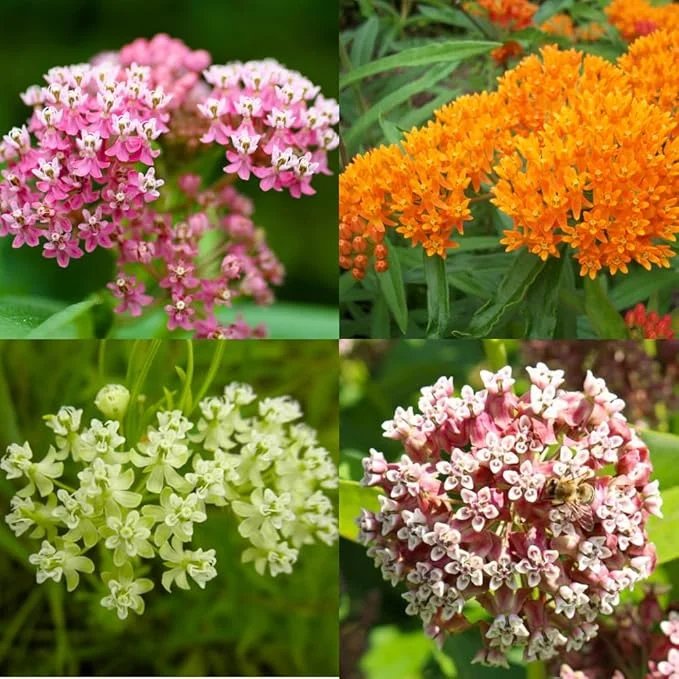
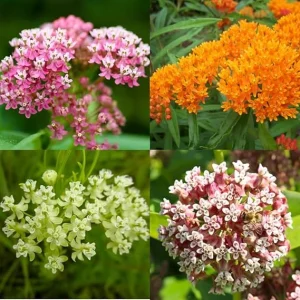
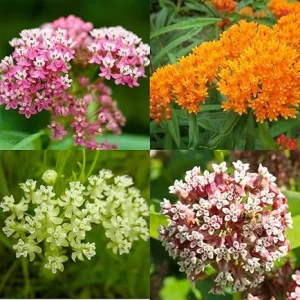
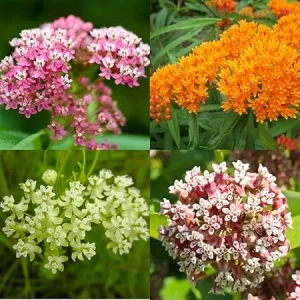
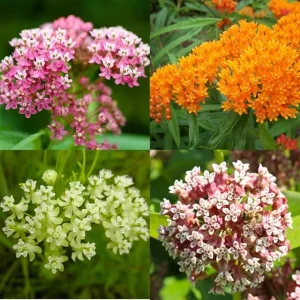
Introduce a vital element of ecological beauty to your outdoor space with our collection of mixed milkweed live plants. This offering includes six healthy, well-rooted milkweed plants, each standing between 5 to 9 inches tall, ready to thrive in your garden. Milkweed, scientifically known as Asclepias, is an indispensable perennial for creating a flourishing butterfly habitat, particularly for the iconic monarch butterfly. These vibrant plants will not only add a splash of mixed colors to your landscape but also serve a crucial role in the lifecycle of these magnificent pollinators. Our mixed milkweed live plants are carefully selected to ensure a robust start in your garden, promising a season of captivating blooms and active wildlife.
Mixed milkweed live plants are celebrated for their hardiness and ability to adapt to various outdoor conditions. They are a cornerstone for any gardener looking to contribute to local ecosystems and enjoy the serene beauty of butterflies. By choosing these plants, you are investing in a sustainable and visually appealing addition to your home. Enjoy the natural spectacle of monarch butterflies fluttering around your garden, drawn by the irresistible allure of milkweed. These plants are easy to establish and maintain, making them an excellent choice for both novice and experienced gardeners.
Key Benefits
Cultivating mixed milkweed live plants offers a multitude of benefits, transforming your garden into a vibrant, eco-friendly sanctuary. These plants are not just beautiful; they play a critical role in supporting biodiversity and creating a thriving outdoor environment for many beneficial insects, especially monarch butterflies.
- Monarch Butterfly Habitat: Mixed milkweed live plants are the sole food source for monarch butterfly caterpillars, making them essential for the monarch’s survival and reproduction. By planting them, you directly contribute to their conservation efforts.
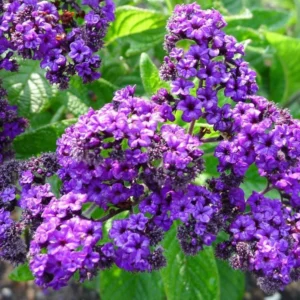
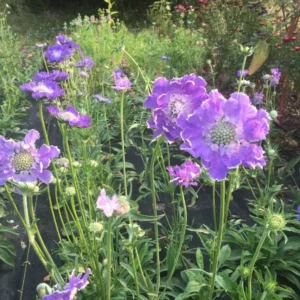
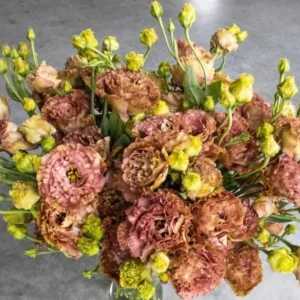
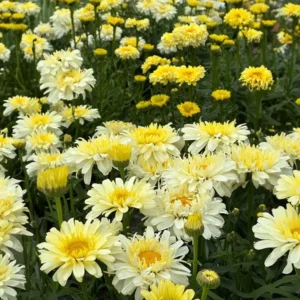
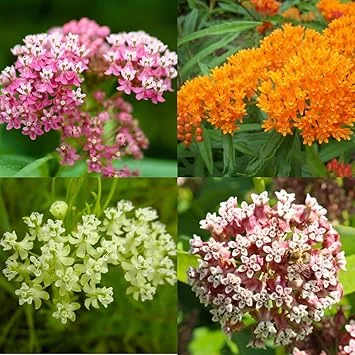
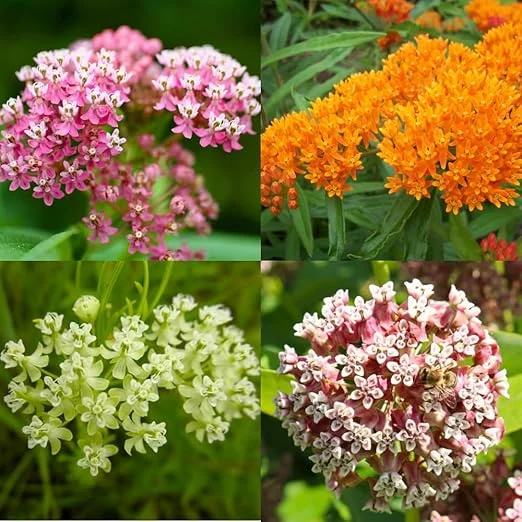
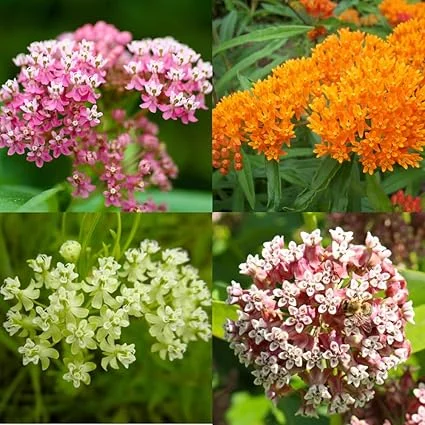
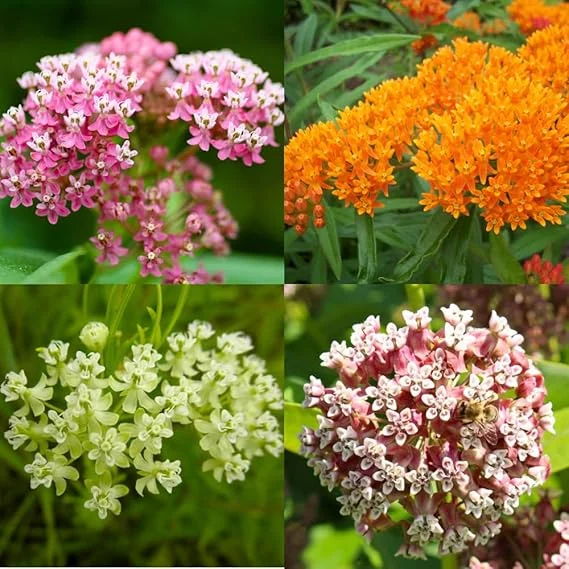
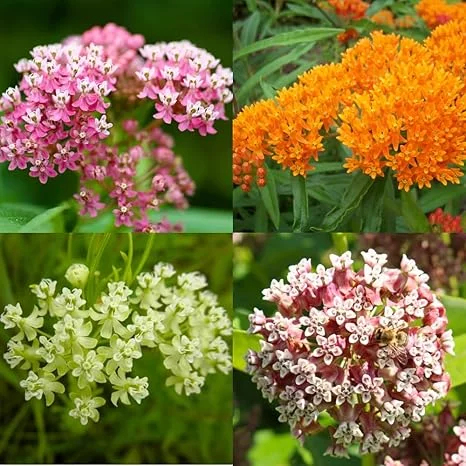
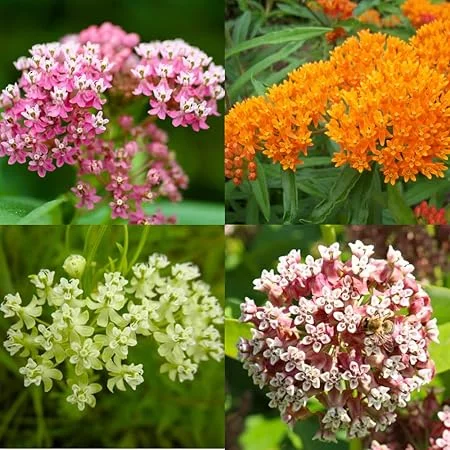
- Vibrant Mixed Colors: Enjoy a delightful array of flower colors as these plants mature, adding visual interest and dynamic beauty to your garden beds, borders, or naturalized areas. You will receive at least two random colors, enhancing your garden’s aesthetic appeal.
- Low Maintenance Perennial: Once established, milkweed plants are remarkably resilient and require minimal care. They return year after year, providing continuous beauty and ecological support with little effort. This makes them an ideal choice for busy gardeners.
- Drought Tolerant: These plants are known for their ability to withstand periods of dryness, making them suitable for various climates and reducing the need for constant watering once mature.
- Attracts Pollinators: Beyond monarchs, milkweed flowers attract a wide range of other beneficial pollinators, including bees and hummingbirds, enriching your garden’s biodiversity and improving the health of other plants.
- Well-Rooted for Success: Each of the mixed milkweed live plants comes well-rooted, ensuring a higher success rate for transplanting and faster establishment in your garden.
- Adaptable & Hardy: Thrives in USDA zones 3-9, indicating a broad range of climates where these plants can flourish, adapting to diverse soil conditions and temperatures.
Plant Care & Growing Tips
Caring for your mixed milkweed live plants is straightforward, ensuring they grow into robust, butterfly-attracting specimens. These resilient perennials are quite forgiving, making them a joy to cultivate. For optimal growth, plant your milkweed in an area that receives full sun, meaning at least six hours of direct sunlight per day. Adequate sunlight is crucial for vigorous flowering and overall plant health. While they can tolerate some partial shade, full sun exposure will yield the best results.
Regarding watering, perennial milkweed care involves regular watering during the establishment phase, ensuring the soil remains consistently moist but not waterlogged. Once established, milkweed is quite drought-tolerant and can handle drier conditions, though occasional watering during prolonged dry spells will benefit flowering. The ideal soil type is well-drained soil. Milkweed does not like wet feet, so ensure your planting site has good drainage. A sandy or loamy soil enriched with some organic matter is perfect. These plants are generally well-suited for a range of climates, thriving particularly well in USDA zones 3-9, which covers a vast area of the United States. They are tolerant of various soil conditions, making them a versatile choice for many gardens.
Fertilization is generally not heavily required for milkweed, especially if planted in fertile soil. However, if your soil is poor, a light application of a balanced, slow-release granular fertilizer in early spring can encourage more vigorous growth and blooming. Avoid over-fertilizing, as this can lead to lush foliage at the expense of flowers. Pests and diseases are rarely a major issue for milkweed, though you might occasionally spot aphids. These can usually be managed with a strong spray of water or insecticidal soap if necessary. For a thriving butterfly garden plants selection, ensure proper spacing to allow for good air circulation, which helps prevent fungal issues. Remember that these plants are crucial for monarch caterpillars, so avoid using broad-spectrum pesticides that could harm them.
Size & Details
Each order includes 6 mixed milkweed live plants, offering a substantial start to your butterfly garden. These plants are shipped well-rooted and are typically 5 to 9 inches in height upon arrival, providing a robust base for rapid growth after transplanting. Milkweed is a perennial, meaning it will return year after year, establishing a lasting presence in your landscape. While initial growth may focus on root development, you can expect these plants to establish quickly and begin producing their characteristic blooms from mid-summer to early fall, creating an extended period of interest and support for pollinators.
The specific dimensions of mature milkweed plants can vary by species, but most common varieties will reach heights of 2 to 5 feet, with a spread of 1 to 3 feet. These plants are typically sent in nursery pots, ensuring their root systems are protected and hydrated during transit. They are ready for immediate planting upon arrival, ideally in an outdoor garden setting. With proper care, these monarch milkweed plants will mature to their full size, providing abundant flowers and a critical resource for monarch butterflies. The mixed colors ensure a diverse and visually appealing display as they bloom.
Frequently Asked Questions
- Q: How big do these mixed milkweed live plants get? A: Upon arrival, the plants are typically 5 to 9 inches tall. Once established, most milkweed varieties can grow to a mature height of 2 to 5 feet and spread 1 to 3 feet, depending on the specific species and growing conditions.
- Q: Are these an indoor or outdoor plant? How much sunlight do they need? A: These are primarily outdoor plants, though they can be started indoors in certain conditions. They thrive in full sun, requiring at least 6 hours of direct sunlight daily for best growth and flowering.
- Q: Are these milkweed plants for sale easy to care for? Is it good for beginners? A: Yes, milkweed plants are generally considered easy to care for and are an excellent choice for beginners. They are hardy, drought-tolerant once established, and require minimal maintenance, making perennial milkweed care straightforward.
- Q: What condition will the plants arrive in? Is it shipped in soil? A: The plants are shipped well-rooted, typically in their nursery pots with soil, ensuring they are healthy and ready for planting upon arrival. We take care to package them securely to minimize transit stress.
- Q: Can I expect specific colors from the mixed milkweed live plants? A: This offering includes a mix of milkweed plants, and you will receive at least two random colors. The specific colors cannot be guaranteed, adding an element of surprise and variety to your garden.
- Q: How long until these butterfly garden plants bloom? When is the best time to plant? A: Milkweed typically blooms from mid-summer to early fall. The best time to plant these live plants is in spring or early summer, allowing them ample time to establish before their blooming period.
- Q: Will these milkweed plants survive winter in my zone? What’s the minimum temperature? A: These milkweed varieties are generally hardy in USDA zones 3-9, meaning they can tolerate a wide range of winter temperatures and will return each spring. They are perennial in these zones.
- Q: How often should I water my milkweed plants? A: Water regularly during the first few weeks after planting to help them establish. Once established, milkweed is quite drought-tolerant, but occasional deep watering during prolonged dry periods will promote healthier growth and more abundant blooms for your monarch milkweed.
- Q: Do these plants require any special soil? A: Milkweed plants for sale prefer well-drained soil. They can adapt to various soil conditions, but good drainage is essential to prevent root rot. Amending heavy clay soils with organic matter or sand can improve drainage.
- Q: Why are milkweed plants important? A: Milkweed plants are critically important as the only host plant for monarch butterfly caterpillars. Without milkweed, monarch butterflies cannot complete their life cycle, making these plants vital for monarch conservation.


Reviews
There are no reviews yet.