Overview
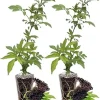
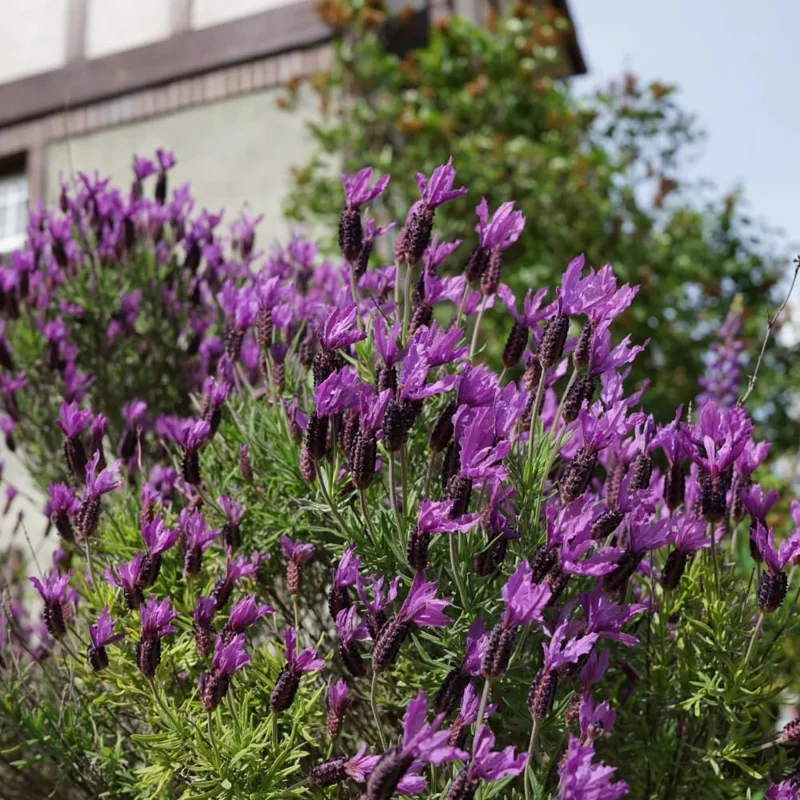
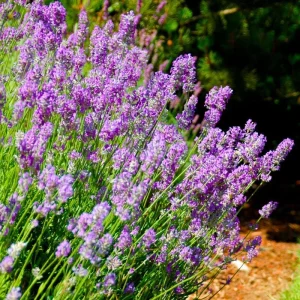
Transform your garden into a fragrant oasis with this exquisite Spanish Lavender live plant. This offering includes two healthy live plants, each measuring 2 to 4 inches, ready to thrive in your outdoor environment. Known for its distinctive pinecone-shaped flower heads topped with delicate, rabbit-ear-like bracts, Spanish Lavender (Lavandula stoechas) brings a unique visual appeal and a rich, aromatic scent to any landscape. Unlike some other lavender varieties, Spanish Lavender live plant often boasts a more intense fragrance from its foliage and flowers, making it a favorite for gardeners seeking both beauty and sensory delight. These robust shrubs are an excellent choice for adding structure, color, and a captivating aroma to your garden beds, borders, or patio containers. Perfect for attracting beneficial pollinators like bees and butterflies, these plants contribute to a vibrant and healthy ecosystem right in your backyard.
Cultivating a Spanish Lavender live plant is a rewarding experience, offering consistent beauty from late spring through summer. Their compact growth habit makes them versatile for various garden designs, from formal herb gardens to informal cottage styles. These young plants are carefully nurtured to ensure they arrive healthy and ready for successful transplanting, providing you with a head start on establishing a beautiful and fragrant display. Whether you’re an experienced gardener or just beginning, these Spanish Lavender plants offer an accessible way to enjoy one of nature’s most beloved aromatic herbs. Prepare to be enchanted by their charm and the tranquil atmosphere they create.
Key Benefits
Discover the numerous advantages of integrating these beautiful Spanish Lavender plants into your garden or outdoor living area. A Spanish Lavender live plant offers a blend of aesthetic appeal, sensory pleasure, and ecological benefits.
- Exquisite Fragrance: Enjoy the distinct, rich aroma of Spanish Lavender, known for its strong, pleasant scent that perfumes the air, especially when brushed or when its flowers are in bloom. This natural fragrance can help create a relaxing and inviting atmosphere in your garden.
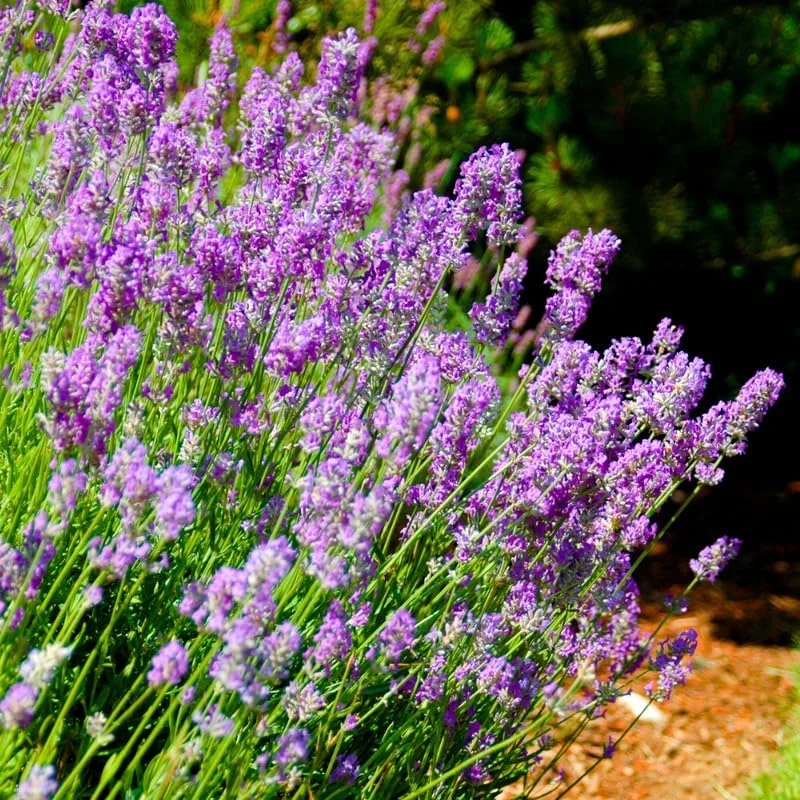
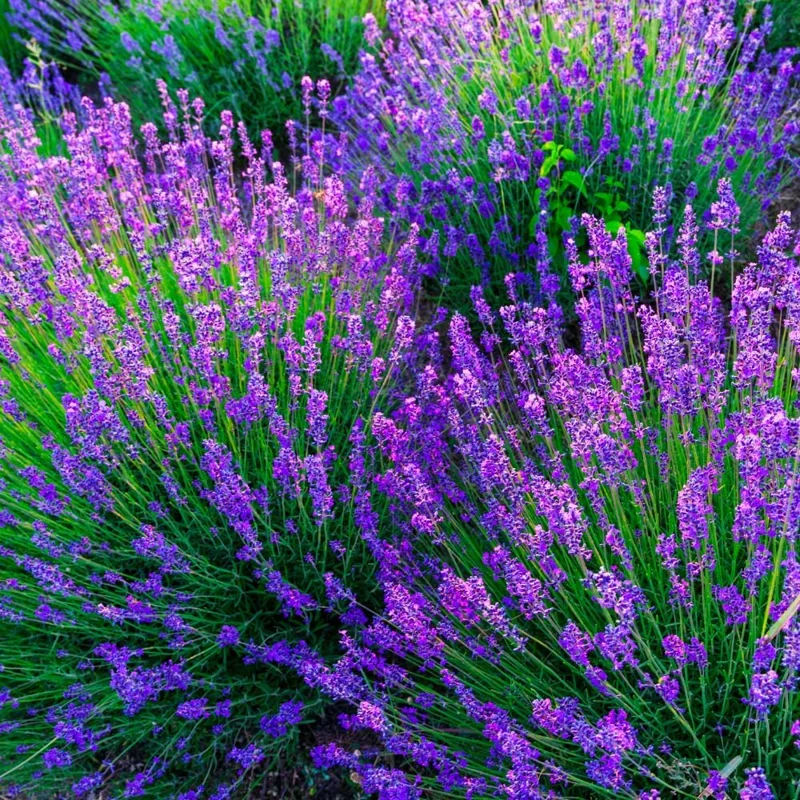
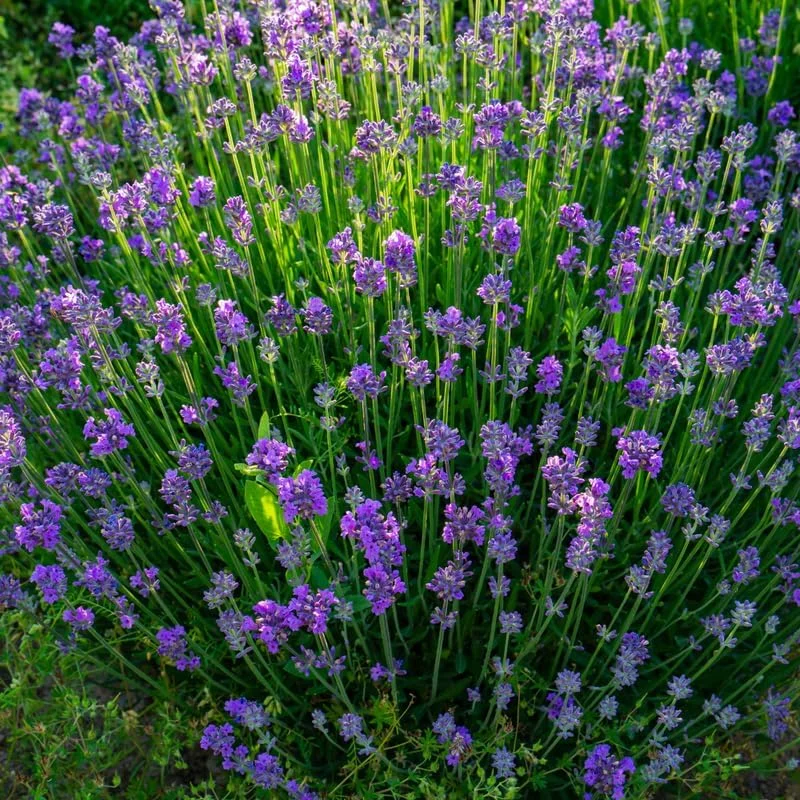
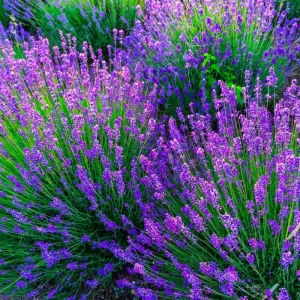
- Vibrant Purple Blooms: Admire the unique, deep purple, pinecone-like flowers topped with lighter purple bracts, which provide a stunning visual contrast and a long-lasting display from late spring well into summer, enhancing your garden’s aesthetic.
- Attracts Pollinators: These plants are a magnet for beneficial insects such as bees and butterflies, supporting local ecosystems and aiding in the pollination of other plants in your garden, contributing to biodiversity.
- Drought-Tolerant & Low Maintenance: Once established, Spanish Lavender live plant varieties are remarkably tolerant of dry conditions, requiring minimal watering and care. This makes them an ideal choice for water-wise gardening and busy individuals seeking beautiful yet easy-to-manage plants.
- Versatile Landscaping: Suitable for a wide range of applications, including garden beds, borders, rock gardens, raised beds, or as a striking fragrant container plant for patios, balconies, and entryways. Their compact growth habit allows for flexible placement.
- Deer and Rabbit Resistant: The strong aromatic oils in lavender foliage tend to deter common garden pests like deer and rabbits, offering a natural protective barrier for your landscape without the need for harsh chemicals.
- Aromatic Foliage: Even when not in bloom, the silvery-green foliage of Spanish Lavender releases its characteristic fragrance, providing year-round sensory interest and beauty to your outdoor spaces.
Plant Care & Growing Tips
Proper care ensures your Spanish Lavender live plant thrives and provides abundant blooms and fragrance. These Mediterranean natives generally prefer conditions that mimic their natural habitat, making them relatively easy to care for once established. For optimal growth, ensure your plants receive plenty of sunlight. Spanish Lavender care primarily revolves around providing adequate sun, well-draining soil, and judicious watering.
Sunlight Requirements: Spanish Lavender absolutely loves the sun. Plant your shrubs in a location that receives at least 6-8 hours of full sun per day. More sun generally leads to more prolific flowering and a stronger fragrance. In extremely hot climates, some afternoon shade can be beneficial, but avoid overly shaded areas as this can lead to leggy growth and reduced flowering. Ensure good air circulation around the plants to prevent fungal issues.
Watering Schedule and Soil Moisture: These plants are highly drought-tolerant once established. When first planting, water regularly to help the roots settle. After a few weeks, reduce watering frequency. Allow the soil to dry out completely between waterings. Overwatering is the most common cause of failure for lavender plants, leading to root rot. If you’re wondering how to grow Spanish Lavender successfully, remember that less is often more when it comes to water. They thrive in dry, well-drained soil. Avoid overhead watering, which can encourage fungal diseases.
Soil Type and Drainage: The most crucial factor for healthy Spanish Lavender is excellent drainage. They prefer lean to moderately fertile, sandy, or gravelly soil with a neutral to slightly alkaline pH (6.5-7.5). If your soil is heavy clay, amend it generously with sand, gravel, or organic matter like compost to improve drainage. Raised beds are an excellent option for areas with poor drainage. A good soil mix will ensure that the roots do not sit in water, which is vital for the plant’s survival. These fragrant garden shrubs will struggle in waterlogged conditions.
Temperature Range and USDA Hardiness Zone: Spanish Lavender is typically hardy in USDA Zones 8-10, though some varieties may tolerate Zone 7 with protection. They prefer mild winters and hot, dry summers. In colder zones, they can be grown as annuals or brought indoors during winter as container plants. Protect them from harsh winter winds and excessive moisture if growing in marginal zones. Ensure they are not exposed to prolonged freezing temperatures without adequate mulching.
Fertilization: Lavender generally prefers lean soil and does not require heavy fertilization. An annual application of a balanced, slow-release granular fertilizer in early spring can be beneficial, especially if your soil is very poor. Avoid high-nitrogen fertilizers, which can promote foliage growth at the expense of flowers and fragrance. Over-fertilizing can also lead to weak, leggy plants. A light top-dressing of compost in spring can provide sufficient nutrients.
Pruning: Pruning is essential for maintaining a compact shape and encouraging continuous blooming. After the first flush of flowers fades, deadhead spent blooms to encourage a second, smaller bloom. In late summer or early fall, after the main flowering period, prune back the plant by about one-third, avoiding cutting into old woody stems, as this can inhibit new growth. Regular light pruning helps to keep the plant vigorous and prevents it from becoming leggy and woody. This is a key aspect of effective Spanish Lavender care for long-term health and beauty.
Size & Details
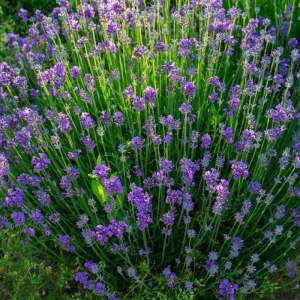
Each purchase delivers two robust Spanish Lavender live plant specimens, each measuring approximately 2 to 4 inches in height from the soil line. These young plants are carefully selected and packaged to ensure their safe arrival, ready for immediate planting in your chosen outdoor location. Spanish Lavender typically grows to a mature size of 2 to 3 feet tall and equally wide, forming a dense, rounded shrub that provides significant visual impact and fragrance. The growth rate is moderate, meaning you can expect these plants to establish well and begin producing their signature blooms within the first growing season.
The plants are shipped in their nursery pots with soil, ensuring minimal transplant shock and providing a healthy start in your garden. While they are small upon arrival, their rapid growth in suitable conditions will quickly transform them into impressive fragrant garden shrubs. Expect the first significant flush of vibrant purple flowers and aromatic foliage in late spring to early summer, with successive blooms throughout the season if deadheaded regularly. These dimensions and characteristics make them ideal for various garden applications, from mass planting to individual container specimens. Understanding how to grow Spanish Lavender to its full potential involves appreciating these growth habits.
Frequently Asked Questions
- Q: How big does this plant get? A: Each Spanish Lavender live plant typically grows to a mature size of 2 to 3 feet tall and 2 to 3 feet wide, forming a beautiful, rounded shrub. Its size makes it suitable for various garden uses.
- Q: What size pot does it come in? A: The plants are shipped in small nursery pots, typically 2 to 4 inches, with their root ball intact, ensuring they are ready for transplanting into your garden or a larger container.
- Q: Is this an indoor or outdoor plant? A: This is an outdoor plant that thrives in full sun and well-drained soil. While it can be overwintered indoors in colder climates, it performs best when planted directly in the garden or in outdoor containers.
- Q: How much sunlight does it need? A: For optimal growth and flowering, the Spanish Lavender live plant requires at least 6-8 hours of direct full sun per day. More sunlight will result in more vibrant blooms and a stronger fragrance.
- Q: Is this plant easy to care for? A: Yes, Spanish Lavender is considered relatively easy to care for, especially once established. It is drought-tolerant and requires minimal watering. The main requirements are plenty of sun and well-draining soil, making Spanish Lavender care straightforward.
- Q: What condition will it arrive in? A: Your fragrant garden shrubs will arrive as healthy, live plants, typically 2 to 4 inches tall, securely packaged in their nursery pots with soil to ensure they withstand transit and are ready for planting.
- Q: Is it shipped in soil? A: Yes, the plants are shipped in their original nursery pots with soil, which helps to protect the root system and reduce transplant shock upon arrival.
- Q: How long until it blooms? A: Given proper conditions, you can expect your Spanish Lavender to begin blooming in late spring to early summer of the first growing season. Subsequent flushes of blooms will occur throughout the summer.
- Q: When is the best time to plant? A: The best time to plant your Spanish Lavender live plant is in spring after the last frost, or in early fall in warmer climates, allowing the roots to establish before extreme temperatures.
- Q: Will it survive winter in my zone? A: Spanish Lavender is generally hardy in USDA Zones 8-10. In Zone 7, it may require winter protection, such as mulching, or can be grown in containers and moved indoors during the coldest months. If you’re unsure how to grow Spanish Lavender through winter in your specific climate, research local recommendations.
- Q: What’s the minimum temperature it can tolerate? A: Established Spanish Lavender plants can tolerate temperatures down to about 10-20°F (-12 to -6°C) in optimal conditions, but prolonged freezing temperatures or wet cold can be damaging.
- Q: Does this plant attract bees? A: Absolutely! These outdoor lavender plants are well-known for attracting bees, butterflies, and other beneficial pollinators to your garden, contributing to a healthy ecosystem.


Reviews
There are no reviews yet.