Overview
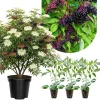
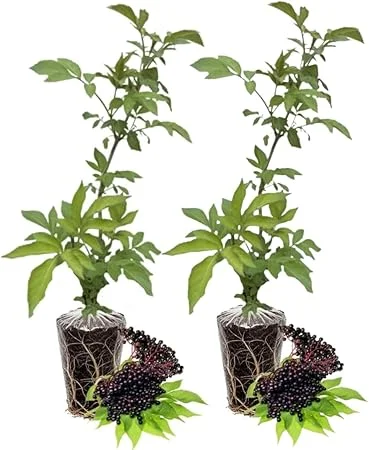
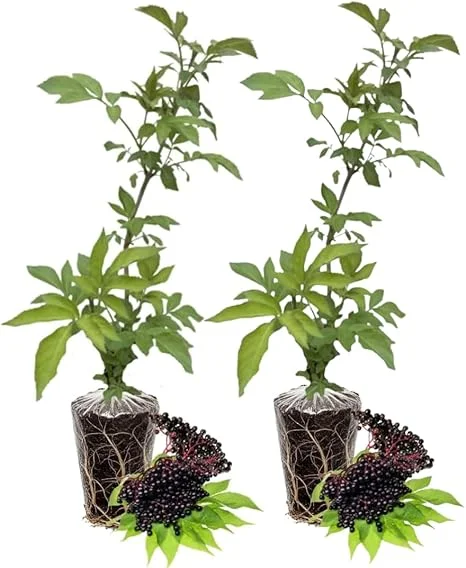
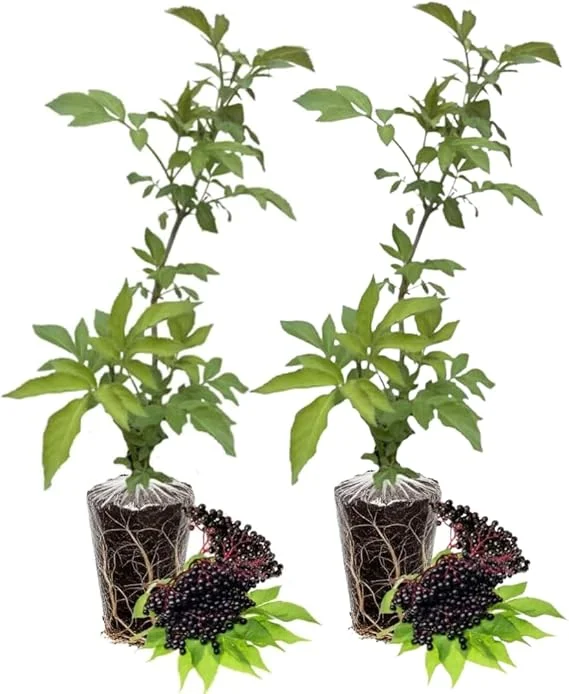
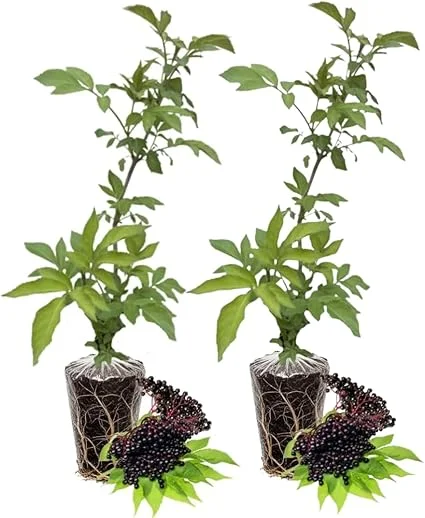
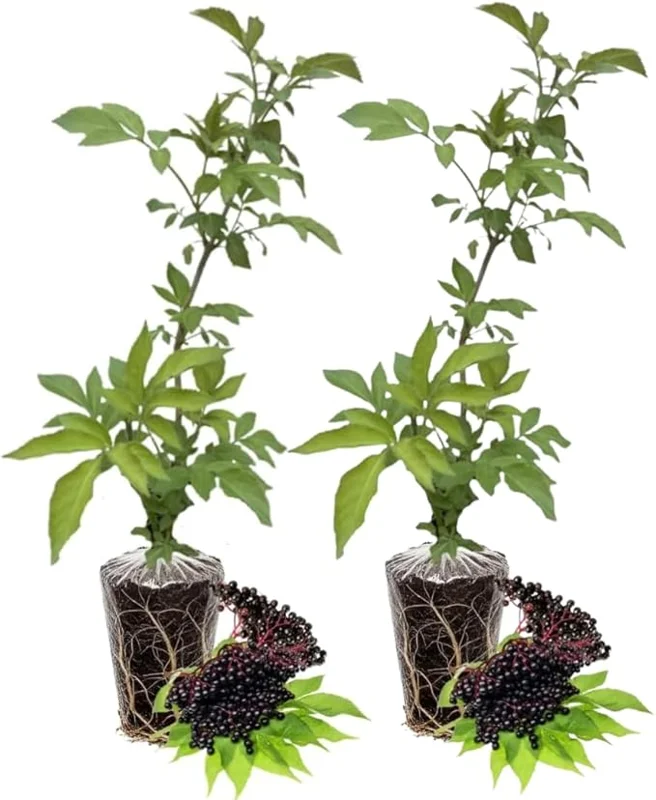
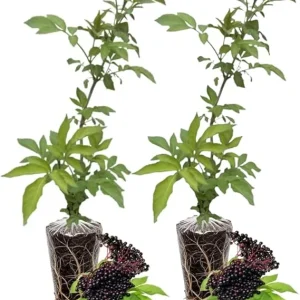
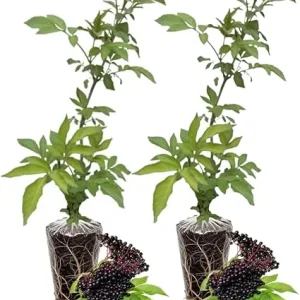
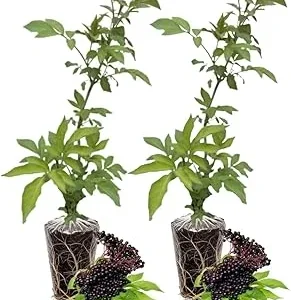
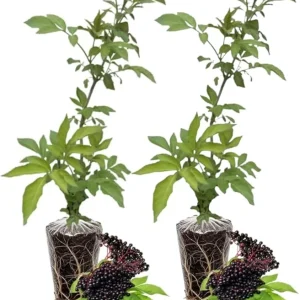
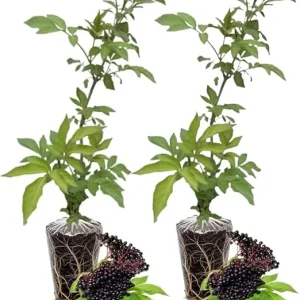
Bring the beauty and bounty of nature to your garden with this elderberry live plant 2-pack. Known for its charming white flowers and dark, edible berries, the elderberry (Sambucus spp.) is a versatile and robust shrub that offers both ornamental appeal and practical uses. These young, healthy plants, measuring 6-12 inches tall, are ready for planting and will quickly establish themselves in your landscape. Whether you’re looking to attract pollinators, create a natural hedge, or harvest your own nutrient-rich fruit, the elderberry bush is an excellent choice for any gardener. It’s a fantastic addition for those interested in sustainable gardening and foraging.
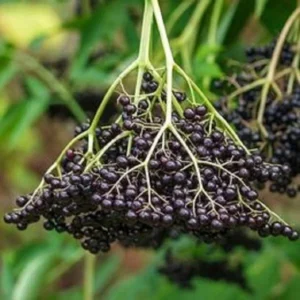
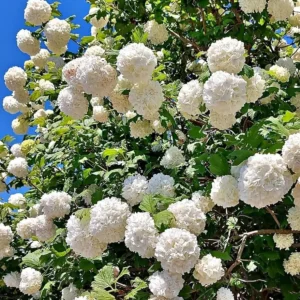
Our elderberry for planting offers a rewarding experience, transforming your outdoor space with its seasonal charm. From the delicate cream-colored blossoms in spring to the clusters of deep purple-black berries in late summer, these plants provide continuous interest. They are selected for their vigor and ability to thrive, ensuring you receive a premium product ready to flourish in your home garden.
Key Benefits
Investing in an elderberry live plant brings a multitude of advantages to your garden and lifestyle. These plants are not only visually appealing but also highly productive, offering both aesthetic and culinary rewards:
- Dual Purpose Beauty: Enjoy both the elegant clusters of creamy white flowers in spring, which add a delightful fragrance and visual interest, and the abundant harvest of dark, nutritious berries in late summer. This makes the elderberry bush a true garden standout.
- Edible & Medicinal Uses: The small, dark purple-black berries are packed with antioxidants and vitamins, perfect for making jams, jellies, pies, wines, and syrups. Elderberry is also traditionally valued for its potential immune-boosting properties.
- Attracts Pollinators: The fragrant flowers are a magnet for bees, butterflies, and other beneficial pollinators, contributing to the biodiversity and health of your garden ecosystem.
- Fast Growth & Adaptability: These shrubs are known for their relatively fast growth rate, quickly reaching a mature size of 6-12 feet tall and wide. They are adaptable to various soil conditions and thrive across a wide range of USDA zones.
- Easy to Care For: Once established, growing elderberry plants are remarkably low-maintenance, requiring minimal attention beyond basic watering and occasional pruning. This makes them ideal for both novice and experienced gardeners.
- Landscape Versatility: Use them as a standalone specimen, in a mixed border, as an informal hedge, or even in a food forest design. Their attractive foliage and seasonal changes make them a valuable landscape element.
- Supports Wildlife: In addition to pollinators, the berries provide a food source for various bird species, adding vibrant life to your garden.
Plant Care & Growing Tips
Ensuring your elderberry live plant thrives requires understanding its basic needs for sunlight, water, and soil. Elderberry bushes are generally hardy and forgiving, making them suitable for many garden types. They prefer a location with full sun to partial shade, meaning they should receive at least 6 hours of direct sunlight per day for optimal berry production. While they can tolerate some shade, too much will reduce flowering and fruiting. Choose a spot that allows for their mature size, as they can grow quite large.
When it comes to watering, elderberries prefer consistently moist, but not waterlogged, soil. Water deeply, especially during dry spells and in their first year of establishment. Once mature, they are somewhat drought-tolerant but will produce more fruit with regular moisture. The ideal soil type is well-draining, rich in organic matter, and slightly acidic to neutral (pH 5.5-7.0). Amending your soil with compost before planting will significantly benefit your elderberry bush. These plants are hardy in USDA zones 4-9, making them suitable for a broad range of climates.
Fertilization is typically not heavily required for a healthy elderberry for planting. A balanced, slow-release fertilizer in early spring or a top-dressing of compost can be beneficial, especially if your soil is poor. Pruning is best done in late winter or early spring while the plant is dormant. Remove any dead, damaged, or crossing branches. You can also prune to maintain shape or control size. For best fruit production, encourage new growth, as elderberries tend to produce fruit on one-year-old wood. Watch out for common pests like aphids, which can usually be managed with organic insecticidal soap. Proper air circulation helps prevent fungal diseases. Following these simple steps will ensure you enjoy a robust and productive growing elderberry for years to come.
Size & Details
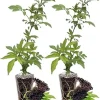
This offering includes two vigorous elderberry live plant specimens, each carefully nurtured to be approximately 6-12 inches tall upon arrival. These young shrubs are ideal for immediate transplanting into your garden, providing a head start on growth. Elderberry plants are known for their relatively fast growth rate, typically reaching a mature height and spread of 6-12 feet within a few years, depending on growing conditions and specific variety. They are shipped as live plants, ready to be established in their permanent location. Expect creamy white clusters of fragrant flowers to bloom in spring, followed by the development of small, dark purple-black berries later in the season. These plants are grown to thrive in USDA zones 4 through 9, showcasing their adaptability to a wide range of temperate climates.
The plants are supplied in a condition suitable for transplanting, often with their root ball intact, ensuring minimal shock. While initial growth may focus on root development, you can anticipate visible top growth and the first signs of flowering and fruiting within 1-2 years of planting. The mature size provides ample foliage for screening or as a prominent feature in your landscape, while the prolific berry production ensures a bountiful harvest for culinary uses. This 2-pack offers an excellent opportunity to establish multiple plants for better cross-pollination and increased fruit yield, enhancing your success in growing elderberry.
Frequently Asked Questions
- Q: How big does this elderberry live plant get? A: These elderberry live plant specimens are 6-12 inches tall when shipped. Once mature, elderberry bushes typically grow to be 6-12 feet tall and equally wide, creating a substantial shrub or small tree.
- Q: What size pot does it come in? A: The plants are typically shipped in small nursery pots or with their root ball carefully protected, ready for direct planting into your garden soil or a larger container if preferred.
- Q: Is this an indoor or outdoor plant? A: The elderberry bush is primarily an outdoor plant, thriving in garden settings where it can receive adequate sunlight and space to grow to its full potential. It is not suitable for long-term indoor cultivation.
- Q: How much sunlight does it need? A: For optimal growth and fruit production, your elderberry for planting requires at least 6 hours of direct sunlight per day. It can tolerate partial shade, but fruiting may be reduced.
- Q: Is this plant easy to care for? A: Yes, elderberry plants are considered relatively easy to care for. Once established, they are quite hardy and low-maintenance, making them a great choice for gardeners of all experience levels.
- Q: What condition will it arrive in? A: Your elderberry live plant will arrive as a healthy, young plant, carefully packaged to ensure its safe transit and readiness for planting upon arrival.
- Q: Can I use elderberry in cooking? A: Absolutely! The dark purple-black berries of the elderberry are highly prized for culinary uses, including making jams, jellies, pies, wine, and healthful syrups. Ensure berries are cooked before consumption.
- Q: How long until it blooms and produces fruit? A: You can expect your elderberry plant to start blooming and producing fruit within 1-2 years after planting, with increasing yields as the plant matures.
- Q: Will it survive winter in my zone? A: Elderberry plants are very hardy and thrive in USDA zones 4-9, meaning they are well-suited to withstand winter conditions in a broad range of temperate climates. This makes growing elderberry a reliable choice.
- Q: What’s the minimum temperature it can tolerate? A: Given its hardiness in USDA zone 4, an elderberry plant can generally tolerate winter temperatures down to around -30°F to -20°F (-34°C to -29°C) once established.


Reviews
There are no reviews yet.