Overview
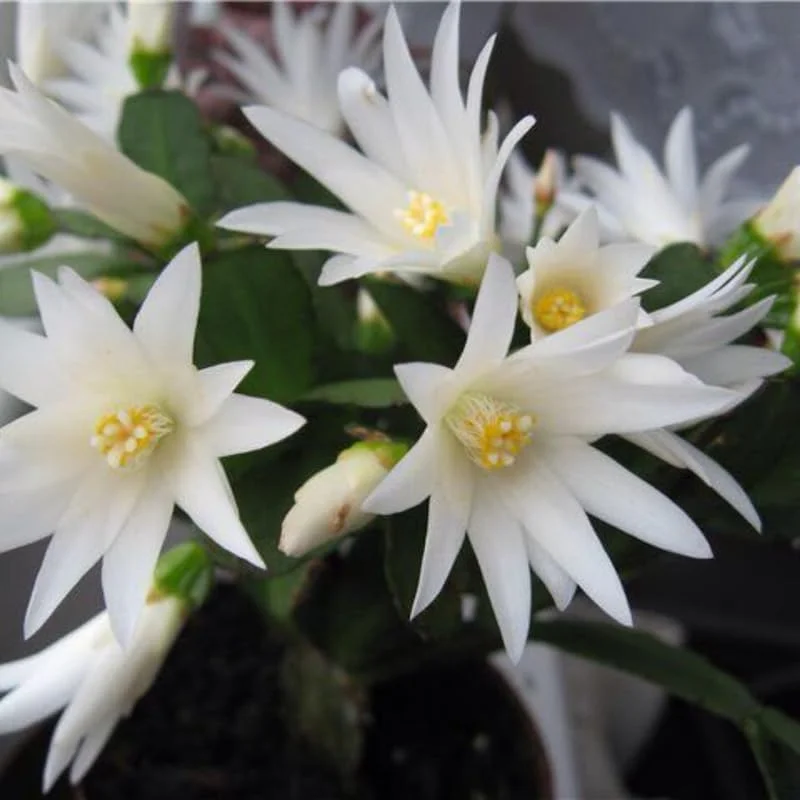
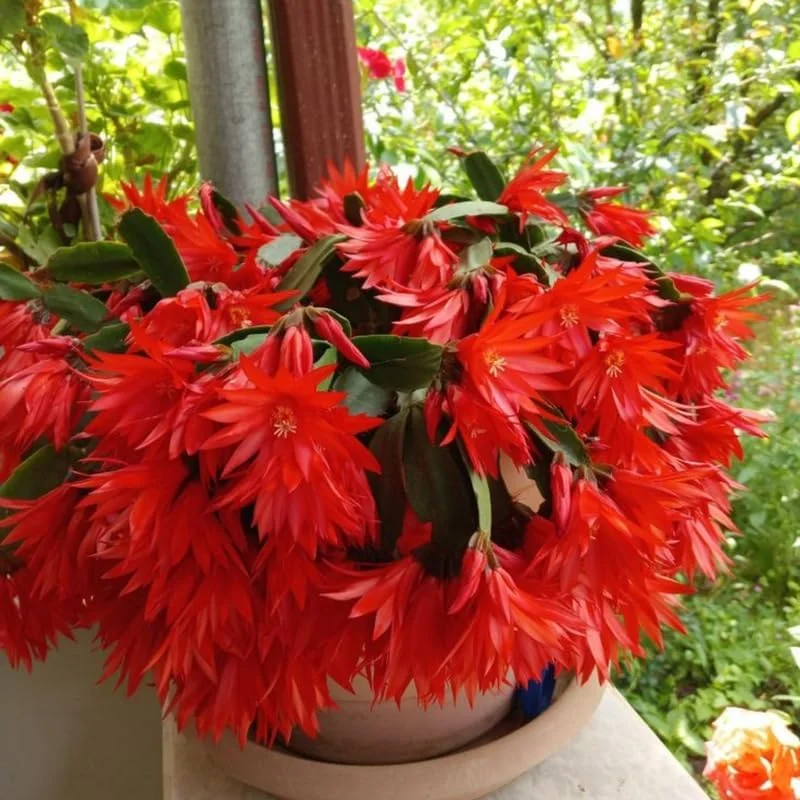
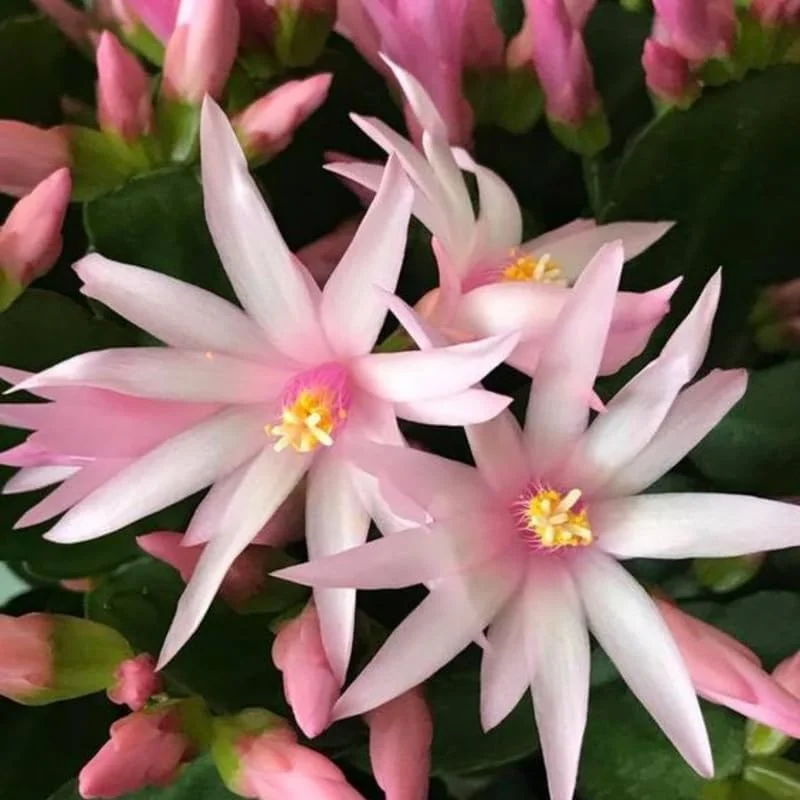
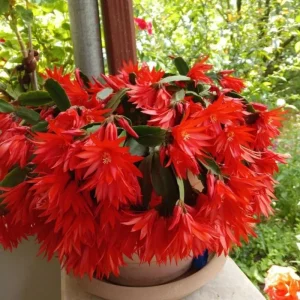
Introduce a splash of vibrant color to your home with this exquisite red Easter cactus live plant. Known for its spectacular late winter to early spring blooms, this particular variety showcases stunning red flowers that create a festive atmosphere. Often referred to by its botanical name, Rhipsalidopsis gaertneri, the Easter cactus is a popular choice among indoor succulent plants for its relatively easy care and striking appearance. Unlike desert cacti, the Easter cactus is an epiphytic plant, meaning it grows on other plants in its native rainforest habitat, absorbing moisture and nutrients from the air and rain. This spring blooming cactus is a delightful addition to any plant collection, bringing beauty and a touch of the tropics indoors.
Our red Easter cactus live plant arrives healthy and ready to thrive in your home environment. Its segmented stems and vibrant red flowers make it a captivating focal point in any room. Perfect for windowsills, desks, or hanging baskets, this plant promises to deliver a delightful display of color year after year, especially during the spring season. Discover the joy of nurturing this beautiful succulent and watch as its brilliant blooms unfold.
Key Benefits
The red Easter cactus live plant offers numerous advantages, making it a beloved choice for plant lovers. Its unique characteristics provide both aesthetic appeal and ease of maintenance.
- Vibrant Spring Blooms: Experience the joy of seeing stunning red flowers erupt in late winter or early spring. These blooms are a beautiful harbinger of warmer weather and add a festive touch to your indoor decor. The intense color of the red variety is particularly eye-catching and can brighten any space.
- Low Maintenance & Easy Care: This indoor succulent plant is remarkably forgiving, making it an excellent choice for both novice and experienced gardeners. It requires minimal watering and can tolerate a range of indoor conditions, thriving with just a little attention. Its resilience ensures long-lasting beauty with less effort.
- Compact & Versatile Size: Growing to a mature size of up to 12-18 inches wide, the Easter cactus remains a manageable size for most indoor settings. Its compact growth habit makes it ideal for small apartments, office desks, or as part of a larger plant arrangement, offering flexibility in placement.
- Air Purifying Qualities: Like many houseplants, the red Easter cactus live plant contributes to a healthier indoor environment by helping to filter out airborne toxins. While not as potent as some other plants, it still plays a role in improving air quality, making your home a more pleasant place to be.
- Long Lifespan: With proper care, an Easter cactus can live for many years, becoming a cherished part of your home. Its longevity means you can enjoy its beautiful blooms and lush foliage for a decade or more, making it a truly rewarding plant to own.
- Unique Growth Habit: The segmented, flattened stems of the Easter cactus provide unique visual interest even when the plant is not in bloom. This distinctive structure adds texture and form to your plant collection, setting it apart from typical succulents.
Plant Care & Growing Tips
Caring for your red Easter cactus live plant is straightforward, ensuring it flourishes and provides beautiful blooms for years to come. Understanding its specific needs will help you create the ideal environment for this unique succulent. The key to successful Easter cactus care lies in mimicking its natural rainforest environment, which means bright, indirect light and consistent, but not excessive, moisture.
Sunlight Requirements: The Easter cactus thrives in bright, indirect sunlight. Place it near an east-facing window where it can receive gentle morning sun, or in a well-lit room away from direct afternoon rays. Direct, harsh sunlight can scorch its delicate leaves, turning them yellow or red. Too little light, however, can result in sparse growth and fewer blooms. Rotate your plant occasionally to ensure even light exposure on all sides.
Watering Schedule and Soil Moisture: Water thoroughly when the top inch or two of soil feels dry to the touch. Allow excess water to drain completely from the bottom of the pot. Overwatering is a common mistake and can lead to root rot. During its active growing and blooming periods (late winter to spring), it may require more frequent watering. Reduce watering significantly in late summer and fall to encourage bud formation for the next blooming cycle. This period of slight drought is crucial for a robust spring blooming cactus. Ensure the pot has good drainage holes.
Soil Type and Drainage: A well-draining potting mix is essential for the Easter cactus. A succulent or cactus mix blended with some peat moss or coir will provide the ideal balance of drainage and moisture retention. The soil should be airy and prevent waterlogging. Good drainage is paramount to prevent fungal diseases and root issues. When considering Easter cactus care, remember that proper soil is fundamental.
Temperature Range and USDA Hardiness Zone: This is primarily an indoor plant, flourishing in typical room temperatures between 65-75°F (18-24°C). It can tolerate slightly cooler temperatures down to 50°F (10°C) during its resting period in the fall, which can help stimulate bloom production. Avoid sudden temperature fluctuations and cold drafts. As an indoor plant, it does not have a specific USDA hardiness zone for outdoor planting, but it generally thrives in conditions similar to USDA zones 10-12 if grown outdoors in a very protected, humid environment.
Fertilization Schedule: Feed your red Easter cactus live plant with a balanced liquid fertilizer diluted to half strength every 2-4 weeks during its active growing period (spring and summer). Reduce or stop fertilization during its resting period in fall and winter. Over-fertilizing can harm the plant, so always follow product instructions. A balanced fertilizer promotes healthy foliage and abundant blooms. Adequate fertilization is a key component of good Easter cactus care.
Common Problems and Solutions: Yellowing leaves often indicate overwatering or nutrient deficiency. Brown, crispy leaves usually point to underwatering or too much direct sunlight. Dropping buds can be caused by changes in light, temperature, or insufficient watering during the bud development stage. Pests like mealybugs or spider mites can sometimes affect Easter cacti; inspect your plant regularly and treat with insecticidal soap if necessary. Proper Easter cactus care will minimize these issues.
Size & Details
This offering is for one red Easter cactus live plant, typically measuring 4 to 6 inches in height from the base of the plant to the top of its foliage, without the pot. The plant is shipped without a pot, allowing you to choose your preferred decorative container upon arrival. When mature, this beautiful succulent can reach a width of 12 to 18 inches, creating a lovely spreading display. Its growth rate is moderate, allowing you to enjoy its development over time without it quickly outgrowing its space. The plant is shipped as a healthy, established specimen, ready for immediate planting in your chosen pot and soil. Expect the first blooms to appear in late winter to early spring, adding a splash of red to your indoor garden. This attractive indoor succulent plant is a fantastic way to introduce vibrant color and easy-care greenery into your home.
Frequently Asked Questions
- Q: How big does this red Easter cactus live plant get? A: This plant typically arrives 4 to 6 inches tall and can mature to a width of 12 to 18 inches. Its compact size makes it ideal for various indoor spaces, including windowsills and shelves.
- Q: Is this an indoor or outdoor plant? A: The Easter cactus is primarily an indoor plant in most climates. It thrives in typical household temperatures and bright, indirect light. While it can be placed outdoors in very mild, humid, and shaded conditions, it’s best kept as an indoor succulent plant.
- Q: How much sunlight does an Easter cactus need? A: It requires bright, indirect sunlight. Avoid direct afternoon sun, which can scorch its leaves. An east-facing window or a well-lit room with filtered light is ideal for optimal growth and blooming.
- Q: Is this plant easy to care for? A: Yes, the Easter cactus is considered relatively easy to care for, making it suitable for beginners. Its moderate watering needs and tolerance for typical indoor conditions contribute to its low-maintenance appeal. Following basic Easter cactus care guidelines will ensure its success.
- Q: What condition will the plant arrive in? A: Your red Easter cactus live plant will arrive healthy and carefully packaged, ready for you to pot. It is shipped without a pot to ensure safe transit and reduce shipping weight.
- Q: How often should I water my Easter cactus? A: Water when the top 1-2 inches of soil feel dry. It’s better to underwater slightly than to overwater, as excessive moisture can lead to root rot. Adjust watering frequency based on humidity and temperature.
- Q: How can I encourage my spring blooming cactus to flower? A: To encourage blooms, provide a cool, dry resting period in the fall (around 50-55°F or 10-13°C) with reduced watering and decreased light for about 6-8 weeks. This stress period helps initiate bud formation.
- Q: Is the Easter cactus pet-safe? A: The Easter cactus (Rhipsalidopsis gaertneri) is generally considered non-toxic to pets according to the ASPCA, making it a safe choice for homes with cats and dogs.
- Q: What kind of soil is best for this indoor succulent plant? A: A well-draining cactus or succulent potting mix is ideal. You can also create your own by mixing regular potting soil with perlite or coarse sand to improve drainage.
- Q: What is the difference between an Easter cactus and a Christmas cactus? A: While similar, Easter cacti (Rhipsalidopsis gaertneri) typically bloom in spring, have more rounded segments, and flowers are usually at the tips of the stems. Christmas cacti (Schlumbergera) bloom closer to winter, have more pointed or toothed stem segments, and flowers often hang down. Both respond well to similar Easter cactus care.


Reviews
There are no reviews yet.