Overview
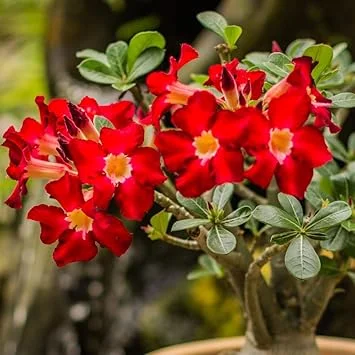
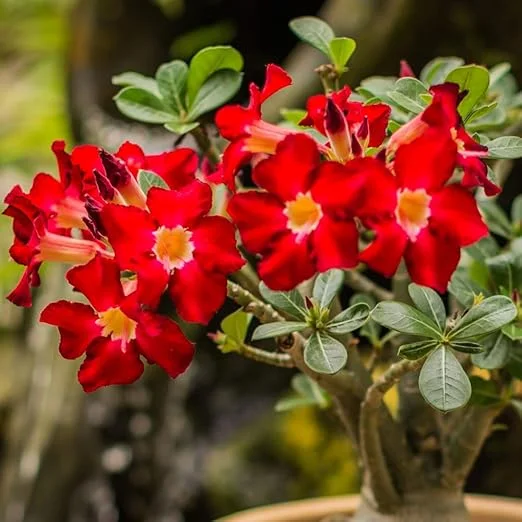
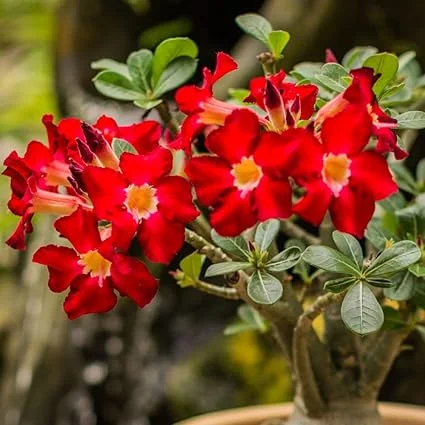
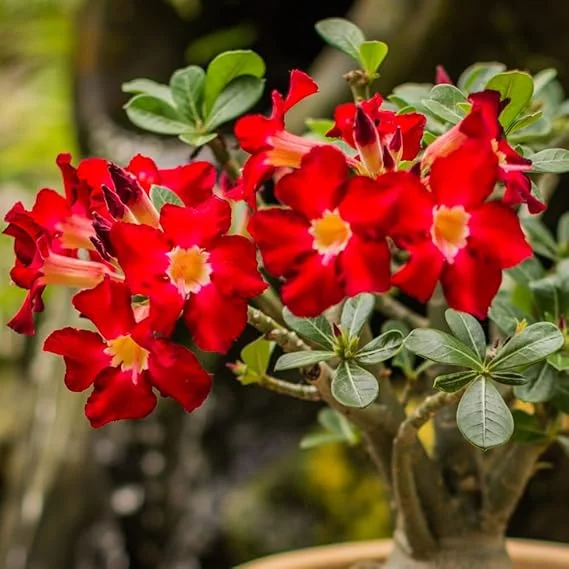
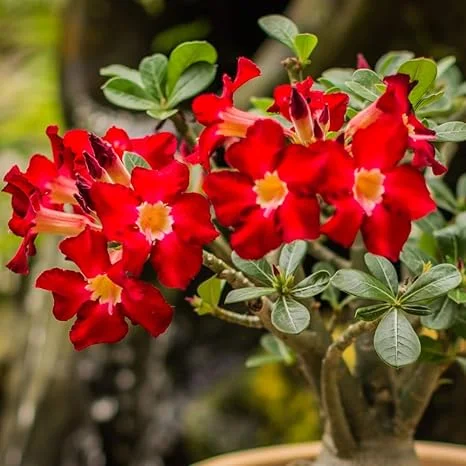
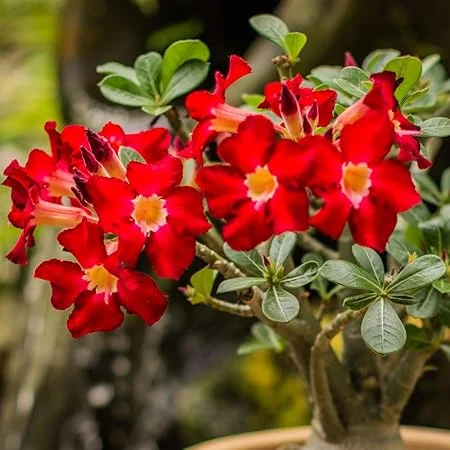
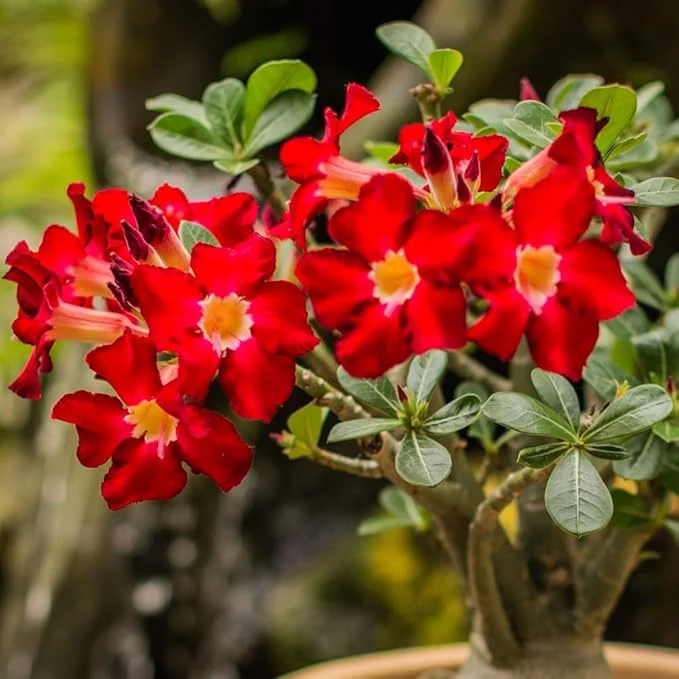
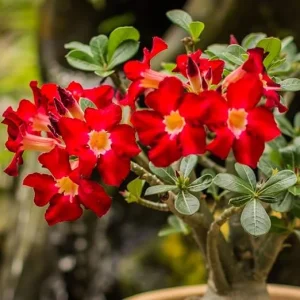
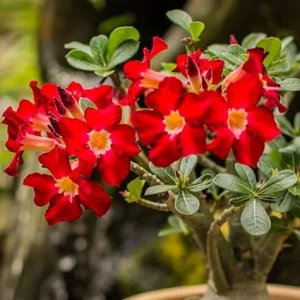
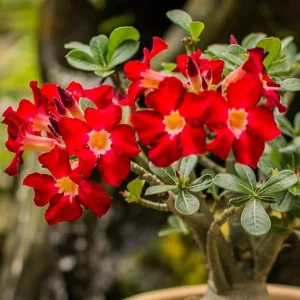
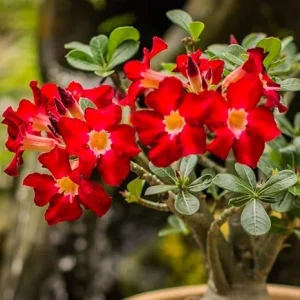
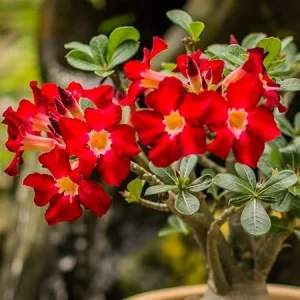
Welcome the captivating beauty of the desert rose live plant, scientifically known as Adenium Obesum, into your collection. This remarkable succulent is cherished for its stunning, trumpet-shaped flowers and its distinctive, swollen base (caudex) that stores water, giving it a unique sculptural appeal. Originating from arid regions, the Adenium Obesum has evolved to be incredibly drought-tolerant and resilient, making it a fascinating and relatively low-maintenance addition to various environments. Whether you’re an experienced gardener or just starting, the charm of this plant is undeniable. Its vibrant blooms, often in shades of red, pink, or white, create a spectacular display that can brighten any space. This particular offering provides a healthy, thriving specimen, ready to establish itself in your home or garden, promising years of visual delight. The red desert rose plant variety is especially sought after for its intense color and dramatic presence, perfect for creating a focal point.
Known by several common names, including Sabi Star, Kudu, and Impala Lily, the desert rose live plant offers more than just aesthetic appeal. It embodies resilience and exotic allure, making it a conversation starter. Its adaptability allows it to thrive in diverse settings, from a sunny windowsill indoors to a warm, protected spot in your outdoor garden. The unique growth habit of the Adenium Obesum, particularly its caudex, makes each plant a living sculpture, evolving and gaining character over time. Cultivating this plant is a rewarding experience, as you watch its beautiful flowers emerge, adding bursts of color and life. This live plant comes ready for planting, ensuring a smooth transition to its new home.
Key Benefits
The desert rose live plant offers a multitude of benefits that make it a highly desirable choice for plant enthusiasts. Its unique characteristics contribute to both its aesthetic appeal and ease of care:
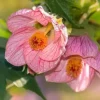
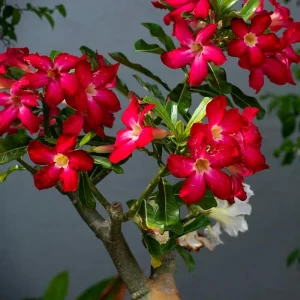
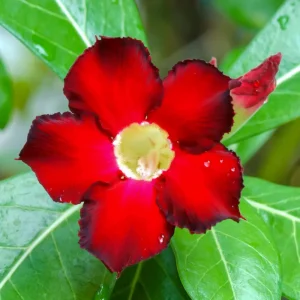
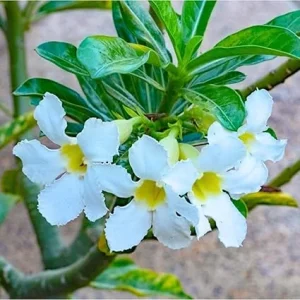
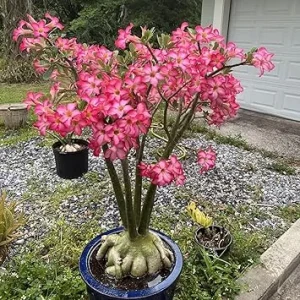
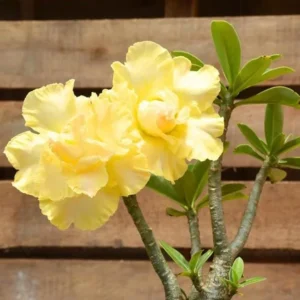
- Stunning Floral Display: The primary draw of the Adenium Obesum is its magnificent, vibrant flowers. These often come in brilliant shades of red, pink, or white, providing a continuous show of color, especially during warmer months. The dramatic blooms are a true spectacle.
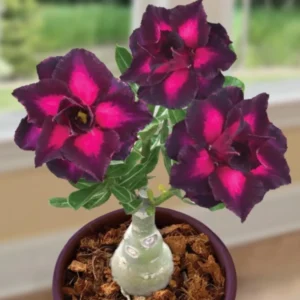
- Unique Caudex Formation: Each desert rose develops a distinctive, swollen base (caudex) that serves as a water reservoir. This feature not only makes the plant incredibly drought-tolerant but also gives it a sculptural, artistic appearance, making it a living piece of art.
- Drought Tolerance: As a succulent from arid regions, the desert rose live plant is exceptionally resilient to dry conditions. This makes it a perfect choice for gardeners in water-conscious areas or for those who prefer a low-watering routine.
- Versatile Placement: This plant can be successfully grown both indoors as a striking houseplant and outdoors in suitable climates. Its adaptability allows you to enjoy its beauty in various settings, from patios to sunny windowsills.
- Low Maintenance: Once established, the Adenium Obesum requires minimal attention. Its ability to store water reduces the need for frequent watering, and it generally resists many common pests and diseases. Learning to grow desert rose is straightforward.
- Long Blooming Period: With proper care and sufficient sunlight, the desert rose can bloom for extended periods throughout the year, especially from spring through fall, providing consistent color and beauty.
- Exotic Appeal: The distinctive form and vibrant flowers of the desert rose lend an exotic and tropical feel to any space, transforming ordinary areas into vibrant, captivating displays. It’s a fantastic way to introduce unique flora.
Plant Care & Growing Tips
Caring for your desert rose live plant, or Adenium Obesum, is relatively straightforward, especially once you understand its needs as a succulent. The most crucial factor for its health and prolific blooming is adequate sunlight. This plant absolutely thrives in full sun, meaning it requires at least 6-8 hours of direct sunlight per day. If grown indoors, place it in the brightest south-facing window possible, or supplement with a grow light. Outdoors, ensure it’s in a location that receives consistent, unfiltered sun. Insufficient light will lead to leggy growth and sparse flowering, diminishing the plant’s overall appeal and its ability to grow desert rose effectively.
Watering is another critical aspect, and overwatering is the most common cause of problems for the desert rose live plant. As a succulent, it prefers its soil to dry out completely between waterings. During its active growing season (spring and summer), water thoroughly until water drains from the bottom of the pot, then allow the soil to become completely dry before watering again. Reduce watering significantly in fall and winter when the plant enters dormancy, only watering enough to prevent the caudex from shriveling. Well-drained soil is paramount; a cactus and succulent mix or a blend of potting soil with perlite and sand will provide the necessary drainage. The ideal temperature range is between 65-90°F (18-32°C). The Adenium Obesum care guide suggests protecting it from temperatures below 50°F (10°C), as it is not frost-tolerant. Its hardiness zone is typically USDA Zones 11-12, making it an outdoor perennial only in very warm climates, and an indoor plant or potted outdoor plant elsewhere. Fertilize sparingly during the growing season with a balanced liquid fertilizer diluted to half strength, typically once a month. Watch out for mealybugs or spider mites, which can be treated with insecticidal soap. Proper care ensures a beautiful and healthy red desert rose plant.
Size & Details
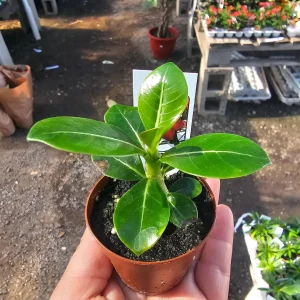
This offering includes one healthy desert rose live plant, measuring approximately 5 to 9 inches tall from the base of the soil to the tip of its tallest foliage. Each plant is carefully selected to ensure vigor and readiness for transplantation. It will arrive as a rooted, live specimen, typically shipped in a nursery pot with some soil to protect its delicate roots during transit. The plant’s unique caudex, while still developing, will begin to showcase its characteristic swollen form, which will continue to mature and enlarge over time, adding to its distinctive appeal. The growth rate of the Adenium Obesum is moderate, allowing you to observe its development and the gradual increase in the size of its caudex and foliage.
Upon arrival, it is recommended to gently acclimate your desert rose live plant to its new environment before repotting. While individual dimensions may vary slightly due to the plant’s natural growth, you can expect a robust specimen ready for planting. With proper care, this plant will continue to grow, potentially reaching heights of 2-3 feet in containers over several years, with its caudex expanding significantly. The vibrant potential for blooming is inherent in these healthy plants, and with suitable conditions, you can anticipate beautiful flowers during the growing season. This size is ideal for establishing a new plant, whether you plan to cultivate a bonsai-style specimen or allow it to grow into a larger, more traditional form. It represents a fantastic opportunity to start your journey with this captivating succulent.
Frequently Asked Questions
- Q: How big does this desert rose live plant get? A: This desert rose live plant is currently 5 to 9 inches tall. With proper care, it can grow to about 2-3 feet tall in a container, and its unique caudex will continue to thicken and develop, adding to its mature beauty.
- Q: Is this an indoor or outdoor plant? A: The Adenium Obesum is versatile. It can be grown as an indoor houseplant in a very sunny location or outdoors in warm climates (USDA Zones 11-12) where there is no risk of frost. For colder regions, it thrives outdoors during summer and must be brought indoors before temperatures drop.
- Q: How much sunlight does my desert rose need? A: A desert rose live plant requires abundant sunlight. It needs at least 6-8 hours of direct full sun daily to thrive and produce its signature vibrant blooms. Place it in the brightest spot available, whether indoors or outdoors.
- Q: Is this plant easy to care for? A: Yes, once you understand its basic needs, the Adenium Obesum care is relatively easy. It’s a drought-tolerant succulent, so the main key is to avoid overwatering and ensure it gets plenty of sun. It’s a great option for both beginners and experienced gardeners.
- Q: What condition will my desert rose live plant arrive in? A: Your red desert rose plant will arrive as a healthy, live specimen, carefully packaged in a nursery pot with some soil to protect its roots during shipping. We take great care to ensure it reaches you in excellent condition, ready for planting.
- Q: How long until it blooms? A: While this desert rose live plant is a young specimen, healthy plants typically begin to bloom within their first year or two given optimal conditions. With consistent full sun and proper watering, you can expect beautiful flowers during the growing season, usually from spring through fall.
- Q: What’s the best soil for growing desert rose? A: The best soil for your Adenium Obesum is a well-draining mix. A specialized cactus and succulent potting mix is ideal, or you can create your own by blending regular potting soil with perlite, pumice, or coarse sand to improve drainage.
- Q: Can I keep my desert rose indoor plant year-round? A: Yes, you can keep your desert rose indoor plant year-round, provided it receives sufficient light. A south-facing window with direct sun is best. If natural light is limited, supplementing with a grow light will help ensure it thrives and blooms indoors.
- Q: What are the watering needs for a desert rose? A: The key to watering your desert rose live plant is to let the soil dry out completely between waterings. Water thoroughly until it drains from the pot, then wait until the soil is dry to the touch before watering again. Reduce watering during cooler, dormant months.
- Q: Is this a true red desert rose? A: This offering is for a red desert rose plant variety of Adenium Obesum, known for its striking red blooms. While flower colors can vary slightly based on growing conditions and individual plant genetics, it is selected for its vibrant red flowering potential.


Reviews
There are no reviews yet.