Overview
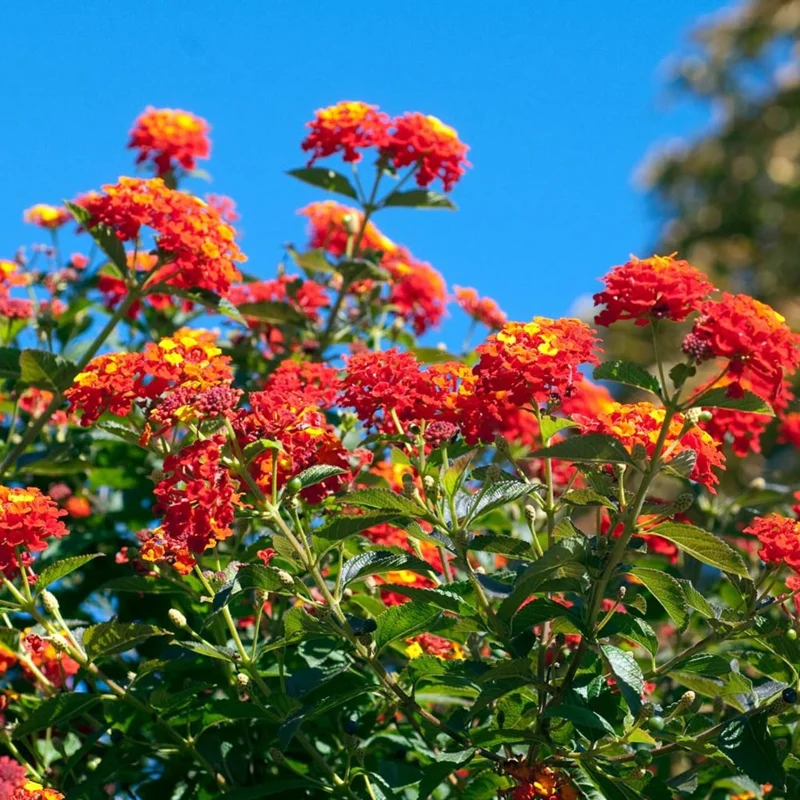
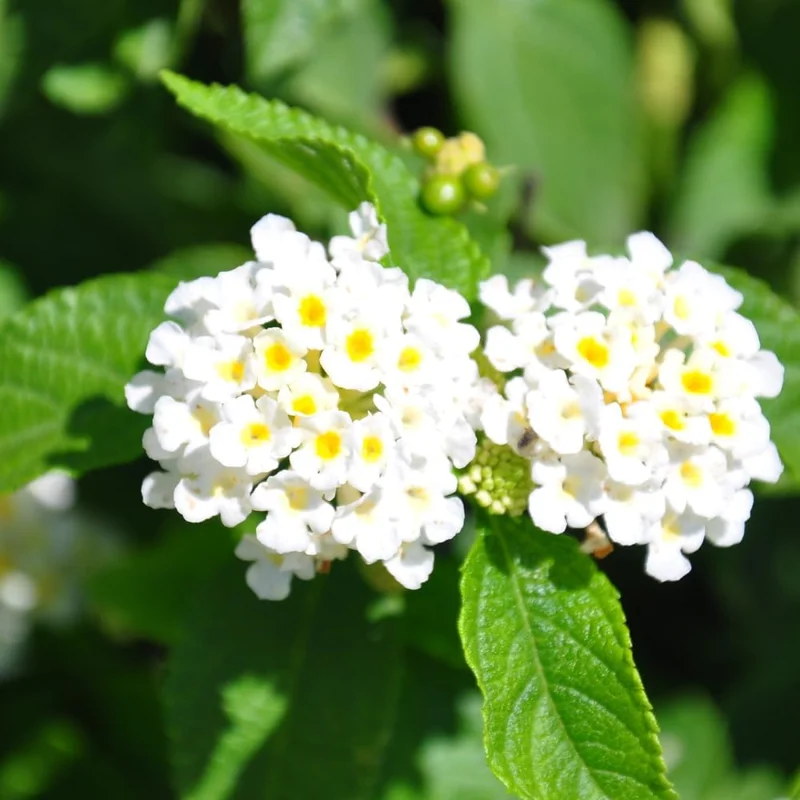
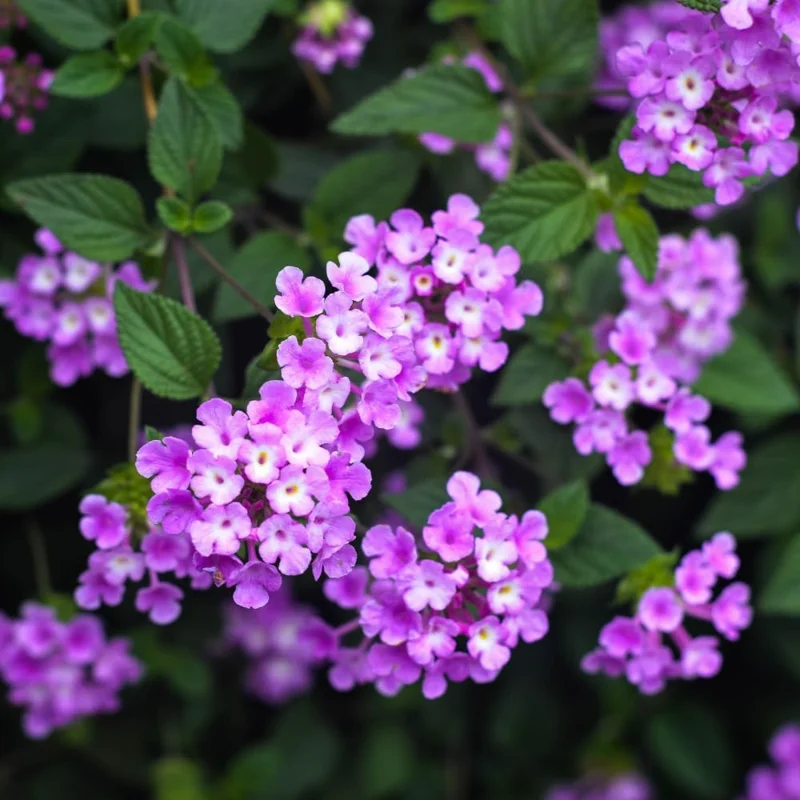
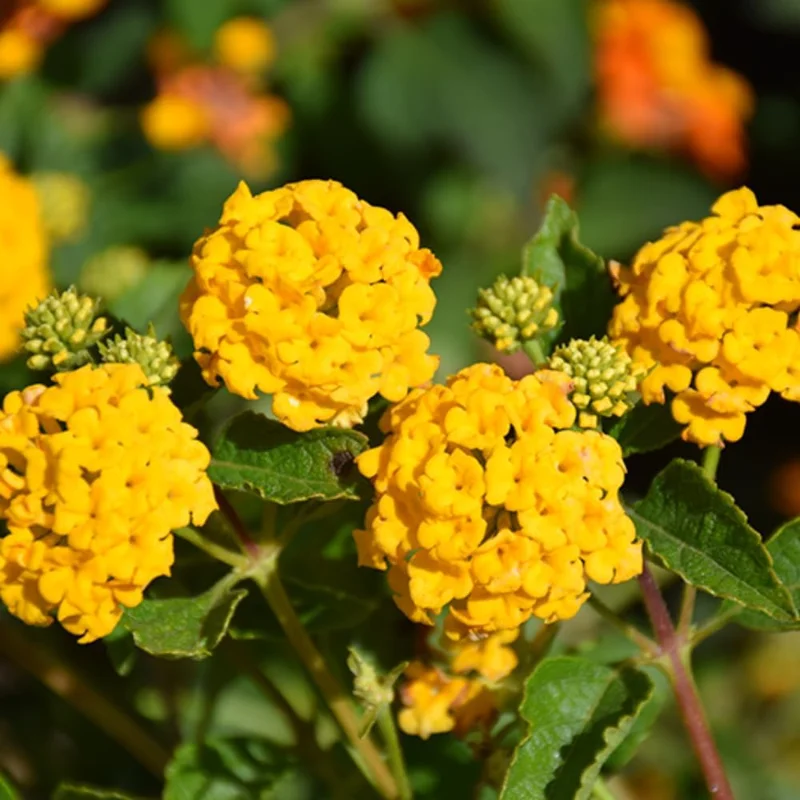
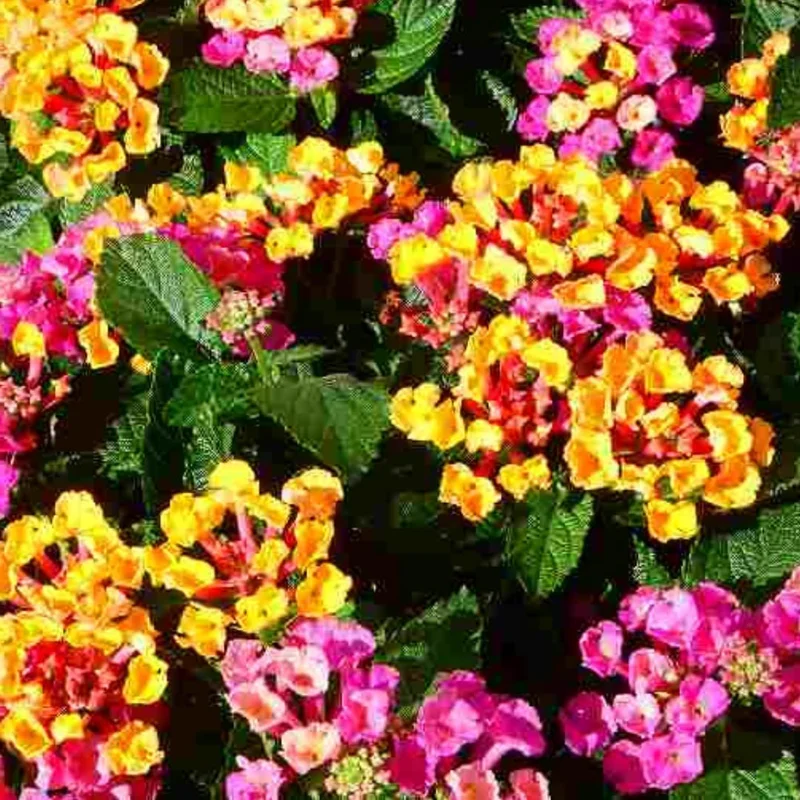
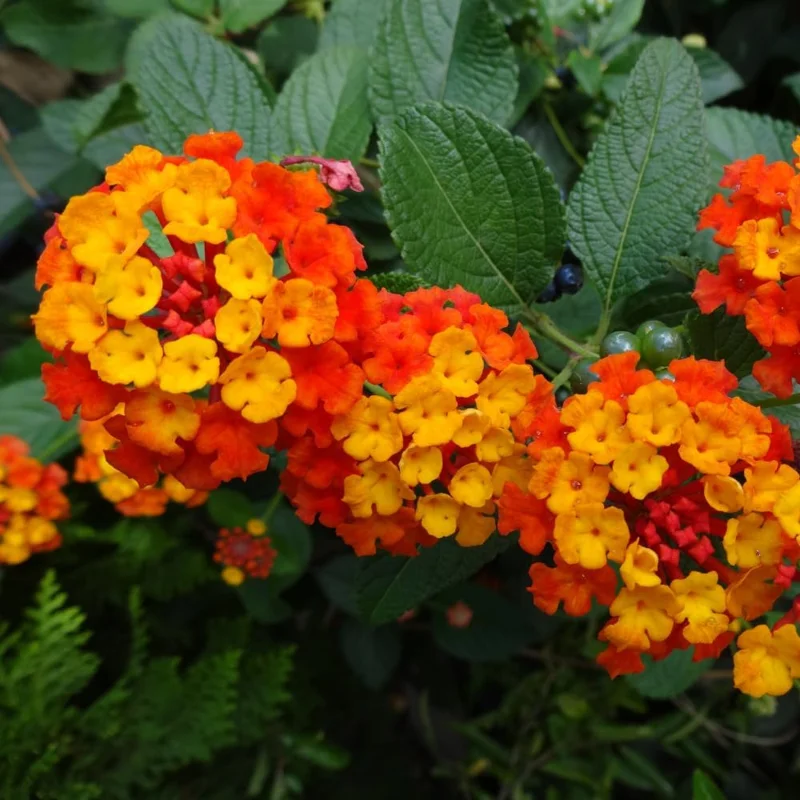
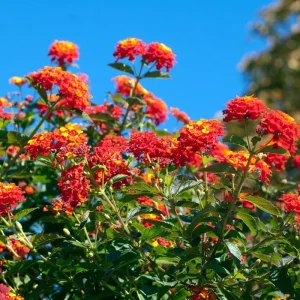
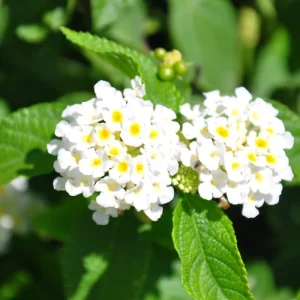
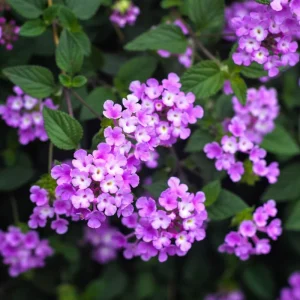
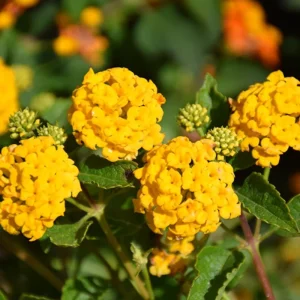
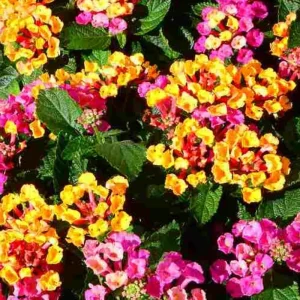
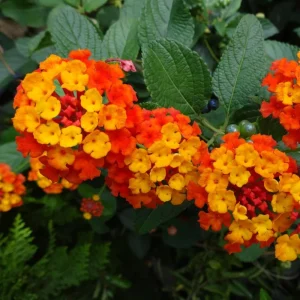
Introduce a burst of vibrant color and life into your garden with this stunning trailing lantana live plant. This offering includes two healthy, actively growing plants, each measuring 6 to 8 inches tall, ensuring a robust start for your outdoor landscaping projects. Lantana, scientifically known as Lantana camara, is a popular choice among gardeners for its prolific blooming and ease of care. The specific variety provided produces captivating clusters of bright orange flowers that attract pollinators like butterflies and hummingbirds, adding dynamic movement and beauty to any setting. These plants are shipped with strong, full root systems, preparing them for immediate establishment in their new environment. Whether you’re looking to create a colorful ground cover, fill hanging baskets with cascading blooms, or add charm to patio pots, this trailing lantana live plant is an excellent choice for adding lasting beauty from spring through fall.
Lantana is renowned for its resilience and ability to thrive in warm climates, making it a favorite for gardeners in southern regions and as an annual in cooler zones. The trailing habit of this particular lantana variety makes it exceptionally versatile, allowing it to spill gracefully over edges or spread to cover open areas. Its cheerful orange blossoms are a standout, providing continuous visual interest and a lively atmosphere in any garden space. This 2-pack ensures you have enough plants to make a significant impact, whether you’re designing a new garden bed or enhancing existing container arrangements. Experience the joy of growing these beautiful and low-maintenance plants that promise to deliver abundant blooms and attract delightful wildlife to your yard.
Key Benefits
Discover the many advantages of incorporating these beautiful trailing lantana live plant into your landscape. Not only do they offer exceptional aesthetic appeal, but they also provide practical benefits that make gardening more enjoyable and less demanding.
- Vibrant, Continuous Blooms: Enjoy a long season of spectacular orange flowers that bloom from spring until the first frost. These prolific blossoms ensure your garden remains colorful and engaging for months, providing constant visual delight.
- Attracts Pollinators: The bright, nectar-rich flowers are a magnet for essential garden visitors. Bees, butterflies, and hummingbirds are drawn to lantana, helping to support local ecosystems and enhance the biodiversity of your garden.
- Low Maintenance & Drought Tolerant: Once established, these plants require minimal care, making them perfect for busy gardeners or those seeking an easy-to-grow option. They are impressively drought-tolerant, reducing the need for frequent watering, which is a key aspect of successful orange lantana care.
- Versatile Landscaping Use: Their trailing habit makes them ideal for a variety of applications. Use them as an attractive ground cover to suppress weeds, in hanging baskets for a cascading effect, in decorative pots, or as a vibrant border in your outdoor garden beds. This versatility makes it easy to buy lantana plants for any design need.
- Hardy & Resilient: Thriving in full sun and tolerating various soil types, these plants are robust and forgiving. They are perfect for gardeners looking for plants that can withstand challenging conditions and still perform beautifully, contributing to a vibrant, drought tolerant lantana display.
- Deer Resistant: Lantana is generally disliked by deer, making it a great choice for gardens in areas where deer browsing is a concern. You can enjoy your beautiful blooms without worrying about them becoming a deer snack.
Plant Care & Growing Tips
Caring for your trailing lantana live plant is straightforward, making it an excellent choice for both novice and experienced gardeners. These plants are known for their resilience and ability to thrive with minimal intervention, especially when provided with the right conditions from the start. To ensure vigorous growth and abundant blooms for your orange lantana care, follow these essential guidelines.
Sunlight Requirements: Lantana absolutely loves the sun. For optimal flowering and healthy growth, plant your lantana in a location that receives at least six hours of direct sunlight per day. Full sun exposure is crucial for the most vibrant blooms and compact growth habit. In areas with intense summer heat, a little afternoon shade might be beneficial, but generally, the more sun, the better. Consider this when you buy lantana plants, choosing the sunniest spots in your garden.
Watering Schedule & Soil Moisture: While established lantana is very drought tolerant lantana, consistent watering is important during its initial establishment period. Water regularly after planting until the roots have taken hold, typically for the first few weeks. Once established, allow the soil to dry out moderately between waterings. Overwatering can lead to root rot, so ensure good drainage. In hot, dry periods, you may need to water more frequently, but always check the soil moisture before adding more water. These plants are quite forgiving if you miss a watering or two.
Soil Type & Drainage: Lantana is adaptable to a variety of soil types, but it prefers well-draining soil. Sandy loam or chalk soil with a neutral to slightly acidic pH is ideal. Good drainage is paramount to prevent waterlogging, which can be detrimental to the roots. If your soil is heavy clay, amend it with organic matter like compost or sand to improve drainage. This will provide an optimal environment for your trailing lantana live plant to flourish.
Temperature Range & USDA Hardiness Zone: These lantana plants are hardy in USDA Zones 8-11, where they can be grown as perennials. In colder climates (Zones 7 and below), they are typically grown as annuals, providing season-long color. They thrive in warm temperatures and are sensitive to frost. If you’re in a borderline zone, consider providing winter protection or growing them in containers that can be moved indoors during colder months. They perform best when temperatures are consistently above 60°F (15°C).
Fertilization: Lantana is not a heavy feeder. A light application of a balanced, slow-release granular fertilizer in early spring is usually sufficient to support healthy growth and flowering. Avoid over-fertilizing, especially with high-nitrogen fertilizers, as this can promote foliage growth at the expense of flowers. For plants in containers, a diluted liquid feed every few weeks during the blooming season can be beneficial. Proper fertilization is a small but important part of effective orange lantana care.
Pruning: To encourage bushier growth and more blooms, you can lightly prune your lantana throughout the growing season. “Deadheading” (removing spent flowers) is not strictly necessary as lantana is self-cleaning, but it can encourage a tidier appearance and potentially more blooms. A more significant pruning can be done in early spring to shape the plant and remove any winter damage, especially if you are growing it as a perennial. This helps maintain the plant’s vigor and encourages new growth for your lantana for ground cover.
Size & Details
This offering includes two robust trailing lantana live plant specimens, each carefully nurtured to reach an impressive height of 6 to 8 inches tall. These plants arrive with strong, well-developed root systems, ensuring they are ready for immediate planting and quick establishment in your garden. The trailing growth habit means they will spread beautifully, making them an excellent choice for lantana for ground cover, cascading over the edges of hanging baskets, or spilling from large patio containers. While their initial spread is modest, these plants will expand to cover an area of approximately 1-3 feet wide, creating a dense mat of foliage and flowers.
Expect these plants to establish quickly and begin producing their vibrant orange flower clusters shortly after planting, continuing their display throughout the warm season. Their growth rate is moderate to fast under ideal conditions, allowing you to quickly achieve your desired garden aesthetic. They are shipped as live, rooted plants, carefully packaged to minimize stress during transit, ready for their new home. When you buy lantana plants from us, you receive healthy, actively growing specimens that are prepared to thrive and enhance your outdoor living spaces with their enduring beauty and easy-care nature, providing a truly drought tolerant lantana solution.
Frequently Asked Questions
- Q: How big does this trailing lantana live plant get? A: Each plant is 6 to 8 inches tall upon arrival. Once planted, they typically spread 1 to 3 feet wide, creating a beautiful ground cover or cascading effect. Their height usually remains around 1-2 feet, though they can grow taller if left unpruned.
- Q: Is this an indoor or outdoor plant? How much sunlight does it need? A: This is primarily an outdoor plant, thriving in full sun. It requires at least 6 hours of direct sunlight daily for optimal growth and flowering. While it can be brought indoors in colder climates, it generally performs best in an outdoor garden setting.
- Q: Is this plant easy to care for? Is it good for beginners? A: Yes, lantana is known for being very easy to care for and is an excellent choice for beginners. It’s forgiving of neglect and quite resilient, especially once established. Key to good orange lantana care is ensuring it gets plenty of sun and well-draining soil.
- Q: What condition will it arrive in? Is it shipped in soil? A: Your lantana plants will arrive as live, rooted plants, typically in a small nursery pot with soil. They are carefully packaged to ensure they reach you in the best possible condition, ready for planting.
- Q: Can I use this lantana as lantana for ground cover? A: Absolutely! The trailing habit of this lantana variety makes it perfectly suited for use as ground cover. It will spread to fill in areas, suppressing weeds and providing a continuous carpet of vibrant orange flowers.
- Q: When is the best time to plant this lantana? A: The best time to plant is in spring after all danger of frost has passed, once soil temperatures have warmed up. This gives the plant ample time to establish before the peak growing season. For those looking to buy lantana plants, spring is ideal.
- Q: Will it survive winter in my zone? What’s the minimum temperature? A: This lantana is hardy in USDA Zones 8-11, where it will behave as a perennial. In colder zones, it is typically grown as an annual. It is sensitive to frost and generally prefers temperatures above 60°F (15°C). It is a truly drought tolerant lantana, but not freeze tolerant.
- Q: What kind of soil is best for trailing lantana live plant? A: Lantana prefers well-draining soil. Sandy soil, chalk soil, or loam soil are all suitable, as long as they provide good drainage. Amending heavy clay soils with organic matter will improve performance.
- Q: Does this lantana attract butterflies and hummingbirds? A: Yes, the vibrant orange flowers are very attractive to pollinators, including butterflies and hummingbirds. Planting lantana is a wonderful way to bring more wildlife and activity into your garden space.
- Q: How often should I fertilize my lantana? A: Lantana doesn’t require heavy fertilization. A single application of a slow-release granular fertilizer in early spring is usually sufficient for the entire growing season. Over-fertilizing can lead to more foliage and fewer flowers.


Reviews
There are no reviews yet.