Overview
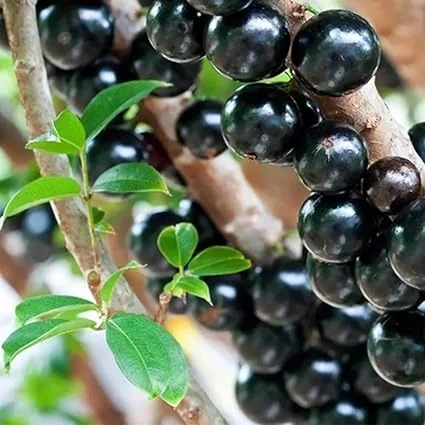
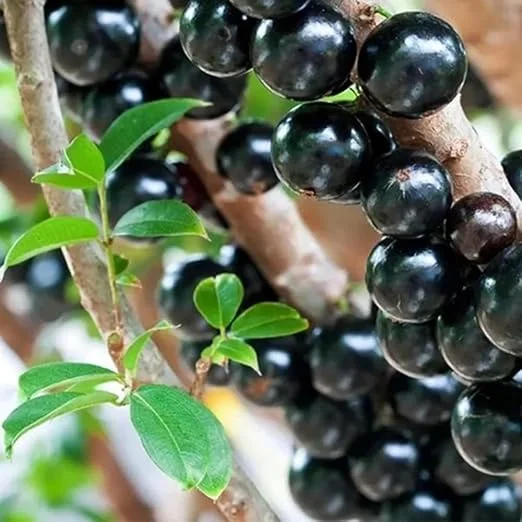
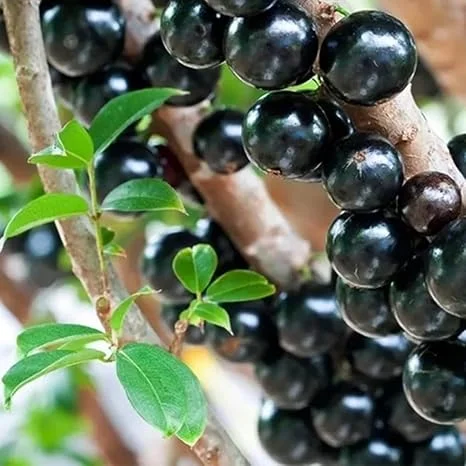
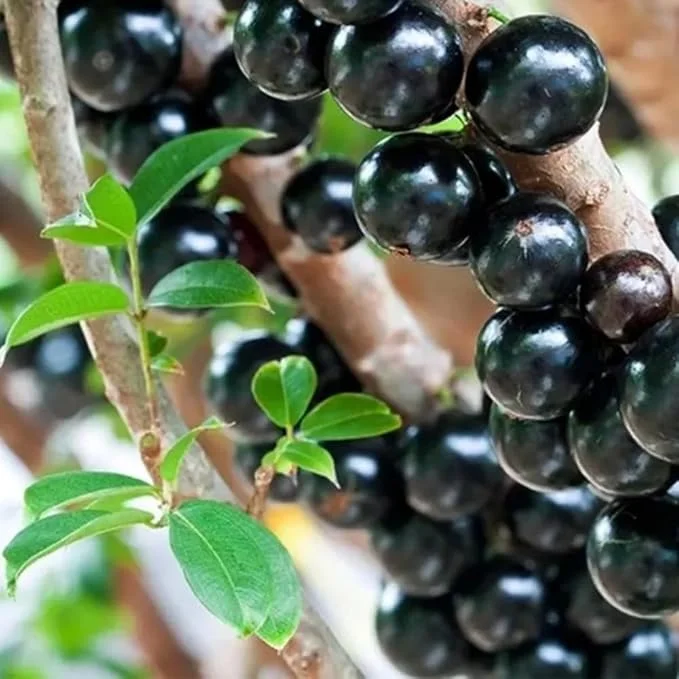
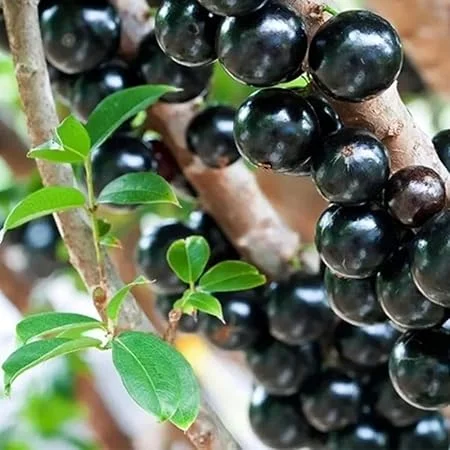
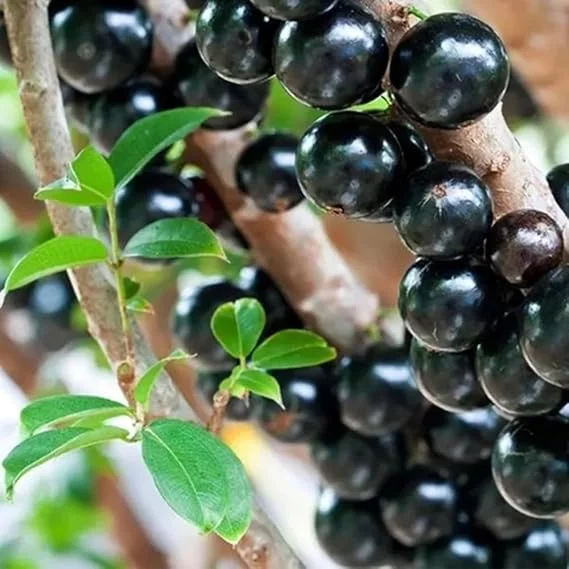
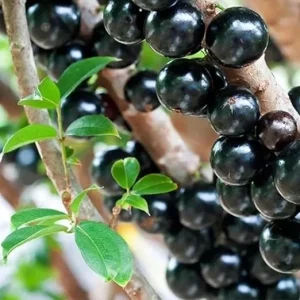
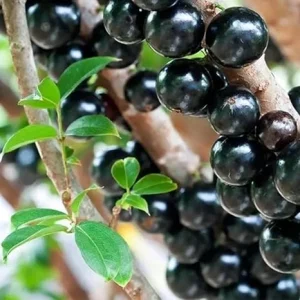
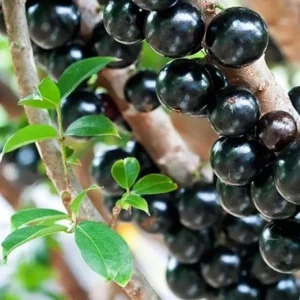
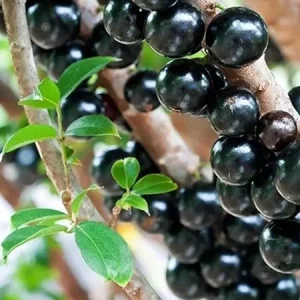
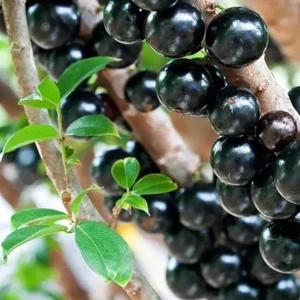
Bring the tropics to your garden with this vibrant jaboticaba tree live plant. Known for its unique growth habit where fruits develop directly on the trunk and branches, the Jaboticaba, also called the Brazilian Grape Tree, is a fascinating and rewarding addition to any landscape. This particular specimen is a healthy, well-rooted plant, approximately 10-12 inches tall, poised for vigorous growth in its new home. Originating from Brazil, the Jaboticaba (Myrciaria cauliflora) is celebrated for its delicious, grape-like fruits that can be enjoyed fresh, made into jellies, jams, or wines. Its evergreen foliage and attractive, often multi-trunked form also make it a beautiful ornamental plant, providing year-round interest.
Growing a jaboticaba tree live plant offers a unique experience for fruit enthusiasts and gardeners alike. The tree’s distinctive fruiting pattern is a conversation starter, and its relatively compact size allows it to be grown in various settings, including urban gardens or patios. With proper care, this young plant will mature into a productive and aesthetically pleasing tree, offering both shade and a bounty of sweet, juicy fruit.
Key Benefits
The jaboticaba tree live plant offers a multitude of benefits, making it an excellent choice for both edible landscaping and ornamental purposes. Here are some of the advantages you can expect:
- Unique Fruit Production: Enjoy the novelty and deliciousness of fresh jaboticaba fruit tree berries that grow directly on the trunk and branches. These sweet, purple fruits are rich in antioxidants and vitamins, perfect for fresh eating or culinary uses like jams, jellies, and wines.
- Ornamental Appeal: Beyond its fruit, the Jaboticaba is a beautiful evergreen tree with attractive, often peeling bark and dense foliage, providing year-round visual interest and a tropical aesthetic to your garden or patio.
- Versatile Growing Options: This plant is highly adaptable and can be successfully grown both in the ground in suitable climates (USDA zones 9-11) and in large containers, making it suitable for a wider range of gardeners, including those with limited space.
- Long Lifespan and Productivity: With proper care, a jaboticaba tree live plant can live for many decades, becoming a long-term source of fresh fruit and a cherished part of your landscape. Mature trees are highly productive, yielding multiple harvests per year.
- Relatively Low Maintenance: Once established, Jaboticaba trees are known for being quite hardy and requiring moderate care, making them a rewarding choice for gardeners of varying experience levels.
- Drought Tolerance: While they prefer consistent moisture, established Jaboticaba trees exhibit a good degree of drought tolerance, making them resilient in various conditions.
- Pest and Disease Resistance: Jaboticaba trees are generally resistant to most common pests and diseases, reducing the need for extensive chemical treatments and promoting a healthier garden ecosystem.
Plant Care & Growing Tips
Caring for your jaboticaba tree live plant is straightforward, ensuring a healthy and productive tree for years to come. These trees thrive in tropical and subtropical conditions, making them ideal for outdoor growing in USDA hardiness zones 9-11. For those in colder climates, container growing with winter protection is a viable option.
Sunlight: Jaboticaba trees prefer full sun to partial shade. Aim for at least 6-8 hours of direct sunlight per day for optimal fruiting. In very hot climates, some afternoon shade can prevent leaf scorch. If growing indoors or in a greenhouse, provide the brightest light possible, ideally near a south-facing window or under grow lights. Rotate the plant regularly to ensure even growth.
Watering: Consistent moisture is key for a happy jaboticaba plant care routine. Water regularly, especially during dry periods and when the tree is actively fruiting. The soil should be kept moist but not waterlogged. Allow the top inch or two of soil to dry out slightly between waterings. Container-grown plants will require more frequent watering than those in the ground. Reduce watering frequency during cooler, dormant months.
Soil: Jaboticaba trees prefer rich, slightly acidic to neutral soil (pH 5.5-7.0) that is well-draining. A good quality potting mix amended with organic matter like compost or peat moss works well for container plants. For in-ground planting, ensure the soil has good drainage; if your soil is heavy clay, amend it with sand and organic matter to improve aeration. The well-rooted nature of this jabuticaba tree for sale means it’s ready to adapt to a suitable prepared soil environment.
Temperature & Humidity: These trees thrive in warm conditions, ideally between 65-85°F (18-29°C). They can tolerate brief drops to around 25°F (-4°C) once mature, but young trees are more sensitive to frost. Protect young plants from freezing temperatures. High humidity is beneficial, so consider misting container plants or using a humidity tray, especially indoors.
Fertilization: Fertilize your Jaboticaba tree regularly during the growing season (spring through fall) with a balanced, slow-release fertilizer or an organic fruit tree fertilizer. Follow the product instructions for application rates. Young trees benefit from lighter, more frequent feedings. Avoid fertilizing during the dormant winter months. Supplement with micronutrients if soil tests indicate deficiencies.
Pruning: Pruning is generally minimal for Jaboticaba trees. Remove any dead, diseased, or crossing branches. Light pruning can help maintain shape and improve air circulation, which is important for fruit development. Avoid heavy pruning as it can reduce the current season’s fruit yield. The natural compact growth of the brazilian grape tree often requires less shaping than other fruit trees.
Size & Details
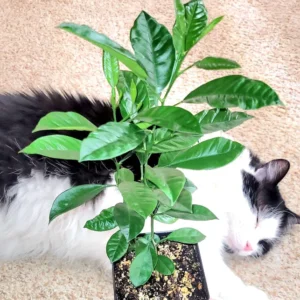
This offering is for a single jaboticaba tree live plant, standing approximately 10-12 inches tall from the base of the soil to the tip of its tallest stem. The plant is well-rooted, indicating a strong, established root system ready for transplanting into a larger container or directly into your garden. Jaboticaba trees are known for their slow to moderate growth rate, eventually reaching mature heights of 10-20 feet in optimal conditions, though they can be kept smaller with pruning or when grown in containers. The plant will arrive in a nursery pot, ensuring its roots are protected during transit.
Expected time to first fruiting can vary, but typically a jaboticaba fruit tree grown from this size will begin producing fruit within 3-5 years, with increased yields as it matures. The tree is evergreen, providing lush foliage throughout the year. It has a multi-branched, shrub-like growth habit when young, developing a more tree-like form with age. Its compact nature makes it an excellent choice for a wide range of garden sizes.
Frequently Asked Questions
- Q: How big does this plant get? A: This jaboticaba tree live plant is currently 10-12 inches tall. In ideal outdoor conditions, mature Jaboticaba trees can reach heights of 10-20 feet, though they can be maintained at smaller sizes through pruning or by growing them in large containers.
- Q: Is this an indoor or outdoor plant? A: While it can be grown outdoors year-round in USDA zones 9-11, the jaboticaba plant care guide suggests it can also be grown in containers and brought indoors during colder months in areas outside its hardiness zones. It thrives in warm, humid conditions.
- Q: How much sunlight does it need? A: For optimal growth and fruiting, a jaboticaba fruit tree requires full sun to partial shade, ideally receiving at least 6-8 hours of direct sunlight daily. In very hot climates, some afternoon shade can be beneficial.
- Q: Is this plant easy to care for? A: Jaboticaba trees are considered moderately easy to care for once established. They require consistent watering, well-draining soil, and protection from frost when young. They are generally resilient to pests and diseases.
- Q: What condition will it arrive in? A: Your jabuticaba tree for sale will arrive as a healthy, well-rooted live plant, carefully packaged in a nursery pot to ensure its safety and vitality during shipping. It will be ready for immediate planting upon arrival.
- Q: When is the best time to plant? A: The best time to plant your jaboticaba tree live plant is in the spring or early summer, allowing it ample time to establish its root system before the colder months. If planting in a container, it can be done year-round.
- Q: Will it survive winter in my zone? A: This tree is suitable for USDA zones 9-11 outdoors. If you are in a colder zone, it is recommended to grow the tree in a container and bring it indoors or provide significant winter protection when temperatures drop below freezing.
- Q: What kind of soil is best for this Brazilian grape tree? A: The brazilian grape tree prefers rich, slightly acidic to neutral soil that drains well. A good quality potting mix for container plants or well-amended garden soil with organic matter will provide the best growing medium.
- Q: How long until it produces fruit? A: Typically, a jaboticaba tree live plant of this size will begin to produce its first fruits within 3-5 years, with production increasing significantly as the tree matures.
- Q: Can I grow this plant in a small garden? A: Yes, due to its relatively compact growth habit and suitability for container growing, the Jaboticaba tree is an excellent choice for smaller gardens, patios, or even as an attractive specimen plant.


Reviews
There are no reviews yet.