Overview
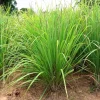
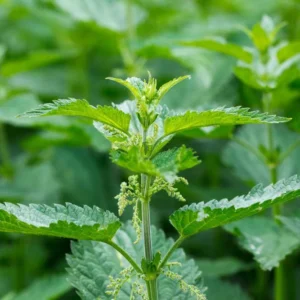
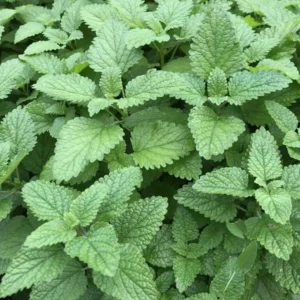
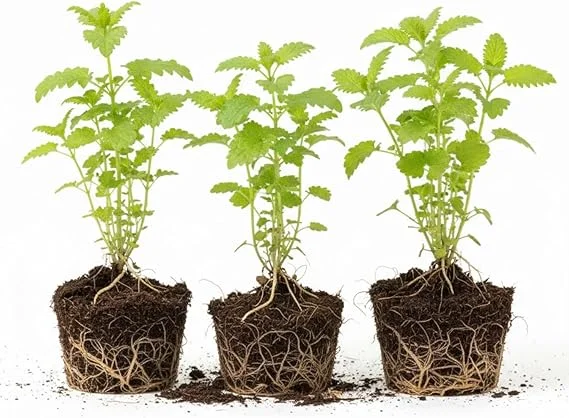
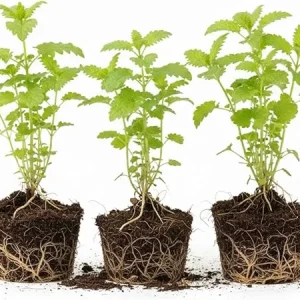
Discover the joy of growing your own fresh herbs with this vibrant lemon balm live plant. Known for its delightful lemony scent and flavor, Lemon Balm (Melissa officinalis) is a hardy, fast-growing perennial herb that is an absolute must-have for any garden enthusiast. This selection provides well-rooted starter plants, typically 4-6 inches tall, ensuring a healthy beginning for your herb patch. Whether you’re an experienced gardener or just starting, growing lemon balm live plant is a rewarding experience, bringing both beauty and utility to your home. Its versatility makes it suitable for various settings, from sunny garden beds to cozy indoor pots, offering a touch of nature’s zest wherever it thrives. Learn how to grow lemon balm with ease.
Originating from Southern Europe and the Mediterranean, lemon balm has been cherished for centuries, not only for its culinary applications but also for its historical uses. It’s a member of the mint family, which explains its vigorous growth habit and aromatic foliage. These starter plants are carefully cultivated to ensure they arrive ready to transplant and flourish in their new environment. Get ready to enjoy the refreshing aroma and numerous benefits this wonderful herb has to offer.
Key Benefits
Adding a lemon balm live plant to your home or garden offers a multitude of advantages, enhancing both your culinary creations and your well-being. This herb is celebrated for its ease of care and diverse applications.
- Aromatic & Culinary Delight: The leaves of the lemon balm live plant release a refreshing citrusy scent when brushed or crushed, making it a wonderful addition to teas, salads, desserts, and cocktails. Its mild, lemony flavor can elevate many dishes.
- Attracts Pollinators: Lemon balm flowers are a magnet for bees, butterflies, and other beneficial pollinators, contributing to a healthier garden ecosystem and promoting biodiversity.
- Easy to Grow & Maintain: This hardy perennial is remarkably low-maintenance, thriving in a variety of conditions. It’s an excellent choice for beginners looking to grow lemon balm without extensive effort.
- Versatile Planting Options: Whether you prefer planting in garden beds, raised beds, or containers, lemon balm adapts well. This makes it perfect for small spaces, urban gardens, or even as an indoor herb plant.
- Natural Fragrance: Beyond culinary uses, the delightful fragrance of lemon balm live plant can naturally freshen up your living spaces, offering a calming and uplifting aroma.
- Historical Uses: Historically, lemon balm has been used for its soothing properties, making it a popular choice for herbal remedies and aromatherapy. Explore the many lemon balm uses.
- Fast-Growing & Bushy: Enjoy quick results as this herb grows rapidly, forming a dense, bushy plant that provides a plentiful harvest throughout the growing season.
Plant Care & Growing Tips
Caring for your lemon balm live plant is straightforward, making it an excellent choice for gardeners of all skill levels. To ensure your plant thrives, understanding its basic needs is key. Lemon balm prefers a location with full sun to partial shade. In hotter climates, partial shade during the intense afternoon hours can prevent leaf scorch. Aim for at least 6 hours of direct sunlight daily for optimal growth and flavor development. While tolerant of various soil types, it performs best in well-draining soil that is rich in organic matter. A slightly acidic to neutral pH (6.0-7.0) is ideal. When planting, amend heavy clay soils with compost or sand to improve drainage.
Water your lemon balm live plant regularly, especially during dry spells and in its first growing season. The soil should be kept consistently moist but not waterlogged. Allow the top inch of soil to dry out slightly between waterings. Overwatering can lead to root rot, so good drainage is crucial. As a perennial, lemon balm is quite resilient and generally doesn’t require heavy feeding. A light application of a balanced, all-purpose fertilizer in spring or a layer of compost around the base of the plant is usually sufficient. Pruning is essential to encourage bushier growth and prevent the plant from becoming leggy. Trim back about one-third of the plant after it flowers to promote new growth and extend its harvest. You can also pinch back the growing tips regularly to encourage a fuller shape. This helps maintain a healthy and productive lemon balm live plant and maximizes your harvest for various lemon balm uses.
Size & Details
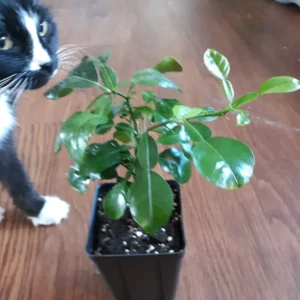
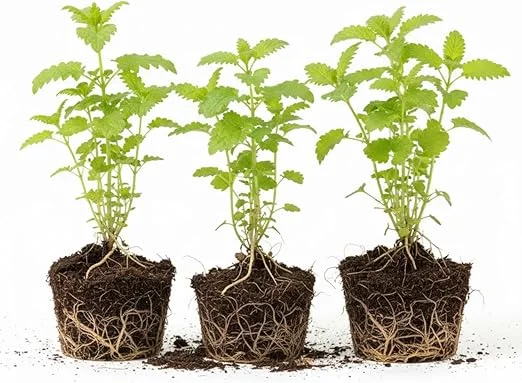
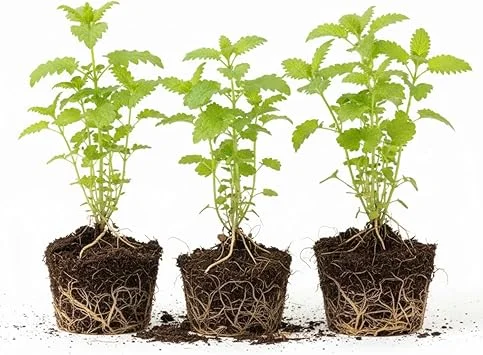
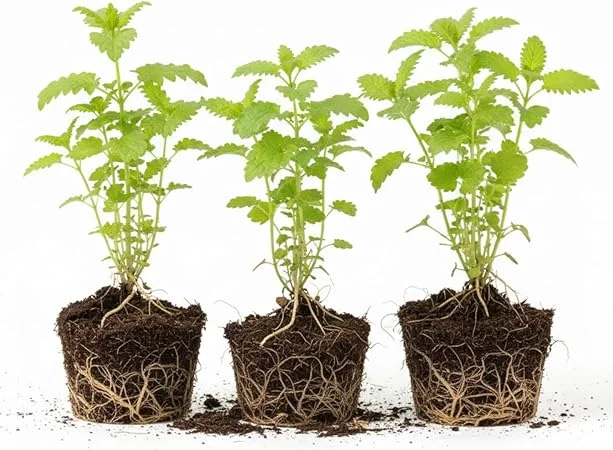
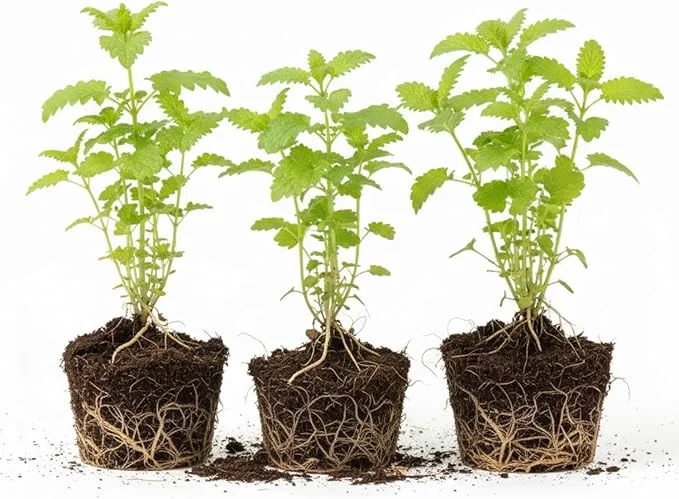
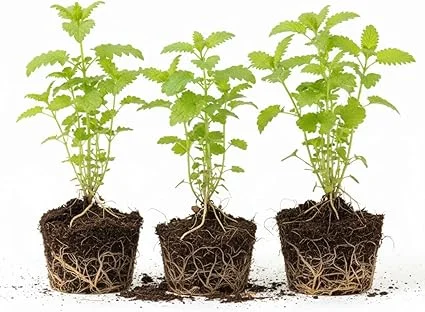
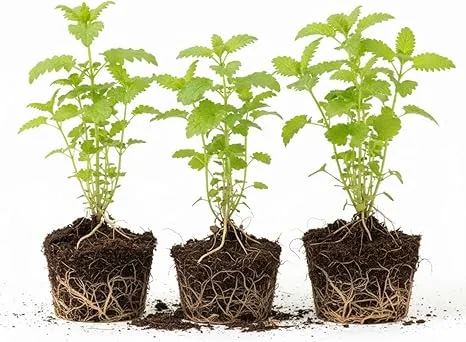
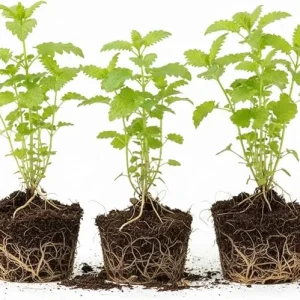
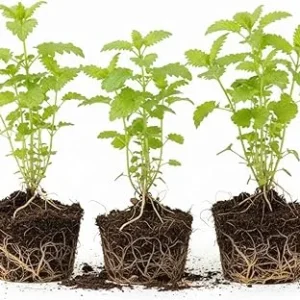
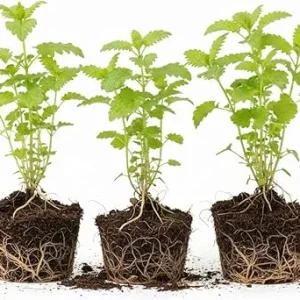
This offering includes 3 healthy lemon balm live plant starter plants, each measuring approximately 4-6 inches tall from the base of the plant to the top of its foliage. These plants are well-rooted, ensuring they are ready for successful transplanting into your garden or containers. When mature, a lemon balm live plant typically reaches a height of 18-24 inches and spreads equally wide, forming a dense, bushy mound. It is known for its fast-growing habit, quickly filling out its space with lush, green, fragrant foliage. The plants are shipped in a manner that protects their delicate roots and ensures they arrive in excellent condition, ready to flourish in your home garden. Expect steady growth and a bountiful harvest throughout the growing season. Understanding how to grow lemon balm efficiently will allow you to enjoy its full potential.
Frequently Asked Questions
- Q: How big will my lemon balm live plant get? A: A mature lemon balm live plant typically grows to be about 18-24 inches tall and can spread equally wide, forming a lovely, bushy herb. Regular pruning can help manage its size and encourage denser growth.
- Q: Is this an indoor or outdoor plant? A: Lemon balm is versatile and can thrive both indoors and outdoors. Outdoors, it performs well in garden beds and containers. Indoors, ensure it receives ample sunlight, ideally near a bright window, to maintain its vigor and fragrance.
- Q: How much sunlight does my lemon balm need? A: Your lemon balm live plant prefers full sun to partial shade. For best results and the most fragrant leaves, aim for at least 6 hours of direct sunlight per day. In very hot climates, some afternoon shade is beneficial.
- Q: Is this plant easy to care for? A: Yes, lemon balm is considered a very easy-to-care-for herb, making it excellent for beginners. It’s hardy, adaptable, and requires minimal maintenance once established, primarily consistent watering and occasional pruning.
- Q: What condition will the lemon balm live plant arrive in? A: Your lemon balm live plant will arrive as well-rooted starter plants, carefully packaged to protect them during transit. They will be ready for immediate transplanting into your chosen growing spot.
- Q: Can I use lemon balm in cooking? A: Absolutely! Lemon balm is a fantastic culinary herb. Its fresh, citrusy flavor is perfect for teas, lemonade, salads, fish dishes, chicken, and desserts. Explore various lemon balm uses in your kitchen.
- Q: What are the main lemon balm benefits? A: Beyond its culinary appeal, lemon balm benefits include attracting pollinators, providing a pleasant natural fragrance, and its historical use in herbal remedies for soothing purposes. It also makes a lovely ornamental plant.
- Q: When is the best time to plant lemon balm? A: The best time to plant lemon balm is in the spring after the last frost, or in early fall in warmer climates. For indoor growing, you can plant it year-round.
- Q: Will my lemon balm live plant survive winter? A: Yes, lemon balm is a perennial herb hardy in USDA Zones 4-9. In these zones, it will die back to the ground in winter but will regrow vigorously from its roots in the spring.
- Q: What kind of soil is best for lemon balm? A: Lemon balm thrives in well-draining soil that is rich in organic matter. It tolerates a range of soil types but prefers a slightly acidic to neutral pH.


Reviews
There are no reviews yet.