Overview
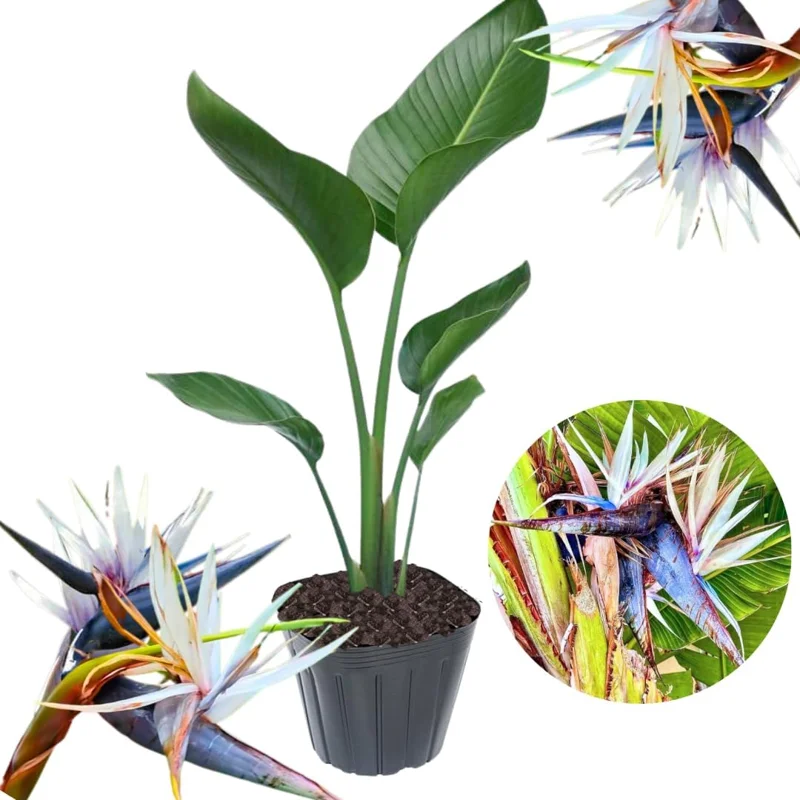
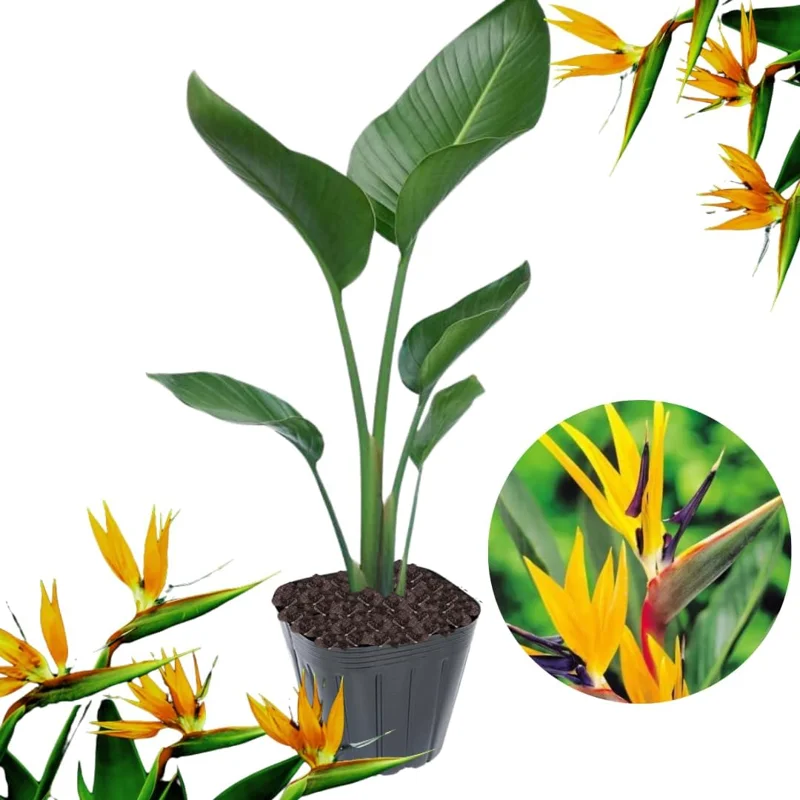
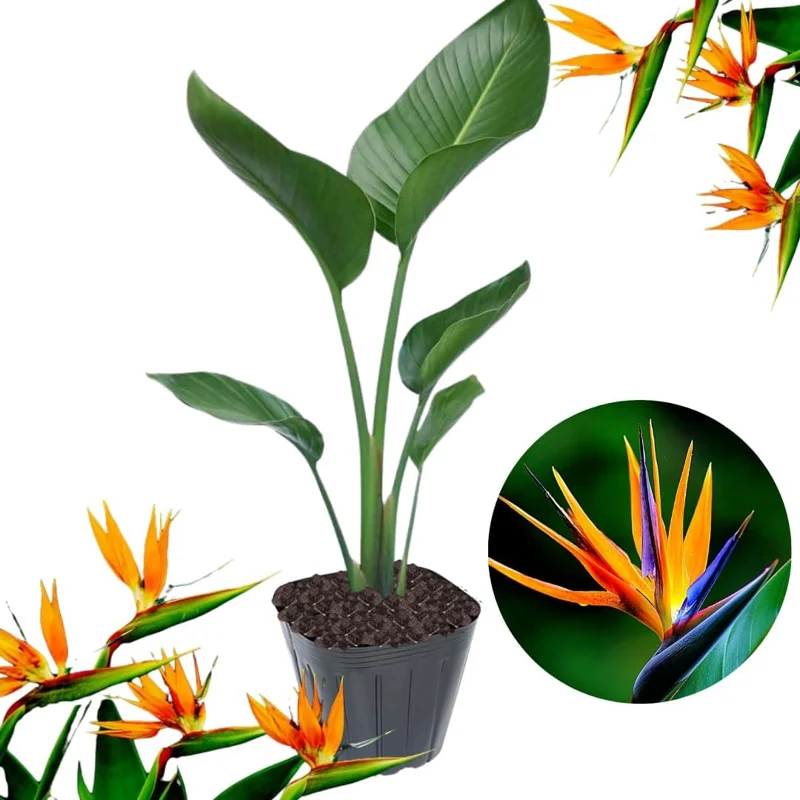
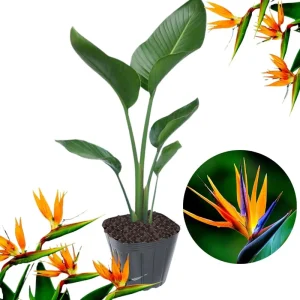
Transform your living space into a tropical oasis with the magnificent orange bird of paradise live plant. Known botanically as Strelitzia reginae, this iconic plant is celebrated for its spectacular, crane-like flowers that strikingly resemble a bird in flight. Each bloom features brilliant orange sepals and vivid blue petals, creating a breathtaking display that adds warmth and exotic flair to any room or garden. As a robust and visually striking tropical houseplant, it’s an excellent choice for both seasoned plant enthusiasts and beginners alike, offering continuous beauty with relatively straightforward care. This particular specimen arrives as a healthy, thriving plant, ready to bring its unique charm to your home. Its distinctive foliage, reminiscent of banana leaves, provides an lush, green backdrop even when not in bloom, ensuring year-round aesthetic appeal.
The orange bird of paradise live plant is more than just a decorative item; it’s a statement piece that evokes feelings of sunny beaches and faraway lands. Its upright growth habit and impressive size make it a focal point in any indoor setting, while in warmer climates, it can flourish outdoors, adding a dramatic touch to patios and garden beds. The vibrant orange hue of its flowers is particularly captivating, making it a favorite for those looking to infuse their decor with bold, natural color. This resilient plant is designed to thrive, promising years of enjoyment and a constant reminder of tropical paradise.
Key Benefits
Beyond its undeniable beauty, the orange bird of paradise live plant offers a multitude of benefits that make it an exceptional addition to any plant collection. Its striking appearance and relative ease of care contribute significantly to its popularity, making it a rewarding plant to nurture.
- Stunning Floral Display: The most prominent benefit is undoubtedly its unique, vibrant orange and blue flowers that truly resemble a bird’s head. These exotic blooms provide a spectacular visual interest, unlike any other plant, and can brighten up any space, becoming an instant conversation starter.
- Tropical Aesthetic: With its large, paddle-shaped leaves and exotic flowers, the orange bird of paradise live plant instantly brings a lush, tropical ambiance to your home or garden, creating a serene and vibrant atmosphere. It’s perfect for creating a resort-like feel.
- Low Maintenance & Hardy: This plant is surprisingly resilient and forgiving, making it an ideal choice for gardeners of all skill levels. It tolerates a range of conditions and doesn’t demand constant attention, allowing you to enjoy its beauty without extensive effort. It’s a truly low maintenance plant.
- Versatile Placement: Suitable for both indoor and outdoor environments (in appropriate climates), the bird of paradise indoor plant can adapt to various settings, from a sun-drenched living room to a warm, sheltered patio. Its adaptability makes it a flexible choice for diverse decorating needs.
- Air Purification: Like many houseplants, the Bird of Paradise contributes to a healthier indoor environment by helping to filter airborne toxins and improve air quality, making your home a fresher place to live.
- Long-Lasting Blooms: Once established, the Strelitzia reginae can produce blooms for an extended period, providing continuous color and beauty throughout its flowering season, often lasting several months.
- Architectural Form: The plant’s upright, architectural growth habit adds a modern and sophisticated element to decor, serving as a living sculpture that complements contemporary and traditional designs alike.
Plant Care & Growing Tips
Caring for your orange bird of paradise live plant is a rewarding experience, as it thrives with relatively simple attention. Understanding its basic needs will ensure vigorous growth and abundant flowering. This plant prefers consistent care but is also quite forgiving, making strelitzia reginae care manageable for most enthusiasts.
Sunlight Requirements: The Bird of Paradise thrives in bright, indirect light. Indoors, place it near a south or west-facing window where it can receive several hours of bright, filtered sunlight. While it can tolerate some direct sun, especially morning sun, too much intense afternoon sun can scorch its leaves. Outdoors, choose a location with partial shade or morning sun and afternoon shade, especially in hotter climates. Adequate light is crucial for bountiful blooms, making proper placement key for a vibrant bird of paradise indoor plant.
Watering Schedule and Soil Moisture: Water thoroughly when the top 1-2 inches of soil feel dry to the touch. Allow excess water to drain completely from the pot. Avoid letting the plant sit in standing water, as this can lead to root rot. During the growing season (spring and summer), it will require more frequent watering. Reduce watering in the dormant season (fall and winter). The goal is consistently moist, but not soggy, soil. This helps maintain the health of your low maintenance plant.
Soil Type and Drainage: A well-draining, rich potting mix is essential for the Bird of Paradise. A good quality potting mix amended with perlite or coarse sand will provide the necessary drainage while retaining adequate moisture. Ensure your pot has drainage holes to prevent waterlogging. This plant does not tolerate heavy, compacted soils well.
Temperature Range and USDA Hardiness Zone: This tropical plant prefers warm temperatures, ideally between 65-80°F (18-27°C). It can tolerate slightly cooler temperatures but should be protected from frost. If grown outdoors, it is hardy in USDA Zones 9-11. In colder zones, it should be brought indoors before temperatures drop below 50°F (10°C). Humidity is also appreciated, so consider misting regularly or placing it near a humidifier, especially indoors.
Fertilization Schedule: Feed your orange bird of paradise live plant every 2-4 weeks during the active growing season (spring and summer) with a balanced liquid fertilizer diluted to half strength. Reduce or stop fertilization during the fall and winter months when the plant’s growth slows down. Regular feeding supports healthy foliage and encourages flowering.
Common Problems and Solutions: Yellowing leaves can indicate overwatering or nutrient deficiency. Brown, crispy leaf edges usually signal low humidity or underwatering. Pests like spider mites or mealybugs can be managed with insecticidal soap or neem oil. Regular inspection will help catch issues early, keeping your strelitzia reginae care routine effective.
Size & Details
This orange bird of paradise live plant typically arrives at a size of 5-12 inches tall, measured from the base of the pot to the tip of the tallest leaf. It is shipped as a healthy, established plant in its nursery pot, ensuring minimal transplant shock upon arrival. While its initial size is compact, the Strelitzia reginae is a moderately fast grower and can eventually reach impressive heights of 3-5 feet indoors, and even taller, up to 6 feet or more, when grown outdoors in ideal conditions. The growth rate is influenced by light, nutrients, and proper care, contributing to a robust tropical houseplant.
The plant’s mature spread can reach 2-3 feet, creating a substantial and impactful presence. Expect it to begin flowering once the plant has matured, usually within 3-5 years from a young plant, with blooms typically appearing from late winter through spring and often into summer. Each plant is carefully selected to ensure you receive a vibrant and healthy specimen, ready to thrive in your home or garden. Its strong root system and well-developed foliage provide a solid foundation for continued growth and spectacular flowering, making it a rewarding low maintenance plant.
Frequently Asked Questions
- Q: How big does this plant get? A: The orange bird of paradise live plant typically arrives 5-12 inches tall. Indoors, it can reach 3-5 feet in height, and outdoors in ideal climates, it can grow up to 6 feet or more with a spread of 2-3 feet. This makes it a significant tropical houseplant over time.
- Q: Is this an indoor or outdoor plant? A: The Strelitzia reginae is versatile. It can be grown as a stunning bird of paradise indoor plant in all climates. In USDA Zones 9-11, it can thrive outdoors year-round. In colder regions, it should be brought indoors during winter.
- Q: How much sunlight does it need? A: This plant prefers bright, indirect light. Indoors, place it near a window with strong, filtered light. Outdoors, choose a spot with morning sun and afternoon shade to prevent leaf scorching. Adequate light is crucial for the best blooms and overall strelitzia reginae care.
- Q: Is this plant easy to care for? A: Yes, the Bird of Paradise is considered a relatively low maintenance plant. It’s quite hardy and forgiving, making it suitable for beginners. Consistent watering and bright light are its main requirements for thriving.
- Q: What condition will it arrive in? A: Your orange bird of paradise live plant will arrive as a healthy, established plant in its nursery pot, carefully packaged to ensure it reaches you in excellent condition, ready for its new home.
- Q: How long until it blooms? A: Bird of Paradise plants typically begin to bloom once they are mature, which can take 3-5 years from a younger plant. With proper strelitzia reginae care and sufficient light, you can expect its first spectacular flowers.
- Q: Can I keep it outdoors all year in a cold climate? A: No, if you live in a climate colder than USDA Zone 9, you will need to bring your orange bird of paradise live plant indoors during the colder months to protect it from frost and freezing temperatures.
- Q: What type of soil is best for this plant? A: The Bird of Paradise thrives in a well-draining, rich potting mix. Ensure the soil allows for good aeration and drainage to prevent root rot, which is vital for a healthy low maintenance plant.
- Q: Does this plant require high humidity? A: While tolerant of average household humidity, the Bird of Paradise appreciates higher humidity, especially indoors. You can increase humidity by misting regularly or using a pebble tray.
- Q: Is the Bird of Paradise plant toxic to pets? A: Yes, the Bird of Paradise plant is considered toxic to pets if ingested. It’s best to keep it out of reach of curious animals to ensure their safety.


Reviews
There are no reviews yet.