Overview
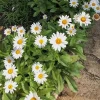
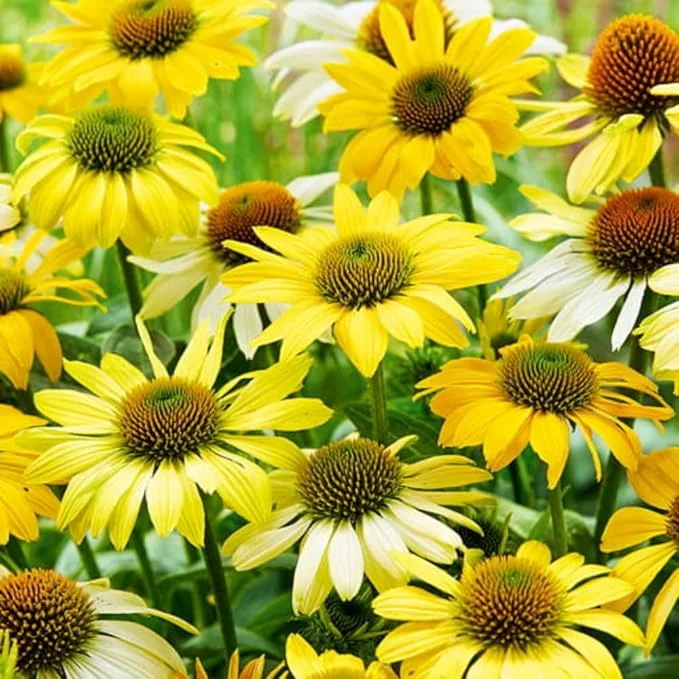
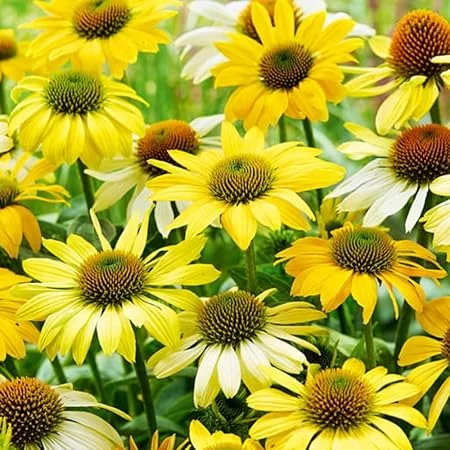
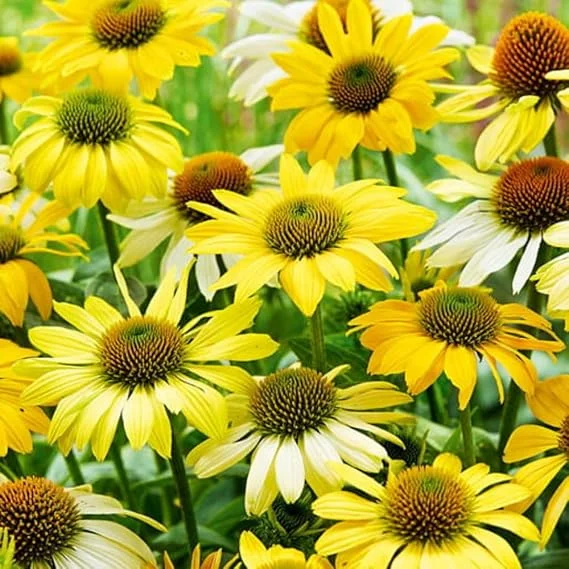
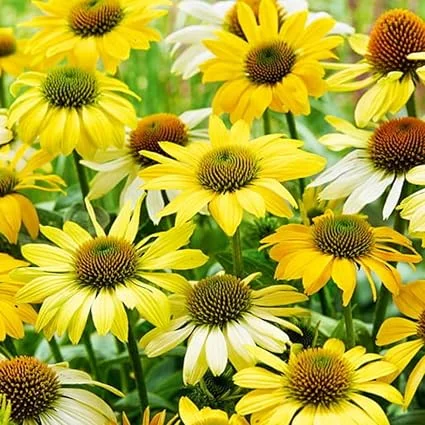
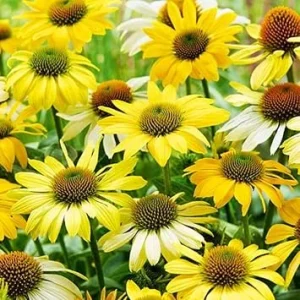
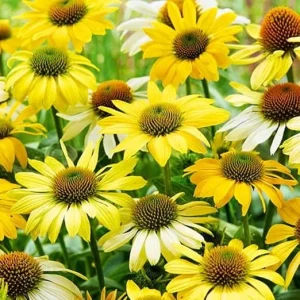
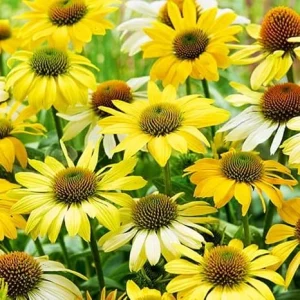
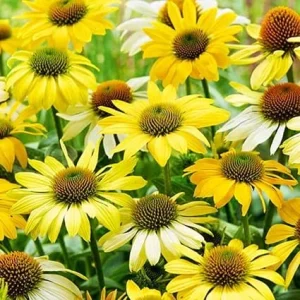
Introduce a splash of sunshine to your outdoor space with these vibrant yellow coneflower live plants. Echinacea, commonly known as coneflower, is a beloved perennial known for its striking, daisy-like blooms and robust nature. These particular plants feature sunny yellow petals surrounding a prominent central cone, creating a visually appealing focal point in any garden. As hardy perennials, they return year after year, providing continuous beauty and supporting local ecosystems. Each order includes two well-rooted plugs, approximately 2-4 inches tall, ensuring a healthy start for your new garden additions. These plants are ideal for gardeners seeking low-maintenance yet high-impact floral displays.
The botanical name, Echinacea, is derived from the Greek word ‘echinos,’ meaning hedgehog, referring to the spiky central cone. These plants are not only beautiful but also known for their resilience, thriving in various conditions once established. They are a fantastic choice for creating pollinator-friendly gardens, attracting bees, butterflies, and other beneficial insects. Whether you’re an experienced gardener or just starting, these easy-to-grow yellow coneflower live plants will bring joy and natural charm to your landscape.
Key Benefits
These magnificent perennial coneflowers offer a wealth of advantages for your garden and the environment. Their vibrant blooms and hardy nature make them a top choice for any outdoor space. Discover the many reasons to add these yellow coneflower live plants to your landscape:
- Stunning Visual Appeal: The bright yellow petals and distinctive cone centers create a cheerful and eye-catching display, adding significant aesthetic value to flower beds, borders, and wildflower gardens. They provide a continuous pop of color from summer through early fall.
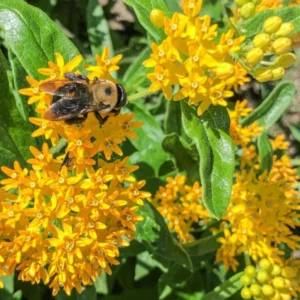
- Attracts Pollinators: Coneflowers are a magnet for bees, butterflies, and other beneficial insects, playing a crucial role in supporting local biodiversity and promoting a healthy garden ecosystem. They are an essential plant for a thriving pollinator garden.
- Hardy Perennial Nature: Once established, these plants return year after year, eliminating the need for annual replanting. This makes them a cost-effective and low-maintenance choice for long-term garden beauty.
- Drought-Tolerant: Echinacea is known for its ability to withstand periods of dryness, making it an excellent choice for xeriscaping or gardens in areas with less frequent rainfall. This resilience contributes to the ease of perennial coneflower care.
- Deer Resistant: Generally, deer tend to avoid coneflowers, which is a significant advantage for gardeners in areas where deer browsing can be an issue. You can enjoy your blooms without worry.
- Low Maintenance: These echinacea plants live happily with minimal intervention once established. They require little more than occasional watering and deadheading to encourage more blooms, making them perfect for busy gardeners.
- Versatile Garden Use: Ideal for a wide range of garden applications, including cottage gardens, prairie plantings, naturalized areas, and mixed perennial borders. They also make excellent cut flowers for indoor arrangements.
Plant Care & Growing Tips
Caring for your yellow coneflower live plants is straightforward, ensuring a vibrant display for years to come. These resilient perennials prefer a location with full sun, meaning at least 6 hours of direct sunlight per day. Adequate sunlight is crucial for robust growth and abundant flowering. While they can tolerate some partial shade, too little sun may result in leggy growth and fewer blooms. When planting, ensure the soil is well-draining. Coneflowers are not particular about soil type but thrive in average to poor soil, as long as it doesn’t stay waterlogged. Amend heavy clay soils with compost or grit to improve drainage.
Water newly planted coneflowers regularly to help them establish strong root systems. Once established, they are quite drought-tolerant and will only need supplemental watering during extended dry spells. Overwatering, especially in poorly draining soil, can lead to root rot. A good rule of thumb is to water deeply when the top few inches of soil feel dry to the touch. These plants are hardy in USDA Zones 3-9, making them suitable for a wide range of climates across the US. They are quite cold-hardy and will typically overwinter without special protection in these zones. Fertilization is generally not necessary, especially in rich garden soil. If your soil is very poor, a light application of balanced granular fertilizer in early spring can be beneficial.
Deadheading spent blooms throughout the summer will encourage the plant to produce more flowers and prevent self-seeding if desired. Leaving some spent flower heads in the fall can provide winter interest and food for birds. Division every 3-4 years in spring or fall can help rejuvenate older clumps and maintain vigor. Watch out for common pests like aphids or spider mites, which can usually be managed with a strong spray of water or insecticidal soap. Fungal diseases like powdery mildew can occur in humid conditions; ensuring good air circulation can help prevent this when growing yellow echinacea.
Size & Details
These yellow coneflower live plants are shipped as well-rooted plugs, typically measuring 2-4 inches tall upon arrival. They are ready to be transplanted into your garden beds or larger containers. As perennials, their growth habit is to establish roots in the first year and then produce vigorous top growth and abundant blooms in subsequent years. Mature plants can reach heights of 2-4 feet and spread 1-2 feet wide, forming attractive clumps. The robust root system ensures successful establishment and long-term vitality in your garden. Expect these plants to begin flowering in early summer and continue their spectacular display through early fall, providing months of vibrant color.
Each unit includes two individual plugs, providing you with a pair of healthy plants to start your garden project. The plants are carefully packaged to ensure they arrive in excellent condition, ready for planting. Their moderate growth rate means they will fill out your garden space within a season or two. Understanding the typical size and growth characteristics is key to successful perennial coneflower care and proper placement in your landscape design.
Frequently Asked Questions
- Q: How big do these yellow coneflower live plants get? A: These plants typically grow to a mature height of 2-4 feet and can spread 1-2 feet wide. They form attractive, upright clumps that add structure and color to your garden.
- Q: Are these plants suitable for beginners? A: Yes, coneflowers are known for being very easy to grow and are an excellent choice for beginner gardeners. Their resilience and low maintenance requirements make growing yellow echinacea a rewarding experience.
- Q: How much sunlight do these echinacea plants live need? A: These plants thrive in full sun, requiring at least 6 hours of direct sunlight per day. While they can tolerate some partial shade, more sun generally leads to more abundant blooms.
- Q: What condition will the plants arrive in? A: Your yellow coneflower live plants will arrive as well-rooted plugs, typically 2-4 inches tall, carefully packaged to ensure their health and vitality during transit. They will be ready for immediate planting.
- Q: When is the best time to plant these coneflowers? A: The best time to plant these perennial coneflowers is in spring after the last frost, or in early fall. This allows them sufficient time to establish their root systems before extreme temperatures.
- Q: What USDA Hardiness Zones are these plants suitable for? A: These coneflowers are hardy in USDA Zones 3-9, meaning they can withstand cold winters and hot summers within this range. This wide range makes them suitable for many regions.
- Q: Do I need to fertilize these yellow coneflower live plants? A: Coneflowers are not heavy feeders. In average garden soil, fertilization is often unnecessary. If your soil is very poor, a light application of a balanced, slow-release fertilizer in early spring can be beneficial.
- Q: Will these coneflowers attract pollinators? A: Absolutely! Coneflowers, including these yellow coneflower live plants, are excellent for attracting bees, butterflies, and other beneficial pollinators to your garden, enhancing local biodiversity.
- Q: Can I grow these in containers? A: Yes, you can grow coneflowers in containers, provided the containers are large enough (at least 12-18 inches in diameter) and have good drainage. Ensure they receive adequate sunlight and water regularly, as container plants tend to dry out faster.
- Q: What is the ideal soil type for these perennial coneflowers? A: Coneflowers prefer well-draining soil. They are adaptable to various soil types, from average to somewhat poor, but good drainage is key to preventing root issues.


Reviews
There are no reviews yet.