Overview
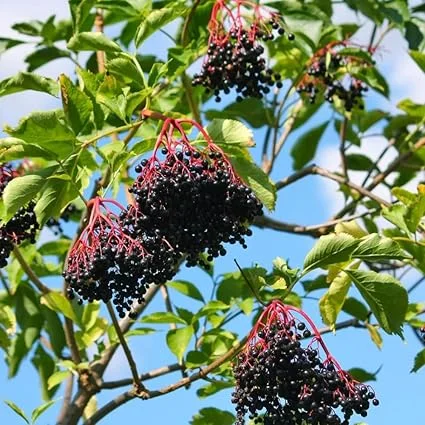
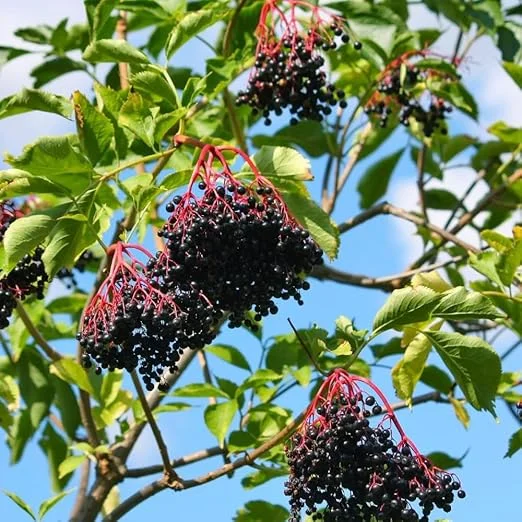
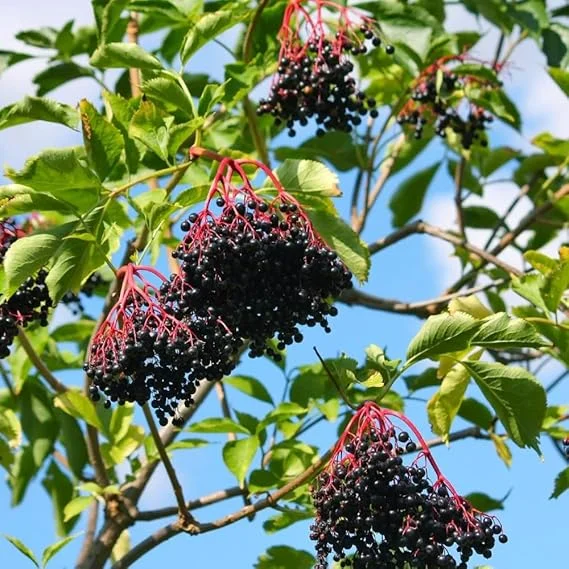
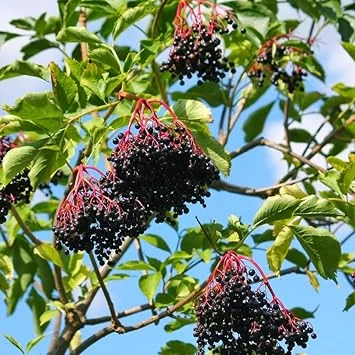
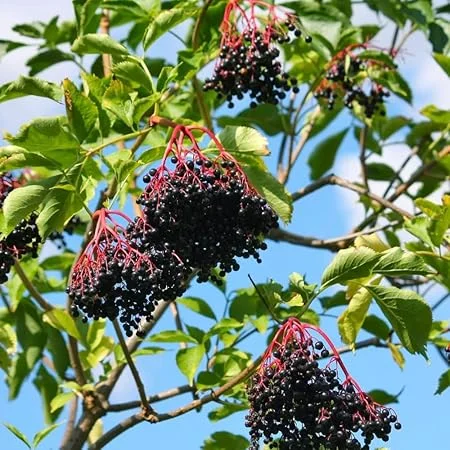
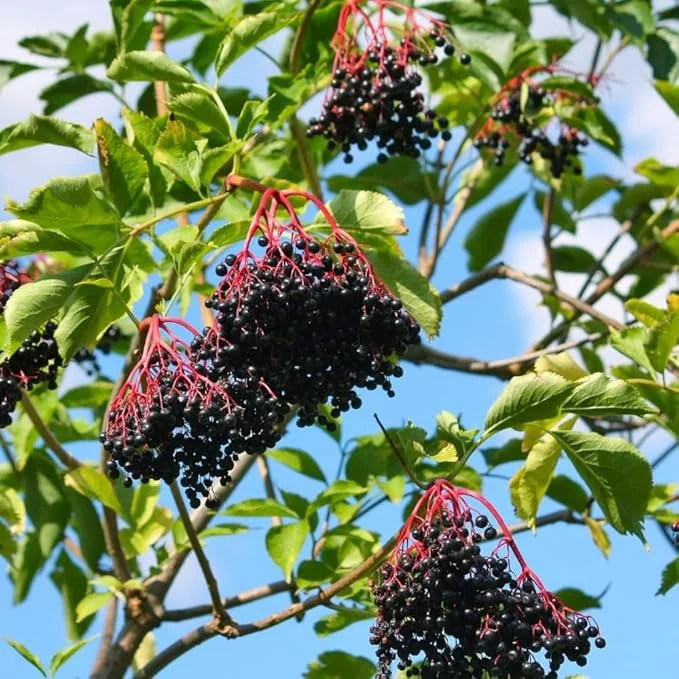
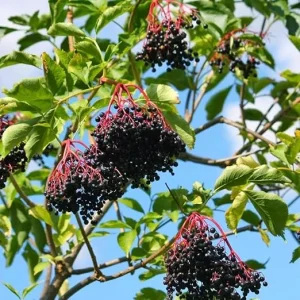
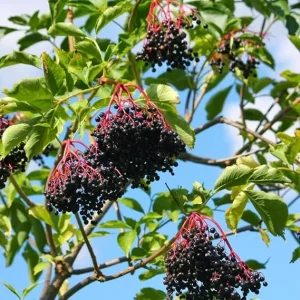
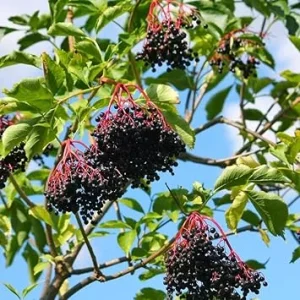
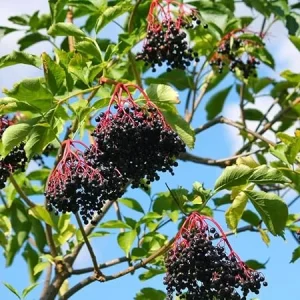
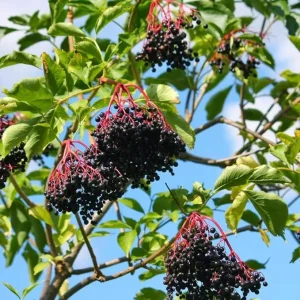
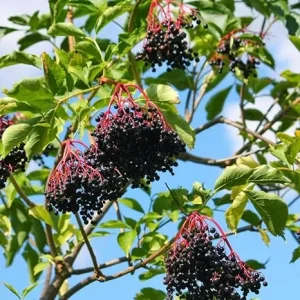
Introduce a touch of natural beauty and functionality to your garden with this vibrant American Elderberry live plant. Known botanically as Sambucus canadensis, the American Elderberry is a resilient and fast-growing shrub highly prized for its delicate white flowers and abundant clusters of small, dark purple-black berries. This particular offering is a healthy, live plant, approximately 7-11 inches tall, ready to establish itself in your landscape. Whether you’re looking to create a pollinator-friendly garden, grow your own edible fruit, or simply enhance your outdoor space with an attractive and easy-to-care-for shrub, this Black Elderberry shrub is an excellent choice. Its adaptability and dual ornamental and edible uses make it a favorite among gardeners.
The American Elderberry live plant is not just visually appealing; it’s also a powerhouse of nutrition and a vital component of many ecosystems. Its berries are widely used in jams, jellies, pies, and wines, while its flowers can be used to make refreshing drinks and desserts. This live plant will provide you with the satisfaction of nurturing a plant from its early stages to a mature, fruit-bearing shrub, adding significant value and charm to your home garden.
Key Benefits
Adding an American Elderberry live plant to your garden brings a multitude of advantages, from its aesthetic appeal to its practical uses. This versatile plant offers year-round interest and significant ecological benefits.
- Ornamental Beauty: The creamy white, fragrant flower clusters that bloom in spring add an elegant touch to any garden, attracting beneficial pollinators like bees and butterflies. Its lush green foliage provides a beautiful backdrop throughout the growing season.
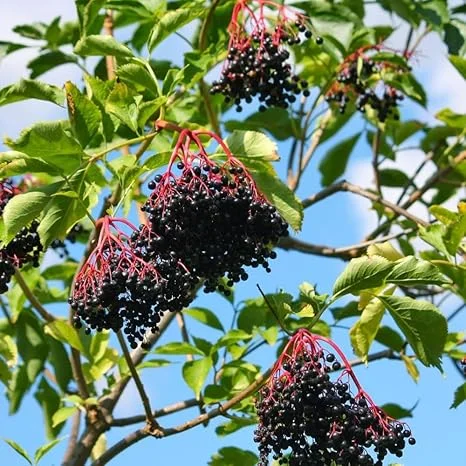
- Edible Berries: Produces abundant clusters of small, dark purple-black berries in late summer. These berries are highly sought after for their nutritional value and are excellent for making preserves, syrups, wines, and other culinary delights. Growing elderberry at home ensures a fresh supply.
- Fast Growth & Adaptability: This shrub is known for its relatively fast growth rate, quickly reaching a mature size of 6-12 feet tall and wide. It thrives in a wide range of conditions, making it suitable for many different garden settings.
- Wildlife Habitat: The flowers attract pollinators, and the berries provide a valuable food source for birds and other wildlife, making your garden a more vibrant and biodiverse ecosystem.
- Low Maintenance: Once established, the Black Elderberry shrub is remarkably easy to care for, requiring minimal attention. It is generally resistant to most pests and diseases, making it a great choice for both novice and experienced gardeners.
- Versatile Landscaping: Perfect for creating hedges, adding to mixed borders, or using as a specimen plant. Its robust nature and attractive appearance make it a flexible addition to various landscape designs.
Plant Care & Growing Tips
Ensuring the success of your American Elderberry live plant involves understanding its basic needs for sunlight, water, and soil. Elderberries are generally robust plants, but providing optimal conditions will lead to a healthier, more productive shrub. For successful growing elderberry, choose a location that receives at least 6 hours of direct sunlight per day. While it can tolerate partial shade, full sun exposure promotes the best flowering and fruit production. In hotter climates, some afternoon shade can be beneficial to prevent leaf scorch.
When it comes to watering, elderberry prefers consistently moist, but not waterlogged, soil. Water deeply and regularly, especially during dry spells and in the first year after planting to help establish a strong root system. Once mature, it becomes more drought-tolerant but will still benefit from occasional watering during extended dry periods. The ideal soil type for elderberries is well-draining, fertile loam with a slightly acidic to neutral pH (6.0-7.0). Amending heavy clay soils with organic matter like compost can improve drainage, while sandy soils will benefit from compost to enhance moisture retention and nutrient availability. Proper elderberry plant care ensures vibrant growth and abundant fruit.
Elderberries are hardy in USDA zones 4-9, making them suitable for a broad range of climates. They are deciduous, losing their leaves in winter and re-emerging with new growth in spring. Fertilize in early spring with a balanced, slow-release granular fertilizer or compost to support vigorous growth and fruit development. Pruning is best done in late winter or early spring while the plant is dormant. Remove any dead, damaged, or crossing branches, and thin out older canes to encourage new, productive growth. This helps maintain the plant’s shape and promotes better air circulation, which is crucial for overall health and preventing diseases. Monitoring for common pests and diseases is part of effective elderberry plant care.
Size & Details
This offering is for one healthy American Elderberry live plant, which will arrive approximately 7-11 inches tall. It is a young, vigorous shrub ready for planting in your garden. Elderberries are known for their rapid growth, and with proper care, this plant can quickly mature into a substantial shrub, typically reaching a height and width of 6-12 feet. The plant is shipped as a rooted specimen, ensuring a strong start in your landscape. Expect to see significant growth in its first full season after planting, with flowers potentially appearing in the second year and berries following shortly thereafter.
The form of the plant when shipped is designed to minimize transplant shock, providing a robust foundation for future growth. While it may take a year or two to produce a significant harvest, the wait is well worth it for the delicious and nutritious berries. This Black Elderberry shrub is an investment in both the beauty and productivity of your garden, offering years of enjoyment and fresh fruit. Its adaptability to various soil types and climates further enhances its appeal as an easy-to-grow, rewarding plant for any home gardener.
Frequently Asked Questions
- Q: How big does this plant get? A: This American Elderberry live plant will arrive approximately 7-11 inches tall. Mature plants typically grow 6-12 feet tall and wide, providing a substantial presence in your garden.
- Q: Is this an indoor or outdoor plant? A: The American Elderberry is an outdoor plant, thriving in garden settings. It is hardy in USDA zones 4-9 and requires full sun to partial shade for optimal growth and fruit production.
- Q: How much sunlight does it need? A: For the best results, your Black Elderberry shrub should receive at least 6 hours of direct sunlight daily. While it can tolerate some shade, more sun generally leads to more flowers and berries.
- Q: Is this plant easy to care for? A: Yes, elderberries are known for being relatively low-maintenance once established. They are quite hardy and tolerant of a range of conditions, making elderberry plant care straightforward for most gardeners.
- Q: What condition will it arrive in? A: Your elderberry will arrive as a healthy, live plant, approximately 7-11 inches tall, with a well-developed root system, ready for planting. We take care to ensure safe transit.
- Q: Can I use the berries for cooking? A: Absolutely! The dark purple-black berries produced by this plant are excellent for culinary uses, including making jams, jellies, pies, syrups, and wine. Ensure berries are cooked before consumption.
- Q: When is the best time to plant? A: The best time for growing elderberry is typically in spring after the last frost, or in early fall. This allows the plant to establish its root system before extreme weather conditions.
- Q: Will it survive winter in my zone? A: This American Elderberry is hardy in USDA zones 4-9. If you are within these zones, it should comfortably survive winter and return vigorously in spring.
- Q: How long until it produces fruit? A: While some plants may produce a small amount of fruit in their second year, significant fruit production usually begins in the third year after planting, with yields increasing as the plant matures.
- Q: What kind of soil does it prefer? A: Elderberries prefer well-draining, fertile soil with a pH between 6.0 and 7.0. Amending the soil with organic matter like compost is highly beneficial.


Reviews
There are no reviews yet.