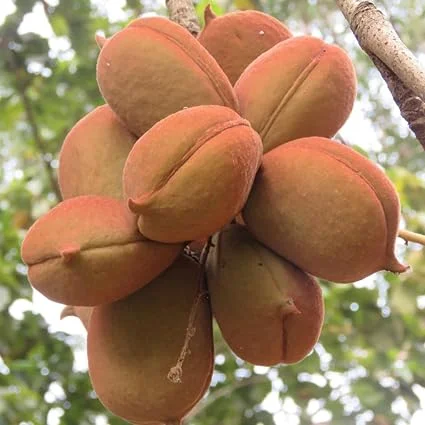
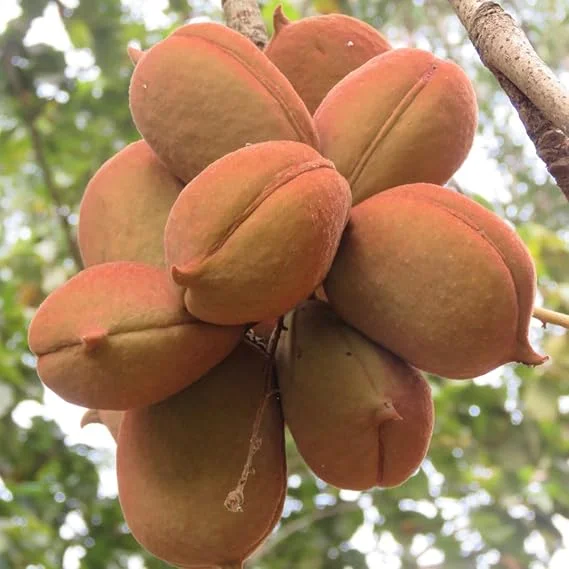
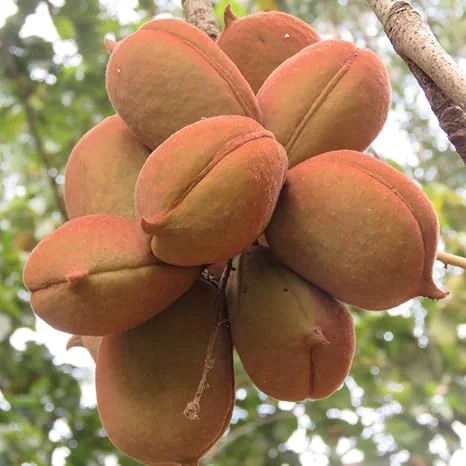
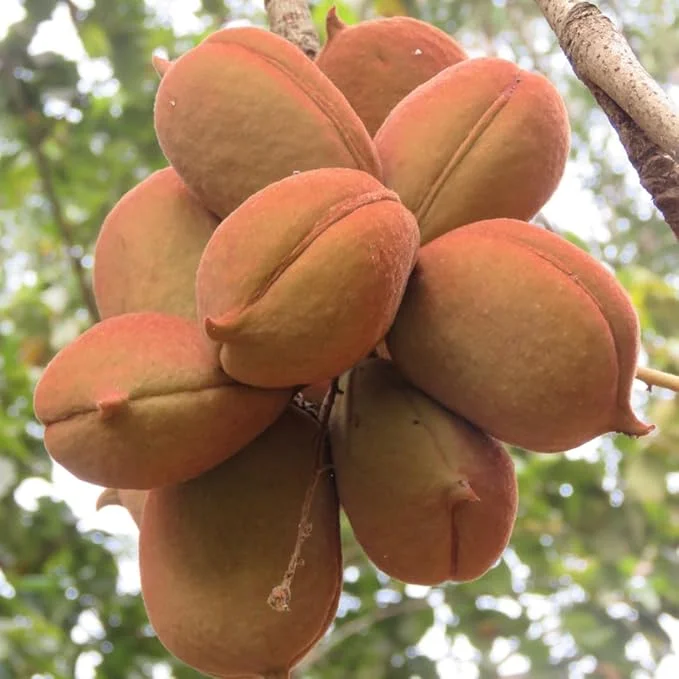
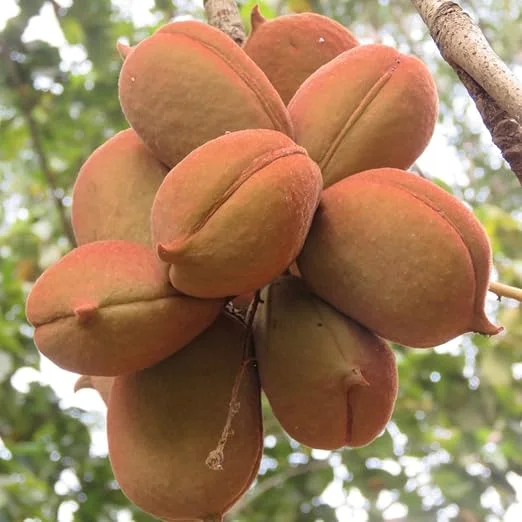
Overview
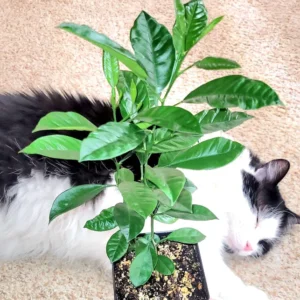
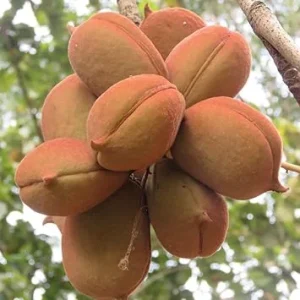
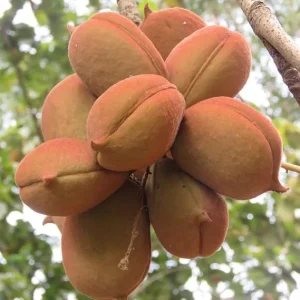
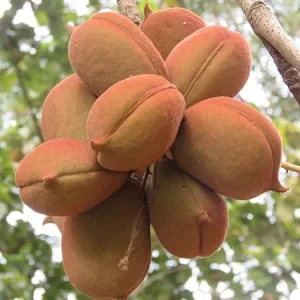
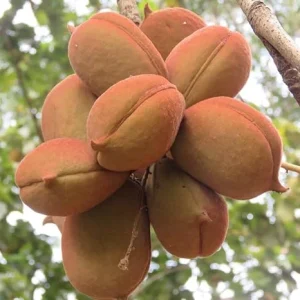
Bring the joy of homegrown produce to your garden with this vibrant peanut tree live plant. Known for its unique ability to produce delicious, nutritious peanuts directly from its roots, this plant offers a rewarding gardening experience. Our live peanut tree plants are carefully cultivated to arrive healthy and ready for planting, ensuring a strong start in your outdoor space. Perfect for enthusiasts looking to explore unique edibles or add a conversation starter to their landscape, this plant promises both beauty and bounty. Each plant is a young specimen, typically 4-6 inches tall, making it easy to establish in your preferred growing location.
The peanut plant, scientifically known as Arachis hypogaea, is a fascinating legume that flowers above ground but produces its fruit underground. This particular variety is chosen for its hardiness and suitability for outdoor planting in appropriate climates. Whether you’re an experienced gardener or just starting, growing peanuts outdoors can be a surprisingly straightforward and satisfying endeavor with the right care.
Key Benefits
Investing in a peanut tree live plant offers a multitude of benefits, from the unique gardening experience to the delicious harvest. Here are some of the standout advantages:
-
Homegrown Harvest: Enjoy the unparalleled freshness and flavor of peanuts grown right in your own garden. There’s nothing quite like harvesting and roasting your own crop.
-
Educational Experience: A fantastic plant for teaching children and adults alike about where food comes from and the fascinating process of plant growth, especially how peanuts develop underground.
-
Low Maintenance: These plants are surprisingly easy to care for once established, requiring minimal fuss for a rewarding yield. This makes them an excellent choice for gardeners seeking efficiency.
-
Unique Garden Addition: Stand out from traditional garden beds with a peanut tree. Its unique growth habit and delicious output make it a conversation piece and a source of wonder.
-
Adaptable Growing: While ideal for outdoor planting, these plants can also thrive in large containers, making them suitable for patios or smaller garden spaces where you’re growing peanuts outdoors.
-
Soil Improvement: As a legume, peanut plants can contribute to soil health by fixing nitrogen, enriching the soil for subsequent plantings.
Plant Care & Growing Tips
To ensure your peanut tree live plant thrives and provides a plentiful harvest, follow these essential care and growing tips. Peanuts prefer a long, warm growing season, so proper placement and consistent care are crucial. When considering how to grow peanuts, remember that patience and attention to detail will yield the best results.
Sunlight Requirements: Peanut plants demand full sunlight, meaning at least 6-8 hours of direct sun per day. Choose a location in your garden that receives ample sun exposure throughout the day. For container growing, place your pot in the sunniest spot on your patio or balcony to maximize growth and peanut production.
Watering Schedule & Soil Moisture: Consistent moisture is key, especially during flowering and pod development. Water deeply once or twice a week, or more frequently during hot, dry spells. The soil should remain evenly moist but never waterlogged. Allow the top inch or two of soil to dry out slightly between waterings. Avoid overhead watering late in the day to minimize fungal issues.
Soil Type & Drainage: Peanuts thrive in loose, sandy, well-draining soil with a pH between 5.9 and 6.5. Heavy clay soils can impede pod development, as the ‘pegs’ (which contain the developing peanuts) need to penetrate the soil easily. Incorporate compost or sand into your garden bed to improve soil structure and drainage. For container planting, use a high-quality potting mix blended with some sand.
Temperature Range & USDA Hardiness Zone: These plants are warm-season crops and are hardy in USDA Zones 8-11. They prefer temperatures between 70-95°F (21-35°C). Frost will kill the plants, so be sure to plant after all danger of frost has passed in spring. In cooler zones, consider starting plants indoors or growing in containers that can be moved to protect them from early fall frosts.
Fertilization Schedule & Type: Peanuts are legumes and can fix their own nitrogen, so avoid high-nitrogen fertilizers, which can promote leafy growth at the expense of pod development. Instead, use a balanced fertilizer with lower nitrogen, or one higher in phosphorus and potassium, applied at planting and again during flowering. A soil test can help determine specific nutrient needs for optimal peanut plant care.
Common Problems & Solutions: Watch out for common pests like aphids and spider mites, which can be treated with insecticidal soap. Fungal diseases such as leaf spot can occur in humid conditions; ensure good air circulation and avoid overhead watering. Proper spacing between plants helps prevent disease. Regularly inspect your plants for any signs of distress and address issues promptly.
Size & Details
This peanut tree live plant arrives ready to be transplanted into your garden or a larger container. Each plant typically measures between 4 to 6 inches tall, providing a healthy young specimen with a strong root system. While the initial growth above ground may seem modest, the magic happens beneath the soil as the plant develops its valuable peanut pods.
Peanut plants generally have a moderate growth rate, reaching a mature height of about 1-2 feet above ground, with a similar spread. They are typically harvested in late summer to early fall, approximately 120-150 days after planting, depending on your climate and specific variety. This live plant offers a fantastic opportunity for growing peanuts outdoors, allowing you to experience the full life cycle of this unique crop from start to finish. It ships as a healthy, rooted plant, ensuring it has the best chance to establish quickly in its new environment.
Frequently Asked Questions
-
Q: How big does this peanut tree live plant get? A: This peanut tree live plant arrives 4-6 inches tall. Once mature, the foliage typically reaches 1-2 feet in height and spread above ground, while the peanuts develop underground.
-
Q: Is this an indoor or outdoor plant? A: This plant is specifically intended for outdoor planting. It thrives in full sun and warm temperatures, making it unsuitable for long-term indoor growth.
-
Q: How much sunlight does it need? A: Peanut plants require a minimum of 6-8 hours of direct sunlight daily to produce a good harvest. Choose the sunniest spot in your garden or on your patio.
-
Q: Is this plant easy to care for? A: Yes, once established, the hardy peanut plant is considered low maintenance. Consistent watering and proper soil conditions are the most critical aspects of its care.
-
Q: What condition will it arrive in? A: Your plant will arrive as a healthy, live specimen, carefully packaged to ensure minimal stress during transit. It will be rooted and ready for immediate planting.
-
Q: When is the best time to plant this peanut tree? A: The best time for growing peanuts outdoors is in spring, after all danger of frost has passed and soil temperatures have warmed consistently, typically above 65°F (18°C).
-
Q: Will it survive winter in my zone? A: Peanut plants are annuals in most regions. They are hardy in USDA Zones 8-11. In cooler zones, they will not survive winter and must be replanted each spring.
-
Q: Can I grow this peanut plant in a container? A: Yes, you can grow this peanut plant in a large container. Ensure the container is at least 12-15 inches deep and wide to allow proper development of the underground peanuts and use well-draining soil.
-
Q: How long until I can harvest peanuts? A: Peanuts are typically ready for harvest about 120-150 days after planting, depending on the variety and growing conditions. You’ll know they’re ready when the leaves begin to yellow.
-
Q: What kind of soil is best for peanut plant care? A: Peanuts prefer loose, sandy, well-draining soil. This allows the ‘pegs’ to easily penetrate the soil and for the peanuts to develop without obstruction.


Reviews
There are no reviews yet.