Overview
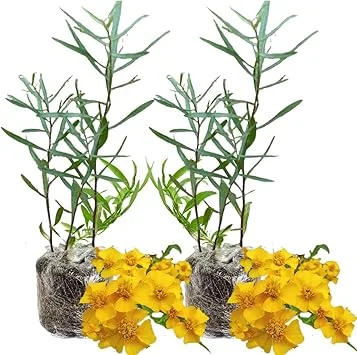
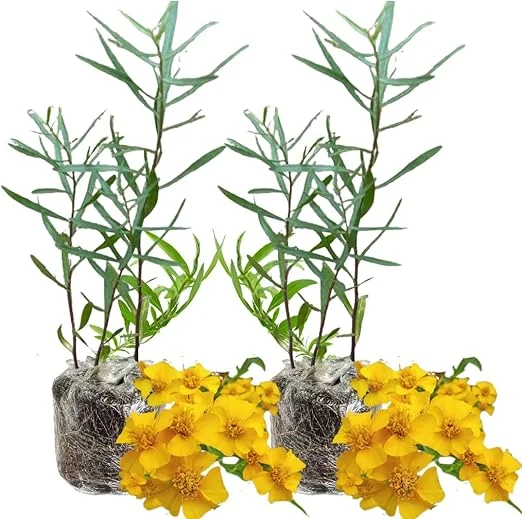
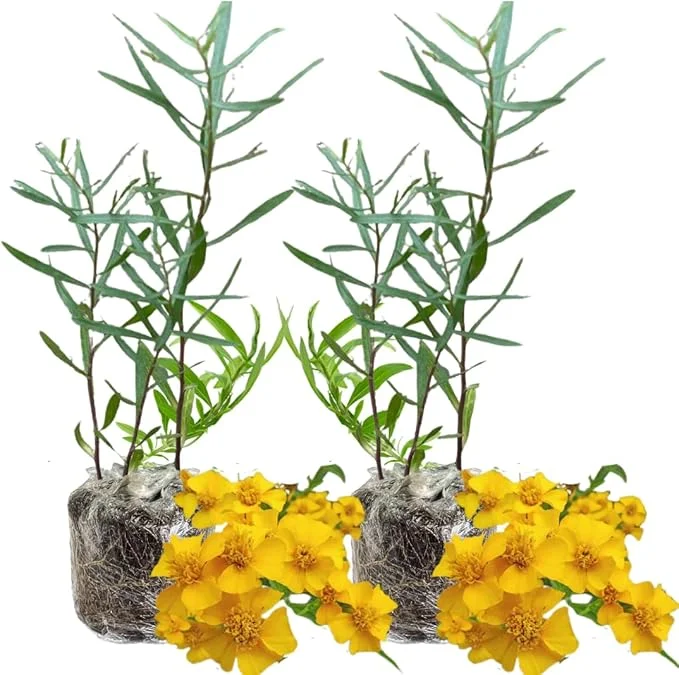
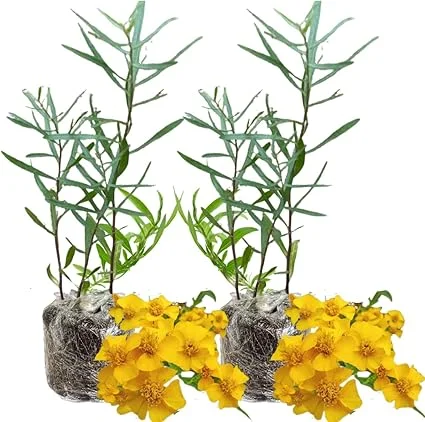
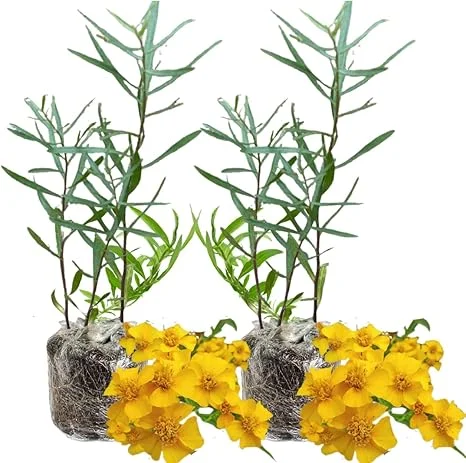
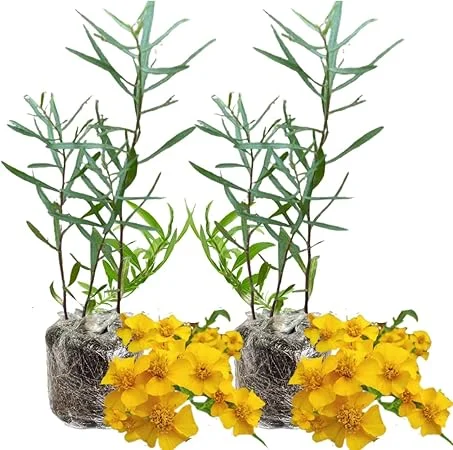
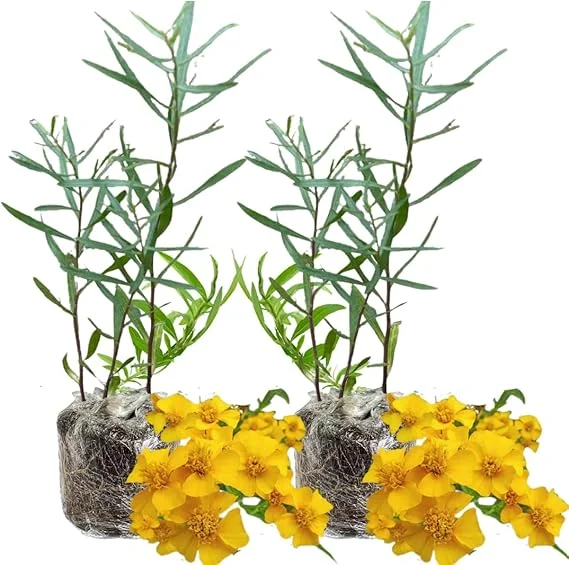
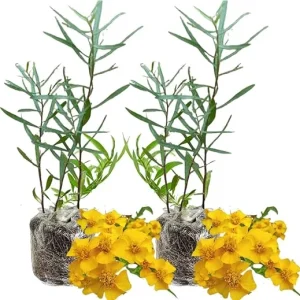
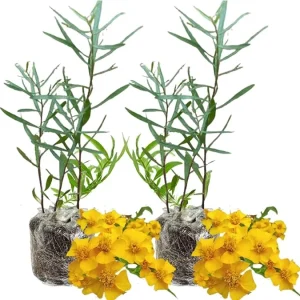
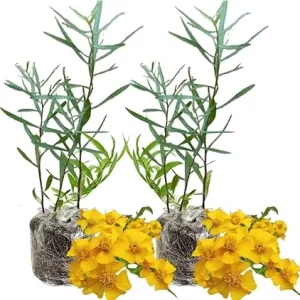
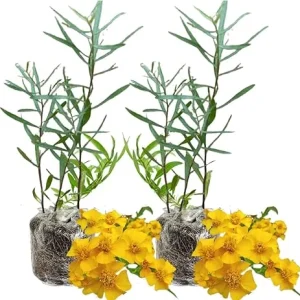
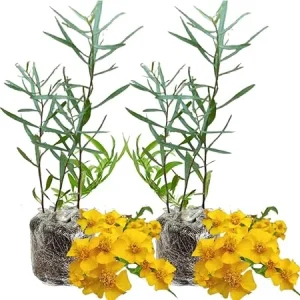
Introduce the distinctive, aromatic flavor of fresh herbs into your home or garden with this tarragon live plant. This offering includes a convenient pack of two well-rooted tarragon plants, each measuring approximately 4 to 5 inches, ready for planting. Tarragon, scientifically known as Artemisia dracunculus, is a highly prized culinary herb, particularly French tarragon, celebrated for its unique anise-like flavor profile. These robust young plants are perfect for anyone looking to cultivate their own herb garden, whether in a dedicated plot, raised beds, or containers on a patio or balcony. Growing your own tarragon ensures a fresh supply of this versatile herb, elevating your cooking with its sophisticated taste.
Our tarragon plants are selected for their vigor and health, providing you with a strong foundation for a thriving herb. As a perennial herb, tarragon will return year after year, offering a continuous harvest throughout the growing season. Its relatively compact growth habit makes it an excellent choice for various gardening setups, including small spaces and kitchen gardens. This tarragon live plant is an essential addition for chefs and home cooks alike who appreciate the nuanced flavors that fresh herbs bring to dishes.
Key Benefits
Beyond its culinary appeal, growing a tarragon live plant offers several advantages for both the gardener and the home. These benefits contribute to a more enjoyable and sustainable gardening experience.
- Exceptional Culinary Flavor: Tarragon is renowned for its distinct, slightly sweet anise-like flavor, which is a staple in French cuisine. Fresh tarragon enhances chicken, fish, eggs, and vegetable dishes, as well as vinegars and sauces like Béarnaise. Having a fresh supply readily available means you can infuse your meals with premium taste anytime.
- Perennial Growth: As a perennial herb, tarragon returns each year without the need for replanting. This makes it a cost-effective and low-maintenance addition to your garden, providing harvests for many seasons to come.
- Drought Tolerance: Once established, tarragon exhibits good drought tolerance, reducing the need for constant watering. This makes it a resilient plant, particularly for gardeners in drier climates or those seeking water-wise options.
- Adaptable for Various Settings: Whether you have a spacious garden, a small patio, or just a windowsill, tarragon can thrive. It performs well in garden beds, raised planters, and even containers, making it a versatile choice for any gardener.
- Aromatic Foliage: The slender, green leaves of the tarragon plant release a pleasant aroma, adding sensory delight to your garden space. The fragrance can be particularly invigorating when brushed against.
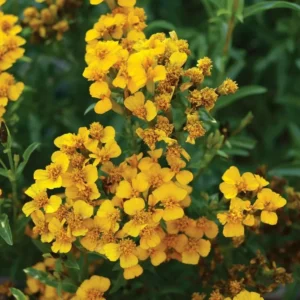
- Supports Pollinators: While primarily grown for its leaves, tarragon does produce small, inconspicuous flowers that can attract beneficial pollinators to your garden, contributing to local biodiversity.
- Easy to Grow: This herb is relatively easy to care for, requiring minimal maintenance once established. It’s a great choice for both novice and experienced gardeners looking to expand their herb collection.
Plant Care & Growing Tips
Caring for your tarragon live plant is straightforward, ensuring a bountiful harvest of flavorful leaves. Understanding its basic needs for sunlight, soil, and water will help your tarragon herb plant thrive and provide fresh flavor for your kitchen.
Sunlight Requirements: Tarragon thrives in full sun, meaning it needs at least 6-8 hours of direct sunlight per day. In very hot climates, a little afternoon shade can be beneficial to prevent scorching, but generally, the more sun it receives, the more potent its flavor will be. When growing indoors, place your tarragon plant in a south-facing window or under grow lights to ensure it gets adequate light.
Watering Schedule and Soil Moisture: Tarragon prefers consistently moist but not waterlogged soil. Water thoroughly when the top inch of soil feels dry to the touch. Once established, it becomes quite drought-tolerant, so avoid overwatering, which can lead to root rot. Good drainage is crucial for the health of your tarragon live plant.
Soil Type and Drainage: The ideal soil for tarragon is well-drained, sandy loam with a neutral to slightly alkaline pH (6.5-7.5). If planting in containers, use a high-quality potting mix amended with perlite or sand to improve drainage. In garden beds, amend heavy clay soils with organic matter to prevent water retention around the roots.
Temperature Range and USDA Hardiness Zone: Tarragon is a cold-hardy perennial suitable for USDA Hardiness Zones 4-9. It can tolerate light frosts, but in colder zones, significant winter protection or bringing potted plants indoors may be necessary. It prefers moderate temperatures during its active growing season, generally performing best between 60-80°F (15-27°C).
Fertilization Schedule: Tarragon is not a heavy feeder. An annual application of a balanced, slow-release organic fertilizer in spring is usually sufficient. Over-fertilizing, especially with high-nitrogen fertilizers, can reduce the intensity of its characteristic flavor. For container plants, a diluted liquid feed every 4-6 weeks during the growing season can be beneficial.
Common Problems and Solutions: Tarragon is generally pest and disease resistant. However, watch out for aphids or spider mites, which can be treated with insecticidal soap. Ensure good air circulation to prevent fungal issues in humid conditions. Yellowing leaves often indicate overwatering or poor drainage. Learning to grow tarragon at home successfully involves observing your plant and adjusting care as needed.
Size & Details
This offering includes a pack of two individual tarragon live plant plugs, each measuring approximately 4 to 5 inches in height from the base of the root ball to the top of the foliage. These plants are well-rooted and ready for transplanting into your garden or preferred containers. Tarragon typically grows to a mature height of 24-36 inches (2-3 feet) with a similar spread, forming a bushy, upright habit. Its growth rate is moderate, establishing itself well within the first growing season. The plants will arrive securely packaged to ensure their health and vitality during transit, ready for immediate planting upon arrival. Expect a full, lush plant by mid-summer, providing plenty of fresh leaves for harvest. This size is ideal for planting directly or potting up into larger containers for continued growth.
Frequently Asked Questions
- Q: How big do these tarragon plants get? A: These tarragon live plant plugs arrive at 4-5 inches tall and can grow to a mature height of 24-36 inches (2-3 feet) with a similar spread in ideal growing conditions.
- Q: What size pot does a tarragon live plant need? A: For a single plant, a 6-8 inch diameter pot is a good starting point. As it grows, you may want to repot it into a 10-12 inch pot to accommodate its mature size.
- Q: Is this an indoor or outdoor plant? A: Tarragon can be grown both indoors and outdoors. It thrives outdoors in full sun and well-drained soil. Indoors, it requires a very bright, sunny location, such as a south-facing window, to flourish.
- Q: How much sunlight does a tarragon plant need? A: Tarragon requires at least 6-8 hours of direct sunlight per day to produce the best flavor and growth. Full sun exposure is highly recommended.
- Q: Is this plant easy to care for? A: Yes, tarragon is considered relatively easy to care for, especially once established. It requires well-drained soil, full sun, and moderate watering, making it suitable for gardeners of all experience levels.
- Q: What condition will the tarragon plants arrive in? A: Your tarragon live plant pack will arrive as two well-rooted plant plugs, carefully packaged to ensure their health and vitality during shipping. They will be ready for immediate planting.
- Q: Can I use this tarragon in cooking? A: Absolutely! This is a culinary herb known for its distinct anise-like flavor. It’s perfect for enhancing a variety of dishes, including poultry, fish, eggs, and vegetables, and is a key ingredient in many French sauces.
- Q: When is the best time to plant tarragon? A: The best time to plant tarragon outdoors is in spring after the last danger of frost has passed. For indoor growing, you can plant it year-round as long as adequate light is provided.
- Q: Will this tarragon plant survive winter in my zone? A: Tarragon is cold-hardy in USDA Zones 4-9. In these zones, it will typically die back in winter and regrow from the roots in spring. In colder zones, you may need to provide winter protection or grow it in containers that can be moved indoors.
- Q: How do I harvest leaves from my tarragon plant? A: Begin harvesting leaves once the plant is established and has reached about 6-8 inches tall. Pinch off the top few inches of new growth, which encourages bushier growth and provides you with the most flavorful leaves.


Reviews
There are no reviews yet.