Overview
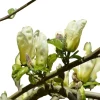
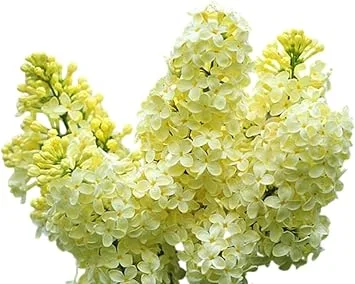
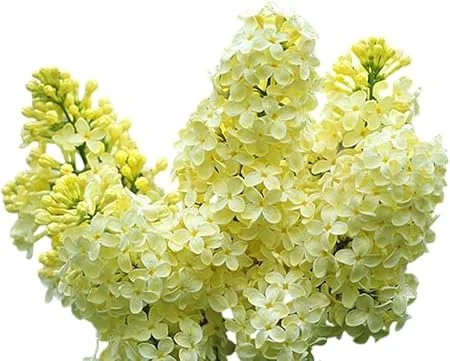
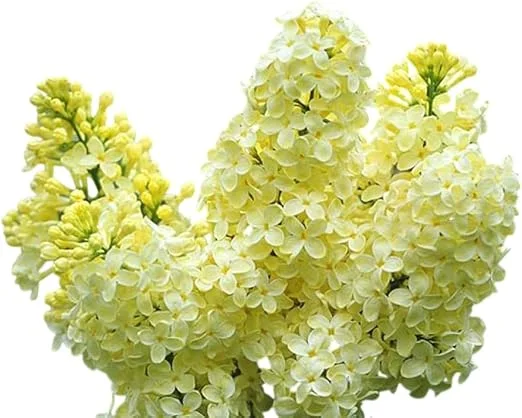
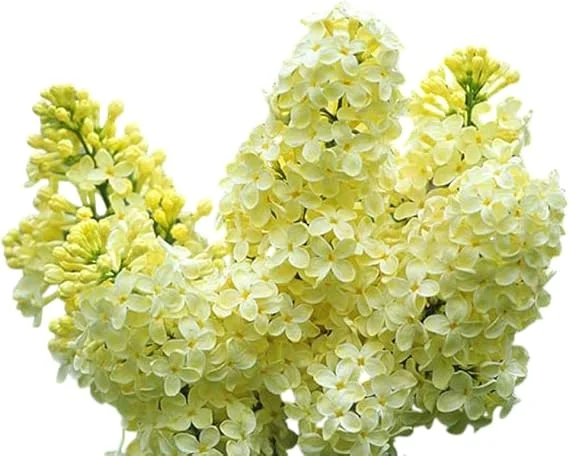
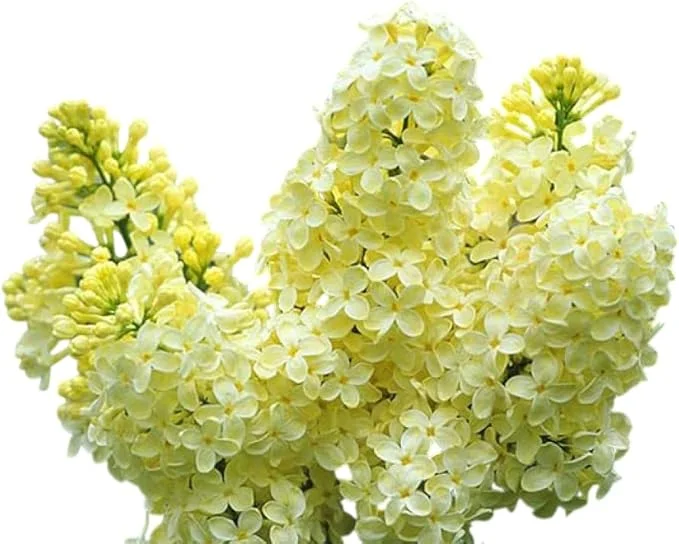
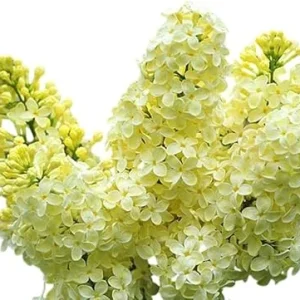
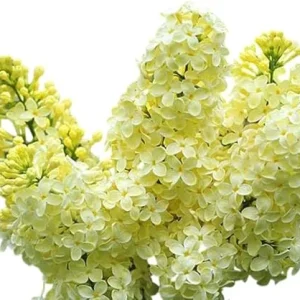
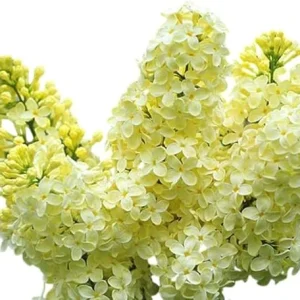
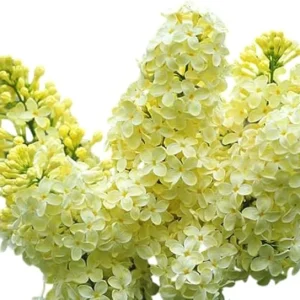
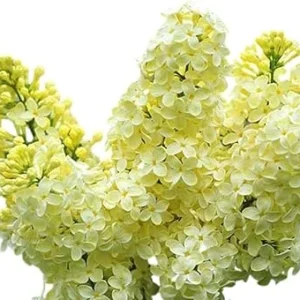
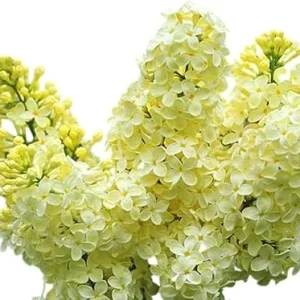
The Primrose Lilac Tree is an extraordinary and highly sought-after addition to any garden or landscape. Unlike the common purple and white varieties, this rare specimen delights with its unique yellow blooms, making it the world’s only yellow-flowering lilac. Known botanically as Syringa vulgaris ‘Primrose’, this particular cultivar offers a distinct charm and a delightful, sweet fragrance that will captivate anyone who encounters it. Standing at a majestic 2-3 feet tall upon arrival, these live plants are ready to establish themselves and transform your outdoor space into a vibrant and aromatic sanctuary. Whether you are a seasoned gardener or looking for a special focal point, the Primrose Lilac Tree promises an unparalleled visual and olfactory experience. Its unusual color and robust nature make it an exceptional choice for those seeking something truly special in their plant collection.
Cultivating a yellow lilac plant adds an element of surprise and sophistication to traditional garden designs. The ‘Primrose’ variety is not just about its color; it also embodies the classic hardiness and fragrant appeal of its lilac relatives. This live plant is perfectly suited for a range of climates, thriving in USDA Hardiness Zones 4-8. Its vigorous growth and abundant flowering habit ensure a spectacular display each season. Embrace the opportunity to grow a truly unique shrub that stands out from the crowd and becomes a cherished part of your home and garden.
Key Benefits
The Primrose Lilac Tree offers numerous advantages, making it an excellent choice for various garden settings. Its unique characteristics provide both aesthetic and sensory pleasure, enhancing your outdoor living space in multiple ways. Choosing this particular lilac cultivar means investing in beauty, fragrance, and a touch of horticultural rarity.
- Unique Yellow Blooms: The most distinctive feature of this lilac is its rare, soft yellow flowers. These vibrant blossoms create a striking contrast against green foliage, offering a unique visual appeal not found in other lilac varieties.
- Exquisite Fragrance: Like its traditional counterparts, the Primrose Lilac Tree produces highly fragrant flowers. The sweet, intoxicating scent will fill your garden during its blooming period, creating a delightful atmosphere for relaxation and enjoyment.
- Attracts Pollinators: The fragrant flowers are a magnet for bees, butterflies, and other beneficial pollinators, contributing to the biodiversity and health of your garden ecosystem.
- Hardy and Resilient: This fragrant lilac shrub is incredibly robust and well-suited for a wide range of climates, thriving in USDA Zones 4-8. It can withstand various weather conditions once established, providing years of beauty with minimal fuss.
- Versatile Landscape Use: Perfect as a specimen plant, in mixed borders, or as a vibrant hedge, the yellow lilac plant adds structure, color, and fragrance to any landscape design. Its moderate size makes it suitable for both large and smaller gardens.
- Low Maintenance: Once established, this rare lilac flowers variety requires relatively low maintenance, making it an ideal choice for busy gardeners who still desire a stunning garden.
- Long Blooming Period: Enjoy the beautiful blooms from spring to fall, extending the period of color and fragrance in your garden compared to many other flowering shrubs.
Plant Care & Growing Tips
Caring for your Primrose Lilac Tree is straightforward, ensuring it flourishes and provides abundant yellow, fragrant blooms. These plants are relatively hardy but will perform best with proper attention to their specific needs regarding sunlight, soil, and moisture. Understanding these requirements will help your Syringa vulgaris Primrose thrive and become a highlight in your garden.
For optimal growth and flowering, the Primrose Lilac Tree requires full sun exposure. This means at least 6-8 hours of direct sunlight per day. Adequate sunlight is crucial for prolific blooming and strong, healthy growth. Plant your lilac in rich, fertile, and well-draining soil. Loam soil is ideal, as it retains moisture while allowing excess water to drain away, preventing root rot. If your soil is heavy clay or very sandy, amend it with organic matter like compost to improve its texture and fertility. Maintaining moderate moisture levels is key; the plant prefers consistently moist soil but not waterlogged conditions. Water deeply once or twice a week, especially during dry spells and in its first year of establishment. Reduce watering during cooler, dormant periods.
The Primrose Lilac Tree is cold-hardy, thriving in USDA Hardiness Zones 4-8. It requires a period of winter chill to set flower buds effectively. Fertilize in early spring with a balanced, slow-release fertilizer designed for flowering shrubs to encourage vigorous growth and abundant blooms. Pruning is best done immediately after flowering to shape the plant, remove spent blooms, and encourage new growth for the following season. Avoid pruning in late summer or fall, as this can remove next year’s flower buds. Watch out for common pests like powdery mildew or lilac borers; good air circulation and proper plant hygiene can help prevent these issues. With these care tips, your yellow lilac plant will be a stunning and fragrant feature in your garden for many years.
Size & Details
The Primrose Lilac Tree, supplied as a live plant, typically arrives at a height of 2-3 feet tall, making it an excellent size for immediate planting and establishment in your garden. While its initial height is manageable, this deciduous shrub has the potential to grow into a substantial specimen, reaching an expected mature height of up to 20 feet if left unpruned. Its spread can be considerable, creating a beautiful, rounded form that provides ample space for its distinctive yellow blooms. This particular lilac variety is shipped as a single unit, carefully packaged to ensure its health and vitality upon arrival. The robust root system is ready to adapt to its new environment, allowing for a smooth transition into your landscape.
The growth rate of the Primrose Lilac Tree is considered moderate, meaning it will establish itself well within the first few seasons and gradually increase in size each year. You can expect the first fragrant flowers to appear in the spring following establishment, with blooms continuing intermittently through fall under ideal conditions. Its mature size makes it suitable for use as a majestic specimen plant, a privacy screen, or an integral part of a mixed shrub border. The plant’s dimensions upon shipping are approximately 24 x 4 x 4 inches, indicating a well-developed young plant ready for its new home. Ensure you provide adequate space for its future growth to fully appreciate this exquisite fragrant lilac shrub.
Frequently Asked Questions
- Q: How big does this Primrose Lilac Tree get? A: This Primrose Lilac Tree typically arrives 2-3 feet tall. With proper care, it can reach a mature height of up to 20 feet, forming a large, impressive shrub or small tree.
- Q: Is this an indoor or outdoor plant? A: The Primrose Lilac Tree is an outdoor plant, best suited for gardens and landscapes. It requires full sun exposure and a period of winter chill to thrive and produce its signature yellow, fragrant flowers.
- Q: How much sunlight does the yellow lilac plant need? A: This plant requires full sun, meaning at least 6-8 hours of direct sunlight per day, to ensure abundant flowering and healthy growth.
- Q: Is this plant easy to care for? A: Yes, the Primrose Lilac Tree is considered relatively easy to care for once established. It’s a hardy plant that tolerates a range of conditions, making it suitable for gardeners of varying experience levels.
- Q: What condition will the fragrant lilac shrub arrive in? A: Your Primrose Lilac Tree will arrive as a healthy, live plant, typically 2-3 feet tall, with its root ball carefully protected to ensure it’s ready for planting.
- Q: How long until this lilac blooms? A: You can expect the rare lilac flowers to begin appearing in the spring following its establishment in your garden, with blooms often continuing into the fall.
- Q: What is the best time to plant the Syringa vulgaris Primrose? A: The best time to plant this lilac is in early spring or fall, allowing it to establish its root system before extreme summer heat or winter cold.
- Q: Will the yellow lilac plant survive winter in my zone? A: Yes, this lilac is hardy in USDA Zones 4-8, meaning it is well-equipped to survive typical winter conditions within those zones, provided it is properly established.
- Q: What kind of soil does this lilac prefer? A: It thrives in rich, fertile, and well-draining soil, such as loam. Amending soil with organic matter can significantly improve its growth.
- Q: How often should I water my Primrose Lilac Tree? A: Water deeply once or twice a week, especially during dry periods and in its first year. Ensure the soil remains consistently moist but not waterlogged.


Reviews
There are no reviews yet.