Overview
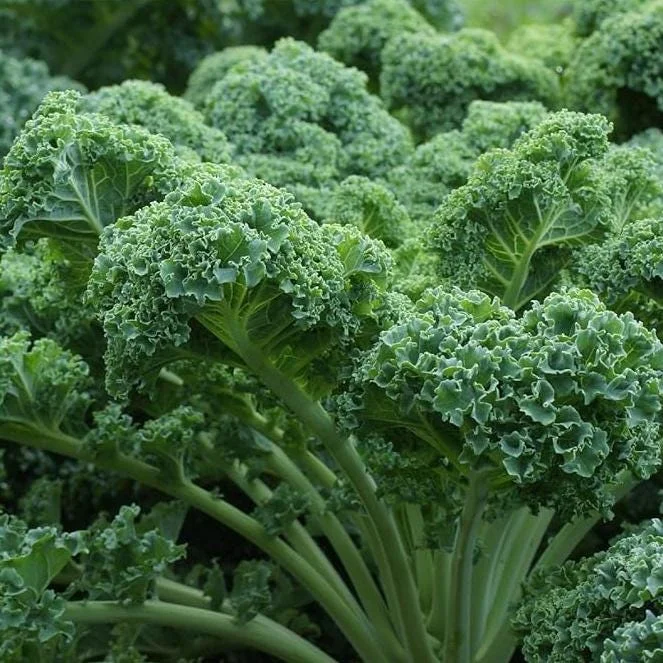
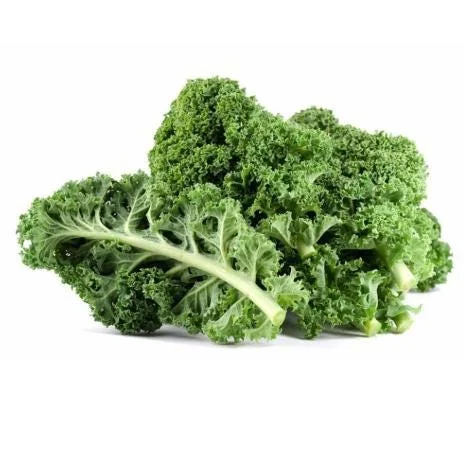
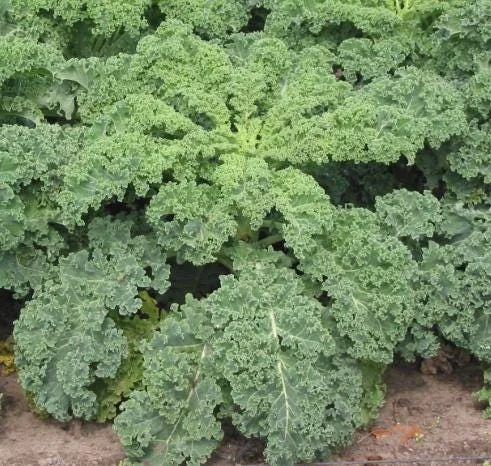
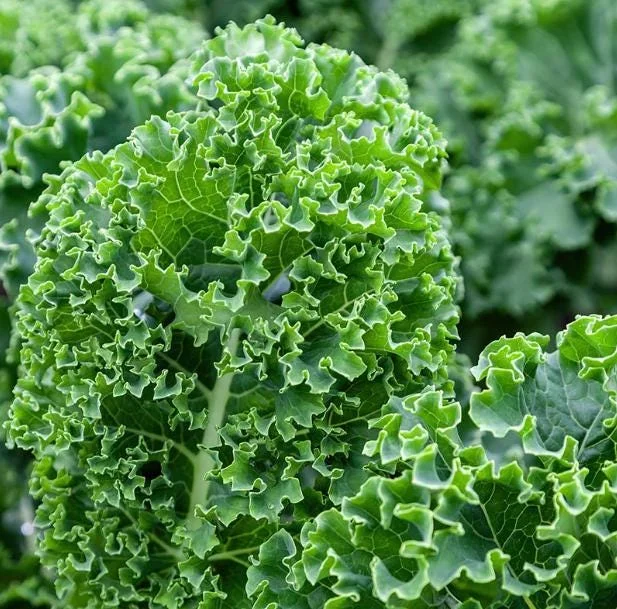
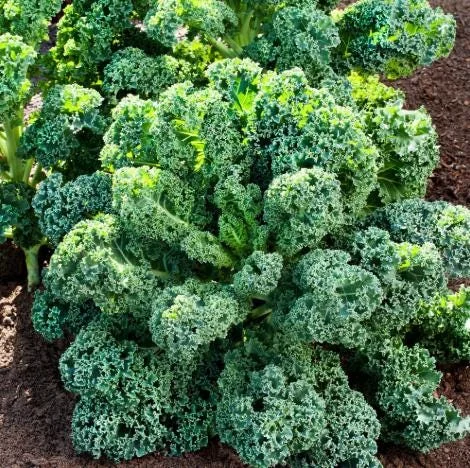
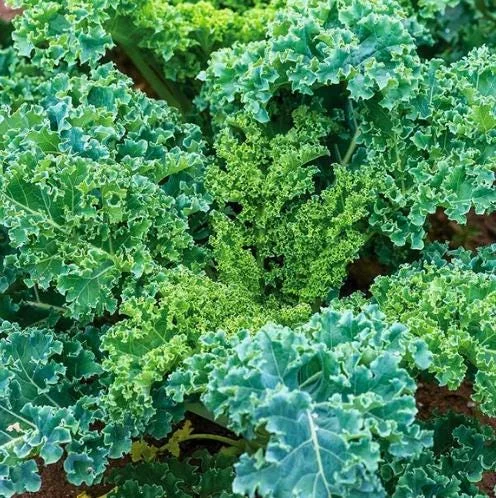
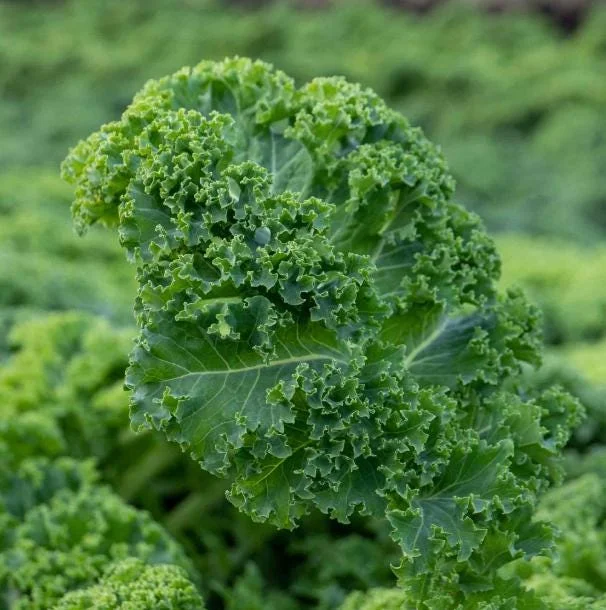
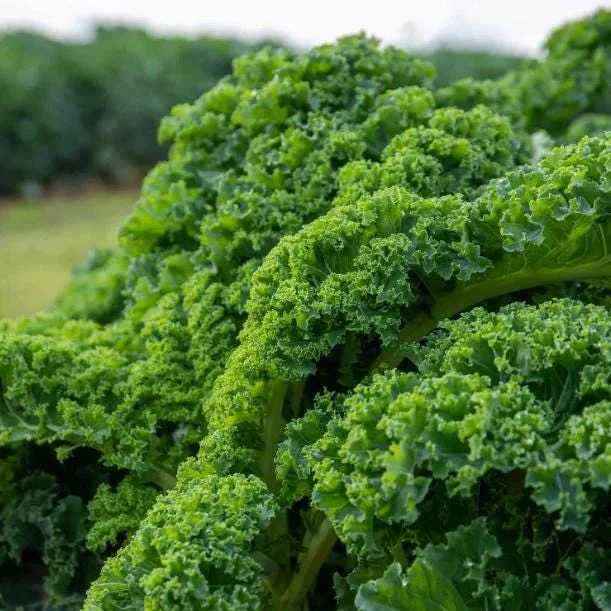
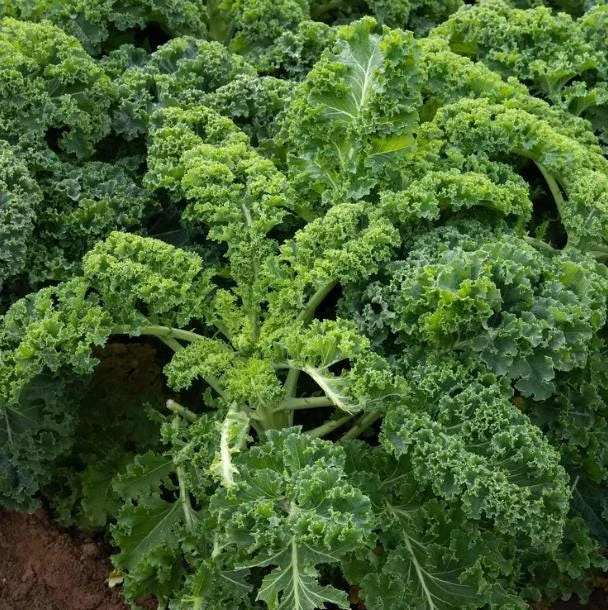
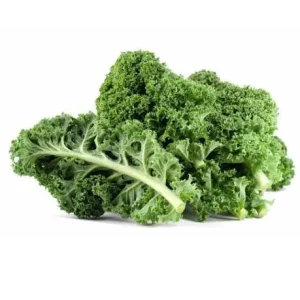
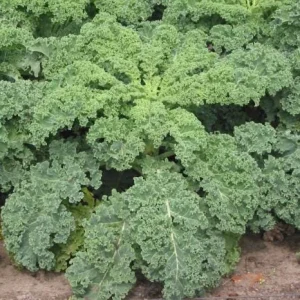
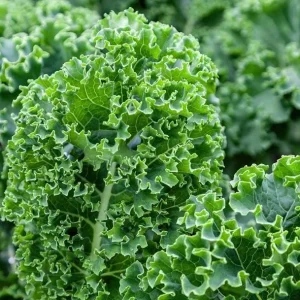
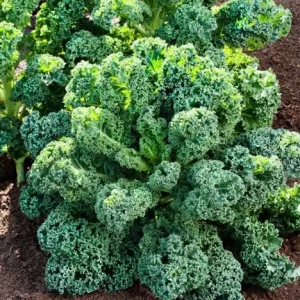
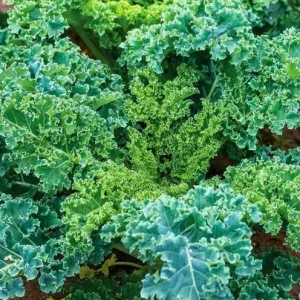
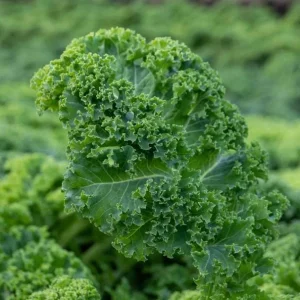
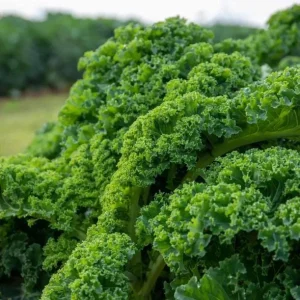
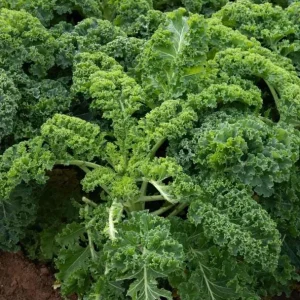
Introduce the joy of homegrown vegetables to your garden with our premium kale live plant. Kale (Brassica oleracea var. sabellica) is a highly nutritious, cool-season leafy green that has gained immense popularity for its health benefits and versatility in culinary applications. Our live plants provide a significant head start compared to growing from seed, allowing you to enjoy fresh, tender kale leaves much sooner. Known for its curly or flat leaves, kale is a powerhouse of vitamins, minerals, and antioxidants. This particular variety is selected for its cold hardiness, thriving in a wide range of climates and making it an ideal choice for gardeners looking to grow kale outdoors. Whether you’re an experienced gardener or just starting, our robust vegetable kale plant is ready to flourish in your garden.
Key Benefits
Adding a kale live plant to your garden offers numerous advantages, from its nutritional value to its ease of cultivation.
- Exceptional Nutritional Value: Kale is packed with vitamins A, C, and K, as well as essential minerals like calcium and iron. Growing your own ensures a fresh supply of these health-boosting greens.
- Cold Hardy and Resilient: This plant is remarkably tolerant to cold temperatures, often improving in flavor after a light frost. It’s perfect for extending your growing season into cooler months.
- Versatile Culinary Uses: From salads and smoothies to stir-fries and roasted chips, kale can be incorporated into a vast array of dishes, adding a healthy and delicious component to your meals.
- Easy to Grow: Kale is a relatively low-maintenance vegetable, making it suitable for gardeners of all skill levels. With proper care, you can enjoy a continuous harvest.
- Continuous Harvest: By harvesting the outer leaves, your hardy kale plant will continue to produce fresh greens for an extended period, providing a steady supply throughout the season.
- Attractive Garden Addition: The vibrant green and often ruffled leaves of kale add an ornamental touch to vegetable beds or even mixed borders.
- Supports Healthy Living: Growing your own kale encourages a healthier diet and provides the satisfaction of consuming fresh, organic produce straight from your garden.
Plant Care & Growing Tips
Caring for your kale live plant is straightforward, ensuring a bountiful harvest with minimal effort. Kale thrives in conditions that mimic its natural cool-season preference. For optimal growth, provide your kale plants with full sun exposure, meaning at least 6–8 hours of direct sunlight daily. While kale can tolerate partial shade, especially in warmer climates, full sun encourages more vigorous growth and better leaf development. When considering how to grow kale outdoors, selecting the right location is crucial.
Soil and watering are key components of a successful kale patch. Kale prefers well-drained, fertile soil that is rich in organic matter. Before planting, amend your soil with compost to improve its structure and nutrient content. Maintain consistently moist soil, but be careful not to overwater, as waterlogged conditions can lead to root rot. Regular watering, especially during dry spells, will help keep the leaves tender and prevent them from becoming bitter. Ideal temperatures for kale growth are between 50°F and 75°F. It is a hardy kale plant, capable of withstanding light frosts, which can even sweeten its flavor. Fertilize your kale every 4-6 weeks with a balanced organic fertilizer to support healthy leaf production. Watch out for common pests like aphids and cabbage worms; inspect your plants regularly and use organic pest control methods if necessary. Following this kale planting guide will set you up for success.
Size & Details
Each kale live plant is carefully nurtured to ensure it arrives healthy and ready for successful transplanting into your garden. Typically, plants will be 3 to 5 inches tall upon arrival, providing a robust start to your vegetable patch. These young plants are established in nursery pots, ensuring their root systems are well-developed for a smooth transition. Kale is a relatively fast-growing vegetable, and with proper care, you can expect to begin harvesting outer leaves within 50-75 days of planting. The mature size of a kale plant can vary depending on the variety and growing conditions, but most will reach 1-2 feet in height and spread. Our vegetable kale plant is shipped securely to minimize stress during transit, arriving ready to thrive in its new home.
Frequently Asked Questions
- Q: How big does this plant get? A: Your kale live plant typically arrives 3-5 inches tall and can grow to an average mature height of 1-2 feet, depending on the variety and growing conditions.
- Q: What size pot does it come in? A: The plants are shipped in small nursery pots, usually 2-3 inches in diameter, designed to protect the root system during transit and provide a strong start.
- Q: Is this an indoor or outdoor plant? A: This hardy kale plant is specifically grown for outdoor planting, thriving in garden beds or large containers on patios.
- Q: How much sunlight does it need? A: Kale requires full sun, meaning at least 6–8 hours of direct sunlight daily, to ensure healthy growth and optimal leaf development.
- Q: Is this plant easy to care for? A: Yes, kale is considered a relatively easy-to-grow vegetable, making it suitable for gardeners of all experience levels. Following a basic kale planting guide will lead to success.
- Q: Is it good for beginners? A: Absolutely! Its hardiness and straightforward care requirements make it an excellent choice for beginner gardeners looking to grow their own food.
- Q: What condition will it arrive in? A: Your kale live plant will arrive healthy, carefully packaged to protect it during shipping, with its roots intact and ready for planting.
- Q: Is it shipped in soil? A: Yes, the plant is shipped with its root ball in a small amount of soil within its nursery pot to keep it hydrated and secure.
- Q: Can I use kale in cooking? A: Yes, kale is a highly versatile and nutritious vegetable widely used in salads, smoothies, soups, stir-fries, and many other culinary dishes.
- Q: When is the best time to plant? A: As a cool-season crop, the best times to plant kale outdoors are in early spring for a summer harvest or late summer for an autumn and winter harvest.
- Q: Will it survive winter in my zone? A: Kale is a cold-hardy plant, typically thriving in USDA Zones 2 to 11. In many of these zones, it can survive light frosts and continue producing into winter.
- Q: What’s the minimum temperature it can tolerate? A: This vegetable kale plant can tolerate temperatures down to around 20°F (-6°C), with its flavor often improving after a light frost.


Reviews
There are no reviews yet.