Overview
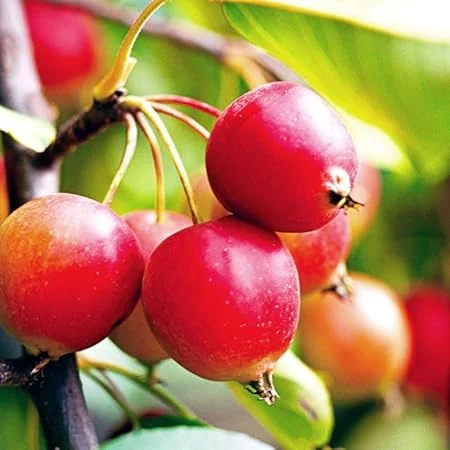
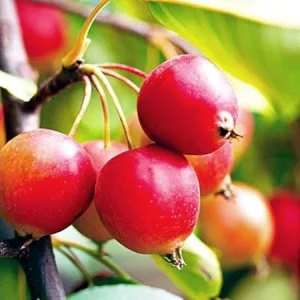
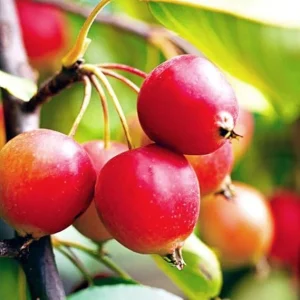
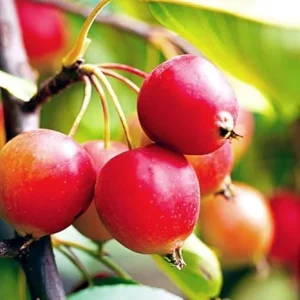
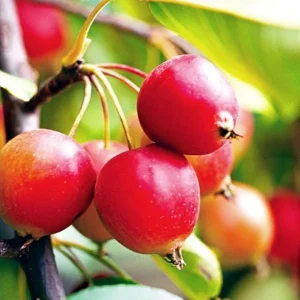
Transform your outdoor space with a stunning crabapple tree live plant. This young specimen, typically 6-12 inches tall, is delivered ready for planting, offering the promise of beautiful spring blossoms and charming small fruits. Crabapple trees (Malus spp.) are beloved for their ornamental value, providing seasonal interest from delicate flowers to colorful foliage and persistent fruit that attracts wildlife. They are a classic choice for gardeners looking to add visual appeal and ecological benefit to their landscape. This crabapple tree live plant is an excellent addition to any garden, providing both aesthetic beauty and a natural food source for birds.
Known for their resilience and adaptability, crabapple trees are a fantastic investment for both novice and experienced gardeners. Their manageable size makes them suitable for various garden designs, from specimen planting to use in mixed borders. Enjoy the vibrant display of flowers in spring, followed by the development of small, apple-like fruits that often persist into winter, adding a unique texture and color to the dormant season. This live plant is a perfect way to start your own beautiful crabapple collection.
Key Benefits
Adding a crabapple tree to your garden offers numerous advantages, enhancing both the beauty and biodiversity of your outdoor environment. These trees are not just visually appealing but also contribute to a healthy ecosystem.
- Stunning Spring Blooms: Enjoy an explosion of white, pink, or red flowers in spring, providing a spectacular visual display and a delightful fragrance that heralds the warmer months. This makes the flowering crabapple tree a focal point in any garden.
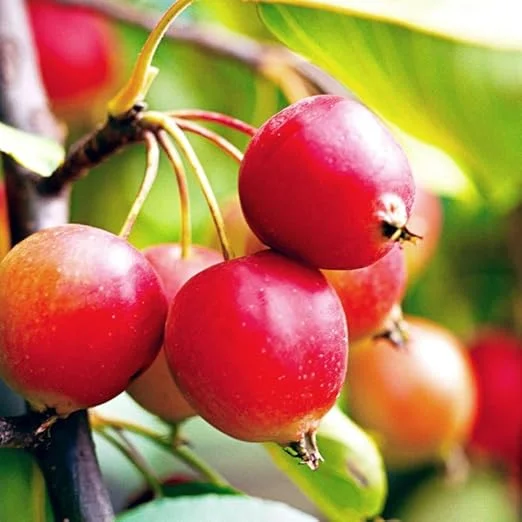
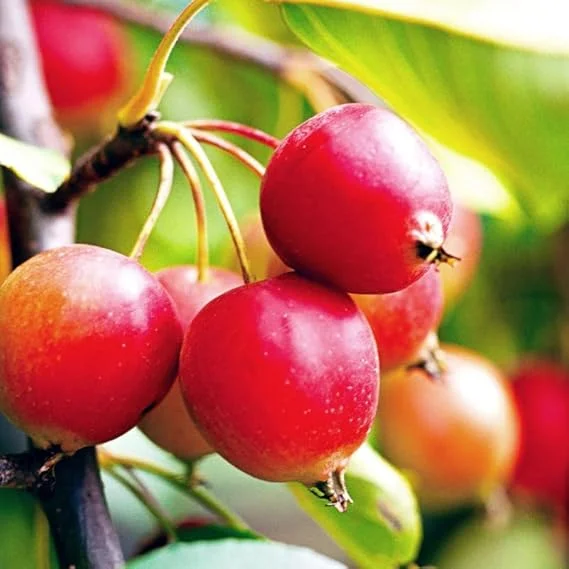
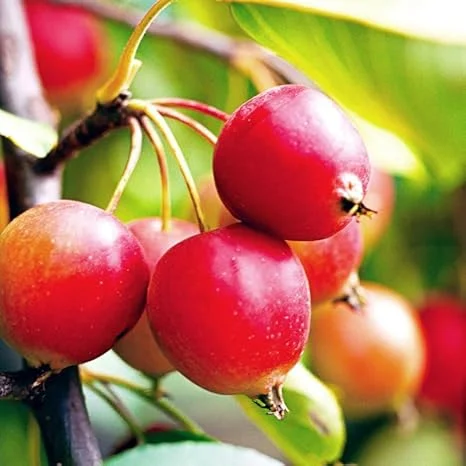
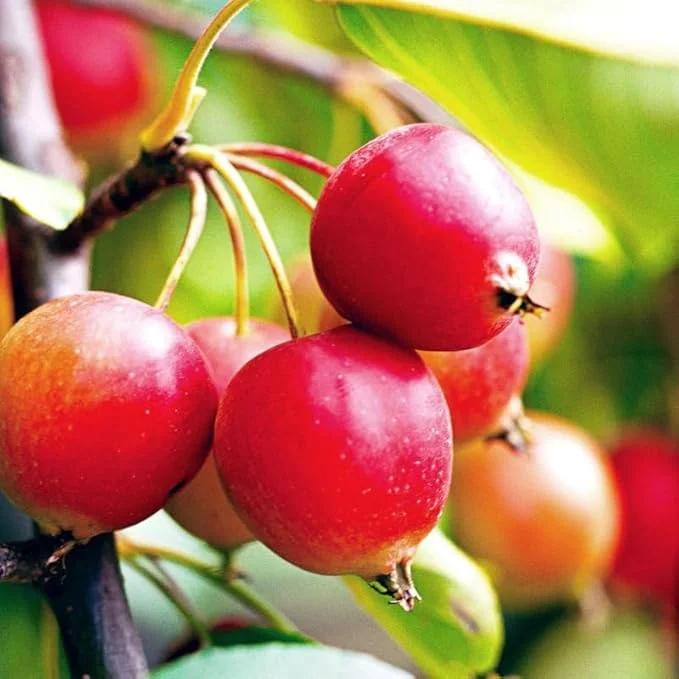
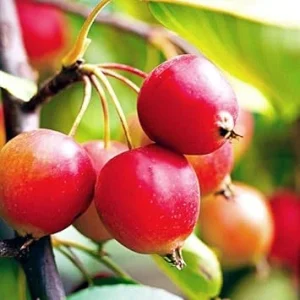
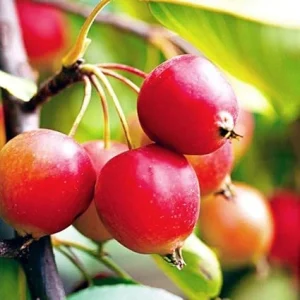
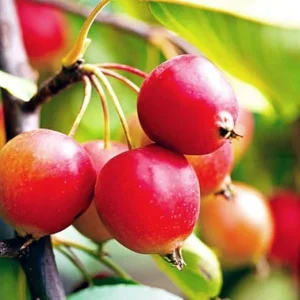
- Attractive Fruit Production: While generally not for human consumption, the small crabapples add significant ornamental value, often persisting on the branches through fall and into winter, offering extended seasonal interest.
- Wildlife Attraction: The fruit serves as an important food source for birds and other wildlife during colder months, helping to support local ecosystems and bringing activity to your garden.
- Versatile Landscaping: Crabapple trees are adaptable to various garden styles, performing well as specimen trees, in groupings, or as part of a mixed border, making them a flexible choice for almost any landscape design.
- Seasonal Interest: From spring flowers and summer foliage to fall fruit and winter structure, the crabapple tree live plant provides year-round beauty and dynamic changes in your garden.
- Hardy and Resilient: These trees are known for their hardiness and ability to thrive in a range of conditions, making them a relatively low-maintenance option for many gardeners.
- Enhances Curb Appeal: A well-placed crabapple tree can significantly boost the aesthetic appeal of your property, adding a touch of elegance and natural charm.
Plant Care & Growing Tips
Caring for your crabapple tree live plant is straightforward, ensuring it grows into a healthy, beautiful specimen. Proper planting and ongoing care will help your tree flourish and produce abundant flowers and fruit. The first step is selecting the right location; crabapples thrive in full sun, meaning at least six hours of direct sunlight per day. Good air circulation is also beneficial to prevent fungal diseases.
For optimal growth, plant your crabapple tree live plant in well-drained soil. While adaptable to various soil types, they prefer a slightly acidic to neutral pH. Ensure the planting hole is twice as wide as the root ball and just as deep. Water thoroughly after planting and continue to water regularly during the first growing season, especially during dry spells, to establish a strong root system. Once established, crabapples are moderately drought-tolerant, but consistent moisture will promote better health and flowering. Understanding crabapple plant care is crucial for its long-term health.
Fertilize your crabapple tree in early spring before new growth begins, using a balanced slow-release fertilizer formulated for trees and shrubs. Pruning is best done in late winter or early spring while the tree is dormant. Focus on removing dead, damaged, or crossing branches, and thin out the canopy to improve air circulation and light penetration. This also helps maintain the tree’s shape and encourages better flowering. Be mindful of common pests like aphids and diseases such as apple scab; choose resistant varieties if possible and practice good garden hygiene. Knowing how to provide proper ornamental crabapple care will ensure a vibrant and healthy tree for years to come.
Size & Details
This offering is for one crabapple tree live plant, typically measuring 6-12 inches in height upon arrival. These young trees are grown from seed or cutting and are ready to be transplanted into your garden or a larger container. Crabapple trees are known for their moderate growth rate, usually adding 1 to 2 feet per year. Depending on the variety, a mature crabapple tree can reach heights of 10 to 25 feet with a similar spread, making them suitable for various landscape applications. The plant will arrive carefully packaged to ensure its health during transit, often in a small nursery pot or with its root ball protected.
Expect your fruit bearing tree outdoor to begin producing flowers and small fruits within a few years of planting, with more significant displays as it matures. The exact timing and size will depend on the specific cultivar and your local growing conditions. These trees are generally hardy in USDA Zones 4-7, indicating their ability to withstand a range of winter temperatures. They are perfect for adding a touch of natural beauty and ecological benefit to your outdoor environment.
Frequently Asked Questions
- Q: How big does this crabapple tree get at maturity? A: A mature crabapple tree can typically reach heights of 10 to 25 feet, with a similar spread, depending on the specific variety and growing conditions. This particular crabapple tree live plant is 6-12 inches tall when shipped.
- Q: Is this an indoor or outdoor plant? A: This is an outdoor plant. Crabapple trees require full sun and cold dormancy periods to thrive, making them unsuitable for indoor cultivation.
- Q: How much sunlight does a crabapple tree need? A: Crabapple trees perform best in full sun, meaning they need at least 6 hours of direct sunlight per day to ensure vigorous growth and abundant flowering and fruiting.
- Q: Is this plant easy to care for? A: Yes, crabapple trees are generally considered easy to care for once established. They are hardy and adaptable, requiring basic care like watering, occasional fertilization, and annual pruning. Understanding crabapple plant care makes it even easier.
- Q: What condition will the crabapple tree live plant arrive in? A: The plant will arrive carefully packaged, typically in a small nursery pot or with its root ball protected, ensuring it is healthy and ready for planting.
- Q: When is the best time to plant a crabapple tree? A: The best time to plant a crabapple tree is in early spring or fall when temperatures are moderate, allowing the tree to establish its root system before extreme weather.
- Q: What type of soil is best for crabapple trees? A: Crabapple trees prefer well-drained soil. While adaptable, they thrive in slightly acidic to neutral soil pH. Good drainage is crucial to prevent root rot.
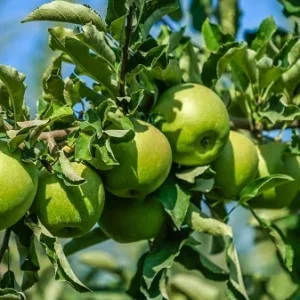
- Q: Will this flowering crabapple tree produce fruit? A: Yes, this flowering crabapple tree will produce small, apple-like fruits. These fruits are primarily ornamental and serve as a food source for wildlife, rather than being for human consumption.
- Q: What hardiness zones are suitable for a crabapple tree? A: Crabapple trees are generally hardy in USDA Zones 4 through 7, making them suitable for a wide range of climates. This ensures the fruit bearing tree outdoor can withstand winter temperatures.
- Q: How often should I water my young crabapple tree? A: During the first growing season, water your young crabapple tree regularly, especially during dry periods, to help establish a strong root system. Once established, they are more drought-tolerant.


Reviews
There are no reviews yet.