Overview
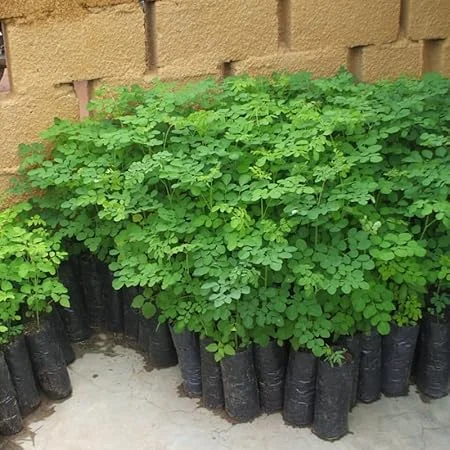
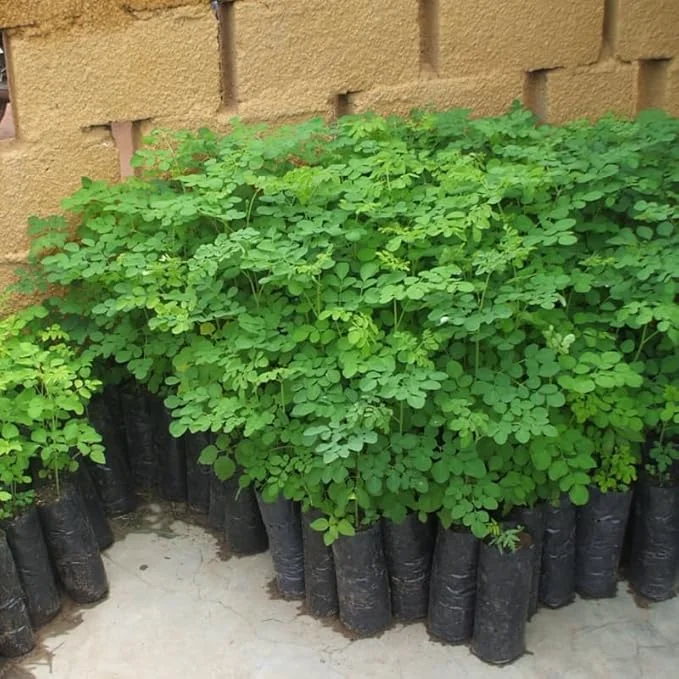
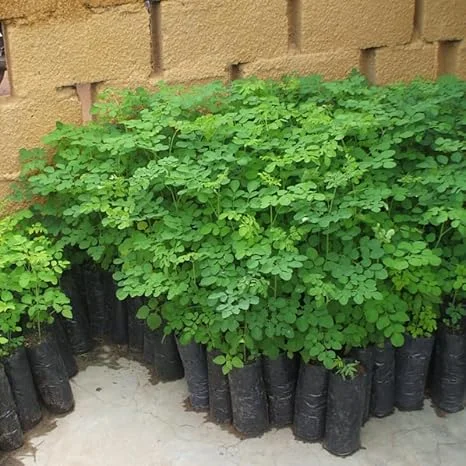
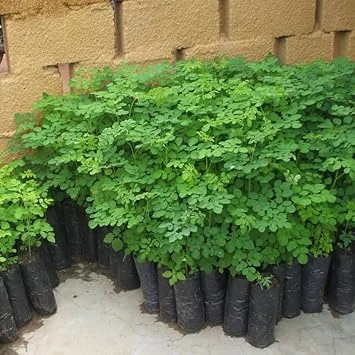
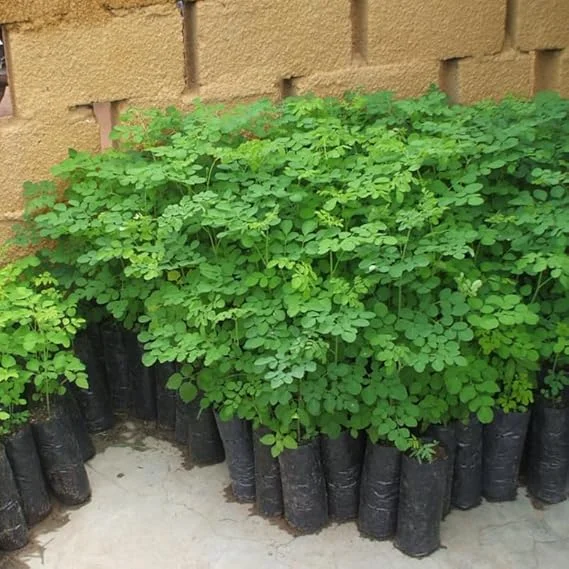
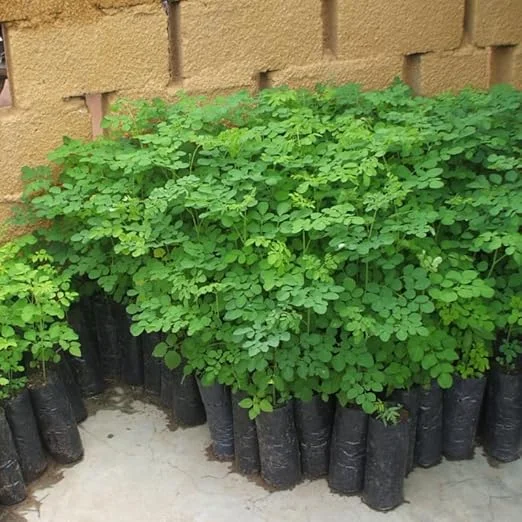
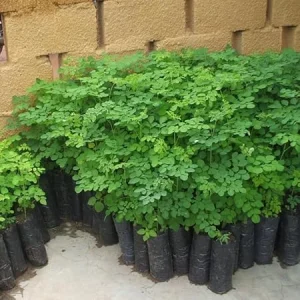
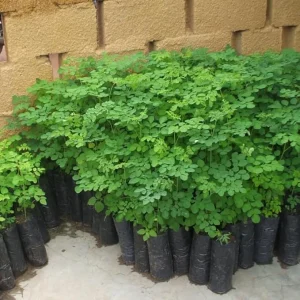
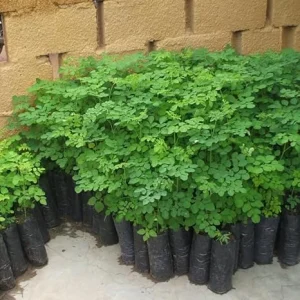
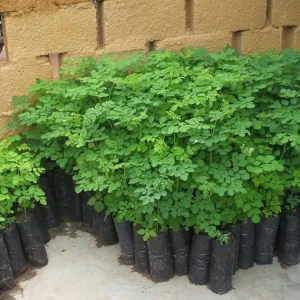
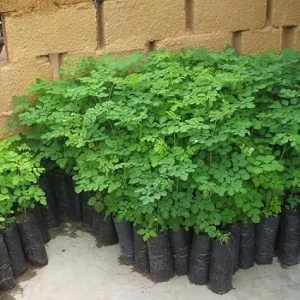
Introduce the incredible benefits of the ‘Miracle Tree’ to your garden with these 2 Moringa Oleifera live trees. Also known as the Drumstick Tree or Horseradish Tree, Moringa oleifera is celebrated worldwide for its exceptional nutritional profile and versatile uses. These healthy, well-rooted live plants measure between 6 to 10 inches in height, providing a strong start for cultivation. Ideal for those looking to grow their own superfoods, the Moringa tree is a fast-growing, drought-resistant tree native to the Indian subcontinent that has been used for centuries in traditional medicine and as a food source. Our offering includes two robust specimens, ensuring a greater chance of successful establishment and bountiful harvests. Discover the joy of cultivating this remarkable plant and enjoying its many health benefits.
Cultivating Moringa oleifera live trees at home is a rewarding experience, offering fresh leaves, pods, and flowers for various culinary and medicinal applications. These young trees are carefully prepared for shipping without a pot, reducing waste and ensuring they are ready for direct planting into your garden or a larger container upon arrival. With proper care, these plants will quickly establish themselves and begin to flourish, bringing a touch of tropical greenery and unparalleled nutrition to your outdoor space. Embrace sustainable living and enhance your well-being by adding these powerful plants to your collection.
Key Benefits
The 2 Moringa Oleifera live trees offer a multitude of benefits, making them a highly desirable addition to any garden. From their impressive nutritional content to their adaptability, these trees are truly remarkable.
- Nutritional Powerhouse: Moringa leaves are packed with vitamins, minerals, and antioxidants, often referred to as a complete food source. They contain high levels of Vitamin C, Vitamin A, calcium, potassium, and protein.
- Fast-Growing & Resilient: These trees are known for their rapid growth rate, often reaching significant heights within a year. They are also drought-tolerant once established, making them suitable for various climates, especially in USDA zones 9-11.
- Versatile Culinary Uses: Every part of the Moringa tree is edible. The leaves can be used in smoothies, salads, and cooked dishes; the pods (drumsticks) are a popular vegetable; and the flowers are also edible. Enjoy fresh ingredients from your own garden.
- Medicinal Properties: Traditionally, Moringa has been used for its anti-inflammatory, antioxidant, and tissue-protective properties, supporting overall health and well-being.
- Easy to Maintain: Once established, Moringa plant care is relatively straightforward, requiring minimal intervention. They thrive in full sun and well-draining soil.
- Sustainable Food Source: Growing your own Moringa contributes to a sustainable lifestyle, providing a continuous supply of nutritious food without relying on external sources.
- Natural Air Purifier: Like many plants, Moringa trees contribute to air quality by absorbing carbon dioxide and releasing oxygen, enhancing your garden’s environment.
Plant Care & Growing Tips
Ensuring the successful growth of your 2 Moringa Oleifera live trees primarily involves providing the right environment and consistent care. These plants thrive in warm climates and prefer specific conditions to reach their full potential. Upon arrival, plant your bare-rooted Moringa trees immediately. Dig a hole twice as wide as the root ball and just as deep. Place the tree in the hole, ensuring the root collar is level with the soil surface, then backfill with soil, gently tamping down to remove air pockets. Water thoroughly.
For optimal growth, grow Moringa tree in a location that receives at least 6-8 hours of direct sunlight daily. They are not tolerant of cold temperatures and will suffer damage or die if exposed to frost. If you live in a region with cold winters (outside USDA zones 9-11), consider growing them in large containers that can be moved indoors during colder months. The ideal temperature range for Moringa is between 70°F and 95°F (21°C to 35°C). They prefer well-draining soil; a sandy loam is ideal. Avoid heavy clay soils that retain too much moisture, as this can lead to root rot. While drought-tolerant, consistent watering is crucial during the establishment phase and prolonged dry spells. Water deeply when the top inch of soil feels dry, but ensure not to overwater.
Fertilization can significantly boost the growth and yield of your Moringa trees. During the growing season, a balanced organic fertilizer can be applied every 4-6 weeks. Pruning is also an important aspect of Moringa plant care. Regular pruning encourages bushier growth, makes harvesting easier, and can prevent the tree from becoming too tall and leggy. For a continuous supply of leaves, you can practice ‘cut and come again’ harvesting, where you snip off branches. Watch out for common pests like aphids or spider mites, though Moringa is generally quite resilient. Address any pest issues promptly with organic pest control methods.
Size & Details
This offering includes a set of 2 Moringa Oleifera live trees, each measuring approximately 6 to 10 inches in height upon arrival. These are well-rooted specimens, shipped bare-root (without a pot) to facilitate easy planting and reduce shipping costs. The ‘Drumstick horseradish tree’, as it is also known, is a tropical to subtropical plant, making it best suited for outdoor planting in USDA Hardiness Zones 9-11. In cooler climates, it can be grown as an annual or in a container that can be moved indoors during winter. The growth rate is impressively fast, with young trees often reaching several feet in height within their first year under ideal conditions. Expect these plants to establish quickly and begin producing leaves for harvest within a few months of planting. The mature height of a Moringa tree can range from 15 to 30 feet, though it can be kept smaller with regular pruning. The expected plant height of 10 inches upon arrival gives you a good head start on cultivating these beneficial plants.
Frequently Asked Questions
- Q: How big do these Moringa trees get? A: These 2 Moringa Oleifera live trees are shipped at 6 to 10 inches tall. With proper care, they can grow very rapidly, often reaching several feet in height within the first year, and mature trees can reach 15-30 feet if not pruned.
- Q: Is this an indoor or outdoor plant? A: Moringa is primarily an outdoor plant suited for USDA Zones 9-11. In colder climates, it can be grown outdoors during warm months and brought indoors as a potted plant during winter, or cultivated as an annual.
- Q: How much sunlight does it need? A: To thrive, the Oleifera Moringa benefits most from at least 6-8 hours of direct sunlight per day. Full sun exposure is crucial for vigorous growth and abundant leaf production.
- Q: Is this plant easy to care for? A: Yes, once established, Moringa trees are relatively low-maintenance. They are drought-tolerant and resilient, making them a good choice for gardeners seeking an easy-to-care-for superfood plant. Consistent watering is key during establishment.
- Q: What condition will it arrive in? A: Your Drumstick horseradish tree plants will arrive well-rooted and bare-root, meaning they are carefully packaged without a pot. This method ensures they are ready for planting upon arrival.
- Q: Can I use Moringa leaves in cooking? A: Absolutely! Moringa leaves are highly nutritious and can be used in a variety of dishes, including smoothies, salads, soups, and stir-fries. They have a slightly pungent, peppery taste.
- Q: When is the best time to plant these trees? A: The best time to plant your grow Moringa tree specimens is in spring or early summer, after all danger of frost has passed, when soil temperatures are consistently warm.
- Q: What’s the minimum temperature these plants can tolerate? A: Moringa trees are tropical and sensitive to cold. They can tolerate temperatures no lower than 40°F (4°C) for short periods, but sustained temperatures below 50°F (10°C) will hinder growth and can cause damage.
- Q: What kind of soil is best for Moringa? A: Moringa trees prefer well-draining, sandy loam soil. They do not tolerate waterlogged conditions, so good drainage is essential for healthy root development and to prevent root rot.
- Q: Are there any specific pests I should watch out for? A: While generally resistant, Moringa can occasionally be affected by common garden pests like aphids or spider mites. Regular inspection and organic pest control methods can manage these issues effectively.


Reviews
There are no reviews yet.