Overview
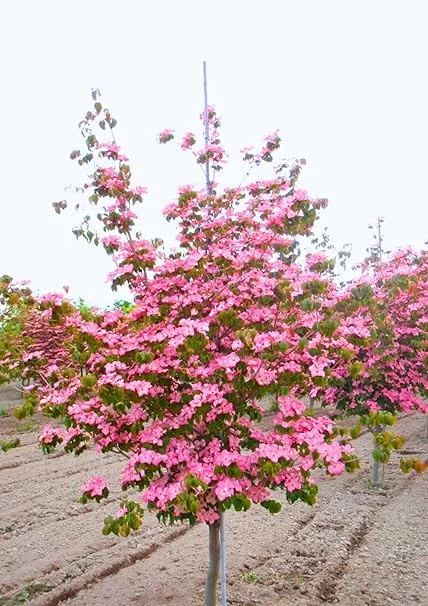
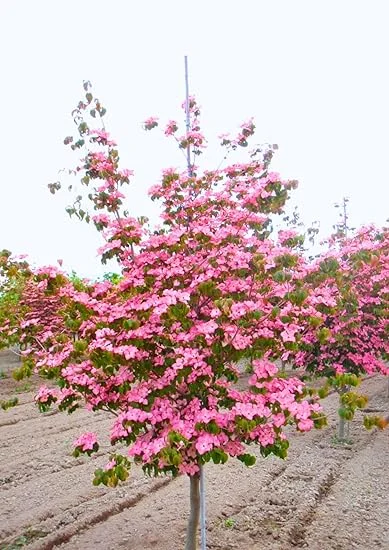
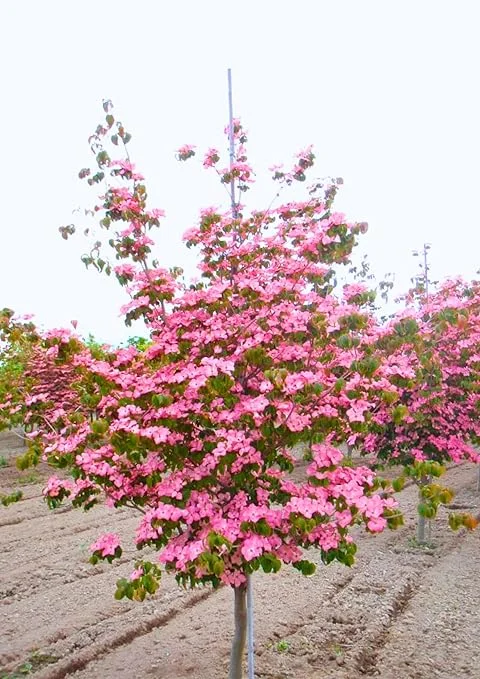
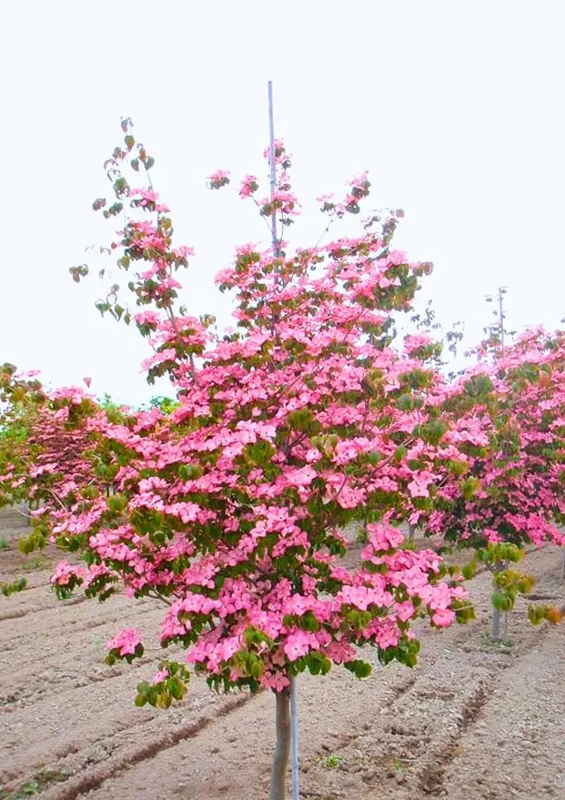
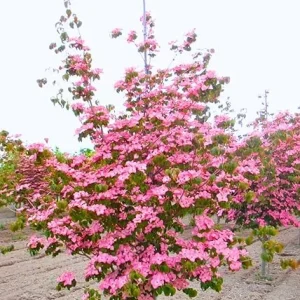
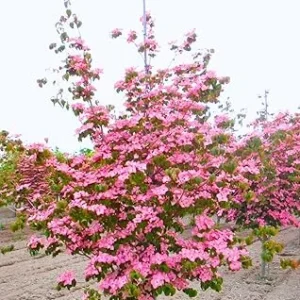
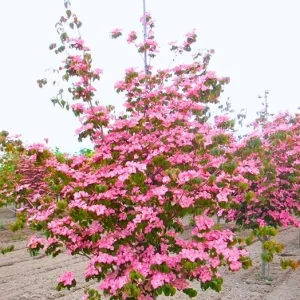
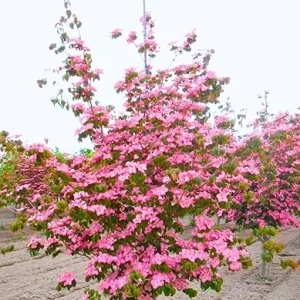
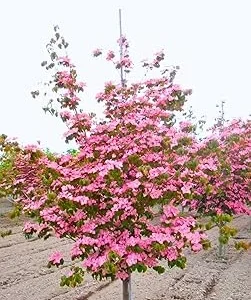
Introduce breathtaking beauty to your landscape with this exquisite pink dogwood tree live plant. Revered for its spectacular spring blossoms, the Pink Dogwood (Cornus florida ‘Rubra’) transforms any garden into a vibrant display of color. This particular specimen arrives as a well-rooted, healthy young plant, standing approximately 6-12 inches tall and nestled in a 2.5-inch pot. It is shipped in its dormant state, which is the ideal time for planting, allowing it to establish itself before the burst of spring growth. The dormant state ensures a smooth transition to your garden, setting the stage for a glorious show of delicate pink flowers.
The Pink Dogwood is a deciduous tree cherished for its distinctive layered branching structure, attractive foliage, and brilliant autumn color in addition to its iconic spring flowers. It’s a classic choice for adding elegance and a touch of native charm to diverse garden settings, from woodland borders to specimen plantings. This specific flowering dogwood tree variant promises to be a focal point, drawing in pollinators and admiring glances alike. Prepare to enjoy years of seasonal interest with this stunning addition.
Key Benefits
Cultivating a pink dogwood tree live plant offers numerous advantages, enriching your outdoor space with both aesthetic appeal and ecological benefits. Here are some of the key benefits you can expect from this beautiful tree:
- Spectacular Spring Blooms: The most significant benefit is the stunning display of vibrant pink flowers that emerge in spring, often before the leaves. These showy, four-petaled flowers create a dramatic visual impact, signaling the arrival of warmer weather and brightening up your garden.
- Year-Round Interest: Beyond its spring blossoms, the Pink Dogwood provides continuous appeal. Its attractive green leaves turn brilliant shades of red and purple in the fall, followed by glossy red berries that provide food for birds, and a unique silhouette in winter.
- Attracts Wildlife: The berries produced by the flowering dogwood tree are a valuable food source for various bird species, while its flowers attract pollinators like bees and butterflies, contributing to a healthy garden ecosystem.
- Versatile Landscape Use: This medium-sized tree is highly versatile, suitable for use as a specimen tree, an understory tree in a woodland garden, or as part of a mixed border. Its graceful form complements many garden styles.
- Durable and Adaptable: Once established, the Pink Dogwood is relatively low-maintenance and tolerant of a range of soil types, provided they are well-draining. It thrives in USDA hardiness zones 5 through 9, making it a robust choice for many regions.
- Enhanced Property Value: Adding a mature, healthy dogwood tree can significantly enhance the curb appeal and overall value of your property, creating a beautiful and established landscape.
- Classic American Tree: The Cornus florida is a beloved native tree to North America, bringing a sense of tradition and natural beauty to your home and garden.
Plant Care & Growing Tips
Caring for your pink dogwood tree live plant ensures it grows into a healthy, magnificent specimen. Proper planting and ongoing care are crucial for its establishment and vibrant display. When you receive your dormant dogwood tree, it’s ready for planting. Choose a site with partial shade to full sun. While it can tolerate full sun, especially in cooler climates, it generally prefers some afternoon shade in hotter regions to protect its leaves from scorching. Aim for at least 4-6 hours of direct sunlight daily for optimal flowering.
The soil should be well-draining, rich in organic matter, and slightly acidic (pH 5.5-6.0). Avoid heavy, compacted, or waterlogged soils, as these can lead to root rot. When planting, dig a hole twice as wide as the root ball but no deeper than the root ball itself. The top of the root ball should be level with or slightly above the surrounding soil. Water thoroughly after planting and keep the soil consistently moist, especially during the first year of establishment. Once established, it is moderately drought-tolerant but will benefit from supplemental watering during dry spells. Mulching around the base of the tree will help retain soil moisture, regulate soil temperature, and suppress weeds.
Fertilize your dogwood in early spring with a balanced, slow-release fertilizer formulated for acid-loving plants. Follow the product instructions carefully to avoid over-fertilization. Pruning is best done in late summer or early fall after flowering, or during dormancy. Remove any dead, damaged, or crossing branches. Avoid heavy pruning, as this can reduce the number of blooms the following spring. Watch out for common issues like powdery mildew or dogwood anthracnose, especially in humid conditions. Ensuring good air circulation and proper watering practices can help prevent these fungal diseases. The cornus florida rubra is a resilient tree when given the right conditions.
Size & Details
This pink dogwood tree live plant is supplied as a well-rooted specimen in a 2.5-inch nursery pot. At the time of shipment, it typically stands between 6-12 inches tall, measured from the soil line. It is shipped in a dormant state, which is optimal for transplanting and encourages robust root development upon arrival. This young tree is ideal for planting in USDA hardiness zones 5 through 9, where it can thrive and reach its mature size. The Pink Dogwood is a moderately fast-growing tree, typically adding 1-2 feet of height per year under ideal conditions. Its mature height can range from 15-30 feet, with a similar spread, creating a beautiful rounded or spreading canopy. Expect the first significant blooms to appear within a few years of planting, becoming more prolific as the tree matures. This flowering dogwood tree is ready to establish itself and bring years of enjoyment.
Frequently Asked Questions
- Q: How big does this plant get? A: This young pink dogwood tree live plant is currently 6-12 inches tall in a 2.5-inch pot. At maturity, it can reach an average height of 15-30 feet with a similar spread, forming a beautiful, rounded canopy.
- Q: Is this an indoor or outdoor plant? A: The Pink Dogwood is an outdoor deciduous tree. It requires a period of dormancy and specific outdoor conditions to thrive and produce its characteristic spring blooms.
- Q: How much sunlight does it need? A: A flowering dogwood tree prefers a location with partial shade to full sun. In hotter climates, some afternoon shade is beneficial to protect the leaves from intense heat, ensuring the best display of flowers and foliage.
- Q: Is this plant easy to care for? A: Once established, the Pink Dogwood is considered relatively low-maintenance. Providing well-draining, acidic soil, consistent moisture during establishment, and proper light conditions will ensure a healthy, thriving tree. This pink dogwood care guide offers essential tips.
- Q: What condition will it arrive in? A: Your dormant dogwood tree will arrive well-rooted in a 2.5-inch pot, in its natural dormant state. This means it may have no leaves, which is normal and healthy for successful transplanting during the appropriate season.
- Q: When is the best time to plant this tree? A: The best time to plant a dormant Pink Dogwood is in early spring or fall. This allows the tree to establish its root system before the stress of summer heat or winter cold.
- Q: Will it survive winter in my zone? A: Yes, the Pink Dogwood is hardy in USDA zones 5 through 9. If you are within these zones, your tree should successfully survive winter and return with beautiful blooms in the spring.
- Q: What is the ideal soil type for a pink dogwood? A: The ideal soil for a cornus florida rubra is well-draining, rich in organic matter, and slightly acidic. Avoid heavy clay soils or areas where water tends to sit.
- Q: How long until it blooms? A: While younger trees might produce some flowers, significant blooming typically begins within a few years of planting, with the display becoming more impressive as the tree matures.
- Q: Are the berries on the Pink Dogwood edible? A: No, the bright red berries of the Pink Dogwood are not suitable for human consumption. They are, however, a valuable food source for birds and other wildlife.


Reviews
There are no reviews yet.