Overview
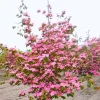
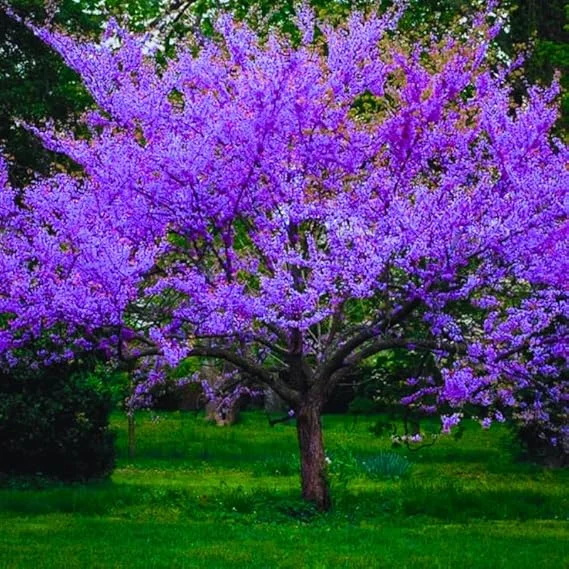
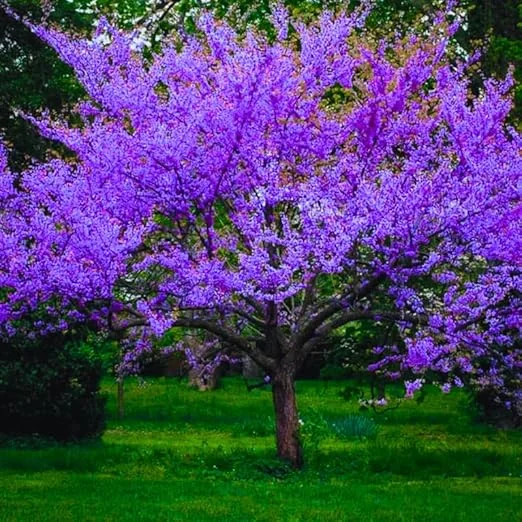
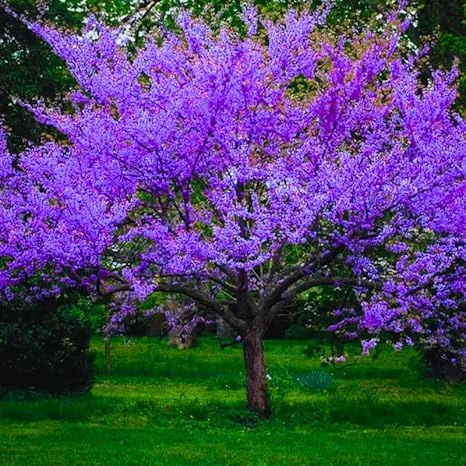
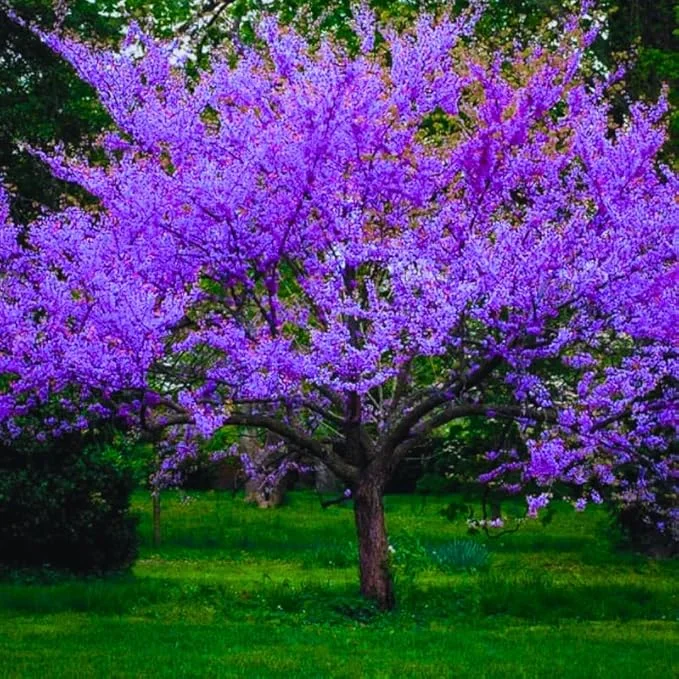
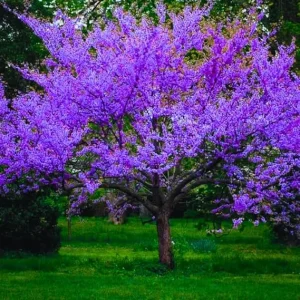
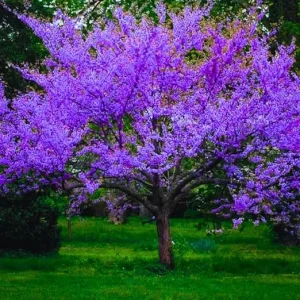
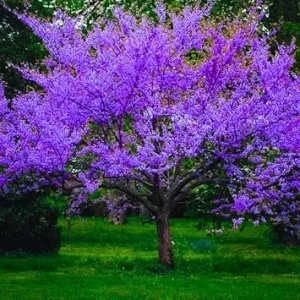
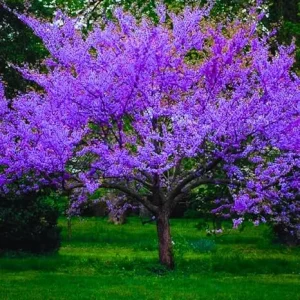
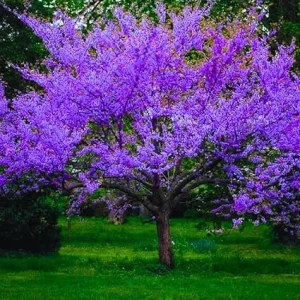
Introduce a touch of vibrant spring beauty to your garden with the cold hardy redbud tree. This magnificent Eastern Redbud (Cercis canadensis) arrives as a 1-2 ft bare root live plant, in its dormant state, perfectly poised for successful establishment. Known for its breathtaking display of purple-pink flowers that emerge directly on its branches before any leaves appear, this tree promises an unforgettable spectacle each spring. The eastern redbud plant is a favorite among gardeners for its resilience and striking visual appeal, making it an excellent choice for a variety of landscape designs.
The Eastern Redbud is a deciduous tree native to eastern North America, celebrated for its heart-shaped leaves that follow the floral display. Its adaptability to various soil types and climates, particularly its impressive cold hardiness, makes it a cornerstone plant for many regions. When you plant a cold hardy redbud tree, you’re not just adding a plant; you’re investing in years of natural elegance and seasonal interest. Its unique growth habit and early spring blooms provide an essential food source for early pollinators, contributing to a healthy ecosystem.
Key Benefits
Choosing the cold hardy redbud tree for your outdoor space offers a multitude of advantages, blending aesthetic appeal with ecological benefits and ease of care. This tree is a true garden gem.
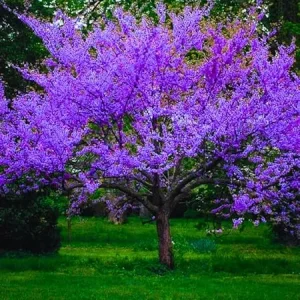
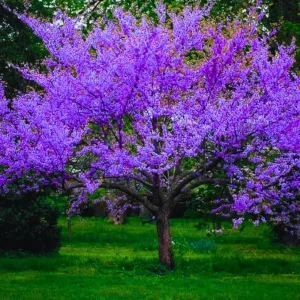
- Spectacular Spring Blooms: Enjoy an explosion of vibrant purple-pink flowers in early spring, transforming your landscape with a captivating display before other trees begin to leaf out. These unique blooms are a hallmark of the eastern redbud plant.
- Excellent Cold Hardiness: Thrives across a wide range of climates, specifically USDA Zones 4 to 9, ensuring resilience against cold winters and making it a reliable choice for temperate regions.
- Attracts Pollinators: The early spring flowers provide a crucial nectar source for bees and other beneficial pollinators, supporting local wildlife and enhancing garden biodiversity.
- Year-Round Interest: Beyond its stunning spring flowers, the tree offers attractive heart-shaped leaves in summer, often turning yellow in fall, providing continuous visual appeal throughout the seasons.
- Low Maintenance: Once established, this redbud requires minimal care, making it suitable for both experienced gardeners and those new to tree planting. Its natural vigor contributes to its ease of care.
- Versatile Landscape Use: Ideal as a specimen tree, in groupings, or along woodland edges, its moderate size and attractive form fit well into various garden designs and spaces.
- Bare Root Advantage: Ships as a dormant bare root plant, which typically leads to stronger root development and faster establishment once planted, ensuring a healthy start for your new tree.
Plant Care & Growing Tips
Proper care is essential for your cold hardy redbud tree to flourish and provide years of beautiful blooms. The Eastern Redbud is generally low-maintenance, but understanding its specific needs will ensure optimal growth. When planting your dormant redbud bare root, select a site with full sun to partial shade. Full sun (6+ hours of direct sunlight) will result in the most prolific flowering, while partial shade (4-6 hours of sun, especially afternoon shade in hot climates) can help protect the leaves from scorching. Ensure the planting hole is twice as wide as the root spread and just deep enough so the root flare is at or slightly above ground level. Spread the roots out evenly before backfilling with soil.
For soil, the Eastern Redbud prefers well-draining soil. It can tolerate a range of soil types, including clay, loam, and sand, but performs best in moist, fertile, slightly acidic to neutral soil. Avoid planting in areas with consistently wet or waterlogged soil, as this can lead to root rot. After planting, water thoroughly to settle the soil around the roots. During its first growing season, consistent watering is crucial, especially during dry periods. Aim for about an inch of water per week, either from rainfall or irrigation. Once established, the tree is moderately drought-tolerant but will benefit from supplemental watering during extended dry spells. Fertilization is generally not necessary in the first year if planted in fertile soil, but an annual application of a balanced, slow-release fertilizer in early spring can promote vigorous growth in subsequent years. Minimal pruning is typically required, mainly to remove dead, damaged, or crossing branches. The best time for pruning is in late winter or early spring before new growth begins.
Size & Details
This offering is for cold hardy redbud tree live plants, typically measuring 1-2 feet in height upon arrival. These are bare root Eastern Redbud trees, meaning they will arrive without soil or a pot, in a dormant state. This method of shipping is highly effective for establishing strong root systems in their new environment. The plants are carefully selected to ensure vigorous growth potential.
The mature size of an eastern redbud plant can vary, typically reaching 20-30 feet tall with a similar spread, forming a beautiful, rounded canopy. Its growth rate is moderate, adding about 13-24 inches per year. Expect your tree to begin producing its characteristic purple-pink blooms within 2-3 years after planting, with a more substantial display as it matures. These trees are known for their resilience and adaptability, offering a long-lasting addition to your garden.
Frequently Asked Questions
- Q: How big does this plant get? A: This cold hardy redbud tree typically arrives 1-2 feet tall. At maturity, it can reach heights of 20-30 feet with a similar spread, forming a lovely, rounded shape.
- Q: Is this an indoor or outdoor plant? A: The Eastern Redbud is an outdoor tree, well-suited for landscaping in gardens, yards, and parks. It is not intended for indoor cultivation.
- Q: How much sunlight does it need? A: This tree thrives in full sun to partial shade. For the best flowering display, aim for at least 6 hours of direct sunlight per day. Afternoon shade is beneficial in hotter climates.
- Q: Is this plant easy to care for? A: Yes, the cold hardy redbud tree is considered low-maintenance once established. It requires consistent watering during its first year but becomes quite resilient afterward, making it suitable for beginners.
- Q: What condition will it arrive in? A: Your redbud will arrive as a bare root plant, meaning it is dormant and will not have leaves or a pot. This is a normal and healthy state for planting.
- Q: How long until it blooms? A: While young, your eastern redbud plant may begin to show some blooms within 2-3 years after planting, with more significant flowering as it matures and establishes its root system.
- Q: Will it survive winter in my zone? A: Yes, this redbud is cold hardy and thrives in USDA Zones 4 to 9, making it capable of withstanding cold winter temperatures within this range.
- Q: What’s the best time to plant a dormant redbud bare root? A: The ideal time to plant a dormant redbud bare root is in early spring, as soon as the soil can be worked, but before the tree breaks dormancy. Fall planting is also an option in milder climates.
- Q: What type of soil is best for redbud trees? A: Redbuds prefer well-draining soil that is moist and fertile. They can tolerate various soil types but avoid areas with poor drainage to prevent root issues.
- Q: Are the flowers on the redbud tree edible? A: Yes, the flowers of the Eastern Redbud are edible and have a slightly tart, pleasant flavor. They can be used in salads or as a garnish.


Reviews
There are no reviews yet.