Overview
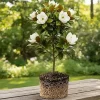
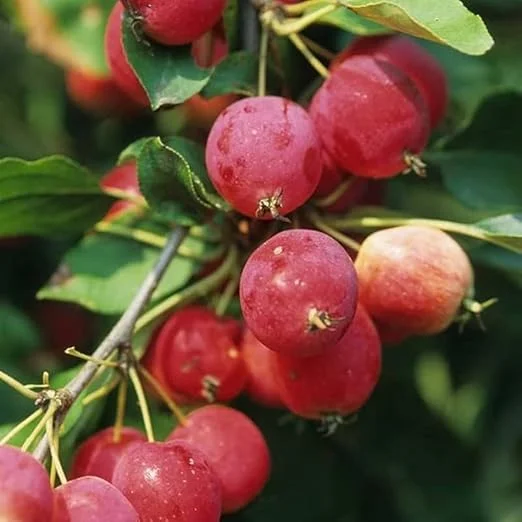
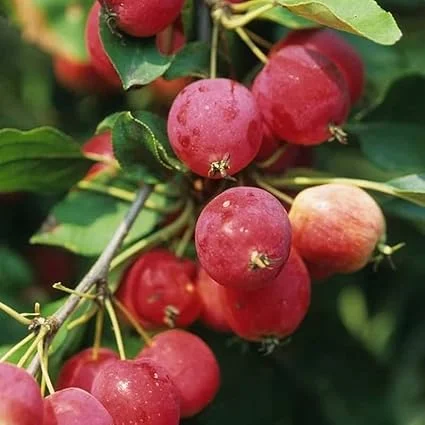
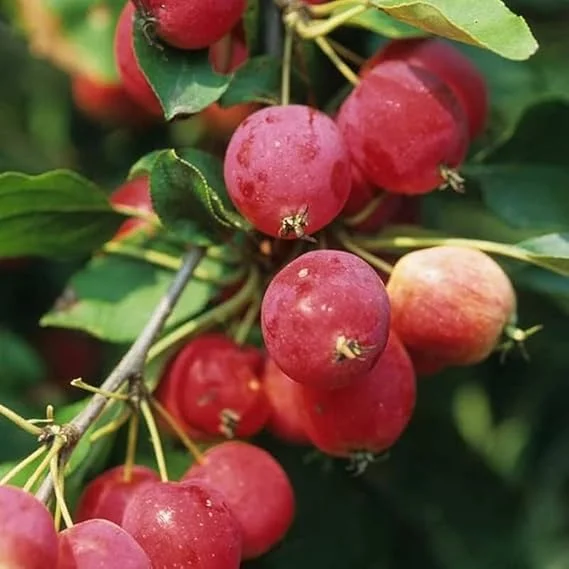
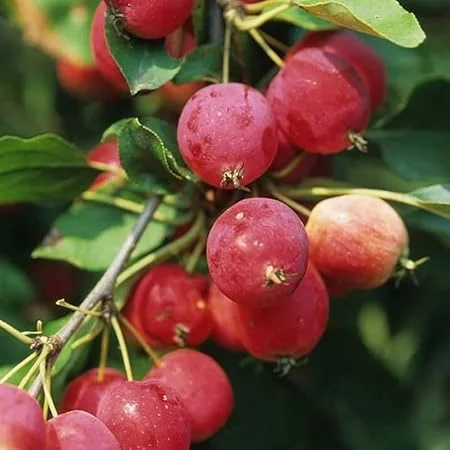
Transform your outdoor space with a stunning crabapple tree live plant. These vibrant 6 to 12-inch seedlings offer a captivating display of color and fragrance throughout the seasons. Known for their resilience and striking aesthetic appeal, crabapple trees are a favorite among gardeners for their manageable size and spectacular flowering. This particular specimen is a flowering crabapple tree, promising a profusion of delicate white blossoms that will enchant your garden every spring. Often reaching a mature height of 8 to 12 feet, it serves as an excellent focal point or a charming addition to a mixed border. Cultivating a crabapple seedling is a rewarding experience, bringing long-lasting beauty and attracting beneficial pollinators to your yard.
Crabapple trees (Malus spp.) are deciduous trees cherished for their ornamental value. They provide year-round interest, from their showy spring flowers and lush summer foliage to their small, colorful fruits in autumn and interesting bark patterns in winter. This live plant is ready for planting and will establish quickly in suitable conditions, offering a delightful visual and olfactory experience for many years to come. Whether you’re an experienced gardener or just starting, learning how to grow crabapple tree can be a fulfilling endeavor.
Key Benefits
Adding a crabapple tree live plant to your landscape offers a multitude of advantages, enhancing both the beauty and ecological value of your property. These trees are highly prized for their ornamental qualities and ease of care.
- Spectacular Spring Blooms: Enjoy an explosion of fragrant white blossoms in mid-May, creating a breathtaking display that signals the arrival of spring. The abundant flowers are a significant draw for pollinators and add immense curb appeal.
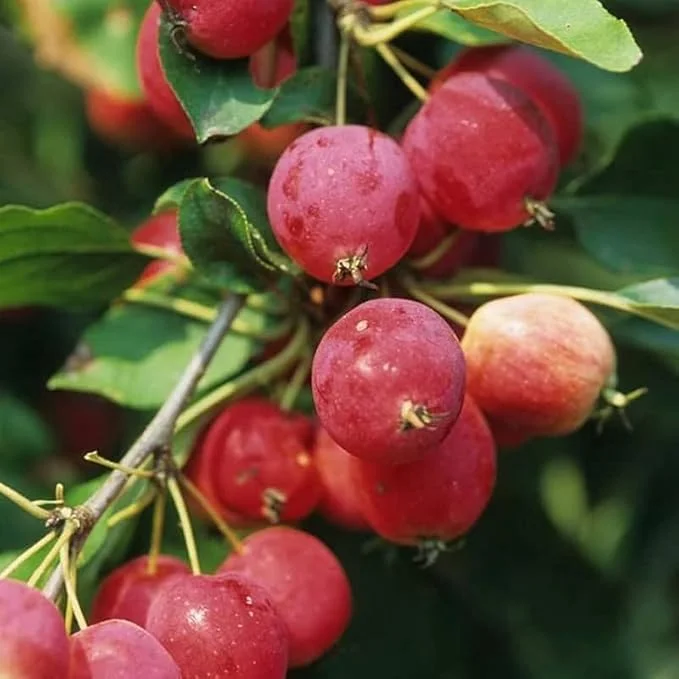
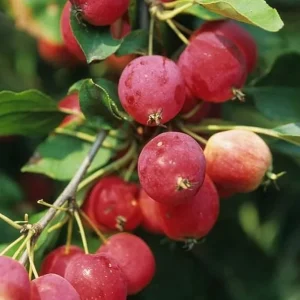
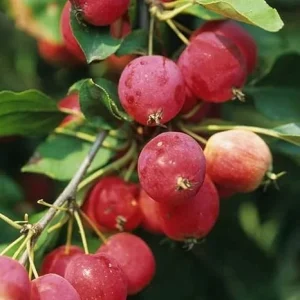
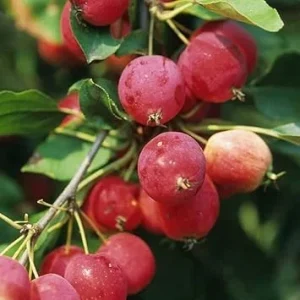
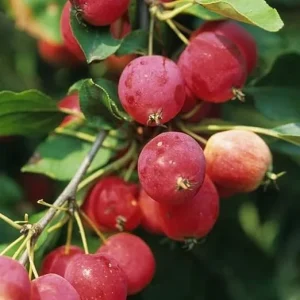
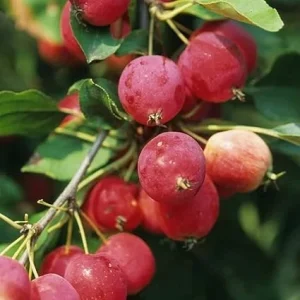
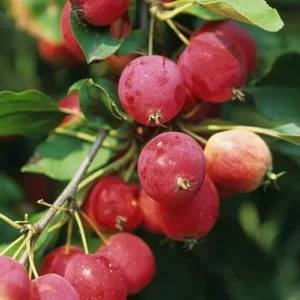
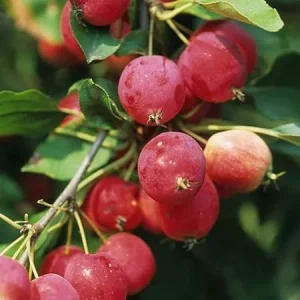
- Attractive Fall Foliage & Fruit: Beyond the flowers, crabapple trees provide vibrant fall color and small, persistent fruits that add visual interest long after the leaves have dropped. These fruits are also a valuable food source for local wildlife, making it a great flowering crabapple tree for biodiversity.
- Compact & Manageable Size: With a mature height typically ranging from 8 to 12 feet, this crabapple seedling is an ideal choice for smaller gardens or as an understory tree in larger landscapes, fitting well without overwhelming the space.
- Hardy & Adaptable: These trees are remarkably robust and can thrive in a wide range of climates, specifically USDA hardiness zones 3-9, making them a versatile choice for many regions across the US.
- Pollinator Magnet: The abundant spring flowers are a vital nectar source for bees, butterflies, and other beneficial pollinators, contributing to the health of your local ecosystem.
- Low Maintenance: Once established, crabapple trees require minimal care, making them an excellent choice for gardeners looking for high impact with less effort. This makes them an ideal ornamental tree for garden settings.
- Year-Round Interest: From spring flowers to summer greenery, fall fruit and color, and winter structure, a crabapple tree live plant provides visual appeal throughout every season.
Plant Care & Growing Tips
Ensuring your crabapple tree live plant thrives involves understanding its basic needs for sunlight, water, and soil. Crabapples are generally forgiving trees, but providing optimal conditions will lead to the most vigorous growth and abundant blooms. For successful establishment of your crabapple seedling, choose a site with ample sunlight. This tree prefers full sun, meaning at least 6 hours of direct sunlight per day. Adequate light is crucial for prolific flowering and good fruit set. When considering how to grow crabapple tree, site selection is paramount.
Watering is important, especially during the first year after planting. Keep the soil consistently moist but not waterlogged. Deep watering once or twice a week is generally more beneficial than shallow, frequent watering, as it encourages deeper root growth. Once established, crabapple trees are moderately drought tolerant but will benefit from supplemental watering during prolonged dry spells. The soil should be well-draining, with a slightly acidic to neutral pH (6.0-7.0). Amend heavy clay soils with organic matter to improve drainage and aeration. A good quality, loamy garden soil is ideal for a healthy flowering crabapple tree.
Crabapples are hardy in USDA zones 3-9, tolerating a wide range of temperatures. Fertilize your ornamental tree for garden in early spring before new growth appears, using a balanced slow-release fertilizer formulated for trees and shrubs. Follow package directions for application rates. Pruning is best done in late winter or early spring while the tree is dormant, focusing on removing dead, damaged, or crossing branches to maintain a strong structure and open canopy. This also helps improve air circulation and light penetration, reducing the risk of disease. Regularly inspect the tree for signs of pests or diseases and address them promptly.
Size & Details
This offering is for a vibrant crabapple tree live plant, specifically a crabapple seedling measuring approximately 6 to 12 inches in height. These young plants are an excellent starting point for cultivating a beautiful ornamental tree in your garden. They are shipped as young, live specimens, ready for planting upon arrival. The mature height of this particular flowering crabapple tree is expected to be between 8 to 12 feet, making it a perfect mid-sized tree for various landscape designs. Its growth rate is moderate, allowing you to enjoy its development over several seasons. The tree will produce stunning white fragrant blossoms in mid-May each year once it reaches maturity. It is suitable for planting in USDA hardiness zones 3-9.
The plant will arrive carefully packaged to ensure its health and vitality during transit. It is a single unit count, providing one healthy ornamental tree for garden planting. While specific pot size for shipping may vary, the plant is adequately sized for immediate transplanting into your garden or a larger container if you prefer to grow it out before permanent placement. Expect this crabapple tree live plant to begin truly making an impact in your landscape within its first few years of establishment, with its full splendor of blooms and mature form developing over 3-5 years.
Frequently Asked Questions
- Q: How big does this crabapple tree live plant get? A: This crabapple tree live plant is a seedling measuring 6 to 12 inches tall upon arrival. When mature, this variety typically reaches a height of 8 to 12 feet, making it a medium-sized ornamental tree suitable for most gardens.
- Q: Is this an indoor or outdoor plant? A: This is an outdoor flowering crabapple tree. It is a deciduous tree that requires a period of dormancy and is best suited for planting directly in the ground in your garden or landscape.
- Q: How much sunlight does this crabapple seedling need? A: This crabapple seedling thrives in full sun, meaning it requires at least 6 hours of direct sunlight per day. Ample sunlight is crucial for healthy growth and abundant flowering.
- Q: Is this plant easy to care for? A: Yes, crabapple trees are generally considered low-maintenance once established. They are hardy and adaptable, making them a good choice for gardeners of all experience levels. Learning how to grow crabapple tree is straightforward.
- Q: What condition will the crabapple tree live plant arrive in? A: Your crabapple tree live plant will arrive as a healthy 6 to 12-inch seedling, carefully packaged to ensure its vitality and readiness for planting upon arrival.
- Q: When is the best time to plant this ornamental tree for garden? A: The best time to plant a crabapple tree is in early spring or fall when temperatures are moderate. This allows the plant to establish its root system before the stress of extreme summer heat or winter cold.
- Q: Will this crabapple tree survive winter in my zone? A: This ornamental tree for garden is hardy in USDA zones 3-9. If your region falls within these zones, the tree is well-adapted to survive winter conditions.
- Q: What color are the flowers on this flowering crabapple tree? A: This particular flowering crabapple tree variety produces beautiful, fragrant white blossoms in mid-May, adding a stunning visual element to your spring garden.
- Q: What type of soil is best for a crabapple tree? A: Crabapple trees prefer well-draining soil with a slightly acidic to neutral pH. Amending heavy clay soils with organic matter can improve drainage and provide better growing conditions for your crabapple tree live plant.
- Q: How tall will this crabapple seedling grow? A: This crabapple seedling is expected to mature into a tree standing between 8 to 12 feet tall, offering a lovely vertical element without becoming overly large.


Reviews
There are no reviews yet.