Overview
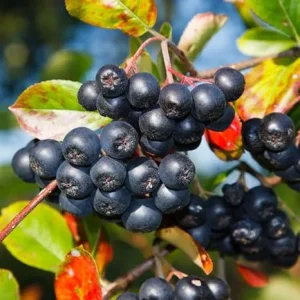
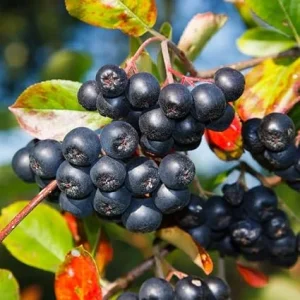
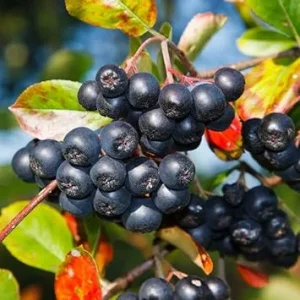
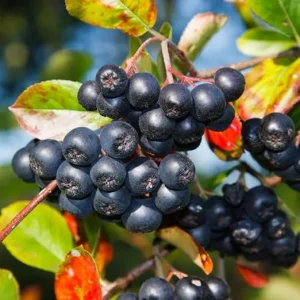
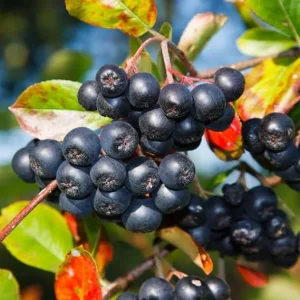
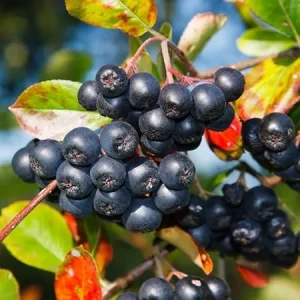
Introduce a truly versatile and resilient addition to your garden with our premium chokeberry live plant. This remarkable shrub, often known as Aronia berry, offers an exceptional combination of ornamental beauty and practical benefits. Growing to a mature height of 3-8 feet, this perennial plant is delivered as a 6-12 inch tall specimen, ready to establish itself in your landscape. The chokeberry live plant is celebrated for its multi-season appeal, starting with delicate white flowers in spring, followed by an abundance of dark, nutritious berries in summer, and culminating in a spectacular display of orange-red foliage in the fall. This hardy shrub is an excellent choice for gardeners seeking a low-maintenance, high-impact plant that thrives in various conditions and provides year-round interest.
Whether you’re looking to create a vibrant hedge, add structure to a mixed border, or cultivate your own source of healthy berries, the chokeberry plant is an ideal selection. Its adaptability and cold hardiness make it suitable for a wide range of climates, particularly in USDA Zones 3-8. Even arriving leafless in winter, this robust plant promises to burst with life and color as the seasons change, transforming your outdoor space into a dynamic and productive environment. Discover the joy of growing your own Aronia berries and enhancing your garden’s aesthetic with this durable and beautiful shrub.
Key Benefits
The chokeberry live plant is a powerhouse of benefits, combining aesthetic appeal with ecological value and nutritional bounty. Its robust nature and attractive features make it a standout choice for any garden:
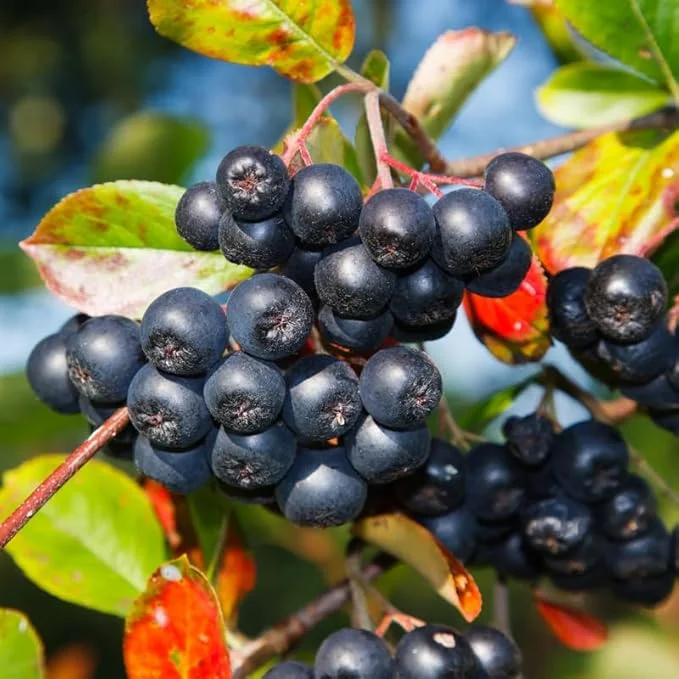
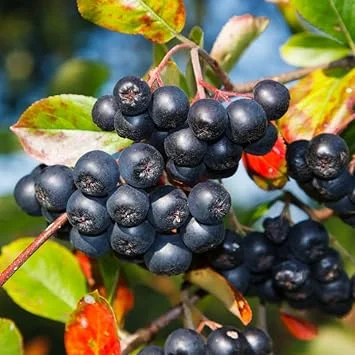
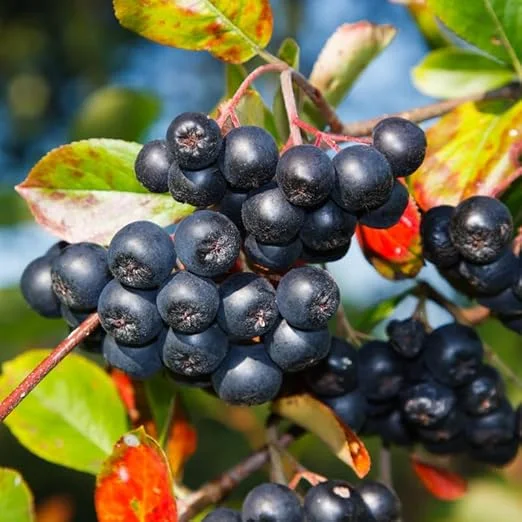
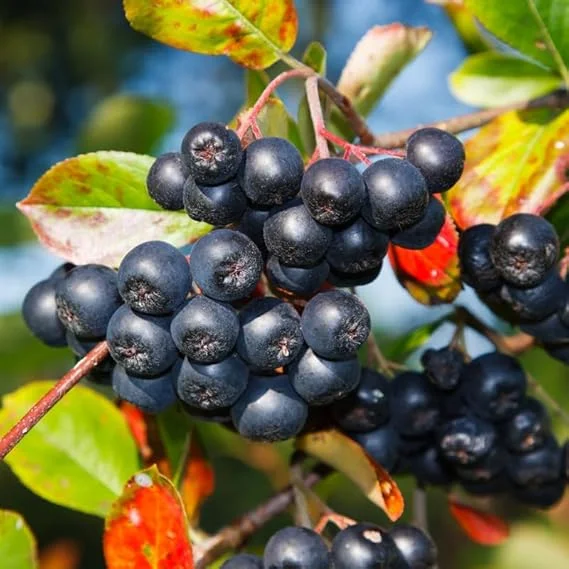
- Multi-Season Visual Interest: Enjoy a continuous show of beauty from spring to fall. Fragrant white flowers emerge in spring, followed by clusters of dark berries in summer, and finally, a breathtaking transformation to orange-red fall foliage. This ensures your garden remains vibrant throughout the year.
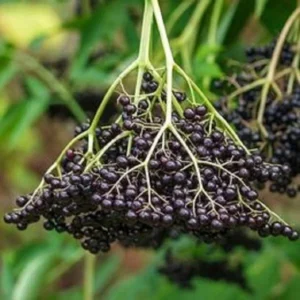
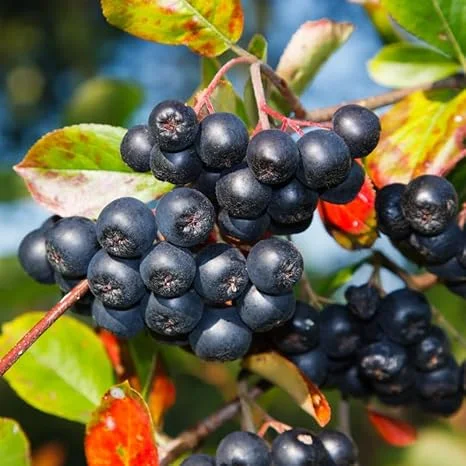
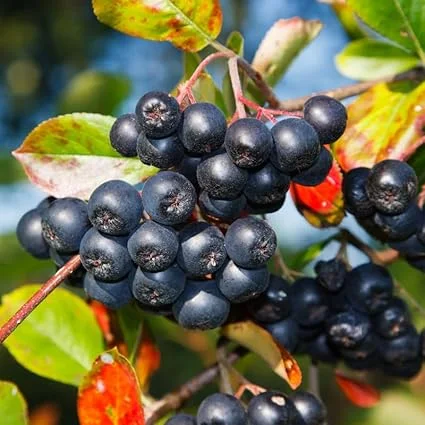
- Edible & Nutritious Berries: The summer berries are not only visually appealing but also highly nutritious. Rich in antioxidants, these black berries can be used in jams, jellies, juices, or eaten fresh, offering a healthy and delicious harvest from your own backyard.
- Compact & Versatile Shrub Form: With a typical growth habit of 3–8 feet tall, this shrub is perfect for various landscape applications. Use it to create attractive hedges, establish berry patches, define borders, or integrate it into mixed landscape designs for added texture and color.
- Exceptional Cold Hardiness: This perennial chokeberry is incredibly resilient, thriving in USDA Zones 3–8. This wide hardiness range means it can withstand harsh winter conditions, making it a reliable choice for many regions across the United States.
- Low Maintenance & Adaptable: Once established, the chokeberry plant requires minimal care, making it an excellent option for busy gardeners or those new to planting. It adapts well to various soil types, preferring moist, well-drained conditions, and can tolerate both full sun and partial shade.
- Wildlife Attraction: The berries provide a valuable food source for local birds and other wildlife, adding ecological richness to your garden and promoting biodiversity.
- Drought Tolerance: While preferring consistent moisture, established chokeberry plants demonstrate good drought tolerance, reducing the need for constant watering during drier periods.
Plant Care & Growing Tips
Caring for your chokeberry live plant is straightforward, making it an excellent choice for both novice and experienced gardeners. To ensure your shrub thrives and produces an abundance of berries and beautiful foliage, consider these essential care guidelines. This plant is known for its resilience and adaptability, demonstrating why it’s such a popular choice for sustainable landscapes and edible gardens. Understanding the specific needs of your chokeberry live plant will lead to a healthy and productive specimen for years to come.
Sunlight Requirements: Chokeberry plants perform best in full sun, meaning at least 6 hours of direct sunlight per day. While they can tolerate partial shade, too little sun may result in fewer berries and less vibrant fall color. For optimal growth and fruit production, select a site that receives ample sunlight throughout the day. Watering Schedule & Soil Moisture: Water regularly, especially during dry spells and the plant’s establishment period. Chokeberries prefer moist, well-drained soil. Avoid waterlogging, as this can lead to root rot. Once established, they are somewhat drought-tolerant but will benefit from consistent moisture. Soil Type & Drainage: This shrub is adaptable to a variety of soil types but thrives in well-drained, slightly acidic to neutral soil. Amending heavy clay soils with organic matter can improve drainage and aeration, providing an ideal environment for root development. Temperature Range & USDA Hardiness Zone: The chokeberry is exceptionally cold-hardy, suitable for USDA Zones 3–8. It can withstand very low winter temperatures, making it a robust choice for temperate climates. Fertilization Schedule: Fertilize in early spring with a balanced, slow-release granular fertilizer or compost to support vigorous growth and fruit development. Avoid over-fertilizing, which can promote leafy growth at the expense of berries. Common Problems & Solutions: Chokeberry plants are generally pest and disease resistant. Occasional issues might include leaf spot or powdery mildew, which can often be managed with good air circulation and appropriate fungicides if severe. Proper pruning helps maintain plant health and vigor.
Size & Details
This offering is for one chokeberry live plant, which will arrive at a height of approximately 6-12 inches. While it may appear leafless if shipped during its dormant winter period, this is a normal state for a hardy perennial and indicates a healthy, resting plant ready to burst forth in spring. The plant is typically shipped rooted in a small nursery pot to ensure its safe transit and easy establishment. Expect this compact shrub to grow to a mature size of 3–8 feet tall and 3–6 feet wide, forming a dense and attractive specimen. The growth rate is moderate, allowing it to establish quickly while remaining manageable in the landscape. This black chokeberry shrub will begin producing berries within 1-2 years of planting, with increasing yields as it matures. The vibrant fall foliage typically develops in late autumn, offering a final spectacular display before winter dormancy.
Frequently Asked Questions
- Q: What size will this chokeberry live plant arrive? A: Your chokeberry live plant will arrive approximately 6-12 inches tall. It is shipped in a dormant state during winter, meaning it may be leafless, which is completely normal for this hardy perennial.
- Q: Is this an indoor or outdoor plant? A: The chokeberry plant is primarily an outdoor shrub. It requires seasonal changes and sufficient space to grow to its mature size of 3-8 feet tall, making it unsuitable for indoor cultivation.
- Q: How much sunlight does a chokeberry plant need? A: For optimal growth, berry production, and fall color, the chokeberry plant needs full sun, which means at least 6 hours of direct sunlight daily. It can tolerate partial shade, but performance may be reduced.
- Q: Is this plant easy to care for, especially for beginners? A: Yes, the chokeberry is considered a very low-maintenance and hardy plant. It’s an excellent choice for beginners due to its adaptability to various soils and its resilience to pests and diseases. Minimal chokeberry plant care is required once established.
- Q: What condition will the plant arrive in? A: The plant will arrive healthy and well-packaged, typically in a small nursery pot. If ordered during colder months, it will be dormant and leafless, ready to sprout new growth in spring.
- Q: When is the best time to plant a chokeberry? A: The best times to plant a chokeberry are in the spring after the last frost or in early fall, allowing the roots to establish before extreme temperatures.
- Q: What USDA hardiness zones is this chokeberry suitable for? A: This chokeberry is very cold-hardy and thrives in USDA Zones 3–8, making it suitable for a wide range of climates across the United States.
- Q: Can the berries from this plant be eaten? A: Yes, the black berries produced by this aronia berry plant are edible. They are quite tart when fresh but are excellent for making jams, jellies, juices, and baked goods due to their high antioxidant content.
- Q: How tall does a black chokeberry shrub typically grow? A: A mature black chokeberry shrub typically grows to a height of 3–8 feet, with a similar spread. Its compact form makes it versatile for various garden applications.
- Q: What type of soil does a chokeberry prefer? A: Chokeberries prefer moist, well-drained soil. They are adaptable but perform best in slightly acidic to neutral soil conditions. Good drainage is crucial to prevent root issues.


Reviews
There are no reviews yet.