Overview
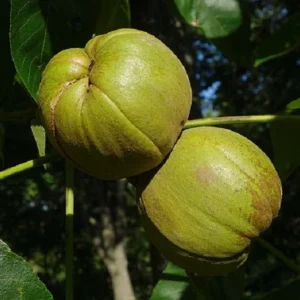
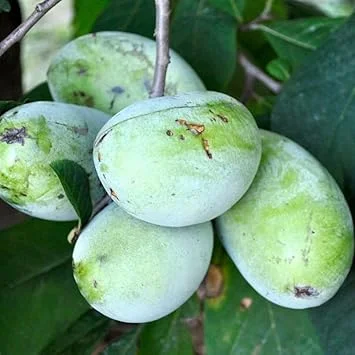
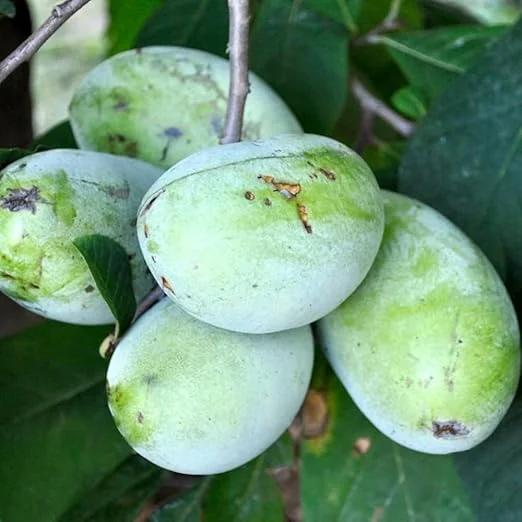
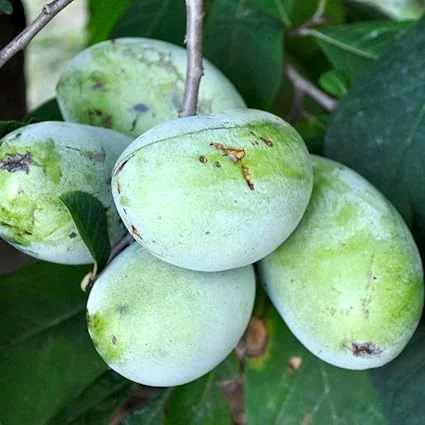
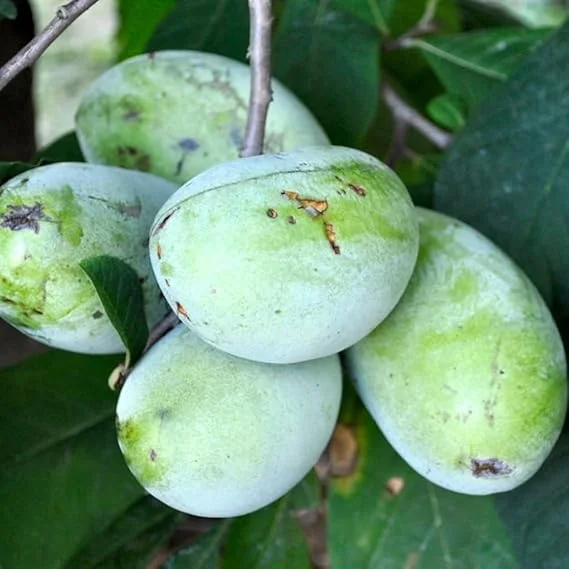
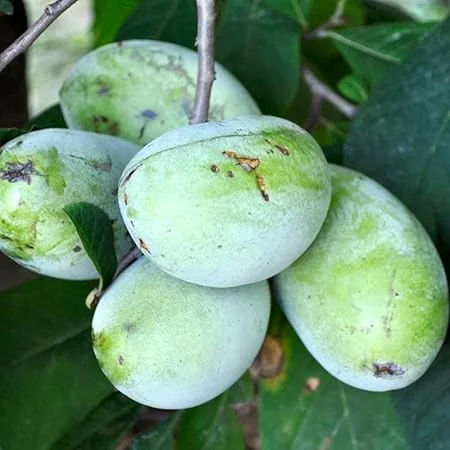
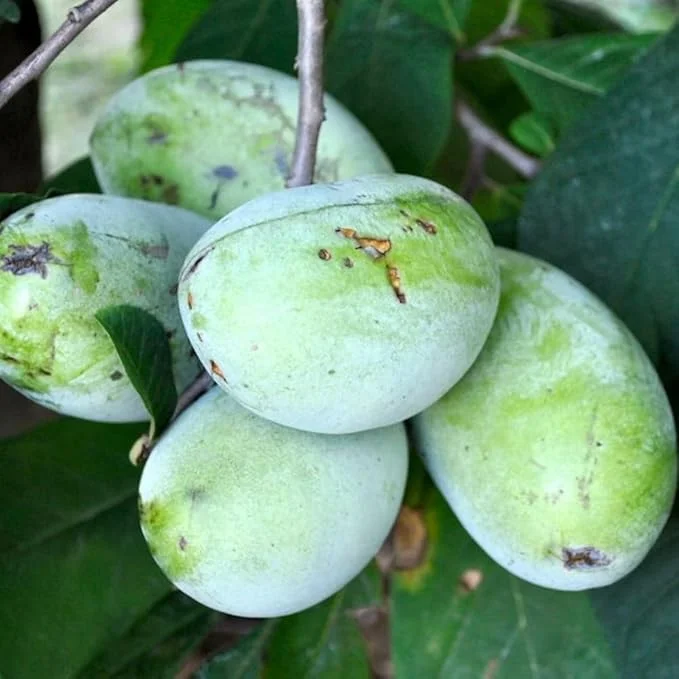
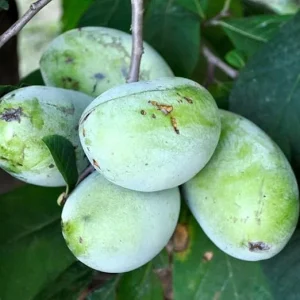
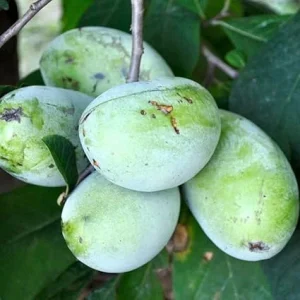
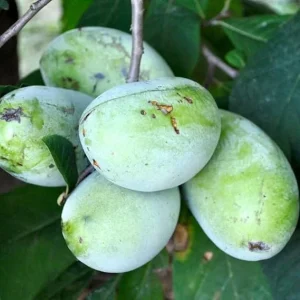
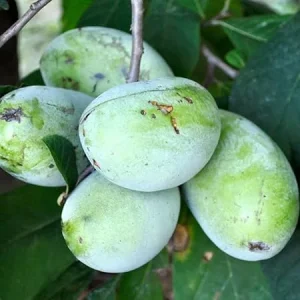
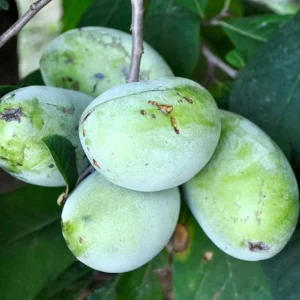
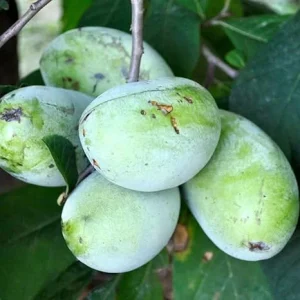
Embark on a rewarding gardening journey with our offering of 2 pawpaw trees live plants. These unique and often underestimated native fruit trees are provided as dormant bare root seedlings, typically measuring between 6 to 12 inches in height, making them ideal for establishment in your garden or orchard. The pawpaw (Asimina triloba) is North America’s largest native edible fruit, often described as a tropical-tasting fruit with hints of banana, mango, and pineapple. These hardy trees are renowned for their resilience and ability to thrive in various outdoor conditions, eventually yielding delicious, creamy fruit. Growing a pawpaw fruit tree adds both an ornamental and productive element to any landscape, providing shade and delectable treats for years to come.
Our pawpaw seedlings are carefully selected to ensure a strong start for your future fruit production. They are shipped dormant, which is the optimal time for planting bare root trees, allowing them to acclimate and develop robust root systems before the growing season fully begins. With minimal care, these young trees will establish themselves, promising a future harvest of unique and flavorful pawpaw fruit. Discover the joy of cultivating this exceptional native American fruit in your own backyard.
Key Benefits
Investing in pawpaw trees live plants offers numerous advantages for both the home gardener and the environment. These native fruit trees are not only a source of delicious, healthy fruit but also contribute to local ecosystems. You’ll soon discover why more and more gardeners are choosing to grow pawpaw tree varieties.
- Unique Fruit Production: Enjoy the exotic flavor of pawpaw fruit, often compared to a blend of banana, mango, and pineapple, right from your own garden.
- Native and Hardy: As a native North American species, these trees are naturally adapted to local climates, making them relatively low-maintenance and resilient to common pests and diseases.
- Ecological Value: Pawpaw trees support local wildlife, serving as a host plant for the zebra swallowtail butterfly and providing food for various animals.
- Ornamental Appeal: Beyond their fruit, pawpaw trees offer attractive foliage and a unique growth habit, adding aesthetic value to your landscape.
- Easy Establishment: Shipped as bare root pawpaw seedlings, they are designed for easy planting and quick establishment, allowing for a smooth transition into your garden.
- Cold-Hardy: These trees are known for their cold tolerance, making them suitable for a wide range of climates where many other fruit trees might struggle.
- Sustainable Gardening: By growing native plants like the pawpaw fruit tree, you contribute to biodiversity and sustainable gardening practices.
Plant Care & Growing Tips
Caring for your pawpaw trees live plants is straightforward, especially when they are established from dormant bare root seedlings. Proper care in the initial years will ensure a healthy and productive pawpaw fruit tree. Pawpaws prefer moist, well-drained soil, rich in organic matter. They are adaptable but thrive best when their specific needs are met. During the first year, consistent watering is crucial to help the young trees establish their root systems. Ensure the soil remains evenly moist but not waterlogged.
For sunlight exposure, young pawpaw seedlings actually prefer partial shade for their first 1-2 years, as direct full sun can scorch their tender leaves. Once established, they can tolerate full sun, which is often beneficial for fruit production, though they will still perform well in partial shade. Fertilize sparingly in the first year with a balanced, slow-release fertilizer. Protect young trees from deer and other browsing animals, as they can cause significant damage. Pruning requirements are minimal, focusing on removing dead or damaged branches and shaping the tree for good air circulation. Understanding how to grow pawpaw tree effectively ensures a bountiful harvest.
Size & Details
This offering includes 2 pawpaw trees live plants, provided as dormant bare root pawpaw seedlings. Each seedling measures approximately 6 to 12 inches in height upon arrival, which is an ideal size for successful transplanting and establishment. These trees are hardy and adaptable, known for their ability to thrive in various outdoor environments. When mature, a pawpaw fruit tree can reach heights of 15-30 feet, with a spread of 15-20 feet, forming a pyramidal shape. They are relatively slow-growing initially but pick up pace once established. Fruit production typically begins 3-5 years after planting, depending on growing conditions and care. The trees are shipped without soil or leaves, in their dormant state, optimizing their health for transit and planting.
Frequently Asked Questions
- Q: How tall are the pawpaw trees when they arrive? A: The pawpaw trees live plants you receive will be dormant bare root seedlings, typically measuring between 6 to 12 inches tall, ready for immediate planting.
- Q: Is this an indoor or outdoor plant? A: Pawpaw trees are outdoor plants, hardy and resilient, best suited for planting in gardens, orchards, or naturalized areas where they can grow to their full potential as a pawpaw fruit tree.
- Q: How much sunlight do pawpaw trees need? A: Young pawpaw seedlings prefer partial shade for their first 1-2 years. Once established, they can tolerate full sun to partial shade, with full sun generally leading to better fruit production.
- Q: What condition will the bare root pawpaw seedlings arrive in? A: Your bare root pawpaw seedlings will arrive dormant, meaning they will not have leaves or soil. This is the optimal condition for transplanting and ensures a healthy start.
- Q: How long until my pawpaw tree produces fruit? A: Typically, a pawpaw fruit tree will begin to produce fruit 3-5 years after planting, though this can vary based on growing conditions and specific care.
- Q: Is it difficult to grow pawpaw trees? A: Learning to grow pawpaw tree is relatively easy once you understand their basic needs. They are quite hardy and adaptable, making them a good choice for many gardeners.
- Q: What kind of soil is best for pawpaw trees? A: Pawpaws prefer moist, well-draining soil that is rich in organic matter. A slightly acidic to neutral pH is ideal for optimal growth.
- Q: Will these pawpaw trees survive winter in my zone? A: Pawpaw trees are known for their cold hardiness and are generally suitable for USDA Zones 5-9. They require a period of cold dormancy to produce fruit.
- Q: How do I plant bare root pawpaw seedlings? A: Dig a wide hole, create a small mound of soil in the center, spread the roots over the mound, and backfill with soil. Water thoroughly and keep the soil moist.
- Q: Do I need more than one pawpaw tree for fruit? A: While some pawpaw varieties are self-fertile, cross-pollination from at least two genetically different pawpaw trees live plants is highly recommended for optimal fruit production.


Reviews
There are no reviews yet.