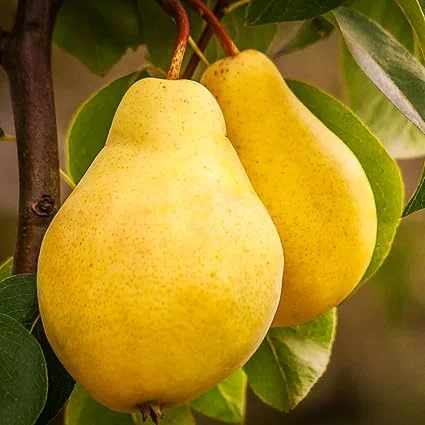
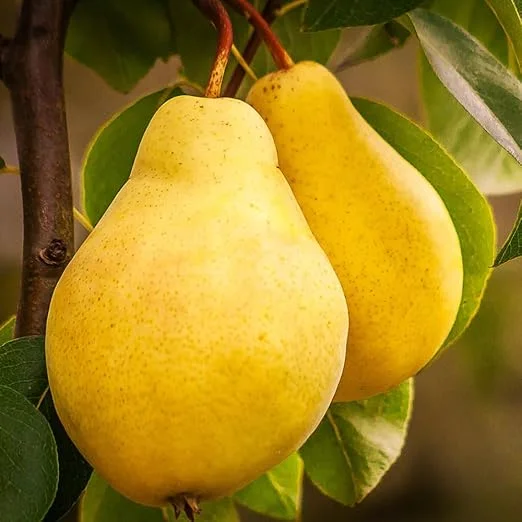
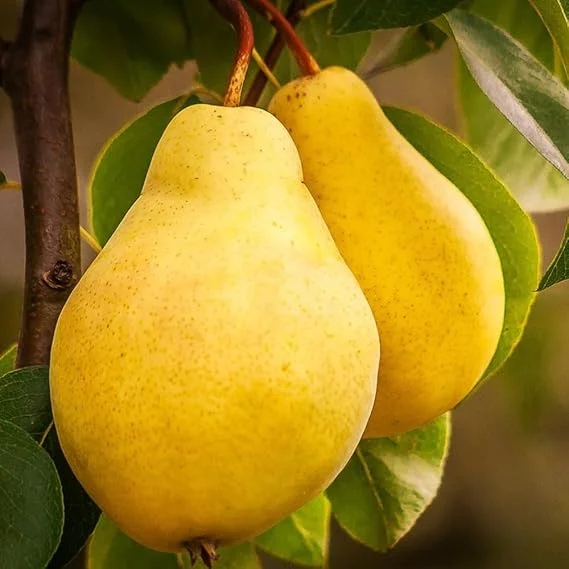
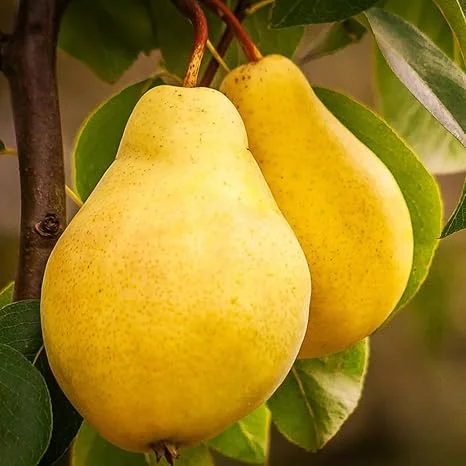
Overview
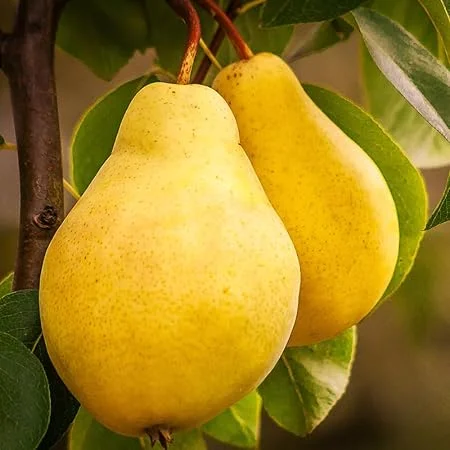
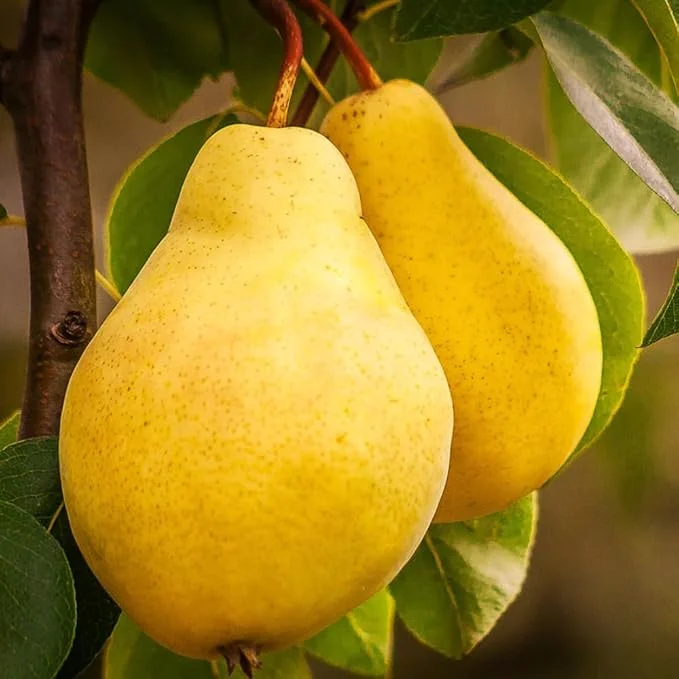
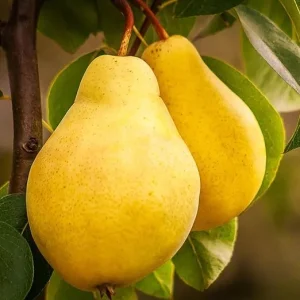
Embark on the rewarding journey of growing your own fruit with this exceptional live pear tree. This young pear tree seedling arrives ready for planting, typically measuring around 8-10 inches tall, providing a fantastic starting point for your home orchard or garden. Pear trees are cherished for their delicious fruit and ornamental value, making them a popular choice for both experienced gardeners and beginners alike. Known for their robust nature and cold tolerance, these trees are a reliable addition to many landscapes. This particular specimen is a hardy fruit tree, well-suited for a variety of climates and designed to thrive outdoors. Imagine harvesting your own fresh, sweet pears right from your backyard!
The journey from a small seedling to a fruit-bearing tree is incredibly satisfying. This live pear tree will transition from dormancy in winter to leaf out beautifully in spring and summer, eventually offering a bountiful harvest. Planting a pear tree is an investment in your landscape and your future enjoyment of homegrown produce. With proper care, this tree will establish itself and grow into a magnificent specimen, providing shade, beauty, and sustenance for years to come. It’s an excellent choice for anyone looking to add a productive and attractive element to their outdoor space.
Key Benefits
Adding a pear tree to your property offers a multitude of benefits, from aesthetic appeal to the joy of fresh fruit. This live pear tree provides a sustainable source of delicious produce and enhances the beauty of your garden.
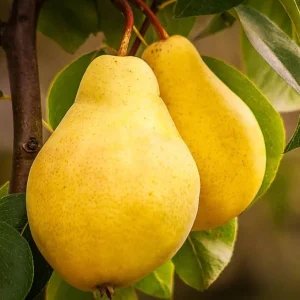
- Homegrown Sweet Pears: Enjoy the unparalleled taste of fresh, juicy pears picked right from your own tree. Growing your own ensures you have access to fruit free from commercial treatments and picked at peak ripeness, offering a superior flavor experience. This sweet pear plant will become a highlight of your garden.
- Hardy & Adaptable: Pear trees are renowned for their resilience and ability to withstand cooler temperatures, making them a fantastic choice for a wide range of climates. This hardy fruit tree is designed for robust growth and reliable fruit production in USDA Hardiness Zones 4-8.
- Beautiful Landscape Addition: Beyond its fruit, a pear tree adds significant aesthetic value to your garden. Its seasonal changes, from spring blossoms to summer foliage and autumn fruit, create year-round visual interest.
- Suitable for Home Orchards: Develops into a medium-sized fruit tree, making it perfectly suited for backyard gardens, home orchards, and edible landscapes where space might be a consideration. This pear tree for garden use will integrate seamlessly.
- Easy for Beginners: Known for their reliable growth and cold tolerance, pear trees are an excellent choice for those new to fruit tree cultivation. They require relatively straightforward care to establish and thrive.
- Long-Term Investment: A well-cared-for pear tree can produce fruit for many decades, providing a sustainable and delicious food source for your family for years to come.
- Supports Local Ecosystem: Attracts beneficial pollinators during its blooming season, contributing to the health and biodiversity of your garden ecosystem.
Plant Care & Growing Tips
Caring for your live pear tree is a straightforward process that will ensure healthy growth and bountiful harvests. Pear trees thrive in specific conditions, and understanding these will set your tree up for success. The most crucial factor for a productive pear tree is adequate sunlight. It requires full sun exposure, meaning at least 6-8 hours of direct sunlight per day. Choose a planting location that receives ample light throughout the day, away from competing shade from large buildings or other trees. Good air circulation is also beneficial to prevent fungal diseases.
When it comes to soil, pear trees prefer well-drained soil that is rich in organic matter. While they can tolerate a range of soil types, heavy clay or sandy soils should be amended with compost to improve drainage and fertility. Consistent watering is essential, especially during the tree’s establishment period and dry spells. Aim for deep watering sessions rather than frequent shallow ones, allowing the soil to dry slightly between waterings. Fertilize annually in early spring with a balanced fruit tree fertilizer after the first year of planting. Pruning is also vital for shaping the tree, encouraging fruit production, and removing dead or diseased branches. This outdoor fruit tree will reward your efforts with delicious pears.
Protecting your young live pear tree from pests and diseases is an ongoing task. Regular inspection for any signs of trouble will allow for early intervention. Common issues can include fire blight, scab, and various insect pests. Consult local agricultural extension services for specific recommendations on managing these issues in your region. Ensure the tree is planted in a location that matches its hardiness requirements, typically USDA Hardiness Zones 4-8, to ensure it can withstand winter temperatures. With consistent care and attention, your pear tree will flourish and provide many years of delicious fruit.
Size & Details
This live pear tree is delivered as a healthy seedling, approximately 8-10 inches tall, ready for immediate planting in your garden or home orchard. It’s a young, vigorous specimen designed to establish quickly and grow into a productive fruit tree. Upon maturity, this hardy fruit tree can reach an impressive height of 15-20 feet, forming a medium-sized tree that is perfect for most residential landscapes. The mature size allows for a significant harvest without overwhelming smaller garden spaces. While initial growth may focus on root development, you can expect steady growth each year once established.
The tree is shipped as a live plant, typically with its roots protected to ensure a smooth transition to its new environment. It is dormant in winter, naturally losing its leaves, and will begin to leaf out in spring, signaling the start of its active growing season. The estimated time to first fruit production can vary, but generally, pear trees start bearing fruit within 3-5 years after planting, depending on care and growing conditions. This particular sweet pear plant is an excellent foundation for a long-lasting, fruit-producing addition to your outdoor space.
Frequently Asked Questions
- Q: How big is the live pear tree when it arrives? A: The live pear tree seedling you receive will be approximately 8-10 inches tall, ready for planting to begin its growth journey.
- Q: What is the mature size of this pear tree? A: When fully grown, this outdoor fruit tree typically reaches a mature height of 15-20 feet, making it a medium-sized tree suitable for most home gardens.
- Q: Is this an indoor or outdoor plant? A: This is an outdoor fruit tree, specifically cultivated to thrive in garden settings and home orchards, requiring full sun exposure.
- Q: How much sunlight does a pear tree need? A: Pear trees require full sun, meaning at least 6-8 hours of direct sunlight per day, to produce the best fruit and ensure healthy growth.
- Q: Is this pear tree good for beginners? A: Yes, pear trees are known for their hardiness and reliable growth, making this pear tree for garden use an excellent choice for beginner gardeners.
- Q: What condition will the tree arrive in? A: The live pear tree will arrive as a healthy seedling, with its roots protected, designed to be ready for immediate planting in your outdoor space.
- Q: When is the best time to plant this pear tree? A: The best time to plant most pear trees is in late winter or early spring, after the last hard frost, allowing it to establish before the heat of summer.
- Q: What USDA Hardiness Zones is this pear tree suitable for? A: This hardy fruit tree thrives in USDA Hardiness Zones 4-8, indicating its cold tolerance and adaptability to various temperate regions.
- Q: How long until the tree starts producing pears? A: Typically, a sweet pear plant like this will begin to produce fruit within 3-5 years after planting, with optimal conditions and care.
- Q: What kind of soil does a pear tree prefer? A: Pear trees prefer well-drained soil that is rich in organic matter. Amending heavy clay or sandy soils with compost will greatly benefit its growth.


Reviews
There are no reviews yet.