Overview
Discover the benefits of growing your own golden seal bare roots. This offering includes 10 robust bare roots, each measuring 3 to 5 inches tall, ready for planting in your garden. Golden seal (Hydrastis canadensis) is a prized perennial herb native to the eastern North American woodlands, traditionally valued for its distinctive rootstock. Known for its vibrant yellow rhizomes, this plant is a staple in natural health practices. When planting these golden seal bare roots, you’re not just adding a plant to your garden; you’re cultivating a piece of botanical history. It thrives in conditions that mimic its natural woodland habitat, preferring dappled light and moist, rich soil. Ideal for those looking to create a shaded herb garden or integrate beneficial plants into their landscape, these bare roots offer a straightforward way to establish this unique species.
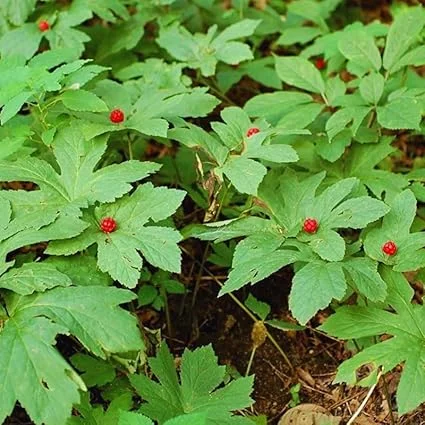
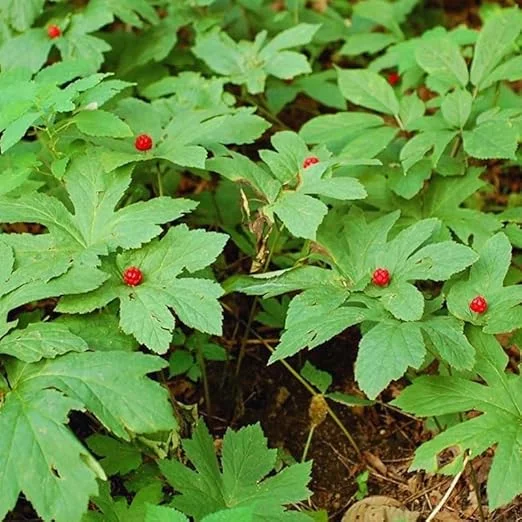
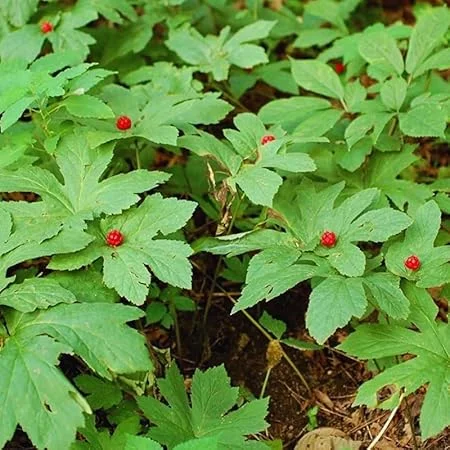
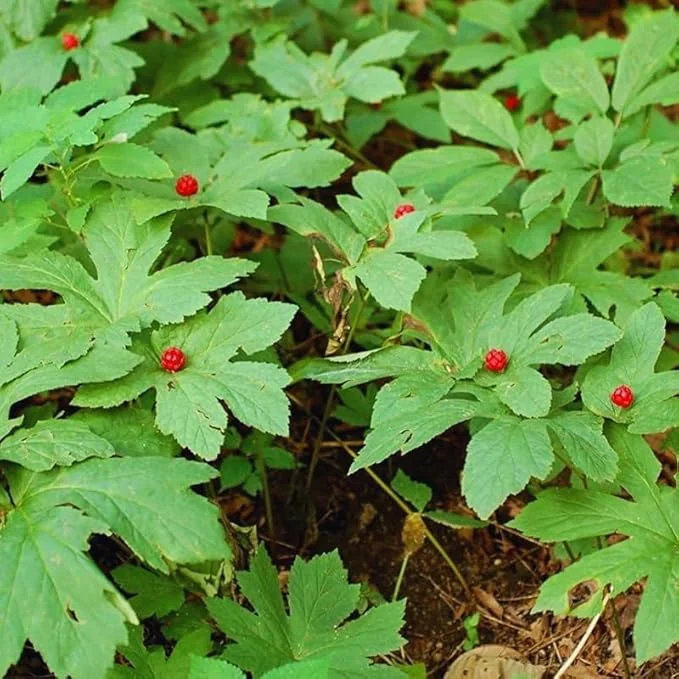
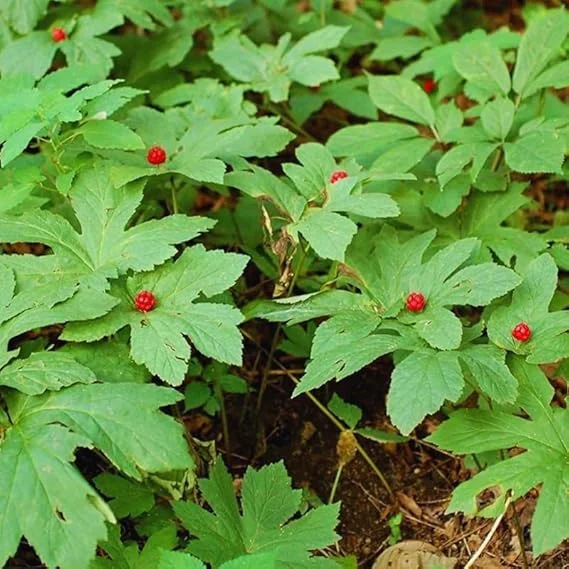
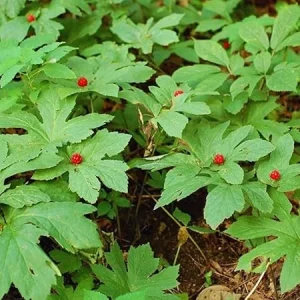
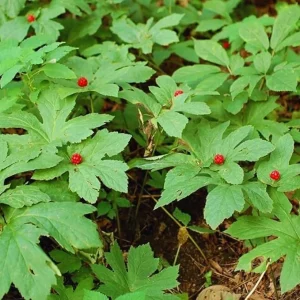
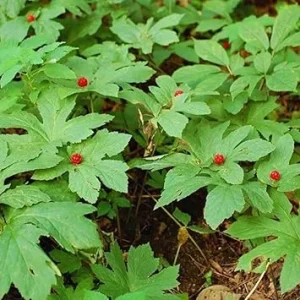
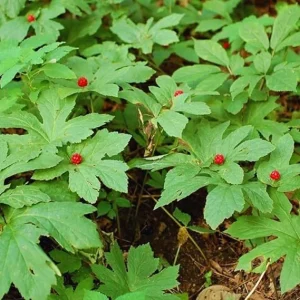
The growth habit of golden seal makes it an excellent groundcover in suitable conditions, typically reaching 12 to 18 inches tall at maturity. Its palmate leaves provide a lush, green canopy, and in spring, it produces small, inconspicuous white flowers followed by a cluster of bright red berries. These berries, while visually appealing, are not typically consumed. The focus remains on the root, which is harvested for its historical uses. Establishing golden seal bare roots is a rewarding endeavor for gardeners interested in ethnobotany and sustainable cultivation.
Key Benefits
Integrating golden seal bare roots into your garden offers numerous advantages, from aesthetic appeal to ecological benefits and traditional uses. This resilient plant is an excellent choice for shaded areas where many other plants struggle, providing lush foliage and contributing to biodiversity. Imagine a vibrant understory in your garden, rich with the natural beauty and historical significance of golden seal.
- Thrives in Shade: Golden seal bare roots are perfectly suited for planting in partial to full shade, making them an ideal solution for those challenging, low-light areas in your garden. They can transform an otherwise neglected spot into a thriving botanical haven, requiring minimal direct sunlight to flourish.
- Traditional Medicinal Herb: Historically, golden seal has been a highly valued plant in traditional practices, particularly among Indigenous peoples of North America. Growing your own provides access to this significant herb, allowing you to appreciate its cultural and historical importance.
- Low Maintenance Perennial: Once established, golden seal bare roots are remarkably low maintenance. They are perennials, meaning they return year after year, saving you the effort of replanting. This makes them a sustainable and convenient choice for long-term garden planning.
- Natural Groundcover: With its broad, palmate leaves, golden seal forms an attractive groundcover, helping to suppress weeds and maintain soil moisture. It creates a dense, green carpet that enhances the natural aesthetic of woodland gardens and shaded borders.
- Supports Local Ecosystems: By planting native species like golden seal, you contribute to supporting local ecosystems. It can provide habitat and food sources for various small wildlife, promoting a healthier and more balanced garden environment.
- Erosion Control: The fibrous root system of golden seal helps to stabilize soil, making it beneficial for erosion control on slopes or in areas with loose soil. This natural solution helps protect your landscape while adding greenery.
- Unique Garden Addition: For gardeners seeking something out of the ordinary, medicinal golden seal offers a unique appeal. Its distinct appearance and historical significance make it a conversation starter and a fascinating plant to observe and cultivate.
Plant Care & Growing Tips
Caring for your golden seal bare roots is straightforward, especially when you replicate its natural woodland environment. These plants prefer conditions similar to their native habitat: cool, moist, and shaded. Proper site selection and soil preparation are key to successful establishment and long-term vitality. Begin by choosing a location that receives partial to full shade, avoiding direct, intense sunlight which can scorch the leaves. An ideal spot would be under deciduous trees where they receive dappled sunlight in spring and then full shade once the tree leaves emerge. The soil should be rich in organic matter, well-draining, and consistently moist but not waterlogged.
When planting your golden seal bare roots, dig a shallow hole, spreading the roots gently and covering them with about 1-2 inches of soil. Space the bare roots about 6-12 inches apart to allow for mature growth. After planting, water thoroughly to settle the soil around the roots. Subsequent watering should maintain consistent moisture, especially during dry periods. Mulching with leaf litter or compost can help retain soil moisture, regulate soil temperature, and provide a slow release of nutrients, mimicking its natural forest floor environment. Fertilization is generally not heavily required if the soil is rich in organic matter, but a light application of balanced organic fertilizer in early spring can encourage vigorous growth. Understanding how to grow golden seal successfully involves patience, as it can take a few years for plants to fully establish and reach their mature size.
Protection from pests and diseases is usually minimal for golden seal, as it is quite resilient. Ensure good air circulation to prevent fungal issues, particularly in humid climates. In colder zones (USDA zones 3 to 8), a layer of mulch over winter will help protect the roots from extreme cold. For those interested in harvesting, it’s generally recommended to wait at least 3-5 years to allow the plant to fully mature and establish a robust root system. This ensures sustainable practices and a healthier plant for future growth. Following these guidelines will help you cultivate healthy, thriving golden seal for shade, enjoying its presence in your garden for many years.
Size & Details
This offering includes 10 individual golden seal bare roots, each carefully selected for viability and ready for planting. Each bare root measures approximately 3 to 5 inches in height, providing a solid foundation for new plant growth. Upon successful establishment, these plants will typically reach a mature height of 12 to 18 inches, forming a lush, green presence in your garden. Golden seal is a perennial herb, meaning it will return year after year, gradually expanding its footprint to create a dense groundcover. It prefers a growing environment with partial to full shade, making it an excellent choice for woodland gardens, under large trees, or on the north side of buildings. The plant is hardy in USDA zones 3 to 8, capable of withstanding a wide range of temperate climates.
These bare roots are designed for direct planting into prepared garden beds. They are shipped dormant, which is the ideal state for planting to minimize transplant shock and encourage strong root development. Expect new foliage to emerge in the spring following a late fall or early spring planting. While the plant produces small white flowers and red berries, its primary appeal and traditional value lie in its root system. With proper care, these golden seal bare roots will establish into robust plants, contributing to the biodiversity and aesthetic of your shaded garden areas. They are a long-term investment in your garden’s health and beauty.
Frequently Asked Questions
- Q: How big does this plant get? A: Once established, these golden seal bare roots will grow into mature plants typically reaching 12 to 18 inches tall. They will also spread over time, forming a beautiful groundcover in suitable conditions.
- Q: Is this an indoor or outdoor plant? A: Golden seal is primarily an outdoor plant, thriving in woodland conditions. It is best suited for garden beds that provide partial to full shade, mimicking its natural habitat.
- Q: How much sunlight does it need? A: This plant prefers partial to full shade. It should be protected from direct, intense afternoon sun, which can damage its leaves. Dappled sunlight or morning sun is ideal.
- Q: Is this plant easy to care for? A: Yes, once established, golden seal plant care is relatively easy. It requires consistent moisture and a shaded environment. It’s a perennial, so it returns each year with minimal effort.
- Q: What condition will it arrive in? A: The product consists of 10 dormant golden seal bare roots, each 3 to 5 inches tall. They are shipped without soil or foliage, ready for immediate planting upon arrival.
- Q: When is the best time to plant? A: The best time to plant golden seal bare roots is in late fall after the first frost, or in early spring before new growth begins. This allows the roots to establish before the stress of summer heat.
- Q: Will it survive winter in my zone? A: Golden seal is hardy in USDA zones 3 to 8. In these zones, it is well-equipped to survive winter dormancy, often benefiting from a layer of mulch for added protection in colder regions.
- Q: What type of soil does golden seal prefer? A: How to grow golden seal successfully depends on the right soil. It thrives in rich, well-draining soil with plenty of organic matter. A slightly acidic to neutral pH is generally preferred.
- Q: What are the traditional uses of golden seal? A: Golden seal has a long history of traditional use, particularly among Indigenous peoples, who valued its roots for various purposes. It is often referred to as medicinal golden seal due to its historical significance.
- Q: Can I grow golden seal in a container? A: While primarily an outdoor plant, it can be grown in large containers if consistent moisture and shade are provided. Ensure the container has good drainage and use a rich potting mix.


Reviews
There are no reviews yet.