Overview
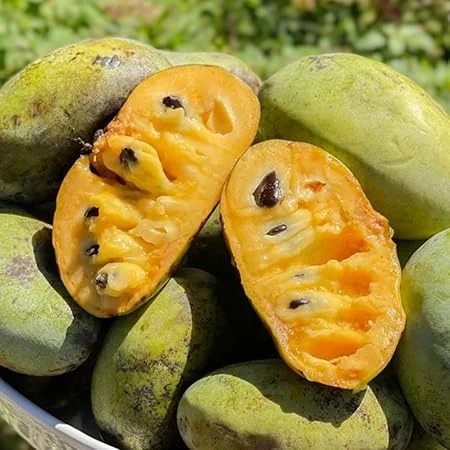
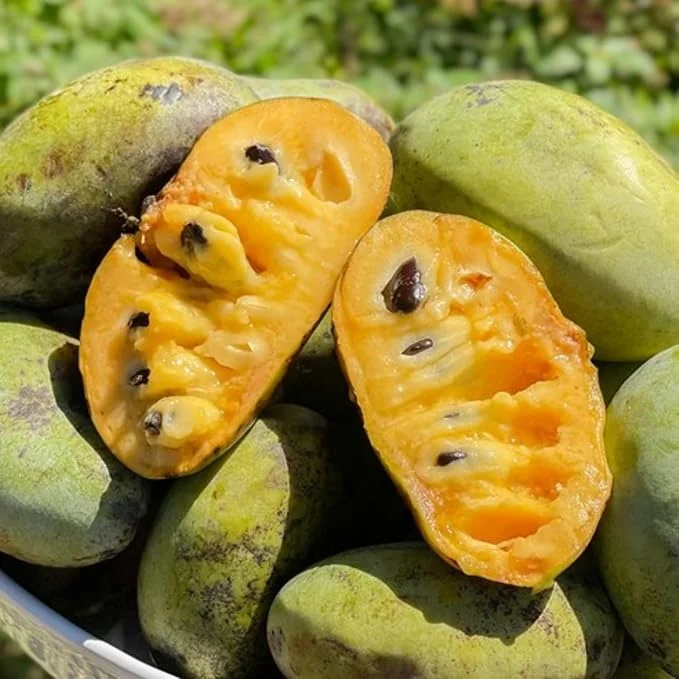
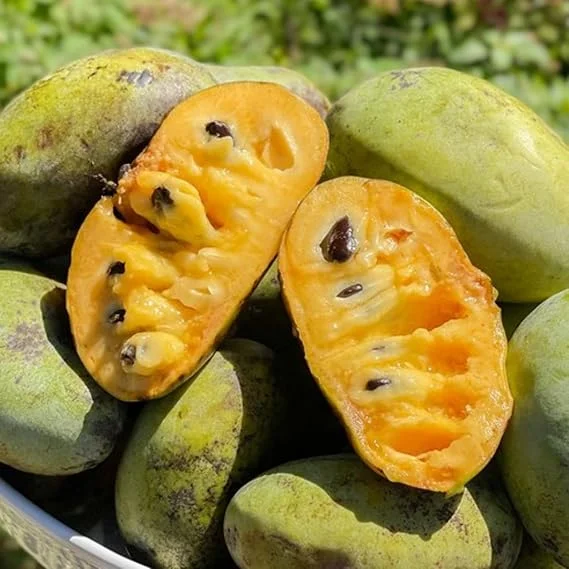
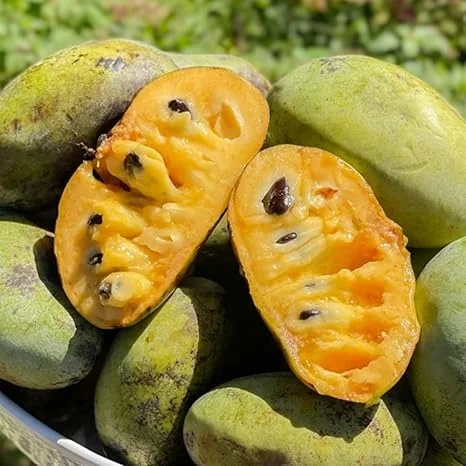
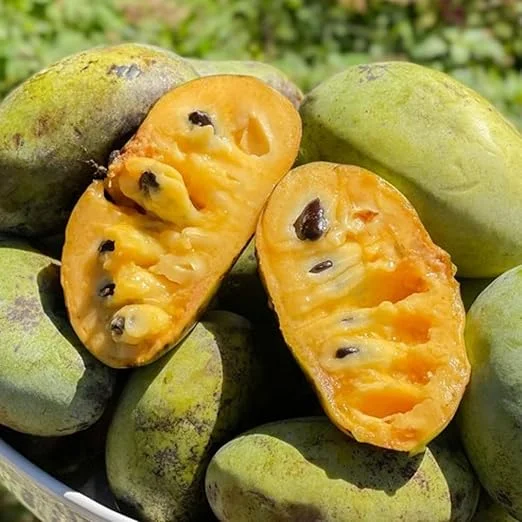
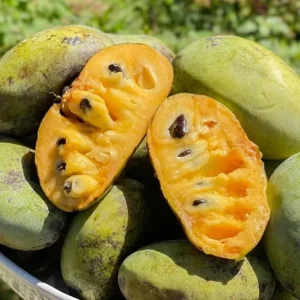
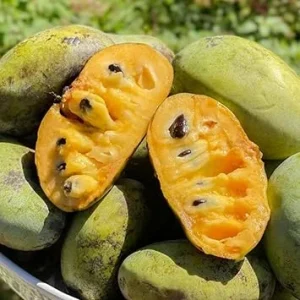
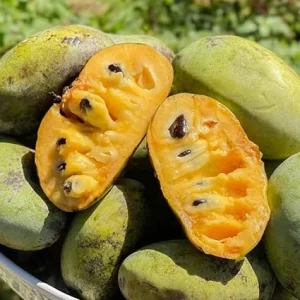
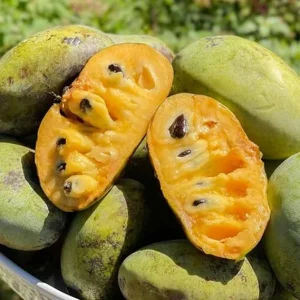
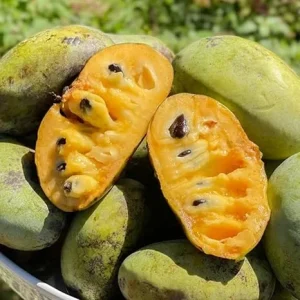
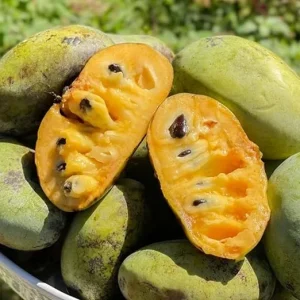
Embark on a rewarding gardening journey with our premium pawpaw tree live plant bare roots. The pawpaw tree (Asimina triloba) is a fascinating and often overlooked native American fruit tree, renowned for producing the largest edible fruit indigenous to the United States. Often referred to as the ‘poor man’s banana’ or ‘custard apple’, pawpaw fruit boasts a creamy, tropical flavor profile that is truly unique. This offering includes two vigorous bare roots, each measuring 6 to 12 inches in height, providing an excellent foundation for establishing your own pawpaw grove. These hardy plants are celebrated for their resilience and ability to thrive in a wide range of climates, making them an ideal choice for gardeners looking to grow something distinctive and delicious. Growing pawpaws from bare roots is a traditional and effective method, allowing the plant to establish its root system directly in its new environment. With proper care, these young pawpaw trees will mature into productive fruit bearers, offering a taste of American heritage right in your backyard.
Key Benefits
Adding a pawpaw tree live plant to your landscape offers a multitude of benefits, from delicious fruit to ecological contributions. These trees are not just productive but also contribute to biodiversity and provide aesthetic appeal.
- Unique Fruit Production: Enjoy the distinct, tropical-like flavor of pawpaw fruit, a creamy, sweet delight often compared to banana, mango, and pineapple. Growing your own ensures fresh, organic produce not typically found in grocery stores.
- Hardy and Resilient: Pawpaw trees are incredibly hardy, tolerating a wide range of soil conditions and temperatures. They are well-suited for USDA Zones 5 to 9, making them a reliable choice for many regions.
- Low Maintenance: Once established, these trees require minimal care, making them an excellent option for both experienced and novice gardeners. Their natural resistance to many pests and diseases reduces the need for chemical interventions.
- Native American Heritage: Cultivate a piece of American history. Pawpaws are native to the Eastern United States and have been a food source for centuries, offering a connection to traditional American flora.
- Ecological Value: Pawpaw trees serve as a host plant for the beautiful zebra swallowtail butterfly, contributing to local ecosystems and attracting beneficial wildlife to your garden.
- Shade Tolerance: Unlike many fruit trees, young pawpaws prefer partial shade, especially in their early years, making them versatile for various planting locations. This can be particularly useful when considering where to plant your pawpaw bare roots.
- Ornamental Appeal: Beyond their fruit, pawpaw trees offer attractive foliage and unique, maroon-colored flowers in spring, adding visual interest to your landscape.
Plant Care & Growing Tips
Successfully growing a pawpaw tree live plant begins with proper planting and consistent care, especially during its initial establishment. Pawpaws prefer moist, fertile, well-drained soil with a slightly acidic to neutral pH (5.5-7.0). When planting your pawpaw bare roots, choose a location that receives partial sun, particularly protection from intense afternoon sun for the first year or two. While mature pawpaws can tolerate full sun, young trees are susceptible to sunburn. Dig a hole wide enough to accommodate the roots without bending them, and deep enough so that the crown (where the roots meet the stem) is at soil level. Amend heavy clay or very sandy soils with compost to improve drainage and fertility.
Watering is crucial, especially during the first growing season. Keep the soil consistently moist but not waterlogged. Once established, pawpaw trees are relatively drought-tolerant, but regular watering during dry spells will promote better fruit production. Fertilize sparingly in the first year; a balanced, slow-release fertilizer can be applied in subsequent years in early spring. Pawpaws are generally pest and disease resistant, reducing the need for chemical treatments. Pruning primarily involves removing dead, damaged, or crossing branches to maintain tree health and shape. Remember that pawpaws are not self-pollinating and require at least two genetically distinct trees for fruit production, so planting this set of two hardy pawpaw tree bare roots is an excellent strategy.
Size & Details
This offering includes two pawpaw tree live plant bare roots, each meticulously prepared for optimal transplanting. Each bare root measures between 6 to 12 inches tall, providing a robust start for your future fruit trees. Bare root plants are shipped without soil around their roots, which reduces shipping stress and allows for easier handling upon arrival. Upon planting, these young trees will begin to establish their root systems, with visible top growth typically appearing within the first few weeks to months, depending on planting time and conditions. Pawpaw trees are known for a relatively slow growth rate in their early years, but once established, they can grow 15 to 30 feet tall at maturity, forming a small understory tree. They typically begin bearing fruit within 3-5 years after planting. These plants are suitable for outdoor cultivation in USDA Zones 5 to 9, making them a versatile choice for many temperate climates. The ‘Pawpaw tree’ color specified refers to the general species, which yields green fruit that ripens to yellow-green.
Frequently Asked Questions
- Q: How big does this plant get? A: This offering provides two pawpaw tree live plant bare roots that are 6 to 12 inches tall. At maturity, a pawpaw tree can grow to a height of 15 to 30 feet, forming a small, attractive understory tree.
- Q: Is this an indoor or outdoor plant? A: Pawpaw trees are outdoor plants, specifically suited for temperate climates. They are hardy and thrive when planted directly in the ground, making them an excellent choice for gardens and orchards.
- Q: How much sunlight does it need? A: Young pawpaw trees, especially these pawpaw bare roots, prefer partial shade, particularly protection from intense afternoon sun during their first couple of years. Once established, mature trees can tolerate full sun, but some shade is still beneficial in hotter climates.
- Q: Is this plant easy to care for? A: Yes, once established, pawpaw trees are relatively low-maintenance. They are known for being a hardy pawpaw tree, resistant to many common pests and diseases, and require basic care like watering and occasional pruning.
- Q: What condition will it arrive in? A: You will receive two bare roots, meaning they will arrive without a pot and without soil around their roots. This is a common and effective method for shipping deciduous fruit trees, ensuring minimal stress during transit.
- Q: How long until it blooms or fruits? A: Pawpaw trees typically begin to flower and produce fruit within 3 to 5 years after planting. Patience is key, as establishing a strong root system is crucial for future productivity.
- Q: Will it survive winter in my zone? A: These pawpaw trees are hardy and suitable for USDA Zones 5 to 9. If your region falls within these zones, they are well-equipped to survive winter conditions and thrive.
- Q: What is the best time to plant these bare roots? A: The best time to plant pawpaw bare roots is in early spring, after the danger of hard frost has passed and before the trees begin to leaf out. This allows them to establish their root system before the heat of summer.
- Q: Do I need more than one tree to get fruit? A: Yes, pawpaw trees are not self-pollinating. You will need at least two genetically different pawpaw trees to ensure successful cross-pollination and fruit production. This set of two bare roots is a good start, assuming they are genetically distinct.
- Q: Can I grow pawpaw fruit in a container? A: While it is possible to start pawpaws in large containers, they are best suited for planting directly in the ground due to their taproot system and mature size. For best fruit production and overall tree health, ground planting is recommended.


Reviews
There are no reviews yet.