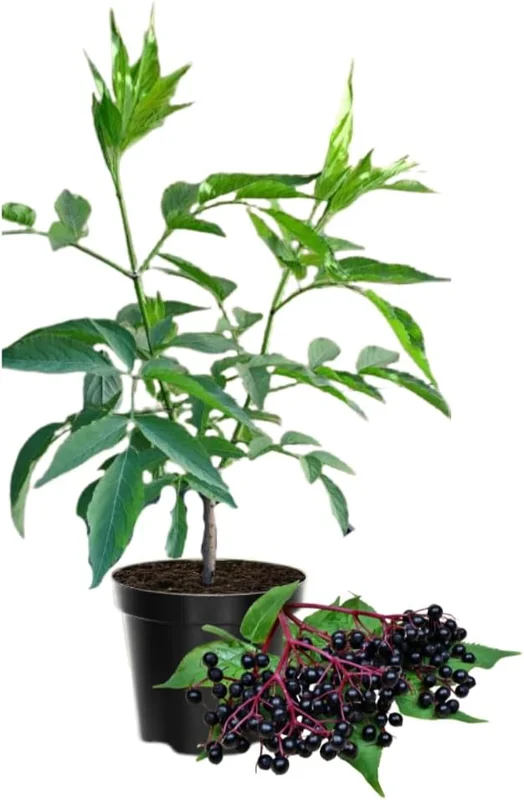
Overview
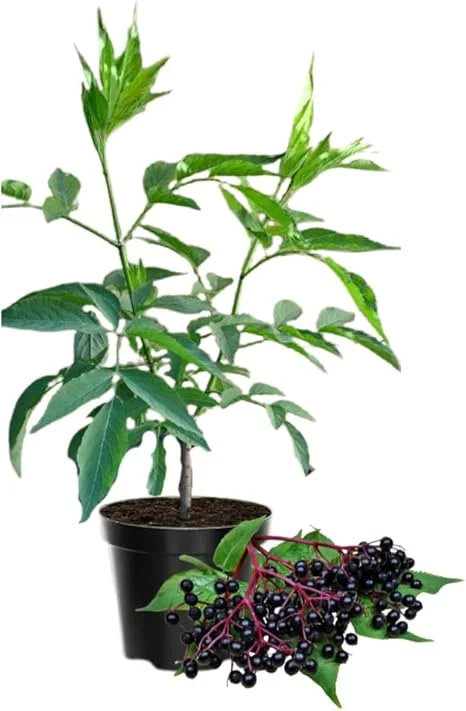
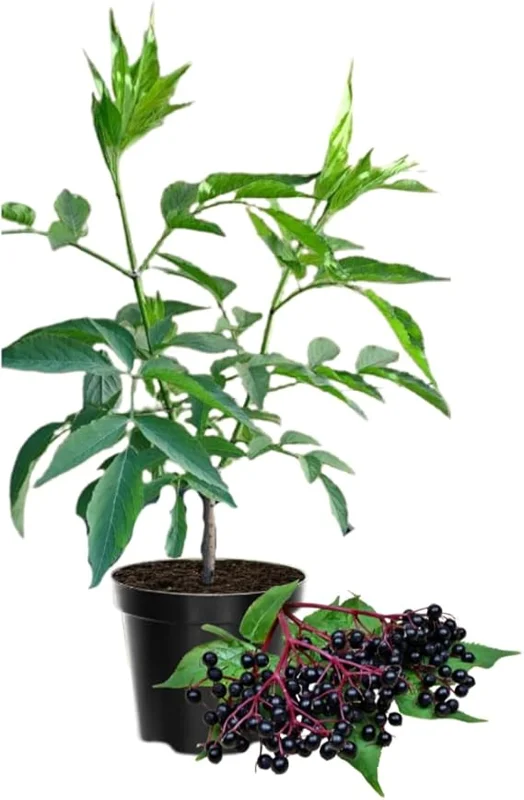
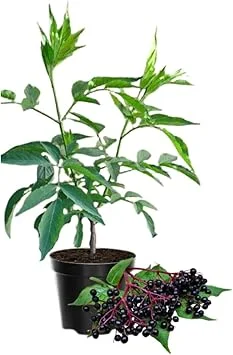
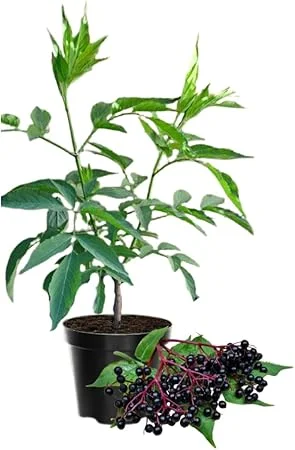
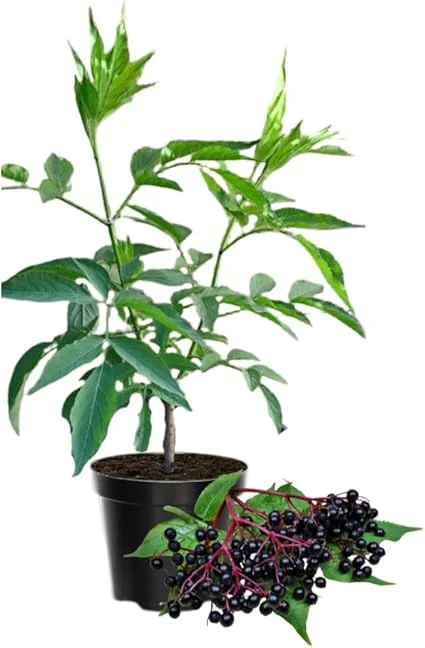
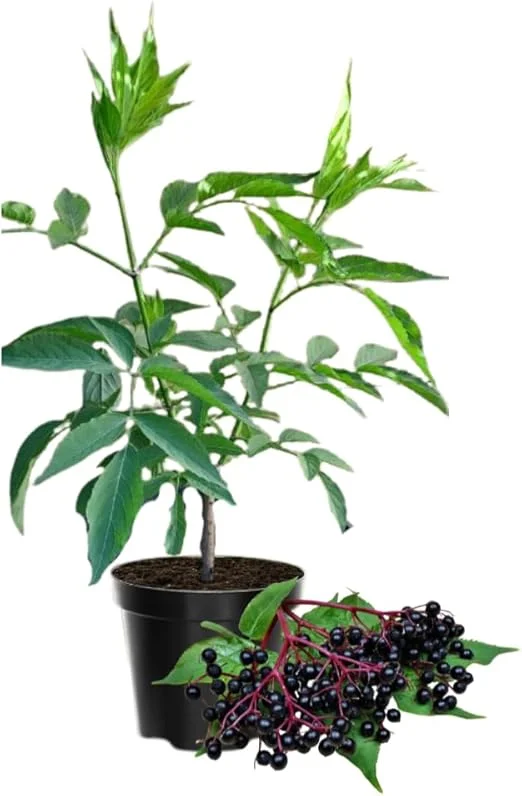
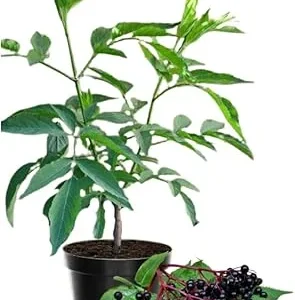
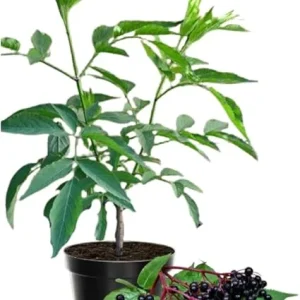
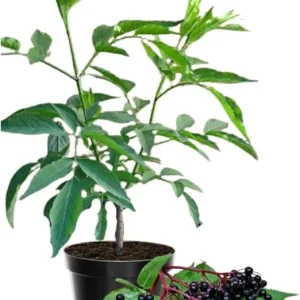
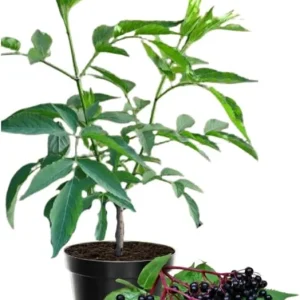
Bring the joy of home-grown fruit to your garden with this robust elderberry live plant. This 1-year-old specimen arrives dormant in a quart pot, perfectly prepared for successful transplanting into your outdoor space. Elderberries, scientifically known as Sambucus nigra, are renowned for their clusters of dark, nutrient-rich berries and attractive, fragrant white flowers that bloom in late spring to early summer. This hardy shrub is an excellent choice for both novice and experienced gardeners, offering a combination of aesthetic appeal and edible yield. Its ability to adapt to various conditions makes it a versatile addition to any landscape, whether you’re creating an edible garden, a natural hedge, or simply adding a beautiful, fruit-producing plant to your yard. The dormancy period ensures that the plant conserves energy and is less stressed during shipping, leading to a higher success rate once planted.
This particular hardy elderberry shrub is bred for resilience, capable of withstanding a broad range of climates. It’s a fantastic option for those looking to add a functional yet beautiful element to their outdoor environment. Imagine harvesting your own black elderberries for pies, jams, or healthful syrups right from your backyard. The plant’s natural growth habit and relatively fast growth rate mean you’ll enjoy its benefits sooner rather than later. Furthermore, elderberries provide an excellent food source for local wildlife, attracting beneficial birds and pollinators to your garden, enhancing its ecological balance.
Key Benefits
Growing an elderberry plant offers numerous advantages, from its ornamental value to its abundant harvest. This elderberry live plant provides a sustainable and rewarding gardening experience:
-
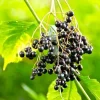
Abundant Fruit Production: Enjoy a generous harvest of dark, antioxidant-rich black elderberries, perfect for making delicious jams, jellies, juices, and wines. These berries are not only tasty but also packed with health benefits.
-
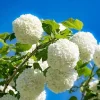
Attractive Fragrant Flowers: In late spring, the plant produces beautiful clusters of creamy-white, fragrant flowers. These blossoms are not only lovely to look at but can also be used to make elderflower cordial or tea, adding another layer of culinary delight.
-
Exceptional Hardiness: This hardy elderberry shrub is incredibly resilient, thriving in a wide range of USDA zones (3-9). It can withstand cold winters and various soil conditions, making it a reliable choice for many climates.
-
Low Maintenance: Once established, this elderberry bush requires minimal care. It’s a great option for gardeners who prefer a plant that doesn’t demand constant attention, allowing you more time to enjoy your garden.
-
Versatile Landscape Use: Ideal for various garden applications, including edible hedges, naturalized areas, backyard landscapes, or as a standalone specimen. Its attractive foliage and seasonal interest make it a valuable addition.
-
Wildlife Friendly: The berries provide a valuable food source for birds, and the flowers attract pollinators like bees, contributing positively to your local ecosystem and supporting biodiversity in your garden.
-
Medicinal Properties: Elderberries have long been valued for their traditional medicinal uses, often used to support immune health. Growing your own ensures a fresh supply for your herbal remedies.
Plant Care & Growing Tips
Caring for your elderberry live plant is straightforward, making it an excellent choice for gardeners of all skill levels. When your plant arrives dormant, it is in a state of rest, which is ideal for transplanting. Choose a location that receives full sun to partial shade; elderberries tend to produce more fruit with at least 6 hours of direct sunlight daily. While tolerant of various soil types, they prefer well-draining, moderately fertile soil with a pH between 5.5 and 6.5. Amend heavy clay soils with compost or other organic matter to improve drainage and aeration. Dig a hole twice as wide as the root ball and just as deep, ensuring the top of the root ball is level with the soil surface after planting.
Water your newly planted black elderberries bush thoroughly after planting and keep the soil consistently moist, especially during its first growing season, to establish a strong root system. Once established, elderberries are relatively drought-tolerant but will benefit from regular watering during dry spells, particularly when fruits are developing. Fertilize in early spring with a balanced slow-release fertilizer or compost to encourage vigorous growth and fruit production. Pruning is best done in late winter or early spring while the plant is still dormant. Remove any dead, damaged, or weak canes at ground level. You can also thin out older, less productive canes to encourage new growth and better air circulation, which helps with overall plant health and fruit yield. This maintenance will ensure your elderberry plant care routine results in a thriving shrub.
Elderberries are generally pest and disease resistant. However, keep an eye out for common garden pests like aphids, which can typically be managed with a strong spray of water or insecticidal soap. Proper spacing and good air circulation will help prevent fungal issues. This fruit bearing elderberry is hardy in USDA zones 3-9, meaning it can tolerate winter temperatures down to -40°F (-40°C). In colder zones, mulching around the base of the plant can provide extra winter protection. With these simple care tips, your elderberry plant will flourish and provide you with years of beautiful flowers and bountiful fruit.
Size & Details
This elderberry live plant is a 1-year-old specimen, shipped dormant in a quart-sized pot. Upon arrival, it will appear as a bare stick or small rooted plant, which is completely normal for dormant plants and indicates it’s ready for planting and future growth. The plant dimensions are approximately 4 x 4 x 12 inches when packaged, and it weighs about 1 pound. Once planted and established, a mature hardy elderberry shrub can reach a height of 6-12 feet and a similar spread, depending on the variety and growing conditions. It has a moderate to fast growth rate, often producing fruit within 1-2 years of planting, with significant yields typically by the third year.
The plant is designed for outdoor usage and is suitable for a wide range of climates, thriving in USDA Hardiness Zones 3-9. It prefers full sun but can tolerate partial shade, though fruit production may be reduced in shadier spots. The plant produces clusters of dark berries, which ripen in late summer to early fall. With its robust nature and relatively low maintenance requirements, this black elderberries bush is an excellent long-term investment for any garden or landscape, providing both ornamental beauty and a valuable food source.
Frequently Asked Questions
-
Q: How big will this elderberry live plant get? A: This elderberry live plant is a 1-year-old specimen. Once established, this type of hardy elderberry shrub can typically grow to a height of 6-12 feet and spread 6-10 feet wide, depending on growing conditions and pruning practices.
-
Q: Is this an indoor or outdoor plant? A: This elderberry plant is specifically intended for outdoor usage. It requires ample space and sunlight to thrive and produce fruit, making it unsuitable for indoor cultivation.
-
Q: How much sunlight does the elderberry plant need? A: For optimal growth and fruit production, your black elderberries bush needs at least 6 hours of direct sunlight per day. It can tolerate partial shade, but fruit yield may be reduced.
-
Q: Is this plant easy to care for? A: Yes, elderberry plants are known for being relatively low-maintenance once established. They are hardy and adaptable, making them a good choice for gardeners seeking an easy-to-grow fruit-bearing plant. Basic elderberry plant care involves watering, occasional feeding, and dormant pruning.
-
Q: What condition will the elderberry live plant arrive in? A: Your elderberry live plant will arrive dormant in a quart pot. This means it will likely appear as a bare stick or small rooted cutting without leaves, which is a healthy and normal state for dormant plants during shipping and planting.
-
Q: When is the best time to plant this fruit bearing elderberry? A: The best time to plant a dormant elderberry shrub is in early spring, after the last threat of hard frost has passed. This allows the plant ample time to establish its root system before the heat of summer.
-
Q: What USDA Hardiness Zones is this elderberry suitable for? A: This fruit bearing elderberry is hardy and suitable for planting in USDA Hardiness Zones 3 through 9, making it resilient to a wide range of winter temperatures.
-
Q: Can I grow black elderberries in a container? A: While possible for a short period, elderberries are large shrubs that prefer to be planted directly in the ground to reach their full potential and produce abundant fruit. If you do use a container, choose a very large one (20+ gallons) and ensure excellent drainage.
-
Q: How long until this elderberry live plant produces fruit? A: Your 1-year-old elderberry live plant may begin to produce a small amount of fruit in its first or second year after planting. Significant fruit production typically starts in its third year.
-
Q: What type of soil does this hardy elderberry shrub prefer? A: Elderberries prefer well-draining, moderately fertile soil. They are tolerant of various soil types but will thrive in loamy soils with a pH between 5.5 and 6.5. Good drainage is crucial to prevent root rot.


Reviews
There are no reviews yet.