Overview
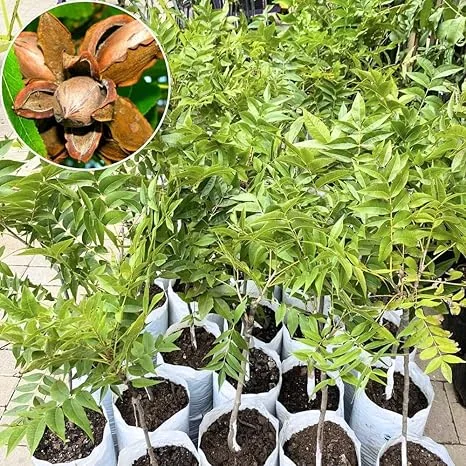
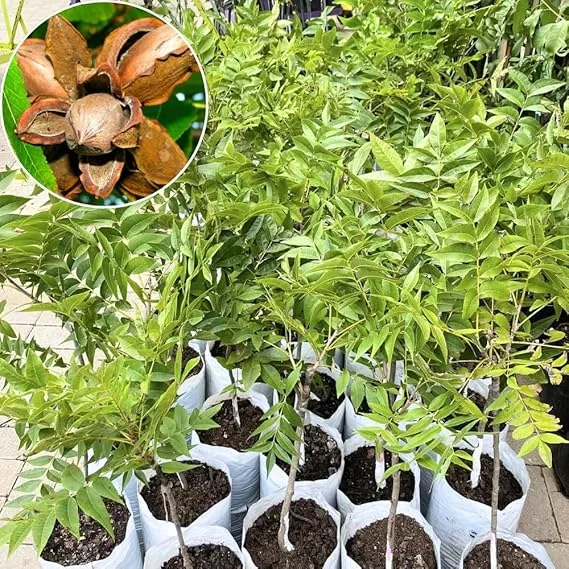
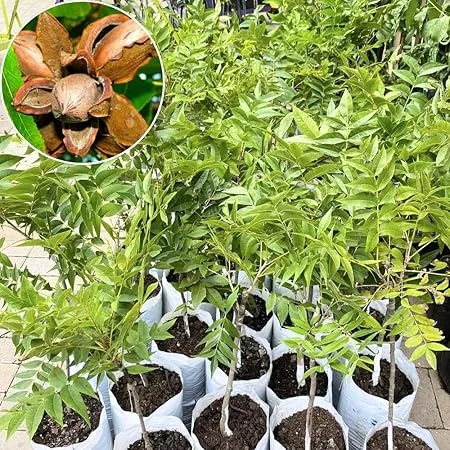
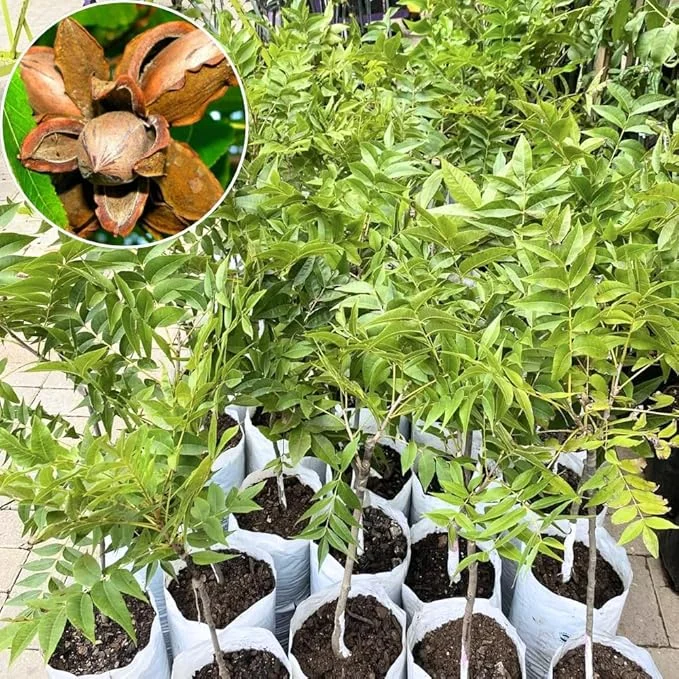
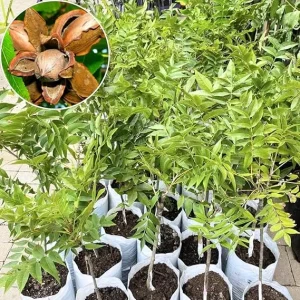
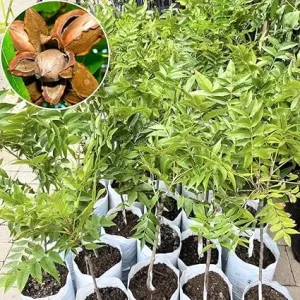
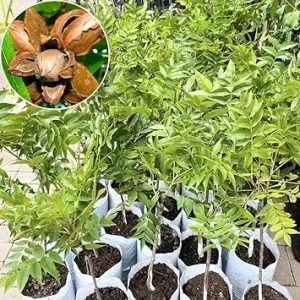
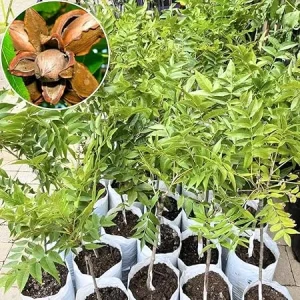
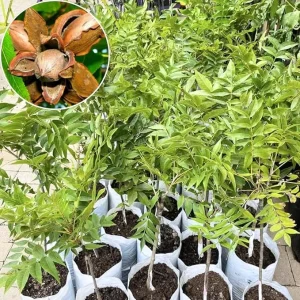
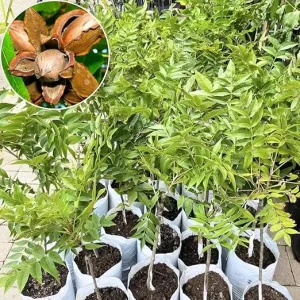
Bring the beauty and bounty of a nut-producing orchard to your own property with this magnificent live pecan tree. Standing an impressive 2-3 feet tall, this well-rooted specimen is ready to establish itself in your landscape, offering both aesthetic appeal and the promise of delicious pecans for years to come. Pecan trees, scientifically known as Carya illinoinensis, are deciduous trees prized for their robust growth, generous shade canopy, and, of course, their highly sought-after nuts. This particular variety is chosen for its cold hardiness, making it suitable for a wide range of climates within its recommended USDA zones. Planting a live pecan tree is an investment in your home and future, providing a sustainable source of healthy nuts and a beautiful addition to any garden or yard.
Our live pecan tree arrives healthy and vigorous, prepared to thrive once planted. Whether you envision a single specimen tree providing ample shade or a small home orchard, this young tree is the perfect starting point. Its rapid growth rate means you won’t have to wait long to enjoy its benefits, from the cooling shade on a summer day to the satisfying crunch of freshly harvested pecans in the fall. Embrace the joy of growing your own food and enhancing your outdoor living space with this exceptional pecan tree.
Key Benefits
Adding a live pecan tree to your property offers a multitude of advantages, enhancing both the value and enjoyment of your outdoor space. These trees are not only beautiful but also highly functional, providing a sustainable resource for your family.
- Abundant Nut Production: Enjoy annual harvests of delicious, nutritious pecans directly from your own yard. Pecans are rich in healthy fats, protein, and antioxidants, making them a fantastic addition to any diet.
- Excellent Shade Provider: Known for their rapid growth and expansive canopy, pecan trees develop into magnificent shade trees, offering a cool retreat during hot summer months and reducing energy costs for your home.
- Cold Hardy & Resilient: This variety is selected for its cold hardiness, thriving in USDA Zones 6-9, ensuring it can withstand various temperature fluctuations and remain a strong, productive tree for decades.
- Enhances Property Value: Mature pecan trees significantly increase the aesthetic appeal and overall value of your property, providing long-term benefits and a beautiful landscape feature.
- Wildlife Attraction: The nuts provide a natural food source for local wildlife, including squirrels and birds, contributing to the biodiversity of your garden.
- Long-Lived Investment: Pecan trees are known for their longevity, often producing nuts for over 100 years, making them a true generational asset.
- Versatile Landscape Use: Ideal for large yards, orchards, or as a focal point in a spacious garden, this pecan nut tree adapts well to various outdoor settings.
Plant Care & Growing Tips
Proper care is essential for your live pecan tree to flourish and provide plentiful harvests. Pecan trees are relatively low-maintenance once established, but they do require specific conditions to thrive. They perform best in full sun, meaning at least 6-8 hours of direct sunlight per day. Choose a location that receives ample sunlight throughout the growing season, away from competing structures or other large trees that might cast too much shade.
For soil, pecan trees prefer deep, well-drained loamy soil with a slightly acidic to neutral pH (6.0-7.0). Good drainage is crucial to prevent root rot. If your soil is heavy clay, consider amending it with organic matter like compost to improve drainage and aeration. When planting, dig a hole twice as wide as the root ball and just as deep. Ensure the tree is planted at the same depth it was in its nursery pot. Water thoroughly after planting. Consistent watering is vital during the first few years, especially during dry spells, to help the tree establish a strong root system. Deep watering encourages roots to grow downwards, making the tree more drought-tolerant in the long run. Fertilize in early spring with a balanced fertilizer formulated for nut trees, following product instructions for application rates. Understanding pecan tree care is key to a healthy, productive specimen.
Pecan trees are generally hardy in USDA Zones 6-9. Protection from strong winds can be beneficial for young trees. Pruning should focus on removing dead, damaged, or crossing branches to maintain good air circulation and tree structure. Regular pruning also helps promote better nut production. Keep an eye out for common pests and diseases, and address them promptly with appropriate organic or chemical treatments if necessary. Learning how to grow pecan tree successfully involves patience and attention to these basic horticultural practices.
Size & Details
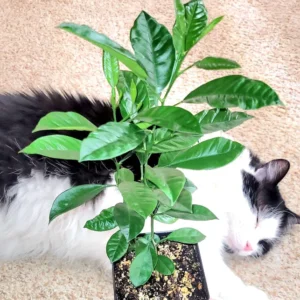
This offering is for a live pecan tree that stands 2-3 feet (24-36 inches) tall from the base of the root ball to the top of the foliage. It arrives well-rooted and ready for immediate planting. Pecan trees are known for their fast growth rate, typically adding 1-2 feet of height per year under optimal conditions. At maturity, this pecan nut tree can reach an impressive height of 50-70 feet tall with a spread of 40-50 feet, making it an ideal choice for large yards, sprawling gardens, or commercial orchards where ample space is available. The tree is shipped in a nursery pot or bare-root, depending on the season and best practice for safe transit, ensuring it arrives in excellent condition, ready for its new home.
The mature size of this tree makes it a significant landscape feature, providing not just nuts but also considerable shade and a strong visual presence. Expect the first nut production to begin within 5-10 years, with full production typically achieved between 10-15 years. This long-term investment will reward you with decades of delicious pecans and a majestic tree that will become a focal point of your property.
Frequently Asked Questions
- Q: How big does this plant get? A: This live pecan tree is 2-3 feet tall upon arrival. At maturity, it can reach heights of 50-70 feet with a spread of 40-50 feet, making it a very large and impressive tree.
- Q: Is this an indoor or outdoor plant? A: This is an outdoor shade and nut tree. It requires ample space and sunlight to thrive and is not suitable for indoor cultivation.
- Q: How much sunlight does it need? A: A pecan nut tree requires full sun exposure, meaning at least 6-8 hours of direct sunlight per day, for optimal growth and nut production.
- Q: Is this plant easy to care for? A: Once established, pecan trees are relatively low-maintenance. However, they require consistent watering during their initial years and proper soil conditions. Following basic pecan tree care guidelines will ensure success.
- Q: What condition will it arrive in? A: Your live pecan tree will arrive well-rooted and healthy, ready for planting. It will be carefully packaged to ensure safe transit.
- Q: When is the best time to plant a pecan tree? A: The best time to plant a pecan tree is typically in late winter or early spring, after the last threat of frost has passed and before new growth begins.
- Q: Will it survive winter in my zone? A: This variety is cold hardy and thrives in USDA Hardiness Zones 6-9. If your zone falls within this range, your tree should successfully overwinter.
- Q: How long until it produces nuts? A: A young live pecan tree typically begins producing nuts within 5-10 years of planting, with significant harvests usually starting around 10-15 years.


Reviews
There are no reviews yet.