Overview
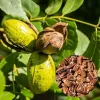
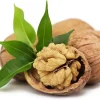
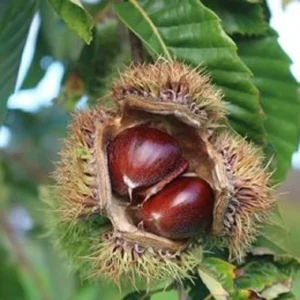
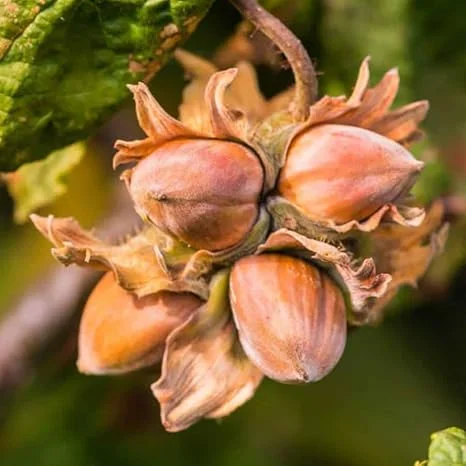
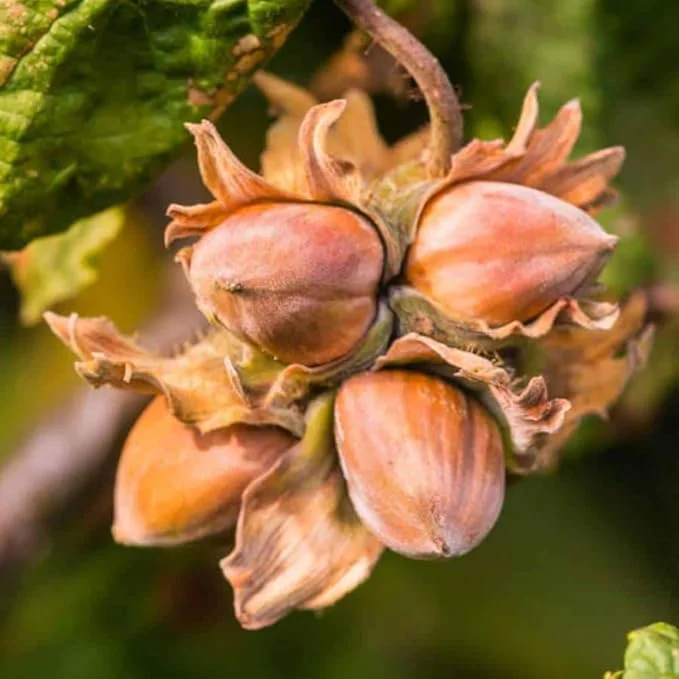
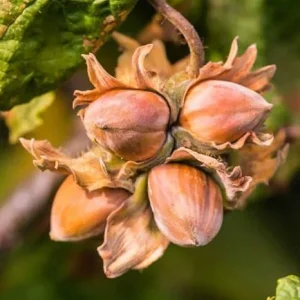
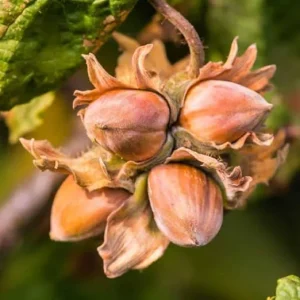
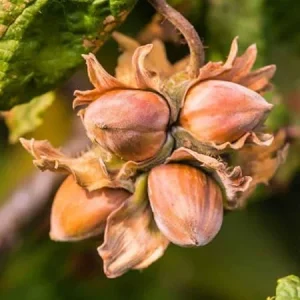
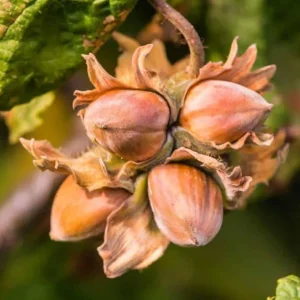
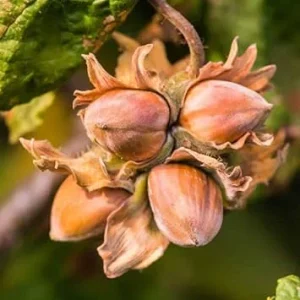
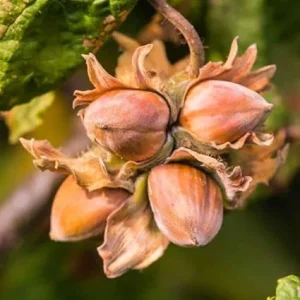
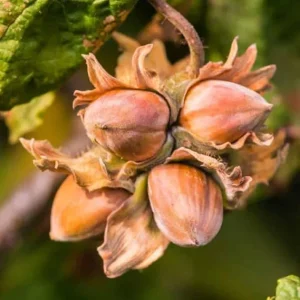
Bring the joy of home-grown nuts to your garden with this vibrant hazelnut tree live plant. You will receive a fresh, well-rooted hazelnut plant, typically ranging from 12 to 24 inches (up to 2 feet) tall, ready for immediate planting. Also known as filbert trees (Corylus avellana), these deciduous trees are renowned for their delicious, nutritious nuts and their adaptability. This particular variety is celebrated for its cold-hardiness and vigorous growth, making it an excellent choice for both beginner and experienced gardeners looking to establish an edible landscape tree or a small home orchard. Enjoy the satisfaction of harvesting your own hazelnuts directly from your backyard.
Key Benefits
Choosing to grow hazelnut tree offers numerous advantages for your garden and your plate:
- Homegrown Nuts: Enjoy the unparalleled flavor and freshness of hazelnuts harvested directly from your own garden. A single hazelnut tree live plant can contribute significantly to your culinary adventures.
- Cold-Hardy & Adaptable: This variety is specifically noted for being a cold hardy hazelnut tree, thriving in a wide range of climates (USDA Zones 4-9). It adapts easily to various soil conditions, making it a robust choice.
- Fast Growing: Hazelnut trees establish quickly and grow at a good pace, allowing you to see significant progress in your garden relatively soon after planting.
- Edible Landscape: Beyond its nut production, the hazelnut tree serves as an attractive addition to any garden design, fitting perfectly into an edible landscape tree scheme. Its foliage provides seasonal interest.
- Compact Mature Size: Reaching a manageable mature height of 8-12 feet, these trees are suitable for smaller yards or as part of a larger backyard orchard. They can be grown as a multi-stemmed shrub or a small tree.
- Wildlife Attraction: Hazelnut trees can attract beneficial wildlife, providing food and habitat, further enriching your garden ecosystem.
- Beginner-Friendly: Due to its resilience and ease of establishment, this hazelnut tree live plant is an excellent option for those new to fruit and nut tree cultivation.
Plant Care & Growing Tips
To successfully grow hazelnut tree, proper care is essential. Hazelnut trees prefer a location with full sun exposure, meaning at least 6-8 hours of direct sunlight daily for optimal growth and nut production. They are quite adaptable but thrive best in well-draining soil that is rich in organic matter. Avoid heavy clay soils that retain too much water, as this can lead to root rot. A slightly acidic to neutral pH (6.0-7.0) is ideal. When planting your hazelnut tree live plant, dig a hole twice as wide as the root ball and just as deep. Amend the soil with compost to improve fertility and drainage. Water thoroughly after planting.
Regular watering is crucial, especially during the first few years as the tree establishes. Aim for consistent moisture, but do not let the soil become waterlogged. Once established, hazelnut trees are relatively drought-tolerant, but supplemental watering during dry spells will benefit nut production. Fertilize in early spring with a balanced slow-release fertilizer or an organic compost. Pruning can be done in late winter or early spring to remove dead or diseased branches, improve air circulation, and shape the tree. For an optimal hazelnut orchard, consider planting at least two different hazelnut varieties to ensure cross-pollination for better nut yields. The cold hardy hazelnut tree is generally disease-resistant, but keep an eye out for common pests and address them promptly with organic solutions if possible.
Size & Details
This offering includes one robust hazelnut tree live plant, which will arrive fresh and well-rooted, ready for planting. The plant height typically ranges from 12 to 24 inches (1 to 2 feet) tall, providing you with a significant head start on growing your own nuts. These trees are known for their moderate to fast growth rate, quickly developing into a healthy specimen. At maturity, the hazelnut tree will reach a compact size of approximately 8 to 12 feet tall and wide, making it a perfect fit for a variety of garden sizes, from suburban backyards to larger homesteads aiming to create a thriving hazelnut orchard. It is shipped in a nursery pot, ensuring the roots are protected and the plant is hydrated during transit, ready for its new home in your garden.
Frequently Asked Questions
- Q: How big does this plant get? A: This hazelnut tree live plant will mature to a compact size of 8-12 feet tall and wide, making it suitable for most garden spaces. It can be grown as a multi-stemmed shrub or a small tree.
- Q: What size pot does it come in? A: The hazelnut tree is shipped as a well-rooted plant, typically in a nursery pot to protect its root system during transit, though the exact pot size may vary.
- Q: Is this an indoor or outdoor plant? A: This is an outdoor plant, specifically a cold hardy hazelnut tree designed to thrive outdoors in USDA Zones 4-9. It requires significant sunlight and space to grow.
- Q: How much sunlight does it need? A: Hazelnut trees require full sun exposure, meaning at least 6-8 hours of direct sunlight per day, for optimal growth and nut production.
- Q: Is this plant easy to care for? A: Yes, hazelnut trees are generally considered easy to care for and are ideal for beginners due to their adaptability and cold-hardiness. Regular watering and annual fertilization are key.
- Q: What condition will it arrive in? A: Your hazelnut tree live plant will arrive fresh, healthy, and well-rooted, carefully packaged to ensure its safety during shipping. It will be ready for immediate planting.
- Q: Can I use hazelnut in cooking? A: Absolutely! Once your tree produces nuts, you can harvest and use them in a wide variety of culinary applications, from baking to roasting and snacking. Growing your own hazelnuts is a rewarding experience.
- Q: How long until it produces nuts? A: Hazelnut trees typically begin producing nuts within 3-5 years of planting, with production increasing as the tree matures. Ensure you have at least two different varieties for cross-pollination.
- Q: Will it survive winter in my zone? A: This is a cold hardy hazelnut tree, suitable for USDA Zones 4-9, meaning it is well-equipped to survive cold winters within these zones.
- Q: What is an edible landscape tree? A: An edible landscape tree is a tree that not only provides aesthetic beauty but also produces food, such as fruits, nuts, or berries, integrating food production into garden design.


Reviews
There are no reviews yet.