Overview
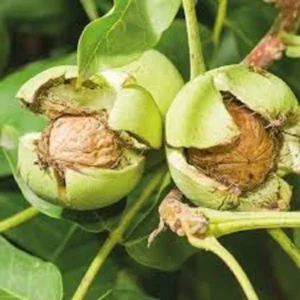
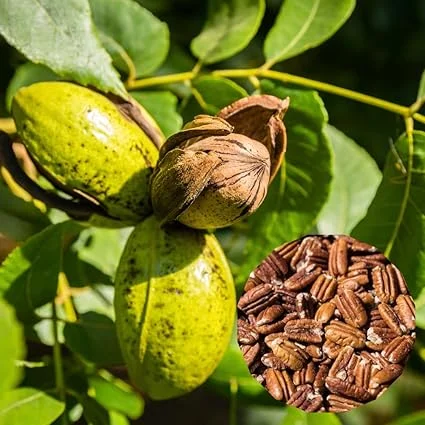
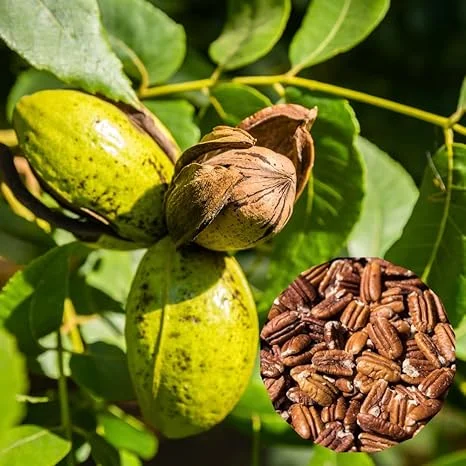
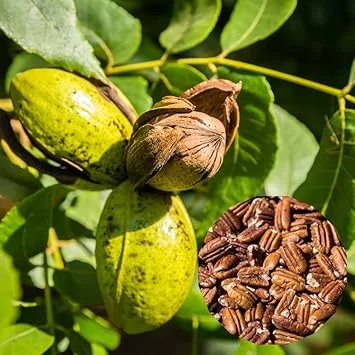
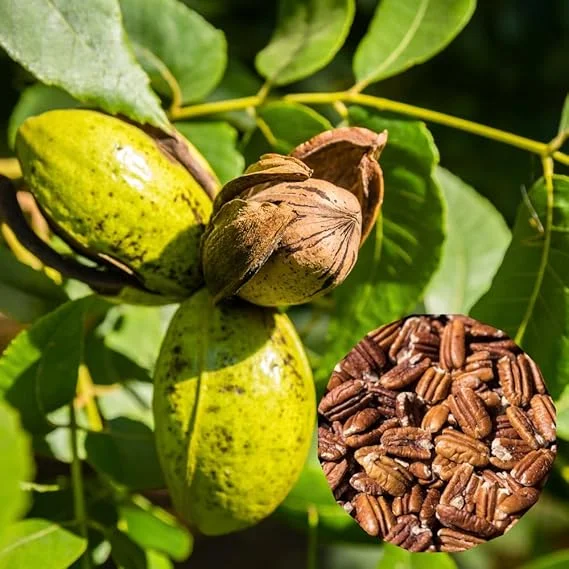
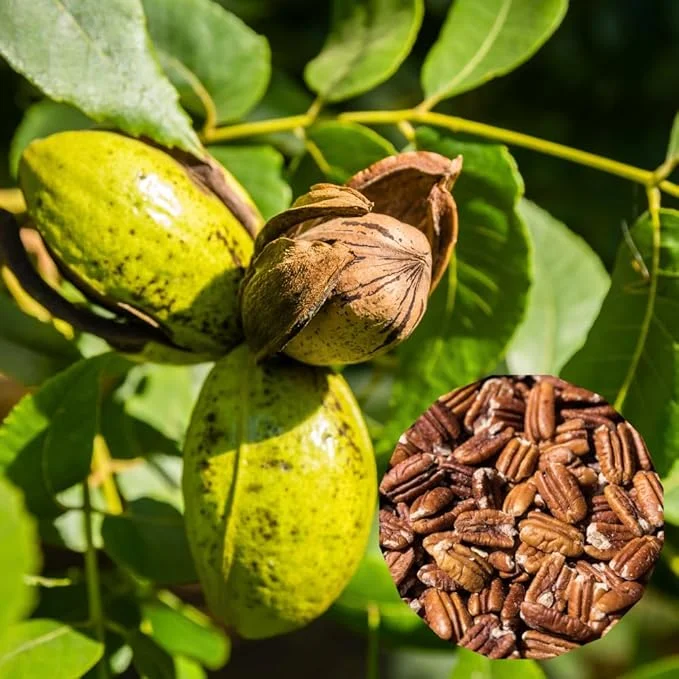
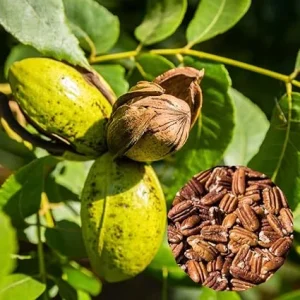
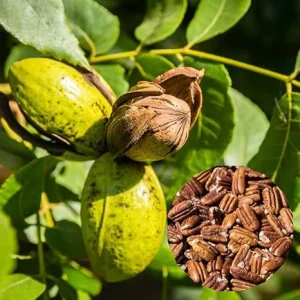
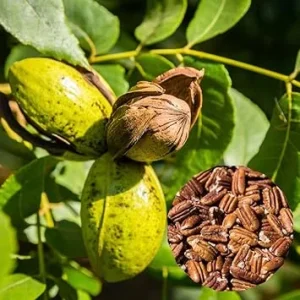
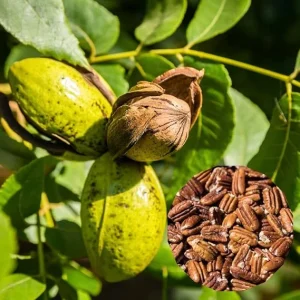
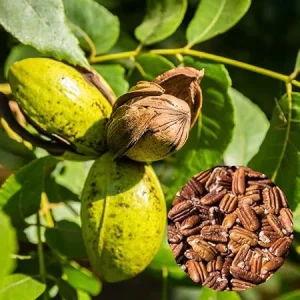
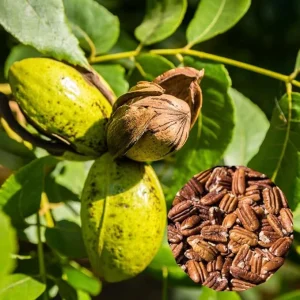
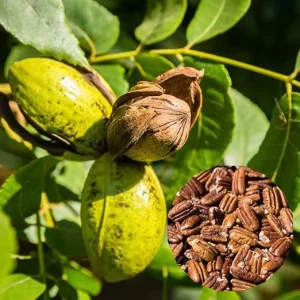
Embark on the rewarding journey of growing your own delicious nuts with this set of pecan tree seedlings. This offering includes two healthy, dormant bare-root pecan trees, each standing between 1 to 2 feet tall, perfectly prepared for planting in your garden or orchard. Pecan trees (Carya illinoinensis) are renowned for their stately appearance and the rich, buttery flavor of their nuts, making them a fantastic addition to any landscape. These young trees are provided in a bare-root state, which is an ideal method for planting deciduous trees, ensuring they establish well when planted during their dormant season. They are ready to awaken and flourish, eventually producing abundant harvests of pecans for generations to come. Growing a pecan tree for sale like this provides not only a source of food but also a beautiful, long-lived shade tree.
Pecan trees are native to the south-central United States and northern Mexico, known for their longevity and impressive size at maturity. They are a valuable investment for any homeowner looking to add both aesthetic appeal and agricultural production to their property. Our pecan tree seedlings are carefully selected to ensure vigor and health, offering you the best start for your future pecan harvest. Whether you’re a seasoned gardener or a passionate beginner, these trees offer a fulfilling horticultural experience.
Key Benefits
Investing in these pecan tree seedlings brings a multitude of benefits, from enhancing your landscape to providing a sustainable food source. These trees are more than just plants; they are a long-term asset to your property.
- Sustainable Nut Production: Enjoy fresh, homegrown pecans for years. Pecan trees are long-lived, often producing nuts for over 100 years once established, offering a sustainable food source directly from your backyard.
- Beautiful Landscape Addition: Pecan trees grow into large, majestic shade trees with attractive foliage, providing significant aesthetic value and a cool canopy during hot summer months. They enhance curb appeal and create a natural habitat.
- Wildlife Attraction: The nuts produced by these trees are a favorite food source for various wildlife, including squirrels and birds, contributing to local biodiversity and creating a lively garden environment.
- Hardy & Resilient: These hardy nut tree seedlings are well-adapted to a wide range of conditions within their recommended USDA Hardiness Zones (6-9), making them a robust choice for many climates. They are designed to withstand typical outdoor conditions.
- Environmental Benefits: Like all trees, pecan trees help to improve air quality, reduce carbon dioxide, and support local ecosystems, contributing positively to the environment.
- Educational Opportunity: Growing a tree from a seedling provides an excellent educational experience for families, teaching about nature, plant cycles, and the rewards of patience and care.
- Economic Value: Mature pecan trees can increase property value and, if desired, provide a source of income through nut sales.
Plant Care & Growing Tips
Successful establishment and growth of your pecan tree seedlings require proper care, especially during their initial years. These bare-root plants are dormant upon arrival, which is the perfect time for planting. Once planted, they will awaken with the spring warmth. Pecan trees thrive in full sun, meaning they need at least 6-8 hours of direct sunlight daily to produce abundant nuts. Choose a planting site that receives ample sunlight throughout the day and has well-draining soil.
When it comes to watering, these trees prefer consistent moisture, especially during dry periods and their first few growing seasons. The soil should be kept consistently moist but never waterlogged, as this can lead to root rot. A good rule of thumb is to water deeply once or twice a week, allowing the water to penetrate the root zone. As the tree matures, its root system will become more extensive, making it more drought-tolerant. For soil, pecan trees prefer deep, well-drained loamy soils but can adapt to various soil types as long as drainage is adequate. Incorporating organic matter into the planting hole can help improve soil structure and nutrient retention. Fertilization typically begins in the second year after planting. Use a balanced fertilizer specifically formulated for nut trees or a general-purpose slow-release granular fertilizer, following package directions. Apply fertilizer in early spring before new growth begins. Protect young trees from pests and diseases by maintaining good air circulation and promptly addressing any issues with appropriate organic or chemical treatments. Pruning primarily involves removing dead, damaged, or crossing branches to maintain a strong central leader and good tree structure.
These pecan tree seedlings are suitable for USDA Hardiness Zones 6-9, indicating their ability to withstand winter temperatures in these regions. In colder parts of zone 6, providing some winter protection for very young trees, such as mulching around the base, can be beneficial. Understanding how to grow pecan tree successfully involves patience and attention to these environmental factors and care routines.
Size & Details
This product includes a set of two pecan tree seedlings. Each bare root plant measures approximately 1 to 2 feet in height upon arrival. These young trees are shipped dormant, without leaves, which is the optimal condition for bare-root planting and ensures successful transplantation. Pecan trees are known for their moderate to fast growth rate, typically adding 1-2 feet in height per year under ideal conditions. At maturity, a pecan tree can reach impressive heights of 70 to 100 feet with a spread of 40 to 75 feet, making them significant additions to any landscape. They are provided as bare roots, meaning they come without soil around their roots, which reduces shipping weight and makes them easier to handle for planting. The bare root form allows the roots to spread naturally into the native soil, encouraging robust growth. Expect nut production to begin within 5-10 years after planting, with full production achieved around 15-20 years. This set offers an excellent opportunity to start your own pecan orchard with robust, ready-to-plant young trees.
Frequently Asked Questions
- Q: How big do these pecan tree seedlings get? A: Each seedling is 1-2 feet tall when shipped as a bare root. Mature pecan trees can reach heights of 70-100 feet with a spread of 40-75 feet, becoming large, majestic shade trees.
- Q: Is this an indoor or outdoor plant? A: These pecan tree seedlings are strictly for outdoor planting. They require significant space, full sun exposure, and specific climate conditions to thrive and produce nuts.
- Q: How much sunlight does a pecan tree need? A: Pecan trees require full sun exposure, meaning at least 6-8 hours of direct sunlight daily, for optimal growth and nut production.
- Q: Is this plant easy to care for? A: While relatively low-maintenance once established, young bare root pecan tree plants require consistent watering and protection during their initial years to ensure successful establishment. They are a good choice for those willing to provide initial care.
- Q: What condition will the pecan tree seedlings arrive in? A: The pecan tree seedlings will arrive as dormant bare roots, meaning they will have no leaves and no soil around their roots. This is the ideal state for planting to ensure successful transplantation.
- Q: When is the best time to plant these bare root pecan trees? A: The best time to plant bare root pecan trees is during their dormant season, typically in late winter or early spring, before new growth begins.
- Q: Will these pecan trees survive winter in my zone? A: These hardy nut tree seedlings are suitable for USDA Hardiness Zones 6-9. If you are within these zones, they are expected to survive winter temperatures, though very young trees in colder parts of zone 6 may benefit from winter protection.
- Q: How long until these pecan tree seedlings start producing nuts? A: Pecan trees typically begin producing nuts within 5-10 years after planting, with significant production starting around 15-20 years. It’s a long-term investment that yields delicious rewards.
- Q: What kind of soil is best for growing pecan trees? A: Pecan trees prefer deep, well-drained loamy soils but can adapt to various soil types as long as drainage is excellent. Avoid heavy clay soils that retain too much moisture.
- Q: Do I need more than one pecan tree to get nuts? A: While some pecan varieties are self-pollinating, many perform better and produce a larger crop when cross-pollinated with a different variety. Having at least two different varieties is often recommended for optimal nut production.


Reviews
There are no reviews yet.